Authentic Ukrainian Vyshyvanka Motifs: 2026 Sourcing Guide
The Renaissance of Eastern European Folk Dress in 2026
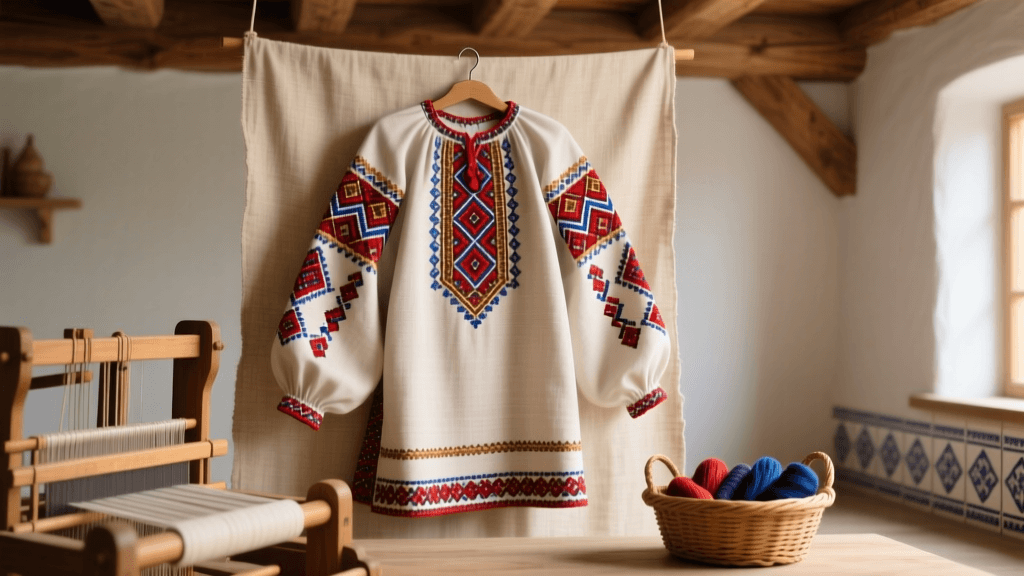
The landscape of European folk dress is undergoing a profound transformation in 2026. Moving far beyond the realm of museum archives and seasonal tourist souvenirs, traditional Slavic and Balkan garments have firmly established themselves in the global sustainable fashion consciousness. At the absolute epicenter of this Eastern European textile revival is the Ukrainian vyshyvanka—the meticulously embroidered linen shirt that serves as both a historical artifact and a living, breathing component of contemporary wardrobes. For collectors, cultural historians, and ethical fashion consumers, understanding the nuances of regional motifs, traditional weaving techniques, and authentic sourcing has never been more critical.
Unlike the mass-produced, machine-stitched imitations that flooded the market in the early 2020s, the 2026 market is defined by a fierce return to heritage craftsmanship. Artisans across the Carpathian Mountains and the Poltava plains are reviving pre-industrial loom techniques and natural dyeing processes. This comprehensive guide will equip you with the actionable knowledge required to navigate the modern Eastern European textile market, authenticate hand-loomed garments, and properly care for these invaluable cultural investments.
The Anatomy of Slavic Embroidery: Beyond the Basic Cross-Stitch
When evaluating high-end Eastern European folk dress, it is imperative to look past the ubiquitous cross-stitch. While the cross-stitch (krestik) gained widespread popularity in the 19th and 20th centuries due to the commercial distribution of printed patterns, the oldest and most revered Slavic techniques rely on complex thread manipulation that interacts directly with the weave of the linen.
- Nyz (Surface Darning): A technique executed from the reverse side of the fabric, creating a geometric pattern on the front. It requires the artisan to count threads flawlessly, resulting in a subtle, textured motif that is highly prized by collectors in 2026.
- Zavolikannya (Gathered Weave): This method involves pulling threads to create dense, horizontal bands of color, often mimicking the look of woven brocade. It is predominantly found in the northern regions of Ukraine and parts of Belarus.
- Lishva (Cutwork and Hemstitch): A highly advanced technique where warp or weft threads are carefully removed and the remaining threads are bound with needlework to create open, lace-like geometric windows within the fabric.
The technical execution of drawn-thread work and cutwork aligns with historical embroidery practices detailed in the Encyclopædia Britannica's comprehensive guide to needlework, highlighting the deep mathematical precision required by traditional Slavic needleworkers.
Regional Motif Breakdown: Poltava, Hutsul, and Bukovyna
The geographic diversity of Eastern Europe is mirrored in its textile traditions. A genuine folk dress garment acts as a geographic passport; an expert can identify the exact village or region of origin based on the color palette, stitch density, and symbolic motifs. Below is a comparative analysis of the three most highly sought-after regional styles in the 2026 artisan market.
| Region | Dominant Palette | Key Motifs & Techniques | 2026 Artisan Price Range (USD) |
|---|---|---|---|
| Poltava | White-on-white, soft ochre, pale ash | Tree of life, geometric stars, intricate lishva cutwork | $350 - $700 |
| Hutsul (Carpathians) | Vibrant red, deep black, saffron yellow | Dense cross-stitch, rhombuses, solar signs, brass beadwork | $280 - $550 |
| Bukovyna | Deep burgundy, metallic silver/gold threads | Floral vines, dense geometric borders, silk thread integration | $450 - $850 |
| Kyiv / Central | Stark red and black contrast | Hops, grapes, octagons, stylized vine patterns | $300 - $600 |
Sourcing Authentic Eastern European Textiles in 2026
As the demand for authentic Slavic folk dress has surged, so too has the sophistication of counterfeit manufacturing. In 2026, AI-driven embroidery machines can replicate complex Hutsul patterns with frightening accuracy. However, true hand-embroidery possesses distinct physical characteristics that machines cannot replicate.
The Reverse-Side Test
The most reliable method for authenticating a hand-embroidered vyshyvanka is to examine the reverse side of the fabric. In traditional hand-stitching, particularly with techniques like nyz or zavolikannya, the back of the garment should look nearly identical to the front, with no long, floating threads or messy knotting. Machine embroidery, conversely, relies on a continuous bobbin thread on the reverse side, often leaving a chaotic web of white or black underlay threads that are easily visible upon close inspection.
Verifying the Linen Base
Authentic 2026 heritage garments are woven on traditional floor looms using locally grown flax. Look for an evenweave linen base with a thread count between 18 and 22. Hand-loomed linen will feature microscopic slubs (slight irregularities in the yarn thickness) and a distinct, crisp drape that softens beautifully over time. Mass-produced garments often utilize a linen-cotton blend or pure cotton, which lacks the structural integrity required to support heavy silk or wool embroidery threads without warping.
The 2026 Natural Dye Renaissance
A defining trend in the 2026 Eastern European folk dress market is the strict adherence to botanical dyeing. Top-tier cooperatives in the Carpathian and Balkan regions have entirely abandoned synthetic aniline dyes, returning to the agrarian dye vats of the 18th century. This commitment to natural dyes not only preserves historical accuracy but also ensures the archival longevity of the textile.
- Madder Root (Rubia tinctorum): Cultivated specifically for the textile trade, madder yields the deep, brick-red hues characteristic of Hutsul and Kyiv region garments. The color deepens and mellows with age, developing a rich patina.
- Woad and Indigo: Used to achieve the rare, highly prized slate-blue threads found in Bukovynian and Transcarpathian embroidery.
- Onion Skins and Weld: These provide the vibrant, colorfast yellows and golds that symbolize the sun and agricultural prosperity in Slavic cosmology.
Research into Slavic agrarian symbolism and the cultural significance of these natural dyes, as documented by the Smithsonian Center for Folklife and Cultural Heritage, underscores how deeply intertwined the natural environment is with Eastern European garment construction.
Measurements and Traditional Tailoring
When commissioning or sourcing a traditional Eastern European shirt, understanding historical tailoring is crucial. Unlike modern, form-fitting garments, the traditional vyshyvanka is constructed using a zero-waste, geometric pattern-cutting method. The garment is assembled from rectangular and square panels of woven cloth, ensuring that not a single thread of the precious hand-loomed linen is wasted.
In 2026, master tailors utilize specific gussets (lastka) under the arms and triangular inserts along the side seams to provide mobility and drape. A genuine artifact or high-quality modern reproduction will feature these structural gussets, often embroidered with protective red geometric symbols designed to guard the body's most vulnerable joints from malevolent spirits, according to ancient Slavic folklore.
Caring for Hand-Loomed Linen and Silk Thread
Investing in authentic Eastern European folk dress requires a commitment to proper textile conservation. The intersection of organic linen, botanical dyes, and protein-based silk embroidery threads creates a delicate ecosystem that demands specialized care.
"The preservation of historical Eastern European textiles relies heavily on pH-neutral environments and the avoidance of aggressive mechanical agitation. Hand-loomed linen fibers can fracture if subjected to modern centrifugal spin cycles."
— Guidelines adapted from the Victoria and Albert Museum Textile Conservation Department.
Actionable Care Steps for 2026 Collectors
- Washing: Never use commercial alkaline detergents. Submerge the garment in lukewarm water with a specialized, pH-neutral conservation soap. Allow it to soak for no more than fifteen minutes.
- Rinsing and Drying: Press the water out gently by rolling the garment in a clean, colorfast cotton towel. Never wring or twist the linen, as this will permanently distort the embroidered motifs. Dry flat, away from direct ultraviolet sunlight, which will rapidly degrade botanical reds and yellows.
- Ironing: Iron the garment while it is still slightly damp, using a medium-high heat setting. Always iron on the reverse side, placing a thick, clean cotton pressing cloth between the iron and the embroidery to prevent crushing the three-dimensional texture of the lishva cutwork.
- Storage: Store the garment flat in a breathable, acid-free archival box. If hanging is necessary, use a padded, wide-shoulder hanger to prevent stress on the shoulder seams, and enclose the piece in an unbleached cotton garment bag.
Red Flags When Buying Online
The digital marketplace is saturated with misleading listings. Protect your investment by watching out for these common warning signs when sourcing Slavic folk dress online:
- Uniform Perfection: If every single cross-stitch is mathematically identical under high-resolution zoom, it is almost certainly machine-made. Human hands possess a natural, microscopic variance in tension.
- Missing Regional Context: Sellers who list items simply as "Vintage Slavic Peasant Shirt" without specifying the region, village, or technique are often moving mass-produced inventory. Authentic dealers will provide detailed provenance, including the name of the artisan or the specific weaving cooperative.
- Synthetic Sheen: Authentic silk and linen have a soft, matte luster. If the embroidery threads exhibit a harsh, plastic-like shine under bright light, the garment utilizes modern polyester or acrylic yarns.
Conclusion: Preserving the Threads of History
The Eastern European folk dress revival of 2026 is more than a fleeting fashion trend; it is a vital cultural preservation effort. By understanding the intricate differences between Poltava cutwork and Hutsul beadwork, insisting on hand-loomed linen bases, and supporting artisans who utilize traditional botanical dyes, collectors and enthusiasts play a direct role in keeping Slavic textile heritage alive. Whether you are acquiring a museum-grade artifact or commissioning a contemporary piece from a Carpathian cooperative, the vyshyvanka remains a profound testament to the resilience, artistry, and enduring beauty of Eastern European culture.