Authentic Vyshyvanka Guide 2026: Poltava vs Hutsul Embroidery
The Living Heritage of the Vyshyvanka in 2026
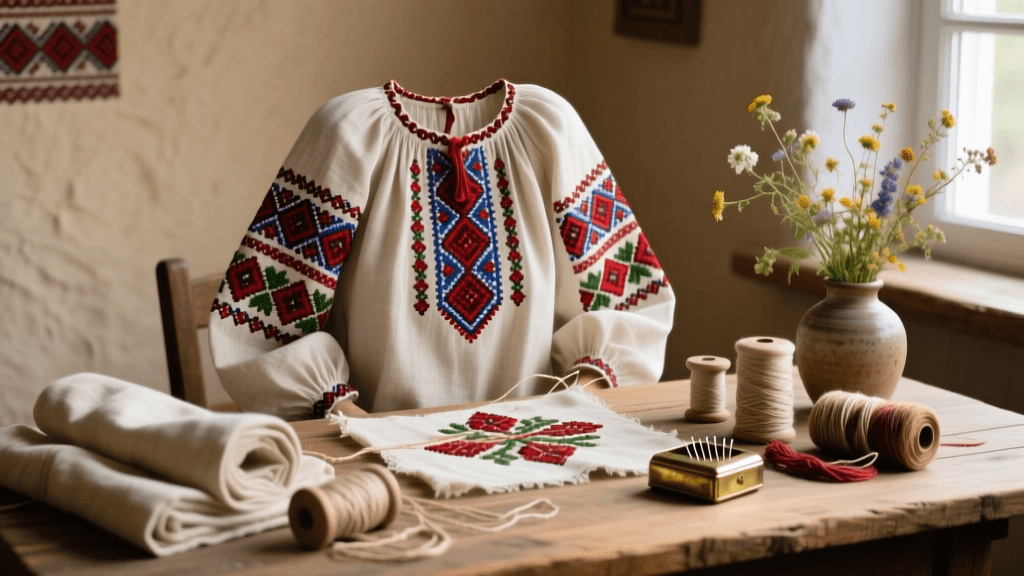
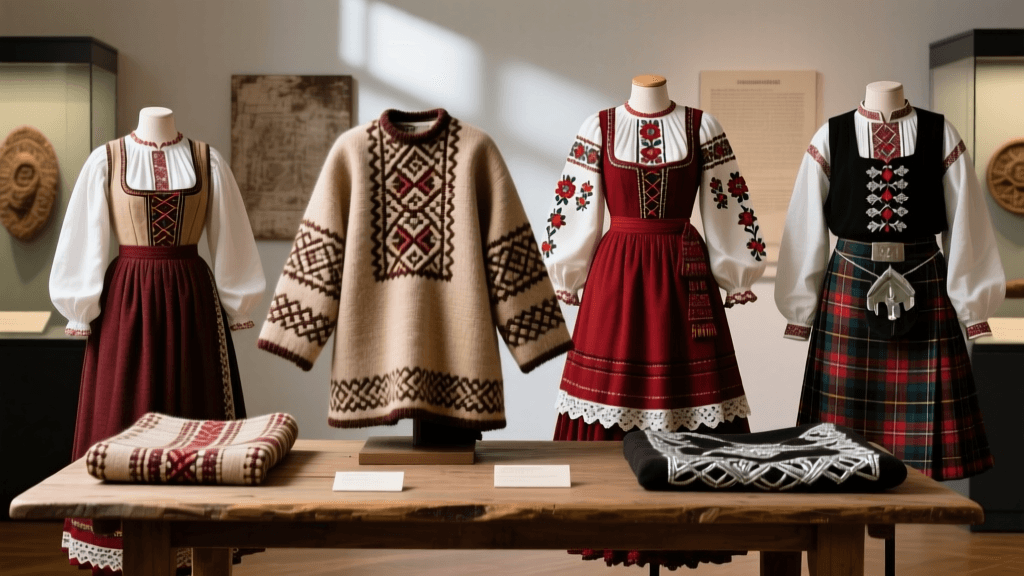
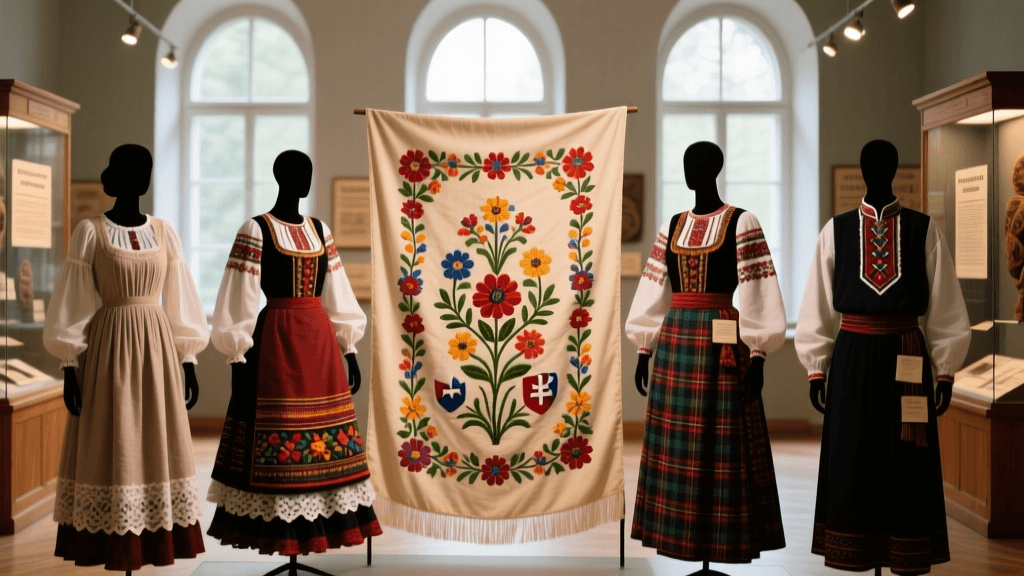
The global slow-fashion movement of 2026 has brought unprecedented attention to Eastern European textile traditions. Among the most celebrated of these is the Ukrainian vyshyvanka, a traditional embroidered shirt that serves as a powerful symbol of cultural identity, resilience, and artisanal mastery. Far from being a static museum relic, the vyshyvanka is a living garment. Contemporary designers and heritage artisans are reinterpreting regional motifs for modern wardrobes while strictly adhering to historical construction methods. For collectors, cultural enthusiasts, and advocates of sustainable fashion, understanding the distinct regional variations is essential. The two most prominent and contrasting styles hail from the Poltava region in the central steppes and the Hutsul region in the Carpathian Mountains. This comprehensive guide explores the techniques, motifs, and 2026 market realities of Poltava and Hutsul embroidery, providing you with the knowledge to source, style, and preserve these masterpieces.
The Poltava Region: Subtle Elegance and White-on-White
The Poltava region, situated in the heart of central Ukraine, is globally renowned for its sophisticated, subtle, and highly technical embroidery. Unlike the vibrant, high-contrast styles of the west, Poltava embroidery is characterized by its elegant restraint. The crown jewel of this region is the 'bila po bilomu' technique, which translates to 'white on white.' According to the Encyclopedia of Ukraine, this technique relies on the interplay of light and shadow rather than color to create intricate geometric and botanical patterns. Artisans achieve this by using white linen thread on a white linen base, employing over a hundred different counted-thread stitches to create texture.
Key Motifs and Techniques
The 'pukhlyk' or puff stitch creates a raised, three-dimensional effect that catches the sunlight, while the 'lichylka' stitch provides delicate, lace-like openwork. In 2026, authentic hand-embroidered Poltava sorochkas (shirts) are considered the pinnacle of luxury folk dress. Because a single white-on-white blouse can require over three hundred hours of meticulous handwork, master artisans price these garments between $450 and $1,200 USD. The modern 2026 slow-fashion consumer values this immense time investment, viewing the Poltava vyshyvanka not merely as clothing, but as a wearable heirloom and a triumph of human patience.
The Hutsul Region: Vibrant Geometry and Mountain Heritage
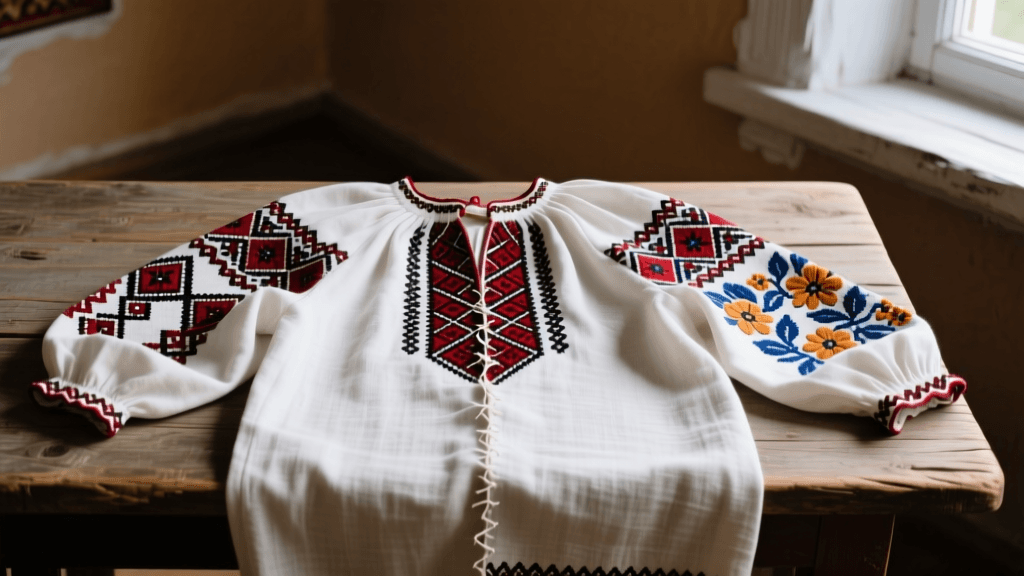
In stark contrast to the subtle elegance of Poltava, the Hutsul region in the Carpathian Mountains boasts a vibrant, maximalist embroidery tradition born from a harsh, rugged environment. The Hutsul people, historically shepherds and highland dwellers, developed a visual language meant to ward off evil spirits and reflect the vivid beauty of their alpine surroundings. Hutsul embroidery is dominated by the 'krestyk' (cross-stitch) and heavily features geometric motifs such as rhombuses, stars, and the tree of life. The color palette is striking, utilizing deep reds, blacks, vibrant yellows, and greens.
Beadwork and the Keptar Vest
Furthermore, Hutsul artisans frequently incorporate 'bizher' (glass beadwork) and metallic threads into their textiles, creating garments that shimmer and catch the light. Beyond the shirt, the Hutsul region is famous for the 'keptar', a sleeveless sheepskin vest heavily decorated with embroidery, leather appliqué, and brass buttons. In the 2026 fashion landscape, Hutsul motifs have heavily influenced contemporary outerwear and winter accessories. Artisan cooperatives in the Ivano-Frankivsk region are currently producing modern, tailored keptars and embroidered wool coats that blend traditional Carpathian geometry with modern silhouettes. Prices for authentic Hutsul garments in 2026 range from $250 for a standard cross-stitch blouse to over $900 for a fully beaded, master-crafted sheepskin vest.
Symbolism and Motif Decoding
Both Poltava and Hutsul motifs are deeply symbolic, functioning as a protective talismanic code. In Poltava work, the 'hop' and 'oak' motifs represent youth, strength, and the unbreakable bond of family. The intricate openwork holes, known as 'prorozky', were historically believed to trap negative energy, preventing it from reaching the wearer's body. In Hutsul tradition, the rhombus is the ultimate symbol of fertility and the sown field, often divided into four smaller squares with dots inside, representing sprouting seeds. The eight-pointed star, or 'Rozha', is a solar symbol meant to bring light and warmth during the long, freezing Carpathian winters. Understanding these symbols adds a profound layer of meaning to the garment, transforming it from a simple piece of textile into a narrative of ancestral hopes and spiritual protection. Heritage preservation efforts recognized by institutions like UNESCO's Intangible Cultural Heritage programs highlight the importance of maintaining these symbolic vocabularies in contemporary textile arts.
Comparison Chart: Poltava vs. Hutsul Vyshyvanka
| Feature | Poltava Region | Hutsul Region |
|---|---|---|
| Geography | Central Steppes | Carpathian Mountains |
| Color Palette | White-on-White, Subtle Earth Tones | Vibrant Red, Black, Yellow, Green |
| Primary Stitches | Lichylka, Pukhlyk (Puff), Openwork | Krestyk (Cross-stitch), Beadwork |
| Base Fabric | Finely Woven Homespun Linen | Heavier Linen, Wool, Sheepskin |
| 2026 Avg. Artisan Price | $450 - $1,200 USD | $250 - $900+ USD |
| Best Styling Occasion | Formal Events, Summer Minimalist Wear | Outerwear Layering, Winter Festivals |
Styling Folk Dress in 2026
Integrating traditional Eastern European folk dress into a modern 2026 wardrobe requires a balance of respect for the garment's heritage and contemporary aesthetic sensibilities. For the Poltava white-on-white vyshyvanka, the current trend favors minimalist, monochromatic styling. Pairing a delicate, openwork Poltava blouse with tailored, wide-leg linen trousers or a sleek, modern midi skirt allows the intricate texture of the embroidery to take center stage. Conversely, the bold, geometric Hutsul pieces serve as powerful statement items. A heavily embroidered Hutsul shirt is perfectly balanced when worn with dark, raw denim or structured wool trousers, grounding the vibrant colors and preventing the outfit from looking like a theatrical costume. The Hutsul keptar has also seen a massive revival in 2026 streetwear, frequently layered over plain turtlenecks or lightweight merino wool sweaters during the transitional autumn months.
Sourcing and Caring for Your Vyshyvanka
Where to Buy Authentic Artisan Work
In 2026, the most ethical and reliable way to source authentic vyshyvankas is directly through verified artisan cooperatives and specialized heritage textile galleries. Avoid mass-market fast-fashion imitations, which often appropriate sacred geometric patterns and print them onto synthetic polyester blends. When purchasing from a cooperative, you will typically receive a certificate of authenticity detailing the artisan's name, the village of origin, and the specific stitches used. This transparency not only guarantees the quality of the garment but ensures that the financial compensation goes directly to the rural women keeping these centuries-old techniques alive.
Washing and Preservation
Hand-embroidered linen and wool require specialized care to ensure they survive for generations. Never machine-wash a hand-embroidered vyshyvanka. Instead, follow these strict preservation steps:
- Fill a basin with lukewarm water and add a pH-neutral, enzyme-free detergent specifically formulated for delicate natural fibers.
- Submerge the garment and gently agitate it with your hands, avoiding any twisting or wringing that could distort the counted-thread stitches.
- Rinse thoroughly in cool water until the water runs completely clear.
- To dry, lay the garment flat on a clean, dry towel, roll the towel to gently press out excess moisture, and then reshape the garment on a drying rack away from direct sunlight, which can yellow the white linen or fade the vibrant Hutsul dyes.
- When ironing, always place the vyshyvanka face-down on a thick, padded towel. This preserves the three-dimensional texture of the 'pukhlyk' stitches and prevents the iron from crushing the intricate embroidery.
By understanding the profound regional differences between the Poltava and Hutsul traditions, and by committing to the proper care and ethical sourcing of these garments, you participate in the ongoing story of Eastern European folk dress. In 2026, wearing a vyshyvanka is more than a fashion choice; it is an act of cultural preservation and a celebration of unparalleled artisanal skill.