Authentic Vyshyvanka Embroidery: 2026 Linen & Thread Guide
The Enduring Legacy of the Vyshyvanka in 2026
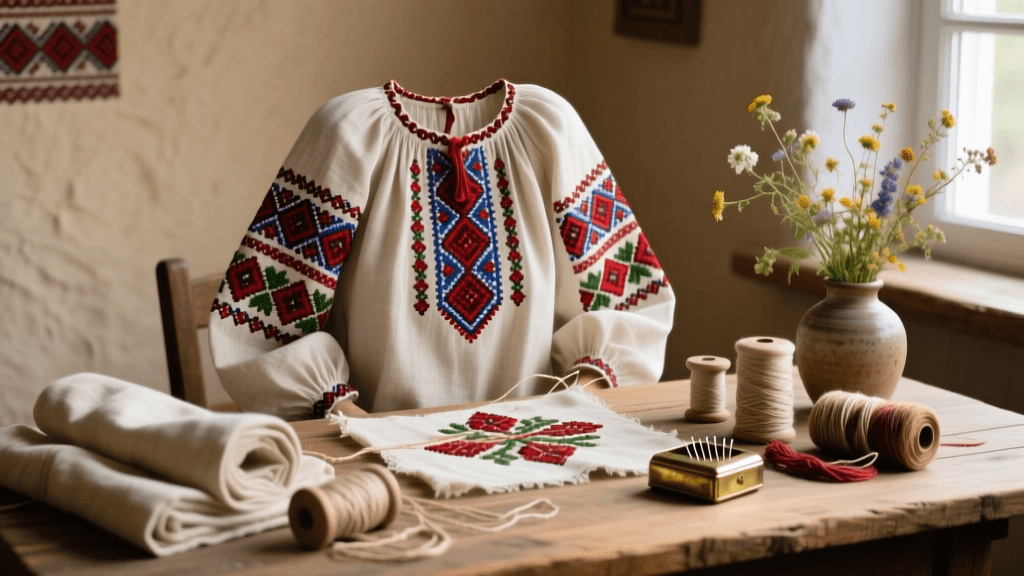
As we navigate the cultural renaissance of 2026, the appreciation for authentic Slavic and Balkan folk dress has evolved far beyond mere costume. Today, traditional garments are celebrated as living heritage, worn with pride at global cultural festivals, weddings, and even integrated into contemporary daily wardrobes. At the heart of this Eastern European textile revival is the Ukrainian vyshyvanka, the Romanian ie, and the Serbian košulja. These garments are defined by their intricate embroidery, which historically served as protective talismans and markers of regional identity. For modern artisans and historical costumers, creating an authentic piece requires moving away from mass-produced, synthetic materials and returning to the natural fibers and traditional techniques that defined Eastern European folk art for centuries.
In 2026, the global resurgence of slow fashion and heritage crafting has led to a higher demand for premium, authentic materials. Crafters are no longer satisfied with standard craft-store cotton; instead, they are seeking out heritage-breed wools, naturally dyed silks, and high-quality European linens. This comprehensive guide will walk you through the exact materials, tools, and techniques required to craft an authentic Slavic embroidered blouse this year, ensuring your garment honors the rich textile traditions of the Carpathian Mountains and the Balkan Peninsula.
Selecting the Right Base: Evenweave Linen vs. Aida
The foundation of any authentic Eastern European folk garment is the fabric. While modern cross-stitch kits often utilize Aida cloth due to its stiff, easy-to-see grid, Aida is entirely inappropriate for traditional Slavic dress. Authentic vyshyvanky and Balkan blouses are crafted on evenweave linen, a fabric woven from flax fibers that provides a beautiful, natural drape and a subtle, rustic texture. Linen has been cultivated and woven in Eastern Europe for over a millennium, and its natural slubs (slight irregularities in the thread) add a distinctive character to the finished embroidery.
When selecting linen for your 2026 projects, the thread count is paramount. Most traditional patterns require a 28-count or 32-count evenweave linen. A 28-count linen (28 threads per inch) is ideal for beginners and for garments that require a bolder, more visible geometric pattern, such as those from the Hutsul region. A 32-count or 36-count linen is preferred for intricate, delicate work, such as the white-on-white embroidery of the Poltava region. It is crucial to purchase 'evenweave' linen, meaning the warp and weft threads are of the exact same thickness, ensuring your cross-stitches and darning stitches remain perfectly square.
2026 Linen Fabric Comparison Chart
To help you source the best materials for your folk dress projects, we have compiled a comparison of the top premium linens available to artisans in 2026. Prices reflect the current market average for authentic European imports.
| Brand & Line | Count | Origin | Best For | 2026 Avg. Price (per yard) |
|---|---|---|---|---|
| Zweigart Belfast | 32-ct | Germany | Intricate floral and fine cross-stitch | $48.00 - $55.00 |
| Zweigart Cashel | 28-ct | Germany | Traditional geometric Hutsul patterns | $42.00 - $48.00 |
| Permin de Copenhague | 28-ct / 32-ct | Denmark | Delicate white-work and drawn thread | $50.00 - $60.00 |
| Charles Craft Legacy | 28-ct | USA (Imported Flax) | Everyday practice and larger garments | $35.00 - $40.00 |
Sourcing Authentic Threads: Cotton, Wool, and Silk
The choice of thread dictates both the visual impact and the historical accuracy of your folk dress. While modern embroiderers often default to six-strand cotton floss, traditional Eastern European embroidery utilized a diverse palette of natural fibers. In 2026, DMC and Anchor cotton flosses remain the gold standard for accessible, colorfast cotton threads, particularly for replicating the vibrant reds and deep blacks characteristic of Bukovynian and Transylvanian blouses. However, to achieve true historical accuracy, crafters are increasingly turning to specialty fibers.
For the bold, geometric patterns of the Carpathian Hutsul region, traditionalists use fine wool threads. Wool provides a matte, textured finish that cotton simply cannot replicate, and it was historically dyed using local botanicals like madder root for red and woad for blue. Silk threads, specifically flat silk or twisted silk, are essential for recreating the luxurious, shimmering accents found in high-status festival garments from the Balkans and urban centers of the 19th-century Russian Empire. When sourcing wool, look for crewel wool or fine tapestry wool from heritage brands that specialize in natural, undyed, or botanically dyed skeins.
Mastering Traditional Stitches Beyond Cross-Stitch
While the cross-stitch (khrystyk) is globally recognized and widely used in Slavic folk dress, it is only one of dozens of traditional techniques. To elevate your 2026 garment from a modern craft project to a true piece of cultural heritage, you must explore indigenous stitching methods:
- Nyzynka (Darning Stitch): A traditional Ukrainian technique where the pattern is worked from the back of the fabric using a running stitch. The design only reveals itself on the front when completed. It creates a dense, woven look perfect for geometric cuffs and collars.
- Zavolikannya (Running Stitch): A horizontal or vertical running stitch that mimics the look of woven fabric. It is heavily used in the Polissya region of Northern Ukraine and in traditional Belarusian rushnyky (ritual towels).
- Lishva (Cutwork and Satin Stitch): A combination of drawn-thread work and dense satin stitching, often used to create intricate, lace-like borders on the sleeves of Romanian ie blouses.
- Brodivka (Whitework): A delicate white-on-white technique utilizing hemstitching and pulled threads, iconic to the Poltava region, requiring exceptional tension control and high-count linen.
Regional Variations: Decoding the Color Palette
The colors and motifs of Eastern European folk dress are not arbitrary; they are a complex visual language. In 2026, as cultural preservation societies digitize museum archives, we have a better understanding of these regional dialects than ever before. The Poltava region is famous for its ethereal white-on-white embroidery, symbolizing purity and spiritual light, often accented with subtle grey or pale blue. In stark contrast, the Hutsul highlanders of the Carpathians favored high-contrast, aggressive geometric patterns in black, red, yellow, and green, designed to ward off evil spirits and reflect the vibrant flora of the alpine meadows.
Further south, the Balkan traditions of Romania and Bulgaria incorporate heavy use of metallic threads, sequins, and vibrant floral motifs, reflecting centuries of trade with the Ottoman Empire and the Byzantine aesthetic. When planning your garment, research the specific village or region you wish to honor. Mixing a Hutsul geometric border with a Bukovynian floral bodice, while creative, breaks the historical continuity that heritage crafters strive to preserve today.
Essential Tools for Slavic Embroidery
Working with high-count linen and fine natural fibers requires specialized tools. Standard craft supplies will lead to frustration and damaged fabrics. Ensure your 2026 embroidery kit includes the following:
- Tapestry Needles (Size 24-28): Blunt-tipped needles are mandatory for evenweave linen to prevent piercing and splitting the fabric threads.
- Laying Tool: Essential for working with flat silk and wool to ensure the threads lie perfectly flat and catch the light evenly.
- Q-Snaps or Hardwood Hoops: Traditional wooden hoops with a screw tension mechanism are preferred over cheap plastic hoops, as they maintain the necessary drum-tight tension required for nyzynka and cutwork.
- Magnification: For 32-count and 36-count linens, a high-quality LED magnifying lamp or wearable magnification glasses will reduce eye strain during long winter evenings of stitching.
Preserving Intangible Cultural Heritage
The creation of traditional folk dress is more than a hobby; it is an act of cultural preservation. Organizations worldwide recognize the importance of these textile traditions. The inclusion of various Eastern European crafts on the UNESCO Intangible Cultural Heritage lists highlights the global imperative to protect these techniques from being lost to fast fashion and industrialization. By sourcing authentic materials and learning the precise historical stitches, modern artisans actively participate in safeguarding this intangible heritage for future generations.
Museums also play a critical role in this revival. Institutions like the Victoria and Albert Museum maintain extensive textile collections and conservation archives, providing invaluable reference material for crafters looking to study the exact stitch density, dye lots, and garment construction of 18th and 19th-century peasant dress. Utilizing these digital archives allows 2026 crafters to draft patterns that are historically flawless.
Caring for Your Handmade Folk Garments
Once you have invested dozens of hours into stitching your vyshyvanka or ie, proper care is essential to ensure the garment lasts a lifetime. Linen is incredibly durable, but the embroidery threads require gentle handling. Always hand-wash your finished garment in cool water using a pH-neutral, conservation-grade textile detergent. Never wring or twist the linen; instead, roll it in a clean, dry towel to press out excess moisture.
Blocking is a non-negotiable final step. Lay the damp garment flat on a clean, dry towel, gently stretching and pinning the linen to its original dimensions to ensure the embroidery does not pucker the fabric. Allow it to air dry away from direct sunlight, which can fade natural dyes and degrade silk fibers over time. When storing your folk dress, wrap it in acid-free tissue paper and place it in a breathable cotton garment bag. Avoid wire hangers, which can distort the shoulders; instead, fold the garment along its natural seam lines to preserve the structural integrity of the historic textile.