Ukrainian Vyshyvanka Guide 2026: Regional Patterns & Linen Sourcing
The Renaissance of the Vyshyvanka in 2026
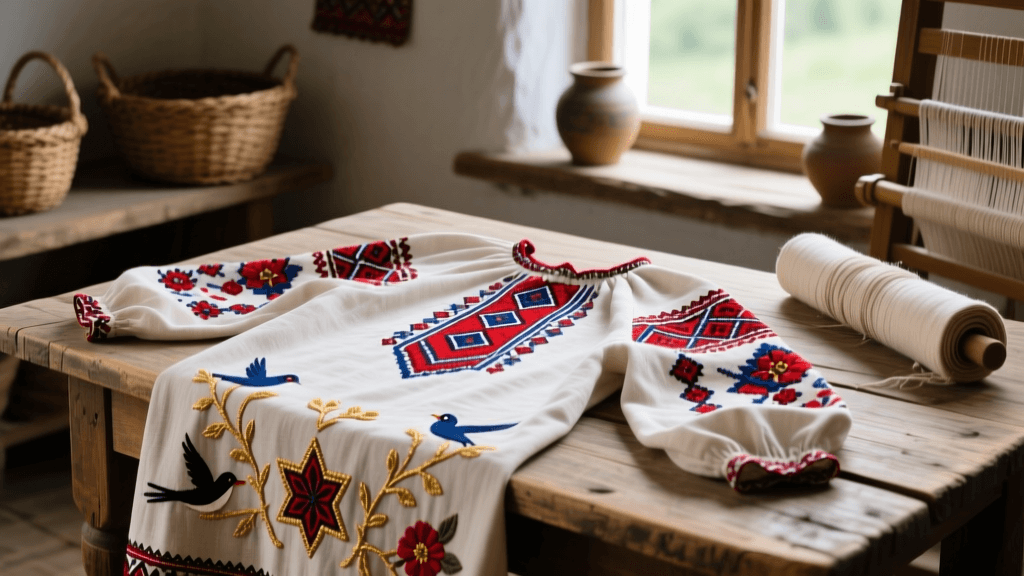
The traditional Ukrainian vyshyvanka (embroidered shirt) is far more than a simple garment; it is a wearable manuscript of Eastern European history, spirituality, and regional identity. As we navigate the global fashion and cultural heritage landscape of 2026, the appreciation for Slavic and Balkan folk dress has experienced a profound renaissance. Moving beyond occasional festival wear, the vyshyvanka has been firmly integrated into high-end sustainable fashion, everyday cultural pride, and contemporary wardrobes worldwide. For collectors, cultural enthusiasts, and ethical fashion consumers, understanding the nuances of regional embroidery, authentic textile sourcing, and traditional motifs is essential.
In this comprehensive 2026 guide, we delve deep into the heart of Eastern European folk dress. We will decode the distinct regional styles of Ukraine, explore the sacred geometry of Slavic protection motifs, and provide actionable advice on sourcing authentic, hand-loomed linen in today's market. Whether you are looking to invest in a heritage piece or simply wish to understand the profound symbolism stitched into every seam, this guide serves as your definitive resource.
Decoding Regional Embroidery: A Comparative Guide
The term 'vyshyvanka' translates simply to 'embroidered shirt,' but treating it as a monolith does a disservice to the incredible diversity of Eastern European textile traditions. Historically, every village, and sometimes every family, possessed distinct patterns, color palettes, and stitching techniques. These variations served as a visual language, indicating the wearer's geographic origin, marital status, and social standing. Below is a comparative overview of the most prominent regional styles that continue to define authentic Ukrainian folk dress in 2026.
| Region | Primary Colors | Signature Stitches | Key Motifs & Characteristics |
|---|---|---|---|
| Poltava (Central) | White-on-white, pale grey, soft blue | Cutwork (lichva), satin stitch, hemstitching | Subtle elegance, geometric grids, floral vines, reliance on texture over color contrast. |
| Hutsulshchyna (Carpathians) | Vibrant red, black, yellow, green, orange | Cross-stitch, nyz (darning stitch), beading | Dense geometric patterns, stars, rhombuses, heavy use of metallic threads and glass beads. |
| Bukovyna (Southwest) | Deep black, rich red, occasional gold | Cross-stitch, chain stitch, wool appliqué | Bold floral and geometric hybrids, heavy embroidery on cuffs and collars, use of wool threads. |
| Podillia (West-Central) | Black, red, with touches of blue and yellow | Low-stitch, cross-stitch, satin stitch | Continuous horizontal bands, stylized tree of life, geometric animals, dense chest panels. |
The Elegance of Poltava White-on-White
The Poltava region is globally renowned for its 'white-on-white' embroidery, a technique that requires immense technical mastery. In 2026, authentic Poltava pieces remain highly sought after by collectors of minimalist and high-fashion folk textiles. The beauty of this style lies not in color contrast, but in the interplay of light and shadow created by the texture of the stitches. Artisans utilize complex cutwork (lichva), where threads of the linen are carefully removed and the remaining warp and weft are wrapped and woven into intricate openwork patterns. Paired with delicate hemstitching and satin stitch floral motifs, the Poltava vyshyvanka is a masterclass in subtlety and refinement.
The Vibrant Geometry of the Hutsul Mountains
In stark contrast to the serene whites of Poltava, the Hutsul region in the Carpathian Mountains produces some of the most visually striking folk garments in Europe. Hutsul embroidery is characterized by its dense, kaleidoscopic geometry. The traditional nyz stitch creates a pattern on the reverse side of the fabric, which is then worn inside out to display the vibrant, unbroken threads. In 2026, authentic Hutsul shirts often incorporate tiny glass beads and metallic threads, reflecting historical trade routes and the region's affluent pastoral heritage. The dominant colors—fiery red, deep black, and bright yellow—are derived from traditional natural dyes like madder root, oak bark, and weld.
The Geometry of Slavic Protection Motifs
To wear a vyshyvanka is to wear a shield. In pre-Christian Slavic cosmology, embroidery was not merely decorative; it was a talismanic boundary designed to protect the wearer from malevolent spirits. The placement of the embroidery was highly strategic, concentrating on the 'openings' of the garment—the neckline, cuffs, and hem—where evil forces were believed to enter the body. As noted in Britannica's comprehensive guide to folk art, these traditional motifs represent a syncretic blend of ancient agrarian magic and later Christian symbolism.
Some of the most prevalent motifs you will encounter in authentic Eastern European dress include:
- The Sown Field (Rhombus): A rhombus divided into four smaller squares, each containing a dot. This is one of the oldest agrarian symbols, representing a planted field, fertility, and the prosperity of the harvest.
- The Tree of Life (Berehynia): Often stylized into a geometric pine tree or a central floral axis, representing the connection between the underworld, the earthly realm, and the heavens. It is also associated with the goddess Berehynia, the protector of the hearth.
- The Eight-Pointed Star (Rozhanitsa): A symbol of the sun, cosmic order, and the eternal cycle of life, death, and rebirth. It is frequently found on Hutsul and Bukovynian garments.
- The Hop and Oak Motifs: Oak leaves represent masculine strength and endurance, while hop vines symbolize youth, flexibility, and fertility. These are often intertwined on the sleeves of men's and women's shirts alike.
Sourcing Authentic Hand-Loomed Linen in 2026
As the demand for sustainable, slow-fashion heritage garments continues to rise in 2026, the market has seen an influx of mass-produced, machine-embroidered imitations printed on synthetic blends. For the serious collector or cultural enthusiast, sourcing authentic, hand-loomed linen is paramount. True Eastern European folk dress relies heavily on the quality of the base textile. Ukrainian linen, derived from European flax, is prized for its durability, breathability, and distinctive slubbed texture.
What to Look For: GSM and Weave
When evaluating a vyshyvanka, pay close attention to the fabric weight, measured in Grams per Square Meter (GSM). For a traditional summer shirt, look for a lightweight, semi-sheer linen in the 120-150 GSM range. For structured outerwear, heavier winter shirts, or garments intended for rigorous festival wear, a 180-220 GSM linen is ideal. The weave should exhibit slight irregularities—this 'slub' is the hallmark of traditional shuttle-loomed or hand-loomed textiles, distinguishing it from the sterile perfection of industrial mill linen.
2026 Market Pricing and Authentic Cooperatives
Investing in authentic heritage textiles requires an understanding of current market values. In 2026, a genuine, hand-embroidered vyshyvanka crafted by an artisan in the Carpathian or Poltava regions typically ranges from $250 to $600 USD, depending on the complexity of the cutwork and the density of the cross-stitch. Masterpiece pieces featuring antique glass beading or rare regional variations can command upwards of $1,200 USD. To ensure ethical compensation and authenticity, buyers should seek out verified artisan cooperatives, direct-to-consumer heritage platforms, and institutions like The Ukrainian Museum, which frequently partners with traditional artisans and provides educational resources on authenticating folk textiles. Furthermore, initiatives tracked by the UNESCO Intangible Cultural Heritage programs often highlight protected regional crafts, offering a reliable benchmark for authenticity.
Caring for Heritage Textiles
Proper maintenance is crucial for preserving the structural integrity and vibrancy of natural dyes in traditional Eastern European garments. Hand-loomed linen and silk embroidery threads require gentle, specialized care.
- Washing: Never machine wash a hand-embroidered vyshyvanka. Submerge the garment in lukewarm water (never hot) using a pH-neutral, eco-friendly detergent designed for delicate natural fibers. Avoid all chlorine bleaches, which will degrade the linen fibers and strip natural dyes.
- Drying: Do not wring the fabric. Gently press out excess water and lay the garment flat on a clean, dry towel away from direct sunlight. UV exposure will rapidly fade traditional madder and woad dyes.
- Ironing: Linen wrinkles naturally, but if pressing is required, iron the garment while it is still slightly damp. Always iron on the reverse side of the embroidery, placing a clean cotton pressing cloth over the stitches to prevent crushing the texture and flattening the cutwork.
- Storage: For long-term storage, wrap the garment in unbleached, acid-free tissue paper. Avoid wire hangers, which can distort the shoulder seams and cause rust stains; instead, use padded wooden hangers or store the shirt flat in a breathable cotton garment bag.
Integrating Folk Dress into Contemporary Wardrobes
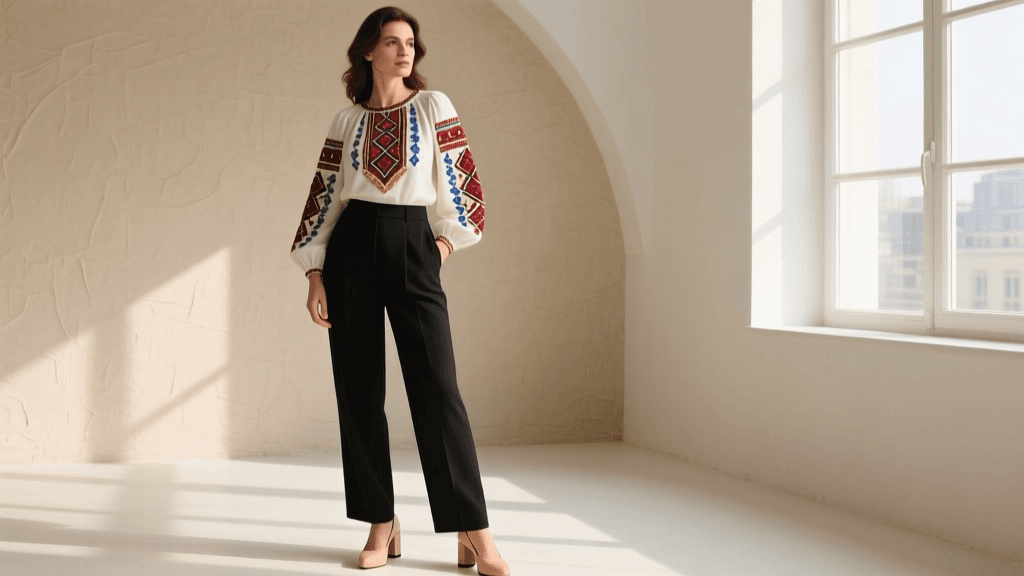
The beauty of the vyshyvanka in 2026 lies in its versatility. While it remains the centerpiece of traditional celebrations, modern styling has embraced the garment as a statement piece in everyday fashion. A crisp, white-on-white Poltava shirt pairs effortlessly with tailored wide-leg trousers and minimalist leather loafers for a sophisticated, contemporary look. Conversely, a vibrant, heavily embroidered Hutsul tunic can be belted over dark denim or layered under a structured blazer, allowing the intricate neckline and cuff embroidery to serve as the focal point of the outfit. By treating these garments with the respect they deserve—understanding their history, supporting authentic artisans, and styling them thoughtfully—we ensure that the rich legacy of Slavic and Eastern European folk dress continues to thrive in the modern era.