Styling the Ukrainian Vinok & Coral Namysto for 2026 Festivals
The Resurgence of Eastern European Folk Accessories in 2026
As we navigate the vibrant European folk festival circuit in 2026, there has been a profound shift away from mass-produced, theatrical costumes toward deeply authentic, heritage-based styling. Nowhere is this more evident than in the revival of traditional Ukrainian accessories, specifically the floral wreath known as the vinok and the heavy, multi-strand beaded necklaces called namysto. These pieces are no longer relegated to museum displays or stage performances; they are being worn with pride at cultural gatherings, summer solstice celebrations, and contemporary folk-fashion events across the continent.
Understanding how to properly source, style, and care for these organic and historically significant accessories requires a deep dive into regional craftsmanship. According to the UNESCO Intangible Cultural Heritage frameworks, the preservation of traditional craftsmanship is vital for maintaining cultural identity. This guide will walk you through the anatomy of the vinok and namysto, providing actionable advice on how to integrate these masterpieces into your 2026 festival wardrobe while respecting their profound cultural roots.
Anatomy of the Vinok: More Than Just Flowers
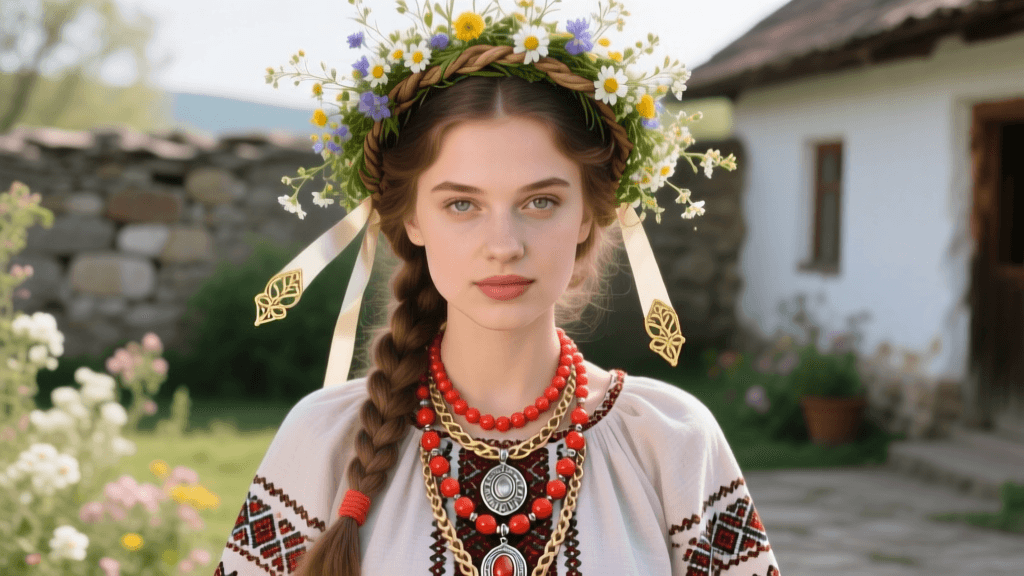
The vinok is a complex headpiece that historically served as a visual language, communicating a woman's age, marital status, and regional origin. While modern interpretations often simplify the wreath into a generic flower crown, authentic 2026 revivalists are returning to the strict structural and symbolic rules of the past.
Base Construction and Floral Selection
An authentic vinok is never simply a circle of wire wrapped in green tape. The traditional base is constructed from flexible birch bark, willow branches, or stiffened linen, providing a sturdy foundation that can support the weight of the flowers and ribbons. In 2026, master artisans in Kyiv and Lviv are utilizing high-grade, hand-dyed mulberry silk and waxed cotton to create botanically accurate flowers that withstand the heat and humidity of summer festivals. Fresh flowers are still used for specific rituals like Ivan Kupala Night, but for general festival wear, artisan silk is preferred for its durability and historical accuracy to the late 19th-century urban craft.
The Ribbons (Strichky) and Their Meanings
The ribbons trailing from the back of the vinok are just as important as the flowers. Known as strichky, these silk or satin ribbons must be meticulously measured. A critical rule of traditional styling is that the ribbons should never extend past the length of the wearer's hair braids. If your braids reach your mid-back, the ribbons must be trimmed to match. The color palette is highly symbolic: light blue represents youth and the sky, gold signifies wheat and prosperity, red denotes love and vitality, and green represents beauty and nature. Black or dark purple ribbons are traditionally omitted from festive wreaths, as they are associated with mourning.
The Namysto: Coral, Amber, and Glass Bead Necklaces
While the vinok crowns the head, the namysto anchors the entire folk ensemble. The term encompasses various types of beaded necklaces, but the most prized and historically significant are those made from genuine Mediterranean coral and Baltic amber. As noted in the Victoria and Albert Museum's extensive jewelry archives, regional European peasant jewelry often utilized organic materials that were believed to possess protective and healing amuletic properties.
Sizing, Graduation, and Strand Count
Authentic coral namysto is characterized by its graduation. The beads are not uniform; they are carefully strung so that the largest, heaviest bead (often 15mm to 20mm in diameter) rests at the center of the collarbone, with the beads gradually decreasing in size (down to 6mm or 8mm) toward the clasp. The number of strands a woman wore was a direct indicator of her family's wealth and social standing. A single strand was common for daily wear, while three to five strands were reserved for major holidays and weddings. In 2026, a heavy, five-strand genuine coral necklace can weigh over 400 grams, requiring a strong, reinforced silk threading to prevent breakage.
Sourcing Authentic Baltic Amber and Mediterranean Coral
The market for organic folk jewelry has seen significant shifts in 2026. Due to stricter environmental export regulations on raw Baltic amber from the Gdańsk region, prices for authentic, unpolished amber beads have risen by approximately 18% over the last two years. Savvy collectors are turning to estate sales and specialized antique dealers in Warsaw and Kraków to source vintage mid-century amber strands, which offer a deeper, more oxidized honey color than freshly polished modern beads. Similarly, genuine Mediterranean coral is heavily regulated; buyers must insist on CITES certification to ensure the coral was harvested legally and ethically, avoiding dyed howlite or glass imitations that flood the fast-fashion market.
Regional Variations: Hutsul Zgardy vs. Dnieper Coral
It is crucial to recognize that Ukrainian folk dress is not a monolith. The styling of your jewelry should ideally match the regional embroidery (vyshyvanka) you are wearing. The Hutsul region in the Carpathian Mountains is famous for the zgardy—heavy necklaces made of cast brass crosses, glass beads, and coral, often interspersed with stamped metal spacers. These have a rustic, heavy, and metallic aesthetic. In contrast, the central Dnieper region favors the smooth, elegant, and highly polished multi-strand coral namysto paired with delicate seed pearl accents. Mixing a Hutsul brass zgardy with a Poltava-style minimalist white-on-white embroidered shirt creates a visual clash that heritage stylists actively avoid.
2026 Market Guide: Authentic vs. Synthetic Accessories
When investing in heritage pieces, understanding the current market pricing and material properties is essential. Below is a comparison chart to help you navigate the 2026 artisan and antique markets.
| Material Type | 2026 Average Price (Per Strand) | Weight & Feel | Durability & Care | Authenticity Markers |
|---|---|---|---|---|
| Genuine Mediterranean Coral | €250 - €600+ | Heavy, cool to the touch, dense | Fragile to acids/perfumes; requires soft cloth polishing | Unique grain patterns; effervesces slightly in lemon juice (destructive test) |
| Baltic Amber (Unpolished) | €180 - €450 | Extremely lightweight, warm to the touch | Scratches easily; sensitive to high heat and alcohol | Floats in saturated saltwater; emits pine scent when gently heated |
| Artisan Silk Floral Vinok | €85 - €150 | Lightweight but structurally rigid | Spot clean only; store in a rigid hat box to prevent crushing | Hand-wired petals; natural fraying on silk edges; birch bark base |
| Dyed Glass/Coral Imitation | €20 - €45 | Uniformly heavy, cold, overly smooth | Highly durable but lacks historical or cultural value | Perfectly uniform color; visible mold seams; bubbles inside glass |
Step-by-Step Festival Styling Guide
Wearing these heavy, ornate pieces requires careful balancing to ensure you look culturally grounded rather than overwhelmed by accessories. Follow these styling steps for your next festival:
- Start with the Neckline: The namysto sits best against a high, round neckline or a dense, geometric embroidered collar. Avoid deep V-necks, as the heavy beads will drag the fabric down and distort the embroidery.
- Secure the Wreath: Do not rely solely on the tension of the wreath to keep it on your head. Use two U-shaped hairpins, slipped through the base of the wreath and anchored into a small, hidden braid at the crown of your head. This prevents the vinok from sliding forward over your eyes when dancing.
- Braid Preparation: Traditional styling requires the hair to be worn in one or two thick braids. If your hair is too short or fine, use natural human-hair extensions that match your exact hair color to create the necessary volume to support the visual weight of the trailing ribbons.
- Balance the Metals: If you are wearing a brass Hutsul zgardy, avoid mixing in silver or gold modern earrings. Opt for simple wooden or bone studs to let the necklace remain the focal point.
Caring for Organic Folk Jewelry
Organic materials like coral and amber are highly reactive to modern cosmetics and environmental factors. To preserve your 2026 investments, never apply perfume, hairspray, or sunscreen after putting on your namysto; the chemicals can strip the natural oils from the coral and cause amber to cloud permanently. After a long day at a festival, gently wipe the beads with a slightly damp, lint-free microfiber cloth to remove sweat and natural skin oils. Store your amber and coral strands flat in a velvet-lined jewelry box, away from direct sunlight, which can cause the coral to bleach and the amber to become brittle over time.
Conclusion
The integration of the vinok and namysto into contemporary festival wear is a beautiful testament to the resilience of Eastern European folk art. By prioritizing authentic materials, understanding regional distinctions, and adhering to traditional styling rules, you do more than just wear a beautiful outfit—you become an active participant in the living history of European textile and jewelry craftsmanship. As Britannica's folk art archives remind us, true folk art is never static; it evolves with its people while holding fast to the symbols that define their heritage.