Norwegian Bunad Silver And Brudkrona Crowns: 2026 Guide
The Enduring Legacy of Norwegian Folk Accessories
When discussing European folk dress, the conversation often centers on the vibrant textiles, intricate embroidery, and regional weaving techniques that define national costumes. However, the true crowning glory of any traditional ensemble lies in its accessories. In 2026, the global revival of heritage fashion has brought unprecedented attention to Scandinavian folk jewelry, specifically the Norwegian Bunad silver and the majestic Brudkrona (bridal crown). These pieces are not merely decorative; they are historical artifacts, symbols of social standing, and masterclasses in traditional metalsmithing. For collectors, cultural enthusiasts, and those participating in European folk festivals this year, understanding the nuances of these accessories is essential.
The Anatomy and Symbolism of the Sølje Brooch
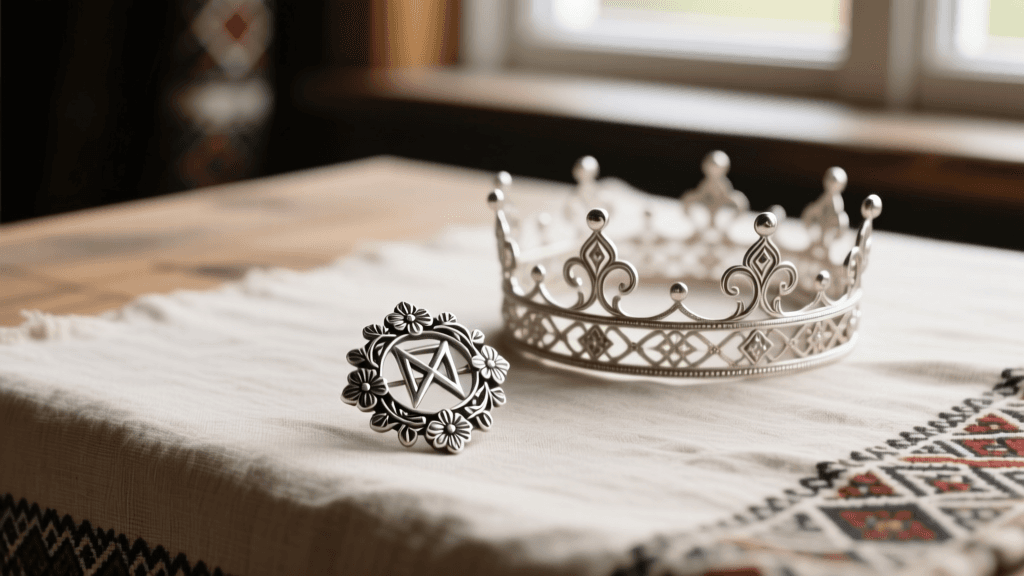
At the heart of Norwegian folk jewelry is the sølje, a traditional silver brooch worn to fasten the neckline of the bunad shirt. The word sølje translates roughly to "sun," and its design is deeply rooted in pre-Christian Norse mythology and solar worship. A traditional sølje is a marvel of silversmithing, typically crafted from oxidized sterling silver and featuring a complex, multi-layered anatomy.
The central dome or bowl of the brooch is known as the bolen, representing the sun itself. Radiating outward or hanging below are the skjeier (spoons) or løv (leaves). These dangling elements serve a dual purpose: aesthetically, they catch the light and create a soft, melodic chiming sound when the wearer moves; symbolically, the noise and the reflective silver were historically believed to ward off evil spirits, trolls, and the "hidden people" of Norwegian folklore. In 2026, contemporary silversmiths continue to use traditional casting and filigree techniques, ensuring that every modern piece retains the acoustic and visual magic of its ancestors.
Regional Variations in Norwegian Bunad Silver
Norway is divided into distinct cultural regions, and the silver jewelry associated with each bunad is strictly regulated by local customs and historical precedents. Wearing the wrong regional silver with a specific bunad is considered a major faux pas in Norwegian culture. Below is a comparative look at the most prominent regional styles and their current market valuations.
| Region | Silver Style & Key Motifs | 2026 Average Price Range (USD) |
|---|---|---|
| Hardanger | Oxidized silver, symmetrical floral bowls, multiple hanging "spoons" and teardrops. | $450 - $950 |
| Telemark | Elaborate filigree work, rose motifs, heavily oxidized, intricate wire weaving. | $600 - $1,200 |
| Setesdal | Distinctive "magic" symbols, heavy cast silver, ancient pagan sun-wheel motifs. | $500 - $1,100 |
| Gudbrandsdal | Baroque influences, acanthus leaf carvings, polished and oxidized contrasts. | $550 - $1,050 |
As silver commodity prices have fluctuated throughout the mid-2020s, the cost of authentic, hand-forged bunad silver has risen. According to market data from heritage craft guilds, buyers in 2026 should expect to pay a premium for pieces that carry the official Norwegian silver stamp (925S) and the maker's mark of an authorized artisan.
The Brudkrona: Norway’s Majestic Bridal Crown
While the sølje secures the garments, the headwear commands the room. The brudkrona, or Norwegian bridal crown, is one of the most spectacular examples of European folk headwear. Unlike the delicate floral wreaths seen in Germanic or Slavic midsummer traditions, the Norwegian bridal crown is a heavy, imposing, and opulent structure made of precious metals, glass stones, and sometimes pearls.
Historically, the brudkrona was a symbol of purity and the bride's transition into married life. In many rural parishes, these crowns were so expensive that they were owned by the local church or wealthy farming families and rented out for wedding days. The crown was often adorned with hanging ornaments that framed the bride's face, designed to obscure her identity from malicious spirits jealous of her happiness. Today, institutions like the Norsk Folkemuseum house some of the finest surviving examples of 18th and 19th-century brudkroner, showcasing the incredible regional diversity in crown architecture—from the tall, spire-like crowns of Voss to the wide, halo-like crowns of Hardanger.
The 2026 Bridal Revival
In 2026, there is a massive resurgence in couples opting for traditional bunad weddings. Consequently, the demand for authentic brudkroner has skyrocketed. Because purchasing an antique crown can cost upwards of $15,000, the rental market has become highly sophisticated. Authorized heritage centers and specialized folk-dress boutiques now offer climate-controlled shipping and custom-fitting services for bridal crowns, ensuring the heavy metalwork is securely pinned to the bride's braided hair without causing discomfort during long ceremonies.
Sourcing Authentic Pieces: Avoiding Mass-Produced Imitations
With the rising popularity of European folk dress on global social media platforms, the market has been flooded with cheap, mass-produced imitations of bunad silver. These items, often cast from base metals and merely plated in silver, lack the historical accuracy, weight, and acoustic properties of genuine pieces. For serious collectors and cultural practitioners, sourcing authentic jewelry is paramount.
The gold standard for acquiring authentic Norwegian silver is through the Husfliden network, the Norwegian Folk Art and Craft Association. Purchasing from an authorized Husfliden retailer guarantees that the piece has been manufactured in Norway by trained silversmiths adhering to strict historical patterns. Another premier destination for collectors is Sylvsmidja, located in Voss, which has been producing traditional bunad silver since the early 20th century and remains a cornerstone of Norwegian heritage craftsmanship in 2026. When examining a piece, always look for the Norwegian silver control mark, which guarantees the 92.5% pure silver content required for authentic bunad jewelry.
Essential Care and Maintenance for Heritage Silver
Owning traditional European folk jewelry comes with the responsibility of proper preservation. Bunad silver is heavily oxidized by design; the dark patina in the crevices of the filigree is intentional and highlights the intricate three-dimensional relief of the metalwork. Therefore, modern cleaning methods must be approached with extreme caution.
- Avoid Chemical Dips: Never use liquid silver dips or ultrasonic cleaners on bunad silver. These harsh chemicals will strip away the intentional oxidation, leaving the piece looking flat, white, and historically inaccurate.
- Use Polishing Cloths: For routine maintenance in 2026, use a high-quality, untreated microfiber or specialized silver polishing cloth. Gently rub only the raised, high-polish surfaces of the bolen and skjeier, avoiding the deep grooves.
- Proper Storage: Silver tarnishes when exposed to sulfur in the air and humidity. Store your sølje and cufflinks in airtight anti-tarnish bags with activated charcoal or silica gel packets. Keep the jewelry away from direct sunlight and extreme temperature fluctuations.
- Wear It Often: Surprisingly, the best way to maintain the high-polish areas of your bunad silver is to wear it. The natural oils from your skin and the gentle friction against your linen shirt will keep the raised surfaces gleaming beautifully.
Conclusion: Preserving the Soul of European Folk Dress
The accessories of European folk dress are far more than mere embellishments; they are the spiritual and historical anchors of the garments they adorn. The Norwegian sølje and brudkrona represent a continuous, unbroken line of craftsmanship that connects modern wearers to their Viking and medieval ancestors. As we navigate the heritage fashion landscape of 2026, investing in authentic, regionally accurate silver and headwear not only elevates the aesthetic of the bunad but also actively supports the survival of traditional European silversmithing. Whether you are assembling your first Hardanger bunad or adding a rare Setesdal piece to your collection, respecting the history, sourcing ethically, and caring for these treasures ensures they will continue to chime and shine for generations to come. For further research into Scandinavian textile and metalwork traditions, the archives at the Nordic Museum offer extensive digital catalogs and historical context for enthusiasts worldwide.