Authentic Viking Smokkr Apron Dress Patterns for 2026
The Evolution of the Viking Smokkr in Modern Reenactment
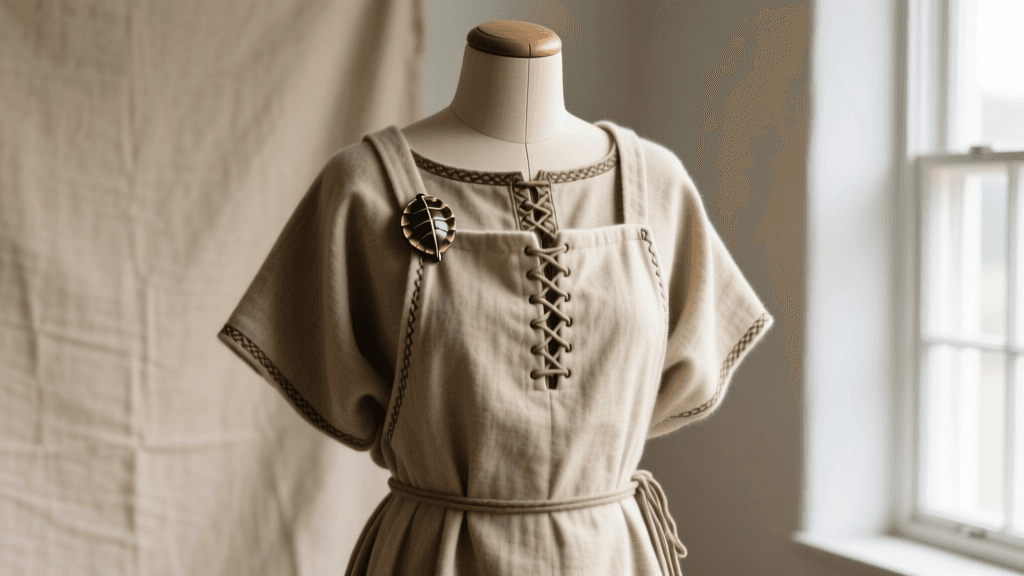
The Viking Smokkr, universally recognized as the apron dress, remains the most iconic and widely debated garment in Norse historical reconstruction. As we navigate the 2026 historical reenactment season, the standards for authenticity have evolved dramatically. Gone are the days of the simplistic, tightly fitted "tube dress" popularized in the late 20th century. Today, garment historians and textile archaeologists emphasize a more nuanced understanding of Norse clothing, driven by recent re-analyses of archaeological textile fragments and advanced 3D modeling of burial sites. For enthusiasts and professional reenactors alike, crafting an authentic Smokkr in 2026 requires a deep appreciation for period-accurate materials, structural geometry, and the socio-cultural significance of the garments worn by women across Scandinavia and the broader Norse diaspora.
According to the National Museum of Denmark, Viking Age clothing was not merely functional; it was a complex visual language that communicated status, regional identity, and marital standing. The Smokkr was typically worn over a long-sleeved linen or wool underdress (the serk) and was suspended by a pair of oval brooches, colloquially known as "tortoise brooches," resting on the collarbones. Understanding this layering system is the foundational step in any accurate 2026 reconstruction project.
Archaeological Foundations: Birka, Hedeby, and Køstrup
To draft an accurate pattern, one must look to the surviving textile fragments. Because wool and linen degrade rapidly in most soil conditions, our knowledge of the Smokkr relies heavily on mineralized textiles preserved in contact with metal grave goods, particularly the bronze and iron oval brooches. Three primary archaeological sites provide the bedrock for modern Smokkr reconstruction:
- Birka (Sweden): The burial grounds of Birka have yielded numerous fragments of wool and linen apron dresses. The presence of tablet-woven braids and imported silks indicates that high-status women adorned their Smokkrs with elaborate trims. The Birka finds suggest a garment constructed from rectangular panels, gathered slightly at the top, and secured with linen or wool loops.
- Hedeby (Germany/Denmark border): The Hedeby harbor and settlement excavations revealed a unique, heavily worn fragment of a wool apron dress. Unlike the rectangular Birka garments, the Hedeby fragment features shaped gores and a distinct seam structure, suggesting a more tailored, form-fitting silhouette that flared at the hips. This has led to the popular "Hedeby-style" gored Smokkr pattern favored by many reenactors in 2026.
- Køstrup (Denmark): The Køstrup find is famous for its vibrant blue diamond-twill wool and a striking tablet-woven band sewn directly across the top edge of the dress. This find provides crucial evidence for the use of vivid natural dyes (likely woad) and the integration of decorative bands as structural reinforcements.
Sourcing Authentic Textiles in 2026
The most critical factor in achieving a museum-quality Smokkr is the fabric. Modern commercial wools often lack the drape, texture, and weave structure of Viking Age textiles. In 2026, the historical textile market has matured, with specialized mills in Norway, Iceland, and the UK producing historically accurate weaves. When sourcing fabric, you must prioritize the following characteristics:
Diamond Twill and Herringbone Weaves
The diamond twill (also known as lozenge twill) is the quintessential Viking Age textile. Its geometric pattern is created by reversing the twill direction at regular intervals. For an authentic Smokkr, look for a medium-to-heavy weight wool (250-350 GSM) woven from worsted or semi-worsted yarns. In 2026, expect to pay between $120 and $250 per yard for authentic, hand-woven or shuttle-loomed diamond twill from heritage mills. Herringbone weaves are also highly appropriate and offer excellent durability for outdoor reenactment events.
Natural Dyes and Color Palettes
While the popular imagination often depicts Vikings in drab browns and grays, archaeological evidence proves that the Norse loved vibrant colors. The Lofotr Viking Museum highlights the extensive use of woad (blue), madder (red), and weld (yellow). For a high-status Smokkr, consider sourcing fabric dyed with madder root for deep reds or woad for rich blues. Undyed sheep wool (ranging from pale cream to dark chocolate brown) remains the most accurate choice for everyday, lower-status garments.
Drafting and Sewing the Smokkr Pattern
Constructing the Smokkr requires a departure from modern tailoring techniques. Viking Age garments were designed to minimize fabric waste, utilizing geometric shapes rather than complex curved seams. Below is a step-by-step guide to drafting the popular gored Hedeby-style Smokkr, which offers excellent freedom of movement and a flattering drape.
Measurements and Cutting
Begin by taking your bust, waist, and hip measurements, as well as the desired length from the armpit to the mid-calf. The Hedeby-style pattern consists of four main pieces: a front panel, a back panel, and two side gores. The front and back panels are slightly tapered at the top to fit the chest, while the side gores are triangular inserts that flare out from the waist to the hem. This geometric approach ensures that the garment hangs beautifully without requiring darts or modern shaping techniques.
Seam Construction and Finishing
Historical accuracy extends to the inside of the garment. All raw edges must be finished to prevent fraying. The most common Viking Age seam is the flat-felled seam, which encloses the raw edges and creates a highly durable, weather-resistant join. For the hem, use a simple whipstitch or a rolled hem secured with wool thread. Avoid using modern cotton or polyester threads; instead, spin your own wool yarn or purchase period-accurate woolen sewing thread from specialized historical suppliers.
Comparison of Key Archaeological Smokkr Finds
Understanding the regional and chronological variations in Smokkr construction is vital for creating a cohesive historical persona. The following table outlines the primary differences between the three most influential archaeological finds:
| Archaeological Site | Primary Material | Construction Style | Distinctive Features |
|---|---|---|---|
| Birka (Sweden) | Wool / Linen | Rectangular Panels | Imported silk trims, silver wire embroidery, simple loop suspension. |
| Hedeby (Germany) | Wool (Twill) | Shaped Gores | Tailored waist, flared skirt, evidence of heavy wear and patching. |
| Køstrup (Denmark) | Diamond Twill Wool | Rectangular with Band | Vibrant woad blue dye, wide tablet-woven band across the top edge. |
Accessorizing: Tortoise Brooches and Bead Assemblages
The Smokkr cannot be considered complete without its defining hardware: the oval brooches. Often referred to as "tortoise brooches" due to their domed, oval shape and intricate knotwork or animal-style decoration, these brooches were cast in bronze, silver, or occasionally gold. In 2026, high-quality museum replica brooches are widely available from specialized metalworkers. When selecting brooches, ensure that the pin mechanism is historically accurate; the single-hinge, catch-plate system is the standard for the Viking Age.
Suspended between the two brooches, or hanging from them in festoons, were strings of glass, amber, and carnelian beads. The bead assemblage was a primary indicator of wealth and trade connections. A high-status reenactor in 2026 might incorporate imported millefiori glass beads alongside native amber, strung on a sturdy linen or wool cord. It is crucial to avoid modern plastic or synthetic beads, as they completely break the historical illusion. Furthermore, tools of the trade—such as iron shears, weaving swords, or needle cases—were frequently suspended from the right-side brooch, highlighting the practical, working nature of the Norse woman's daily life.
Conclusion: Embracing the Norse Textile Legacy
Reconstructing the Viking Smokkr in 2026 is a rewarding journey that bridges the gap between modern craftsmanship and ancient artistry. By prioritizing archaeological evidence, sourcing authentic diamond twill wools, and employing period-accurate flat-felled seams, you create a garment that is not only historically defensible but also deeply connected to the lived experiences of Viking Age women. Whether you are preparing for a major reenactment campaign, attending a heritage festival, or simply expanding your traditional wardrobe, the Smokkr stands as a testament to the ingenuity, beauty, and resilience of European folk dress. As textile research continues to uncover new insights from the bogs and burial mounds of Scandinavia, our understanding of these magnificent garments will only continue to deepen and evolve.