Ukrainian Coral Namysto & Vinok Wreaths: 2026 Buyer Guide
The Renaissance of Eastern European Folk Accessories in 2026
The global appreciation for Eastern European heritage wear has evolved significantly over the past decade. As we move through 2026, the focus within the European folk dress community has shifted away from generic, mass-produced "peasant" costumes toward highly specific, regionally accurate accessories. Among the most coveted and culturally profound pieces are the Ukrainian namysto (traditional multi-strand necklaces) and the vinok (the ceremonial flower wreath). These accessories are not merely decorative; they are complex historical documents that convey marital status, regional identity, and spiritual protection. Whether you are a textile collector, a historical reenactor, or someone looking to incorporate authentic Slavic heritage into your modern wardrobe, understanding the nuances of these pieces is essential for making informed purchases in today's market.
Decoding the Namysto: Coral, Glass, and Amber
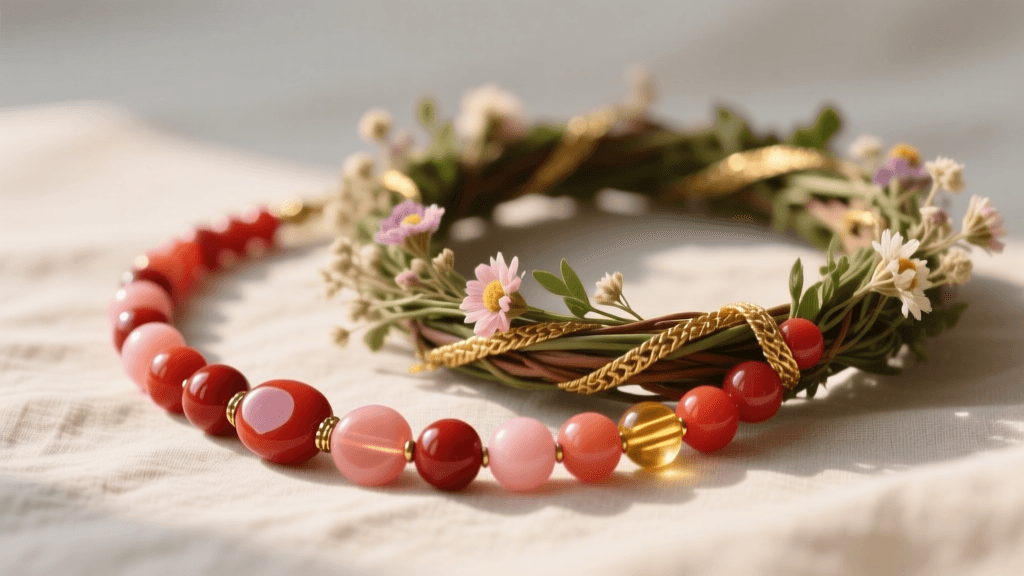
The word namysto broadly translates to "beads" or "necklace," but in the context of traditional Ukrainian dress, it refers specifically to the heavy, multi-strand collars worn tightly around the neck. Historically, the weight, material, and number of strands in a namysto were direct indicators of a family's wealth and the wearer's social standing. According to the extensive ethnographic archives at Ukraїner, a wealthy woman in the 19th century might wear up to 25 strands of heavy coral, while a woman of more modest means might wear a single strand of glass beads or dried berries.
Material Breakdown and the 2026 Market
The most prized material for authentic namysto has always been red coral (Corallium rubrum). Historically imported via Venetian and Ottoman trade routes, red coral was believed to possess powerful protective and healing properties. However, the 2026 market for red coral is heavily regulated due to international CITES conservation agreements protecting Mediterranean coral reefs. As a result, genuine vintage red coral strands (pre-1990s) are highly sought after by collectors and command premium prices. For modern buyers, ethical alternatives have become the standard. High-grade Murano glass, ethically sourced bamboo coral (dyed using traditional methods), and Baltic amber are now the preferred materials for contemporary artisans crafting authentic-style namysto.
The Vinok: Constructing the Traditional Wreath
The vinok is perhaps the most recognizable symbol of Ukrainian folk dress, yet it is frequently misunderstood and poorly replicated in commercial media. The vinok is not simply a crown of random wildflowers; it is a meticulously constructed headpiece with deep pre-Christian roots, later integrated into Christian festivals such as Ivan Kupala. As documented by cultural preservationists at The Ukrainian Museum, the traditional vinok was crafted by young, unmarried women and served as a talisman for protection, fertility, and divination.
Floral Symbolism and Ribbon Mechanics
A true traditional vinok incorporates up to 12 specific flowers and herbs, each carrying distinct symbolic weight. Furthermore, the wreath is anchored by strichky (silk or satin ribbons) that must be measured precisely to touch the wearer's shoulders, protecting the back of the neck from evil spirits. Below is a guide to the core botanical elements used in authentic 2026 reconstructions:
- Oak Leaves: Symbolize strength, endurance, and the development of the mind.
- Cornflowers (Voloshky): Represent simplicity, tenderness, and spiritual purity.
- Chamomile: Brings peace, health, and familial harmony.
- Yarrow: Acts as a protective shield against illness and negative energy.
- Mint: Signifies physical health and the freshness of youth.
- Guelder Rose (Kalyna): A national symbol of beauty, bloodlines, and the homeland.
In 2026, master artisans have moved away from the rigid, plastic floral crowns of the early 2000s, returning to the use of preserved botanicals, high-quality silk florals, and flexible willow or copper wire bases that mold to the wearer's head.
2026 Buyer’s Comparison: Authentic Artisan vs. Mass-Produced
When shopping for European folk dress accessories, the disparity between authentic artisan work and commercial souvenirs is vast. The table below outlines what buyers should expect when comparing these two tiers in the current 2026 market.
| Feature | Authentic Artisan (2026) | Commercial Souvenir |
|---|---|---|
| Namysto Material | Vintage Red Coral, Baltic Amber, Murano Glass | Dyed Plastic, Lightweight Resin |
| Namysto Clasp | Sterling Silver or Brass Barrel Clasps | Glued Lobster Claw Clasps |
| Vinok Base | Wrapped Copper Wire, Natural Willow Vines | Rigid Plastic Headbands |
| Vinok Ribbons | 100% Silk or High-Grade Satin, Hemmed Edges | Raw-Cut Synthetic Nylon |
| Average Price (USD) | $180 - $650+ (Depending on vintage coral) | $15 - $45 |
| Durability | Heirloom Quality, Generational Lifespan | Single-Use, Degrades in Sunlight |
Sourcing Authentic Pieces in 2026
Finding genuine namysto and vinok requires looking beyond standard e-commerce platforms. For vintage coral namysto, specialized antique textile dealers and verified Eastern European estate auctions are your best resources. Historical trade routes and the migration of these items across Europe are well-documented by institutions like The British Museum, which highlights how Baltic amber and Mediterranean coral frequently intersected in Slavic jewelry making. When purchasing vintage coral, always request a UV light test or a professional gemological appraisal to ensure the beads are not dyed bone or glass imitations.
For newly crafted, authentic vinok wreaths and glass namysto, seek out specialized folk-art cooperatives. Many Ukrainian artisans have established international shipping networks through cultural heritage platforms and dedicated folk dress guilds. Expect to pay between $45 and $120 for a custom-measured, silk-ribboned vinok crafted with premium botanical replicas, and between $150 and $300 for a heavy, multi-strand Murano glass namysto set.
Care, Storage, and Maintenance
Proper maintenance is critical to preserving these historical accessories. Coral and amber are highly sensitive organic materials. Never apply perfume, hairspray, or lotions while wearing a coral namysto, as the chemicals will degrade the polish and cause the porous coral to cloud or crack. After wearing, gently wipe the beads with a soft, dry microfiber cloth and store them flat in a velvet-lined box to prevent the heavy strands from stretching the internal silk or cotton threading.
The vinok requires equal care. If your wreath features preserved natural botanicals, it must be kept away from high humidity and direct sunlight to prevent the petals from shattering or fading. The silk strichky (ribbons) should be carefully untangled and stored flat, separated by acid-free tissue paper to prevent dye transfer and permanent creasing. By treating these accessories with the respect they deserve, you ensure that the rich legacy of Eastern European folk dress continues to thrive in the modern era.
Styling Folk Accessories for Modern Wardrobes
While traditionally worn with the full vyshyvanka (embroidered shirt) and plakhta (woven skirt), 2026 fashion trends have seen a beautiful integration of these accessories into contemporary wardrobes. A multi-strand amber or glass namysto pairs strikingly with a minimalist black turtleneck or a tailored linen blazer, allowing the intricate beadwork to serve as a bold statement piece. Similarly, a simplified, herb-based vinok is increasingly popular for outdoor summer weddings and cultural festivals, bridging the gap between ancient agrarian traditions and modern bohemian aesthetics. The key to modern styling is contrast: let the intricate, vibrant history of the accessories stand out against clean, modern silhouettes.