Sardinian Pibiones Weave & Heritage Artisans: 2026 Guide
The Enduring Legacy of Sardinian Folk Dress
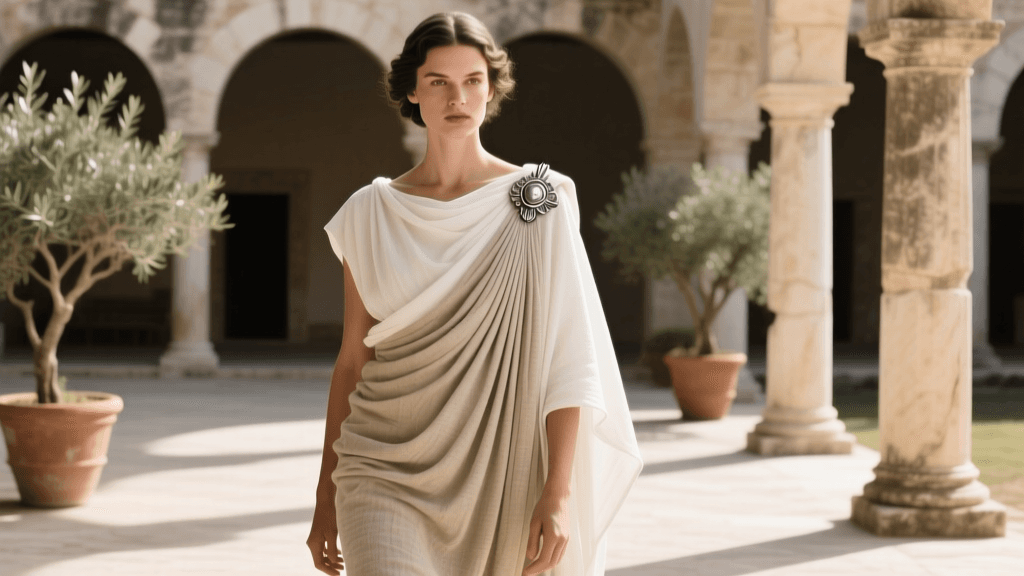
Sardinia, an island steeped in ancient Mediterranean history, possesses one of the most diverse and meticulously preserved traditional wardrobe repertoires in Europe. The abito tradizionale sardo (Sardinian traditional dress) is not a monolith; rather, it is a vibrant mosaic of regional variations, with nearly every village boasting its own distinct silhouette, color palette, and textile technique. As of 2026, the global appreciation for slow fashion and heritage craftsmanship has sparked a major revival in authentic Sardinian garments, moving them from museum archives back into contemporary cultural celebrations and high-end artisanal markets.
For collectors, cultural historians, and sartorial enthusiasts, understanding the foundational textiles of Sardinian folk dress is paramount. The island's heritage brands and weaving cooperatives are currently experiencing a renaissance, blending centuries-old loom techniques with modern ethical business practices. This comprehensive 2026 guide explores the intricate world of Sardinian textiles, focusing on the iconic pibiones weave and rugged orbace wool, while providing actionable advice on sourcing authentic pieces from heritage artisans today.
The Anatomy of the Costume Sardo
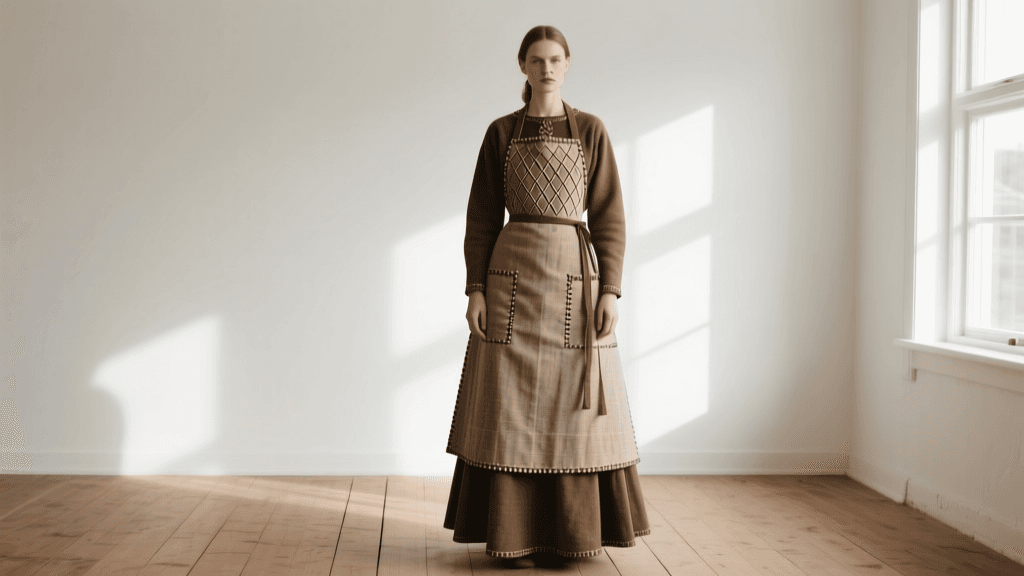
Before diving into the textiles, it is essential to understand the garments they create. The traditional Sardinian wardrobe is heavily stratified, indicating marital status, social class, and village origin. For women, the ensemble often includes the carpita (a pleated skirt), a richly embroidered blouse, and the su muccadore (a finely woven headscarf or shawl). Men’s attire is equally striking, characterized by the ragas (a pleated linen kilt worn over trousers), the berritta (a long, tubular wool cap), and heavy vests crafted from durable, water-resistant wools.
According to the Istituto Superiore Regionale Etnografico (ISRE), the preservation of these garments relies entirely on the survival of the island's indigenous textile practices. Without the raw materials—specifically the hand-spun wools and linen—the structural integrity and historical accuracy of the costume sardo would be lost.
Pibiones and Orbace: The Textile Foundations
The Pibiones Weave
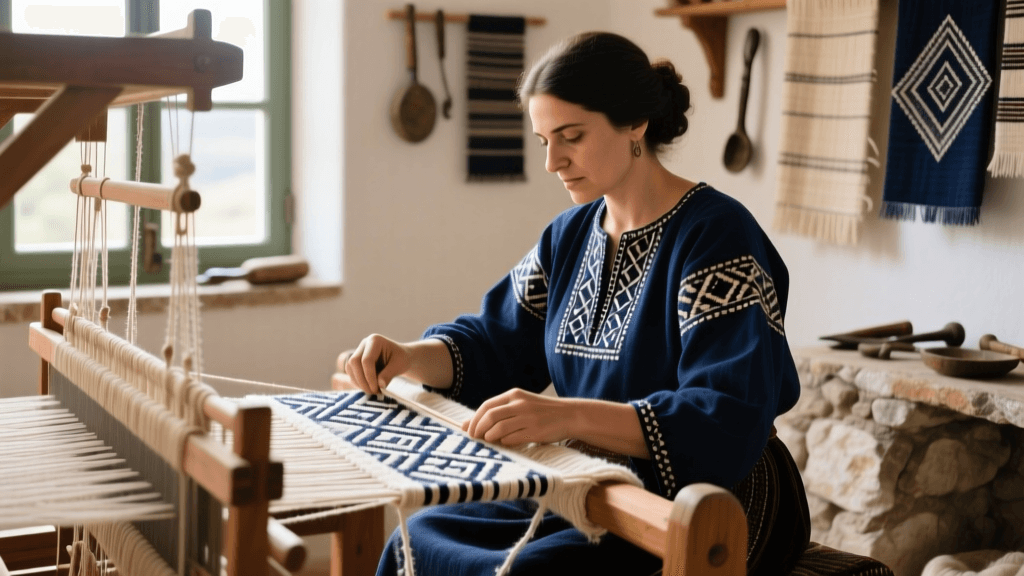
The pibiones (meaning "grains" or "seeds" in the Sardinian language) is perhaps the island's most famous weaving technique. Originating primarily from the central villages of Samugheo and Atzara, this technique involves creating a raised, textured pattern on the surface of the fabric. Weavers achieve this by wrapping the weft thread around a long, smooth rod (traditionally a cane or wooden stick) laid across the warp. When the rod is removed, it leaves behind a series of raised, embossed bumps that form intricate geometric, floral, or zoomorphic motifs.
In 2026, authentic pibiones is still woven on traditional wooden floor looms. The motifs are not merely decorative; they are deeply symbolic. Pomegranates represent fertility, peacocks symbolize immortality, and stylized grapevines denote abundance. Heritage cooperatives in Samugheo continue to use naturally dyed yarns, extracting deep blacks from walnut husks, vibrant yellows from saffron, and rich reds from madder root.
Orbace Wool
While pibiones is prized for its decorative beauty, orbace is the workhorse of Sardinian folk dress. Orbace is a coarse, heavy, and highly water-resistant wool fabric woven from the fleece of indigenous Sardinian sheep. Historically, it was the fabric of the working class and shepherds, used to craft heavy capes (su gabbanu) and men's vests. Today, heritage fashion brands have elevated orbace into a luxury sustainable textile, prized for its incredible durability, thermal regulation, and distinct, earthy texture.
2026 Heritage Artisans and Sourcing Guide
Sourcing genuine Sardinian textiles requires navigating a market flooded with industrial, overseas replicas. In 2026, true heritage artisans operate primarily through regional cooperatives and specialized family-run tessitorie (weaving workshops). When purchasing directly from the Sardegna Turismo Official Portal recommended artisan routes, buyers should expect significant lead times, as a single master weaver may produce only a few meters of complex pibiones per week.
Below is a breakdown of what to expect when commissioning or purchasing authentic Sardinian heritage textiles in the current 2026 market:
- Samugheo Weaving Cooperatives: Best for large-scale pibiones bedspreads (sa coperta) and ceremonial shawls. Expect prices to range from €1,200 to €3,500 depending on the complexity of the motif and the use of natural dyes. Lead times are typically 4 to 6 months.
- Orbace Sartorias in Nuoro: For bespoke orbace jackets and traditional vests, specialized tailors in the Nuoro province charge between €800 and €1,500 for fully hand-finished garments. The wool is often sourced directly from local pastoral consortiums.
- Isili and Busachi Artisans: Known for finer linen-cotton blends and intricate lacework (sa tela) used in blouses and headscarves. Prices for a fully embroidered su muccadore start at €450.
Comparison Chart: Authentic Hand-Loomed vs. Industrial Replicas
To protect your investment and support the local economy, it is crucial to distinguish between genuine heritage pieces and mass-produced imitations. Use this 2026 buyer's comparison chart to verify your purchases.
| Feature | Authentic Hand-Loomed (Heritage) | Industrial / Mass-Produced Replica |
|---|---|---|
| Pibiones Texture | Raised bumps are structural, formed by wrapping thread around a rod. The reverse side shows distinct, manual tie-offs. | Texture is flat or simulated via jacquard machinery. The reverse side looks uniform and machine-stitched. |
| Material & Scent | 100% indigenous Sardinian wool or linen. Often retains a faint, natural lanolin or earthy scent. | Blended synthetics (acrylic/polyester). Odorless or carries a chemical factory scent. |
| Motif Symmetry | Slight, organic variations in pattern alignment, proving human execution on a manual loom. | Mathematically perfect, laser-precise symmetry across the entire yardage. |
| Price per Meter (2026) | €250 – €600+ (depending on thread count and natural dyes). | €30 – €80. |
| Certification | Often accompanied by an ISRE or regional artisan guild certificate of authenticity. | Generic "Made in Italy" or "Designed in Italy" tags, often manufactured abroad. |
How to Authenticate and Source Responsibly
When shopping for Sardinian folk dress elements or home textiles in 2026, always look for the Marchio Collettivo di Qualità (Collective Quality Mark) issued by regional artisan chambers of commerce. The Official Italian Tourism Board (ENIT) heavily promotes certified artisan routes, ensuring that tourists and international buyers are directed to legitimate workshops rather than souvenir shops selling imported goods.
If you are visiting Sardinia, schedule a workshop tour in Samugheo during the Festival del Tessuto (Textile Festival), usually held in late summer. This allows you to meet the weavers, observe the loom dressing process, and commission bespoke pieces directly. For international buyers, reputable heritage platforms and direct-to-consumer cooperative websites now offer secure global shipping, complete with digital provenance certificates detailing the weaver's name, the village, and the specific natural dyes used.
Caring for Heritage Orbace and Pibiones
Investing in Sardinian heritage textiles requires proper maintenance to ensure they last for generations. Orbace wool is naturally rich in lanolin, making it highly water-resistant and naturally antibacterial. Never dry clean authentic orbace, as harsh chemicals will strip the lanolin and ruin the fabric's structural integrity. Instead, spot clean with cold water and a mild, pH-neutral wool soap. Air the garment outside in a shaded, breezy area to naturally eliminate odors.
For pibiones bedspreads and shawls, avoid hanging them by their edges, as the heavy, raised weave can cause the warp threads to stretch and distort over time. Store them flat, folded with acid-free tissue paper, in a cool, dry environment. If ironing is necessary, use a steam setting on the reverse side of the fabric, placing a damp cotton cloth between the iron and the textile to prevent crushing the iconic raised "grains."
Conclusion
The traditional garments and textiles of Sardinia represent a profound connection to the island's rugged landscape and resilient culture. In 2026, supporting heritage brands and weaving cooperatives is not merely an act of sartorial appreciation; it is a vital contribution to the survival of European intangible cultural heritage. Whether you are acquiring a heavy orbace vest for its unparalleled durability or commissioning a pibiones shawl for its breathtaking artistry, you are participating in a centuries-old narrative woven thread by thread on the wooden looms of Sardinia.