2026 Guide to Viking Smokkr and Celtic Léine Dress

The 2026 Revival of Northern European Folk Dress
The year 2026 marks a watershed moment for historical textile reconstruction and European folk dress enthusiasts. With the highly anticipated phased openings of the new Museum of the Viking Age in Oslo and updated archaeological textile guidelines published across Scandinavia, the demand for uncompromising historical accuracy in garment making has never been higher. Modern reenactors, folk dress preservationists, and historical tailors are moving away from the fantasy-inspired costumes of the early 2000s, focusing instead on meticulous, evidence-based reconstructions of everyday wear from the Celtic and Nordic worlds. This comprehensive guide explores the construction, textile sourcing, and cultural context of two foundational garments of Northern Europe: the Viking Age smokkr (apron dress) and the early medieval Celtic léine.
The Viking Smokkr: Apron Dress Construction and Textiles
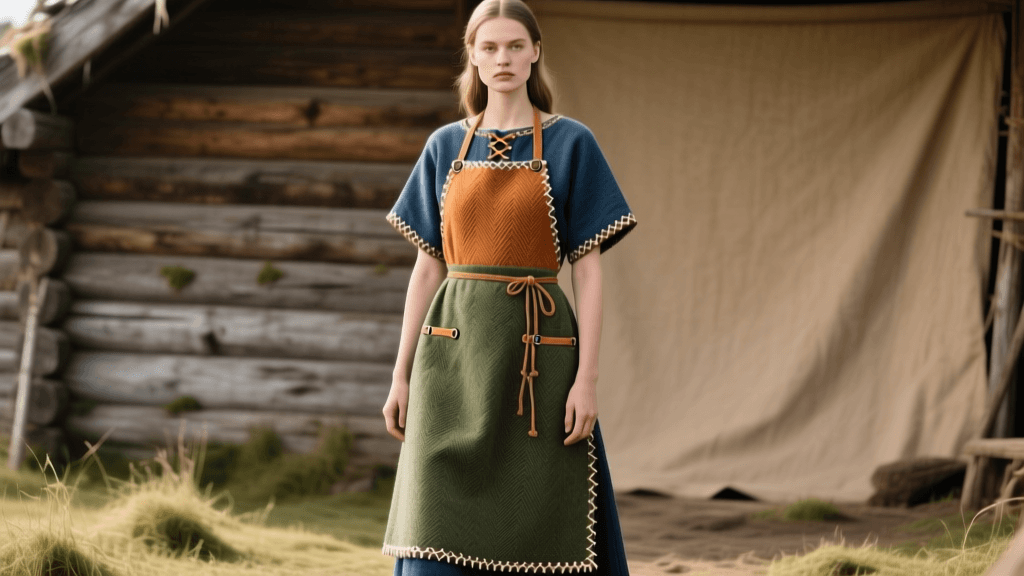
The smokkr, often referred to as the Viking apron dress, is arguably the most iconic garment of the Norse woman's wardrobe. Worn over a linen or wool underdress (serk), the smokkr was suspended by shoulder straps and fastened with a pair of oval tortoise brooches. According to the National Museum of Denmark, archaeological evidence from sites like Hedeby and Køstrup provides crucial insights into the tailoring techniques of the era, revealing a garment that was both highly functional and deeply symbolic of social status.
The Great Construction Debate: Tubular vs. Wrapped
For decades, historical tailors debated whether the smokkr was a closed, tubular garment or an open, wrapped blanket-style dress. As of 2026, the prevailing consensus among textile archaeologists leans heavily toward the closed, tubular construction for most regions, particularly in Denmark and Sweden. The tubular design, often featuring tailored gores (triangular fabric inserts) at the sides, allowed for freedom of movement while conserving precious handwoven wool. To draft an authentic 2026 pattern, tailors should measure the wearer's bust and hips, adding a minimum of 15 centimeters of ease, and incorporate four to six gores to create the characteristic flared silhouette that drapes elegantly over the underdress.
Sourcing Authentic Wadmal and Diamond Twill
The textile used for a high-status smokkr was often a finely woven diamond twill wool, while everyday garments utilized wadmal (vaðmál), a coarse, heavily fulled woolen cloth that was so valuable it was used as currency in the Norse world. In 2026, sourcing authentic wadmal requires connecting with specialized heritage weaving cooperatives in Norway and Iceland. Look for wool sourced from Spælsau or Gotland sheep breeds, which possess the long, lustrous outer coat and soft undercoat necessary to replicate the dual-ply yarns found in Viking Age graves. A genuine handwoven diamond twill will typically feature a thread count of 10 to 14 threads per centimeter in the warp and weft, creating a dense, water-resistant fabric ideal for the harsh Nordic climate.
Natural Dyes: Madder, Woad, and Weld
Color was a potent indicator of wealth in Viking society. While the poor wore undyed brown, grey, or black wool, the elite adorned their smokkrs in vibrant reds and blues. Madder root (Rubia tinctorum) was imported from the south to produce rich reds, while woad (Isatis tinctoria) provided deep, colorfast blues. When dyeing your own textiles in 2026, avoid synthetic mordants. Instead, use traditional clubmoss (Lycopodium) or aluminum-rich wood ash as a mordant to ensure the colors remain vibrant and historically accurate. Always dye the yarn before weaving or, if purchasing pre-woven fabric, ensure the dyer uses traditional vat-dyeing techniques for woad to achieve the characteristic indigo-blue hue.
The Celtic Léine: Tunic Crafting and Saffron Dyeing
Shifting focus to the Celtic and Gaelic traditions of Ireland and Scotland, we encounter the léine (pronounced 'lay-na'). Often mistakenly conflated with the modern kilt by pop culture, the léine is a voluminous, saffron-dyed linen tunic that served as the primary garment for both men and women in early medieval and late medieval Gaelic society. The University College Cork's Celtic Digital Initiative houses numerous translated annals and poetic texts that frequently reference the flowing, brightly colored léine, cementing its status as a cornerstone of Celtic folk dress long before the advent of the tailored féileadh mòr (great kilt) in the 16th century.
Linen Weights and the Art of Pleating
The defining characteristic of the léine is its immense volume. Historical accounts and Tudor-era woodcuts depict the léine as a garment so heavily pleated that it could require anywhere from 20 to 40 yards of linen. For a modern, practical reconstruction in 2026, tailors typically use 15 to 20 yards of medium-to-heavyweight linen (approximately 200 to 250 grams per square meter). The fabric is tightly pleated at the shoulders and waist, creating a cascading effect that provides both insulation and a striking visual presence. The sleeves of the léine are notoriously wide and baggy, often hanging down past the wrists, a design feature that allowed for ease of movement and could be tied back during labor or combat.
Achieving Authentic Saffron and Weld Yellow Dyes
The most famous iteration of this garment is the léine croich, or saffron shirt. True saffron (Crocus sativus) was astronomically expensive, imported through complex trade routes from the Mediterranean and the Middle East. Consequently, only the highest echelons of Gaelic nobility could afford genuine saffron dye, which yields a brilliant, golden-yellow hue with a distinct earthy aroma. For the vast majority of the population, native plants like weld (Reseda luteola) or dyer's broom (Genista tinctoria) were used to achieve similar yellow tones. When sourcing dyes in 2026, be wary of suppliers selling 'safflower' (Carthamus tinctorius) as a saffron substitute; while safflower produces a lovely yellow, it lacks the historical prestige and colorfastness of true saffron or weld.
2026 Textile Sourcing and Cost Comparison
Building an authentic wardrobe requires a significant investment in heritage materials. The global supply chain for historical textiles has matured considerably by 2026, with several dedicated mills offering period-accurate weaves. Below is a comparative guide to help you budget and source materials for your smokkr and léine projects.
| Textile Type | Historical Equivalent | 2026 Market Price (USD/m) | Recommended Supplier Region |
|---|---|---|---|
| Diamond Twill Wool | High-Status Norse Twill | $85 - $120 | Sweden, Norway |
| Handwoven Wadmal | Everyday Vaðmál | $60 - $90 | Iceland, Faroe Islands |
| Heavyweight Linen (250gsm) | Celtic Léine Base | $35 - $55 | Lithuania, Ireland |
| Saffron-Dyed Silk Trim | Noble Gaelic Embroidery | $150 - $200 | United Kingdom, Spain |
| Nalbinded Wool Mittens | Viking Age Winter Gear | $45 - $75 (per pair) | Finland, Estonia |
When purchasing from European cooperatives, always factor in the 2026 updated customs regulations and carbon-neutral shipping surcharges, which have become standard for heritage textile exports. Requesting a swatch before committing to a bulk order is highly recommended to verify the thread count and drape of the fabric.
Essential Tools for the Modern Historical Tailor
To truly honor the craftsmanship of the past, the tools used in construction should reflect the era as closely as possible. While modern steel shears are practical for rough cutting, the final assembly and finishing touches benefit from historical implements.
- Bone and Antler Needles: Essential for sewing through thick wadmal without tearing the fibers. Modern reproductions made from ethically sourced deer antler are widely available from artisan blacksmiths and bone carvers.
- Soapstone Loom Weights: If you are taking the plunge into weaving your own diamond twill, carved soapstone weights provide the perfect tension and are historically accurate for the Viking Age warp-weighted loom.
- Flax Processing Scutching Knives: For those growing and processing their own flax for the Celtic léine, traditional wooden scutching knives and hackles are vital for separating the bast fibers from the woody core.
- Beeswax Thread Conditioner: Rubbing your linen or wool thread with pure, unbleached beeswax reduces friction and prevents fraying, a technique used by tailors for millennia.
Preserving the Legacy of European Folk Dress
As we navigate through 2026, the intersection of archaeological discovery and artisanal craftsmanship continues to elevate the standard of European folk dress reconstruction. Whether you are meticulously pleating the saffron-dyed linen of a Celtic léine or fastening the diamond twill of a Viking smokkr with cast bronze brooches, you are participating in a living tradition. By prioritizing authentic textiles, natural dyes, and evidence-based pattern drafting, modern makers ensure that the sartorial heritage of the Celtic and Nordic worlds is preserved not just in museum glass, but in the vibrant, breathing reality of the present day.