Norwegian Bunad Silver Jewelry & Crowns: 2026 Guide
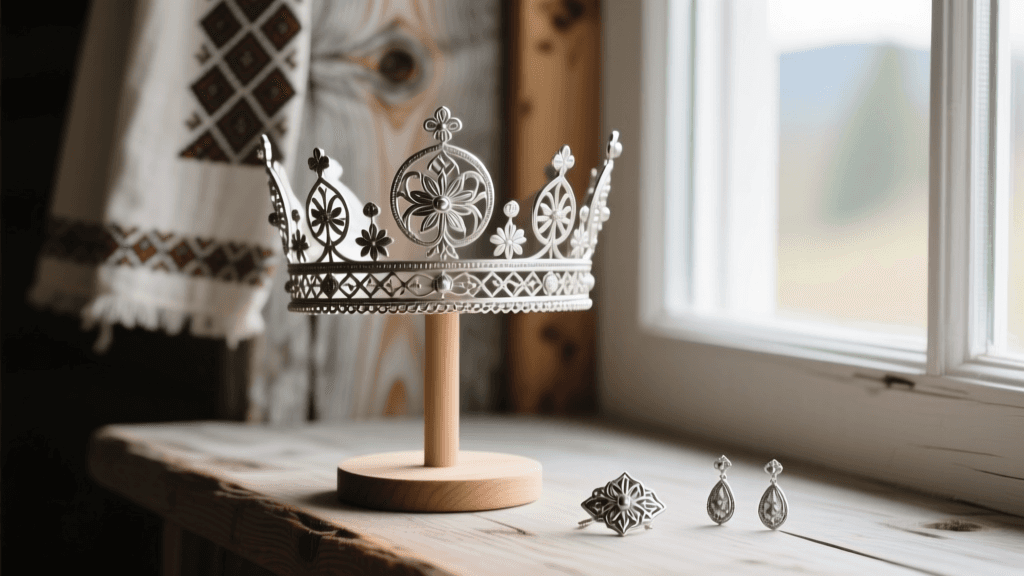
When discussing the pinnacle of European folk dress accessories, few traditions command as much reverence, artistry, and financial investment as Norwegian bunadsølv (bunad silver) and the magnificent brudekrone (bridal crowns). As we navigate the cultural revivals of 2026, the demand for authentic, region-specific folk jewelry has surged, driven by a renewed interest in sustainable heritage craftsmanship and Slow Fashion. Whether you are assembling a traditional Hardanger bunad, styling a contemporary Telemark ensemble, or simply researching European metalwork, understanding the nuances of these accessories is essential.
The Enduring Legacy of Norwegian Bunad Silver
Historically, silver in Norway was not merely decorative; it was a portable bank account, a display of social standing, and a powerful talisman. In rural agrarian societies, wealth was stored in the form of intricately crafted silver brooches, belt buckles, and crowns. These pieces were passed down through generations, often modified or added to with each new marriage or birth. According to the Norwegian Museum of Cultural History, silver was also deeply intertwined with local folklore. The bright sheen and the chiming sounds of the dangling silver leaves were believed to ward off evil spirits and the huldrefolk (hidden people) of the forests and mountains.
Today, the tradition is meticulously preserved. The Norwegian Council for Folk Costumes (Rådet for folkedrakt) works tirelessly to ensure that modern reproductions adhere strictly to historical patterns and regional variations. In 2026, the market for bunad silver is defined by a blend of centuries-old techniques—such as filigree, granulation, and hand-engraving—and modern ethical sourcing standards.
Essential Bunad Silver Pieces for 2026
A complete bunad is incomplete without its corresponding silver. The specific pieces required depend entirely on the region the bunad represents, but several core elements are ubiquitous across Norwegian folk dress.
The Søljebrosje (Silver Brooch)
The sølje is the most iconic piece of Norwegian folk jewelry. Worn at the collar or the chest, these brooches are masterclasses in metallurgy. The most famous variant is the rosesølje (rose brooch), characterized by its symmetrical, floral-inspired filigree work. Dangling from the main body of the brooch are small, spoon-shaped or leaf-shaped pendants known as løv (leaves). When the wearer moves, these leaves create a distinct, soft chiming sound. In 2026, master silversmiths are seeing a massive resurgence in commission requests for bespoke rosesøljer that perfectly match the specific thread colors of regional embroidery.
Halsknapp and Maljeringer
The halsknapp (neck button) is used to fasten the collar of the bunad shirt. Often featuring a single, polished agate or glass stone surrounded by silver wire, it is a subtle but vital accessory. Meanwhile, maljeringer are the cufflinks used to secure the wrists of the shirt. These are typically connected by a short silver chain and feature matching motifs to the main brooch, ensuring visual harmony across the entire garment.
Beltestøler (Belt Buckles and Fittings)
For bunads that feature a woven or leather belt, the silver fittings—known as beltestøler—are substantial and heavy. In regions like Voss and Telemark, the belt buckle is often a massive, ornate piece of cast and engraved silver, sometimes weighing over 200 grams. These pieces serve as the visual anchor of the entire outfit.
The Brudekrone: Norway's Traditional Bridal Crown
No discussion of European folk headwear is complete without the Norwegian brudekrone (bridal crown). Unlike the delicate floral wreaths (vinok) of Eastern Europe or the linen coifs of the British Isles, the Norwegian bridal crown is a towering, majestic structure of silver, brass, or gilded copper, often adorned with glass stones, pearls, and intricate filigree.
Regional Variations and 2026 Sourcing
The design of the brudekrone is strictly regional. The Vossakrona is famous for its wide, halo-like shape and heavy use of dangling silver ornaments, while the Telemarkskrona tends to be taller, more tower-like, and heavily embellished with red and green glass stones. Historically, these crowns were owned by the wealthiest farming families and rented out to brides in the parish.
In 2026, this rental tradition continues, though many families are now investing in purchasing heirloom-quality crowns from master artisans. The waitlist for a custom-forged Voss crown from a certified traditional silversmith can currently stretch up to fourteen months. Brides are increasingly turning to specialized heritage boutiques in Oslo and Bergen, which offer authenticated antique crowns that have been carefully restored using period-accurate metallurgical techniques.
2026 Pricing, Sourcing, and Hallmarks
Investing in bunad silver requires a solid understanding of the current market. Norwegian silver is traditionally crafted in 830 silver (83% pure silver), which is slightly more durable than the 925 sterling silver standard used in much of the rest of the world. However, 925 sterling is also widely accepted and used by modern jewelers. When sourcing pieces, always look for the official Norwegian control marks, which guarantee the purity of the metal and identify the maker.
| Accessory Type | Regional Origin | 2026 Avg. Price (USD) | Silver Purity Standard |
|---|---|---|---|
| Rosesølje (Large Chest Brooch) | Telemark / Hardanger | $450 - $950 | 830 or 925 |
| Halsknapp (Neck Button) | Universal | $80 - $150 | 830 or 925 |
| Beltestøl (Belt Buckle) | Voss / Sogn | $600 - $1,400 | 830 |
| Brudekrone (Bridal Crown) | Regional Specific | $3,500 - $12,000+ | Mixed Metals / Silver |
According to market analyses from the National Museum of Norway, the preservation of historical metalwork has led to a premium on antique pieces with verifiable provenance. Collectors in 2026 are willing to pay a 30% premium for 19th-century pieces that retain their original oxidation and maker's marks, as opposed to modern replicas.
Caring for Oxidized and Polished Silver
Proper maintenance of bunad silver is critical, particularly because many traditional designs rely on intentional oxidation (darkening) to highlight the intricate filigree and engraved patterns. A common mistake made by newcomers is using harsh chemical silver dips, which strip away this oxidation and leave the piece looking flat and historically inaccurate.
- Polishing: Use a soft, untreated microfiber cloth to gently buff only the raised, high-polish areas of the silver. Avoid rubbing the recessed areas where the dark oxidation sits.
- Storage: Store your silver in anti-tarnish flannel bags. Avoid airtight plastic containers, as trapped moisture can cause unpredictable spotting on 830 silver.
- The Chalk Trick: To slow down tarnishing in your jewelry box, place a piece of standard blackboard chalk in the drawer. The chalk absorbs ambient moisture, keeping the silver bright for months longer.
- Professional Cleaning: For antique bridal crowns or heavily soiled belt buckles, take them to a certified silversmith who understands historical folk dress. They will use specialized ultrasonic techniques that preserve the structural integrity of fragile løv (leaves) and glass settings.
Conclusion
Norwegian bunad silver and bridal crowns represent a living, breathing segment of European folk dress. They are not museum relics, but active participants in modern cultural celebrations, weddings, and national holidays. By understanding the regional distinctions, respecting the metallurgical standards, and investing in ethical, artisan-crafted pieces, you ensure that this dazzling heritage continues to shine brightly through 2026 and beyond. Whether you are fastening a simple neck button or placing a towering silver crown upon your head, you are wearing centuries of history, artistry, and cultural pride.