A Comprehensive Guide to Traditional African Clothing: Styles, History & Cultural Significance
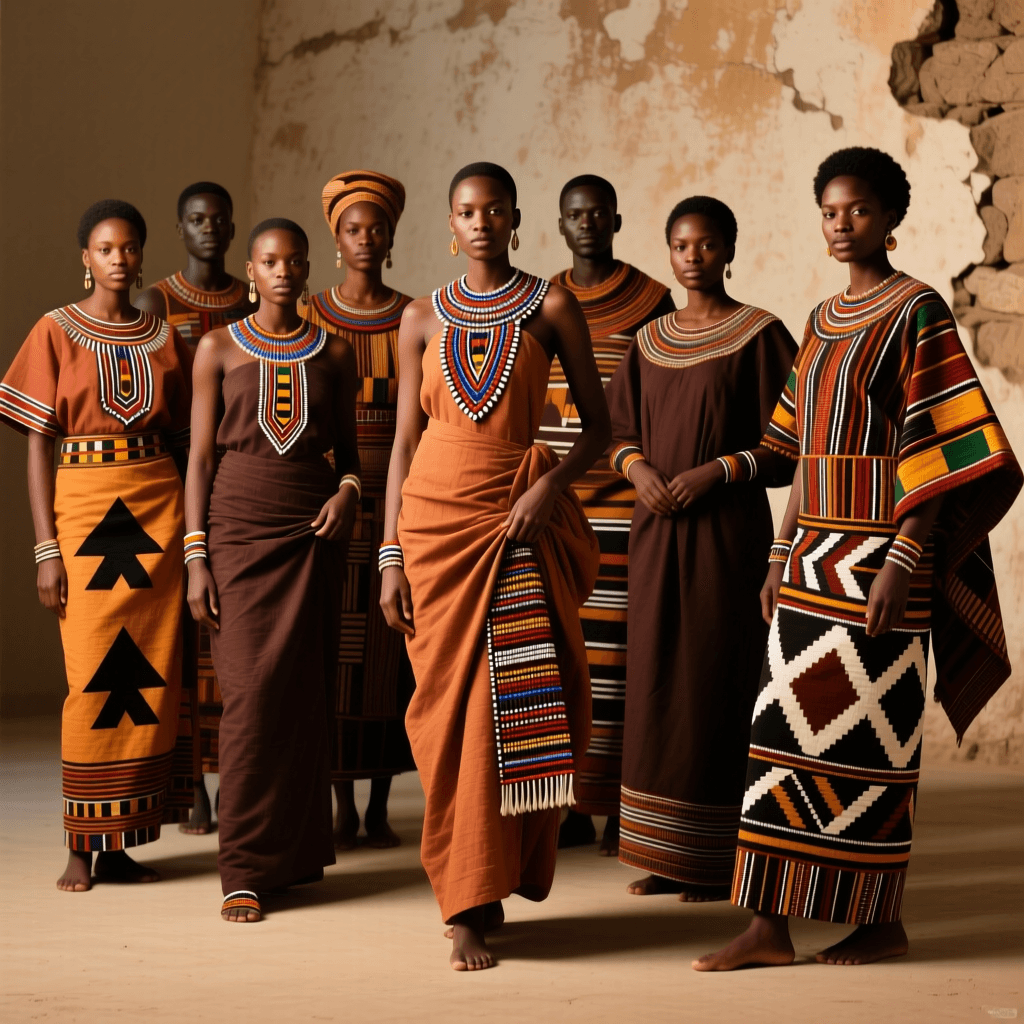
The African continent is a vast, vibrant tapestry of cultures, languages, and histories, home to thousands of distinct ethnic groups. Across this immense landmass, clothing has never been merely a functional necessity for protection against the elements. Instead, traditional African clothing serves as a profound visual language, a marker of identity, and a canvas for artistic expression. From the intricate strip-woven textiles of West Africa to the vivid, bead-adorned garments of the East, every stitch, color, and pattern tells a story. In this comprehensive guide, we explore the diverse types of traditional African clothing, delving into their historical origins, regional variations, and the deep cultural significance they hold within their communities.
The Historical Origins & Evolution of African Garments
To understand the myriad types of traditional African clothing, one must first look back at the historical origins of textile production on the continent. Long before the arrival of global trade routes, indigenous African communities were master weavers, dyers, and tailors. Ancient civilizations, such as those along the Nile Valley, cultivated flax to produce fine linens, while other regions utilized raffia palm, barkcloth, and animal hides. The development of the cotton loom revolutionized garment creation, allowing for the production of breathable, durable fabrics suited to diverse climates.
As trans-Saharan and Indian Ocean trade routes expanded, African textiles began to incorporate new materials. Silk from Asia, cotton from the Middle East, and eventually synthetic threads and glass beads from Europe were integrated into local designs. However, rather than simply adopting foreign styles, African artisans adapted these materials to fit their own aesthetic and cultural paradigms. The evolution of traditional African clothing is a testament to the continent's ingenuity, showcasing a continuous dialogue between indigenous innovation and global exchange. For a deeper dive into specific regional textile histories, our archive on West African textile heritage offers a fascinating look at how trade shaped local looms.
Regional Variations: Iconic Types of Traditional African Clothing
Africa's sheer geographic size ensures that traditional dress varies wildly from one region to the next. Climate, available resources, and spiritual beliefs all dictate the silhouettes and materials used in garment creation. Below, we break down the iconic garments by region.
West Africa: Flowing Silhouettes & Intricate Weaves
West Africa is globally renowned for its voluminous, flowing garments and highly complex weaving traditions. The Agbada (or Babban Riga) is a striking, wide-sleeved robe worn by men across Nigeria, Senegal, and neighboring countries. Often heavily embroidered around the neckline and chest, the Agbada is a symbol of prestige, wealth, and authority, typically worn over a matching tunic and trousers. Similarly, the Boubou (or Grand Boubou) is a flowing, ankle-length robe worn by both men and women in Senegal, Mali, and Guinea, prized for its elegance and comfort in the Sahelian heat.
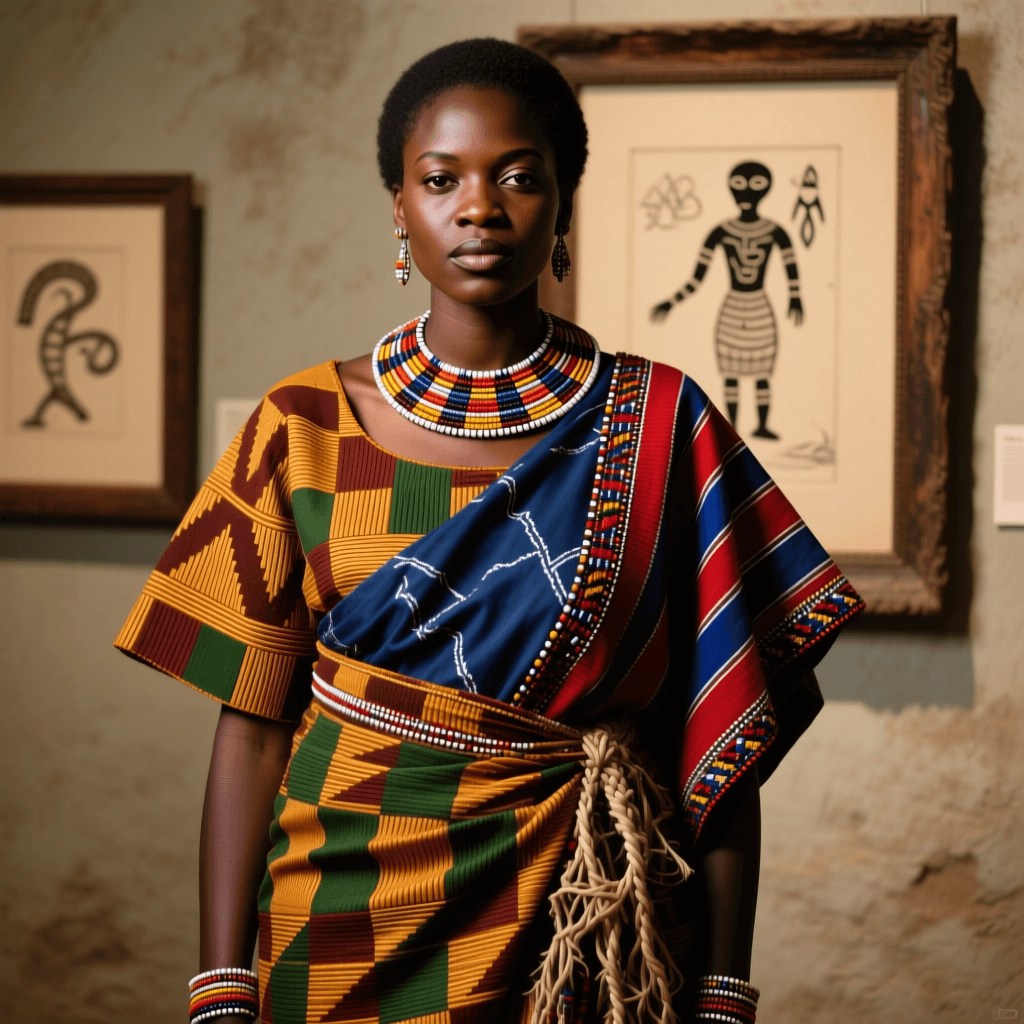
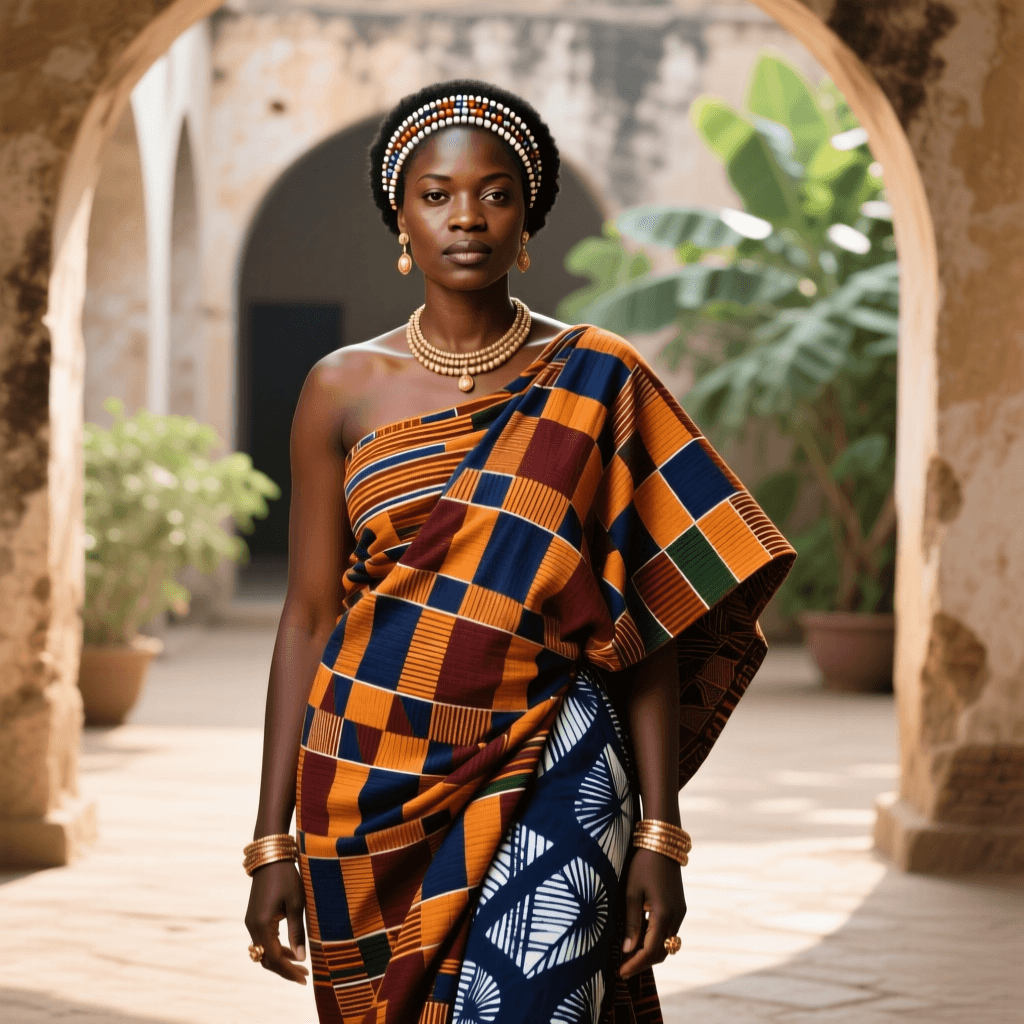
Perhaps the most internationally recognized West African textile is Kente, originating from the Ashanti and Ewe peoples of Ghana. Kente is woven in narrow strips on horizontal treadle looms, which are then sewn together to create large, vibrant cloths. To learn more about the royal history and complex motifs of this textile, read our dedicated guide on the history of Kente cloth. Additionally, the Dashiki, a colorful, loose-fitting pullover shirt with intricate V-neck embroidery, originated in West Africa and has become a global symbol of Pan-African pride.
East Africa: Vibrant Prints & Pastoral Traditions
In East Africa, the clothing reflects a blend of indigenous pastoralist traditions and centuries of coastal trade. The Kanga is a staple of the Swahili coast, particularly in Kenya and Tanzania. This rectangular piece of printed cotton fabric features a bold border and, crucially, a printed Swahili proverb or riddle in the center. Women wear Kangas wrapped around the waist or chest, using the proverbs to silently communicate messages, warnings, or affections to their community. The Kitenge is a similar, though often thicker and more elaborately patterned fabric, used for tailored dresses, skirts, and headwraps.
Inland, the pastoralist Maasai people are instantly recognizable by their Shuka. This thick, woven blanket, traditionally featuring striking red and blue or black plaid patterns, is wrapped around the body to protect against the harsh savanna terrain and weather. The red color is culturally significant, believed to protect the wearer and camouflage them against the wild lions of the region.
North Africa: Modesty, Climate & Amazigh Heritage
North African traditional clothing is heavily influenced by the Islamic principles of modesty, the arid desert climate, and the rich indigenous Amazigh (Berber) heritage. The Djellaba is a long, loose-fitting outer robe with full sleeves, worn by both men and women across the Maghreb. It often features a large, pointed hood called a qob, which serves to protect the wearer from the scorching sun and blowing desert sand. For formal occasions, women may wear a highly ornate Kaftan, a long, flowing tunic made of silk, brocade, or velvet, heavily embellished with gold or silver metallic thread embroidery.
Historically, women in rural and mountainous regions of Morocco and Algeria wore the Haik, a large, rectangular white cloth wrapped around the body and head, securing modesty while navigating public spaces. The draping of the Haik requires immense skill and varies subtly from village to village, acting as a geographic identifier.
Southern Africa: Blankets, Beadwork & Structural Elegance
Southern African traditional dress is characterized by its structural elegance and profound use of beadwork and woven blankets. In Lesotho and parts of South Africa, the Basotho Blanket is a national icon. Originally introduced via European trade, the Sotho people adopted and transformed these thick, woolen, pin-striped blankets into a deeply cultural garment. Worn draped over the shoulders, the specific patterns and colors of a Basotho blanket denote the wearer's age, marital status, and social standing.
Among the Zulu people, the Isicholo is a spectacular, flared, cone-shaped hat traditionally worn by married women. Originally crafted from grass and human hair, modern iterations are woven from synthetic fibers and adorned with beads. Furthermore, the intricate Zulu and Xhosa beadwork is not merely decorative; it functions as a complex code. The colors and geometric patterns of beaded aprons, necklaces, and bracelets communicate the wearer's age, marital availability, and emotional state. For more on structural headwear, explore our guide to traditional headwraps around the world.
Defining Characteristics & Masterful Textile Techniques
The true magic of traditional African clothing lies in the masterful textile techniques used to create the fabrics. These methods are often passed down through generations, requiring years of apprenticeship to master.
Adire is a spectacular resist-dyeing technique practiced by the Yoruba people of Nigeria. Using cassava paste or tightly tied raffia, artisans create intricate patterns on cotton cloth before submerging it in deep indigo vats. The resulting blue-and-white textiles are breathtaking. You can explore the chemistry and history behind these vats in our article on indigo dyeing techniques.
In Mali, the Bamana people create Bogolanfini, universally known as Mudcloth. This labor-intensive process involves weaving narrow strips of cotton, dyeing them with yellow plant extracts, and then meticulously painting geometric designs using fermented, iron-rich river mud. The chemical reaction between the mud and the plant dyes creates a permanent, striking black pattern that is deeply tied to local mythology and spiritual protection.
Beadwork is another defining characteristic, particularly in East and Southern Africa. Glass beads, introduced via trade, were rapidly adopted and integrated into local aesthetics. The Maasai and Ndebele peoples use beadwork to create stiff, structural collars, aprons, and jewelry that serve as vital markers of social identity and rites of passage.
Ceremonial Occasions & The Language of Dress
Traditional African clothing is intrinsically linked to the milestones of human life. Garments are specifically chosen, and often custom-made, for births, coming-of-age ceremonies, weddings, and funerals. In many cultures, the transition from childhood to adulthood is marked by the gifting of specific garments or beadwork that the individual was previously forbidden to wear.
Weddings are particularly grand displays of sartorial wealth and cultural pride. In Nigeria, the concept of Aso Ebi (family cloth) is a cornerstone of Yoruba wedding ceremonies. The families of the bride and groom select a specific fabric, color, and lace pattern, which is then distributed to all extended family members and close friends. This creates a visual sea of unity and solidarity during the celebration, distinguishing the inner circle from general guests.
Funerals, too, have strict dress codes. Among the Ashanti of Ghana, mourners traditionally wear deep red, brown, or black Adinkra cloth, stamped with symbols that reflect on the transience of life and the enduring nature of the soul. Conversely, in some cultures, white is the color of mourning, representing the purity of the spirit as it transitions to the ancestral realm.
The Profound Cultural Significance of African Attire
Beyond aesthetics, traditional African clothing is a repository of philosophy, history, and social order. Color symbolism is paramount. In Kente cloth, gold represents royalty, wealth, and spiritual purity; green signifies vegetation, planting, and spiritual growth; red denotes political passion, bloodshed, and sacrifice; and black represents maturation, spiritual energy, and connection to the ancestors.
Motifs and patterns also carry heavy semantic weight. The Adinkra symbols of Ghana, stamped onto cloth, represent complex philosophical concepts. For example, the 'Gye Nyame' symbol, meaning 'except for God,' signifies the omnipotence and supremacy of the divine. Similarly, the geometric patterns in Berber weaving often serve as talismans, designed to ward off the evil eye and protect the wearer from spiritual harm.
Clothing also dictates social hierarchy. In pre-colonial societies, sumptuary laws often dictated who could wear certain fabrics or colors. Royalty and chiefs were exclusively permitted to wear specific rare silks, leopard skins, or heavily embroidered robes, instantly communicating their divine right to rule to anyone in their presence. Today, while these strict laws have relaxed, the wearing of highly expensive, hand-woven textiles remains a powerful indicator of social capital and community respect.
Frequently Asked Questions
What is the most common fabric used in traditional African clothing?
Historically, the most common indigenous fabrics were woven cotton, raffia palm fiber, and barkcloth. Cotton remains the undisputed king of African textiles due to its breathability in hot climates and its ability to absorb rich, natural dyes like indigo. In pastoral regions, animal hides and leather were also heavily utilized, treated and softened using indigenous tanning methods. Today, while factory-produced cotton and synthetic blends are common for everyday wear, hand-woven cotton and silk remain the standard for ceremonial and high-status garments.
How has traditional African clothing influenced global fashion?
The influence of traditional African clothing on global fashion is immense and enduring. The vibrant, wax-printed fabrics (which themselves have a complex, multi-continental history involving Indonesian batik, Dutch manufacturing, and West African markets) have been adopted by major international fashion houses. Silhouettes like the flowing Boubou and the structured Dashiki have inspired modern resort wear and streetwear alike. Furthermore, the bold use of color blocking, intricate beadwork, and geometric patterning seen in Maasai and Ndebele dress frequently appear on global runways. However, this influence also sparks ongoing conversations about cultural appreciation versus appropriation, emphasizing the need for designers to credit and collaborate with indigenous artisans.
What do the colors in Kente cloth represent?
Kente cloth is deeply symbolic, and every color woven into the warp and weft carries specific meaning. Gold or yellow represents wealth, royalty, and spiritual purity. Green is associated with the earth, vegetation, harvest, and spiritual growth. Red signifies blood, political passion, and the sacrifices made by ancestors. Blue represents peace, harmony, and love. Black denotes spiritual energy, maturity, and a connection to the ancestral world. White is linked to purity, cleansing rites, and festive occasions. The combination of these colors in specific patterns creates a visual proverb that the wearer displays to the world.
Is it appropriate for non-Africans to wear traditional African garments?
This is a nuanced topic that depends heavily on context, intent, and sourcing. Generally, African cultures are highly hospitable and appreciate it when visitors or friends participate in cultural events by wearing traditional attire, such as donning Aso Ebi at a Nigerian wedding or wearing a Kanga in East Africa. This is viewed as a sign of respect and inclusion. However, wearing sacred, ceremonial garments reserved for specific rites of passage, royalty, or spiritual leaders without permission is considered highly disrespectful. Furthermore, it is always recommended to purchase garments directly from African artisans, cooperatives, or authentic vendors to support the local economy and ensure the cultural heritage is preserved, rather than buying mass-produced, culturally stripped imitations.
How are traditional African textiles made today?
Today, traditional African textiles exist on a spectrum between ancient artisanal methods and modern manufacturing. Hand-weaving, such as the creation of authentic Ashanti Kente or Yoruba Aso Oke, remains a highly respected, labor-intensive craft practiced by master weavers using wooden treadle looms. Resist-dyeing techniques like Adire and Mudcloth are still made by hand in artisanal cooperatives, often catering to high-end fashion and cultural preservationists. Conversely, the everyday fabrics seen in local markets, such as Dutch Wax prints and Kitenge, are largely factory-produced using modern roller-printing technology. Despite this industrialization, the patterns, colorways, and proverbial names of these factory prints are still designed to resonate deeply with local cultural tastes and traditions. For a comparison of how other cultures balance tradition and modernity, you might enjoy our guide on traditional Asian clothing.
Traditional African clothing is far more than mere fabric; it is a living, breathing archive of human history, philosophy, and artistry. By understanding the origins, techniques, and profound meanings behind these garments, we gain a deeper appreciation for the incredible cultural wealth of the African continent.