The Ultimate Guide to Traditional Chinese New Year Clothing
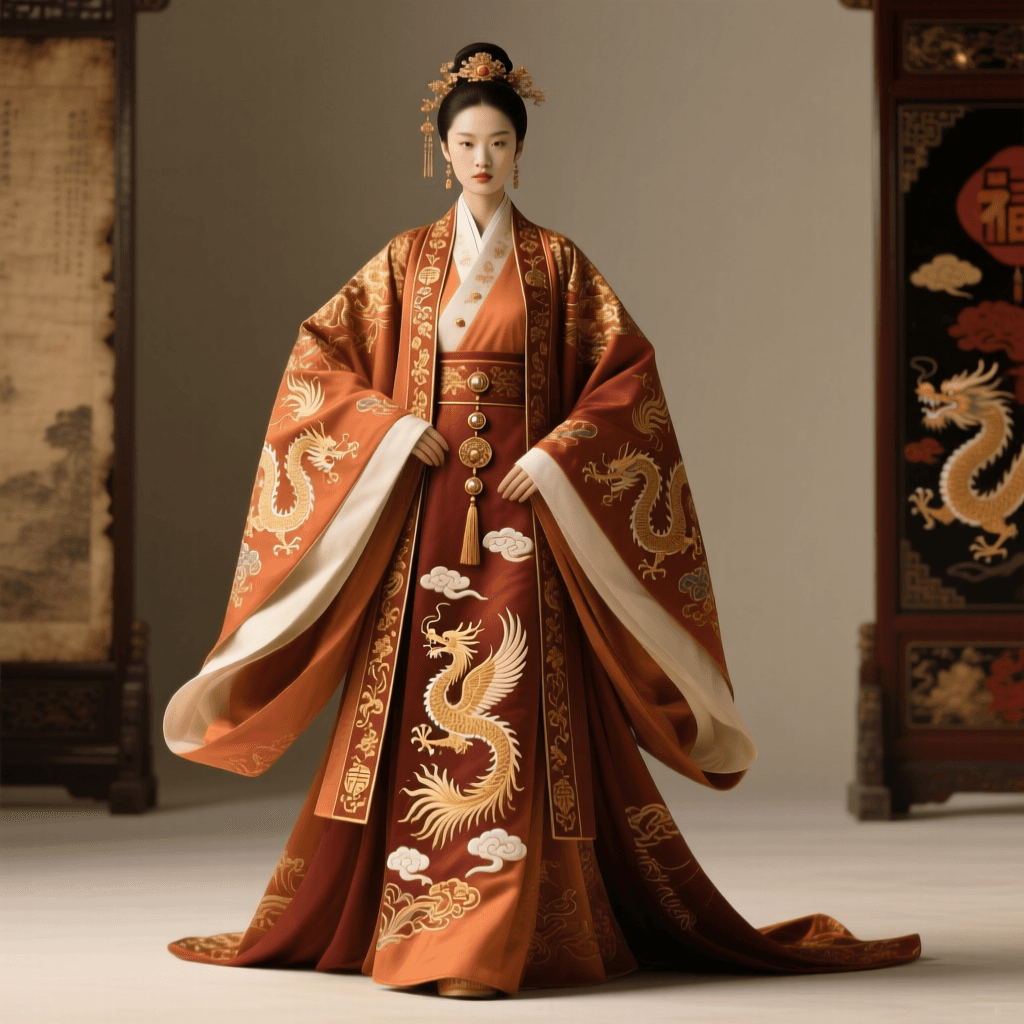
The arrival of the Lunar New Year, widely known as the Spring Festival, is a time of profound renewal, familial reunion, and vibrant celebration across the Sinosphere. Among the most visually striking elements of this ancient festival is the traditional clothing worn to welcome the new lunar cycle. Stepping out in a crisp, meticulously tailored garment is not merely a fashion choice; it is a deeply rooted cultural ritual designed to shed the misfortunes of the past and invite prosperity, health, and joy into the future. From the sweeping sleeves of ancient robes to the sleek silhouettes of modern festive wear, the attire of the Spring Festival is a masterclass in textile artistry and symbolic storytelling.
In this comprehensive guide, we will explore the fascinating world of traditional Chinese New Year clothing. We will trace its historical origins, decode the intricate motifs woven into its fabrics, and examine the iconic styles that define the season. Whether you are a cultural enthusiast, a student of fashion history, or someone looking to participate respectfully in the festivities, understanding the heritage behind these garments will enrich your appreciation of this global celebration.
The Historical Origins of Festive Attire
The tradition of wearing new clothes during the New Year period dates back thousands of years to ancient agrarian societies. In early Chinese civilization, the turning of the lunar calendar coincided with the end of the harsh winter and the beginning of the spring planting season. This transitional period was marked by rituals honoring ancestors and deities, praying for a bountiful harvest. During these sacred ceremonies, wearing one’s finest, most pristine garments was a sign of respect to the heavens and a reflection of the family’s social standing.
As dynasties rose and fell, the sartorial rules of the empire evolved, but the core philosophy of New Year attire remained intact. During the Ming and Qing dynasties, the concept of “Guo Nian” (passing the year) became heavily ritualized. It was believed that wearing old, torn, or faded clothing during the first days of the new year would invite poverty and bad luck. Conversely, adorning oneself in new, brightly colored fabrics—particularly silk, which was historically a luxury commodity tied to the Silk Road textiles trade—was thought to attract the favor of the gods of wealth.
The evolution of these garments was also heavily influenced by regional climates, imperial sumptuary laws, and the cross-cultural exchanges facilitated by ancient trade routes. What began as simple, unadorned tunics in antiquity gradually transformed into the highly structured, heavily embroidered masterpieces seen in later centuries, setting the stage for the diverse array of festive wear we recognize today.
Defining Characteristics of Chinese New Year Garments
Traditional Chinese New Year clothing is instantly recognizable, defined by a strict visual vocabulary of color, motif, and textile choice. Every element is intentional, serving as a wearable talisman for the year ahead.
The Power of Color
Color is the most immediate and powerful characteristic of Spring Festival attire. Red is unequivocally the dominant hue. In Chinese culture, red represents fire, vitality, and joy, and it is believed to possess apotropaic qualities—the power to ward off evil spirits and negative energy. Gold and yellow are frequently used as accent colors, symbolizing imperial power, wealth, and prosperity. While red and gold are the most ubiquitous, other auspicious colors are also utilized: green represents harmony and longevity, while pink conveys joy and romance. Conversely, stark white and solid black are traditionally avoided during the first few days of the festival, as they are historically associated with mourning and funerals.
Auspicious Motifs and Embroidery
The surface of a festive garment is rarely left blank. Artisans employ complex traditional embroidery techniques to stitch symbols of good fortune directly into the fabric. Common motifs include:
- The Bat (Fu): The Chinese word for bat sounds identical to the word for good fortune. Five bats embroidered together represent the “Five Blessings”: longevity, wealth, health, virtue, and a peaceful death.
- The Peony: Known as the king of flowers, the peony is a universal symbol of honor, wealth, and aristocratic elegance.
- The Dragon and Phoenix: Often reserved for formal or bridal wear, these mythical creatures represent the ultimate balance of yin & yang, imperial authority, and marital harmony.
- The Carp or Fish (Yu): The word for fish is a homophone for “surplus” or “abundance.” Wearing fish motifs expresses the wish for年年有余 (surplus year after year).
- Botanical Vines and Gourds: These represent continuity, fertility, and a sprawling, healthy lineage.
Luxurious Textiles
The tactile experience of New Year clothing is just as important as its visual impact. Chinese silk brocade, velvet, and heavy satins are the fabrics of choice. Brocade, with its raised, intricate patterns woven directly into the warp and weft, provides a structural richness that holds the garment’s shape beautifully in the crisp winter air. The sheen of silk catches the light of red lanterns and fireworks, adding a dynamic, luminous quality to the wearer’s movements.
Iconic Styles Worn During the Spring Festival
While the underlying symbolism remains constant, the actual silhouettes worn during the Lunar New Year have diversified over the centuries. Today, celebrants choose from a variety of historical and modernized garments, each carrying its own unique heritage.
The Tangzhuang (Tang Suit)
Despite its name, the Tangzhuang does not originate from the Tang Dynasty. It is actually a modernized adaptation of the Manchu horse jacket (magua) from the Qing Dynasty. Characterized by its stiff mandarin collar, straight lapels, and intricate pankou (knotted frog buttons), the Tangzhuang is arguably the most common festive garment for men, women, and children today. It bridges the gap between historical authenticity and modern comfort, often tailored in vibrant red brocade with subtle gold threading. The knot buttons themselves are a marvel of textile engineering, representing unity and the unbroken cycle of life.
The Qipao (Cheongsam)
For women seeking a silhouette that blends traditional elegance with modern sophistication, the qipao is the garment of choice. Originating as a loose-fitting Manchu banner robe, the qipao was radically reimagined in Shanghai during the early twentieth century into the form-fitting, high-collared dress we recognize today. A festive qipao is typically crafted from heavy silk or brocade and features dramatic side slits, intricate floral embroidery, and a structured collar. To learn more about the fascinating evolution of this iconic dress, explore our comprehensive guide to the history of the qipao.
Hanfu: The Ancient Revival
In recent years, there has been a massive cultural movement among younger generations to reclaim and wear traditional hanfu during major festivals. Hanfu refers to the historical clothing of the Han Chinese, characterized by flowing robes, cross-collars that wrap to the right, wide sleeves, and sash ties rather than buttons. Wearing Hanfu during the Spring Festival is a profound statement of cultural pride and historical continuity. The sweeping layers of a ruqun (a blouse and skirt ensemble) or the dignified drape of a shenyi (deep robe) evoke the poetic elegance of ancient dynasties, making the wearer look as though they have stepped out of a classical painting.
Children’s Festive Attire
Children are the focal point of the Lunar New Year, and their clothing is designed not only to look adorable but to offer spiritual protection. Infants and toddlers are frequently dressed in garments featuring tiger motifs. The tiger is considered the king of beasts in Chinese folklore, and its fierce visage is believed to scare away evil spirits and protect the vulnerable child. Tiger-head shoes, complete with embroidered whiskers and wide eyes, and lotus-shaped hats are staple accessories that blend folk magic with incredible needlework.
Regional Variations Across the Sinosphere
The vast geography of China and its widespread diaspora have led to fascinating regional variations in New Year attire, dictated largely by climate and local textile traditions.
In Northern China, where the Spring Festival occurs in the depths of a freezing winter, festive clothing must prioritize warmth without sacrificing symbolism. Here, the Tangzhuang is often heavily padded with cotton or down, and worn over thick thermal layers. Velvet and heavy wool-blend brocades are preferred over lightweight silks, and accessories like fur-lined hats and embroidered winter boots are common.
Conversely, in Southern China (such as Guangdong and Fujian provinces) and across Southeast Asia, the climate is significantly milder or even tropical. In these regions, festive attire leans toward lighter, more breathable fabrics. The Samfu (a two-piece tunic and trouser set) is popular for its practicality and comfort. Among the Peranakan (Straits Chinese) communities in Malaysia, Singapore, and Indonesia, the New Year wardrobe often features the Nyonya Kebaya—a stunning, form-fitting blouse made of sheer voile or georgette, heavily embroidered with floral motifs, and fastened with ornate gold or silver brooches known as kerosang.
In the Western diaspora, where the Lunar New Year is celebrated in diverse metropolitan Chinatowns, there is a beautiful blending of Eastern and Western sartorial norms. It is common to see individuals pairing a traditional silk brocade jacket with modern denim or tailored trousers, creating a fusion aesthetic that honors their heritage while adapting to their contemporary, everyday environments.
The Cultural Significance and Symbolism
To fully appreciate traditional Chinese New Year clothing, one must understand the legend of the Nian. According to folklore, the Nian was a terrifying beast that emerged from the mountains or the sea at the end of the lunar year to terrorize villages, devouring crops and livestock. The villagers eventually discovered that the Nian was terrified of loud noises, bright lights, and the color red. Thus, the tradition of wearing red clothing, setting off firecrackers, and hanging red lanterns was born as a collective defense mechanism. Wearing red today is a joyful reenactment of this ancient triumph over fear and darkness.
Beyond mythology, the act of wearing new clothes carries deep psychological and social weight. The Chinese idiom “Out with the old, in with the new” is taken quite literally during the Spring Festival. Purchasing and wearing new garments represents a clean slate. It is a physical manifestation of leaving behind the grief, debt, and bad luck of the previous twelve months. Furthermore, the gifting of new clothes—particularly from parents to children, or from adult children to their aging parents—is a profound expression of filial piety and familial love. It reinforces social bonds and ensures that every member of the family steps into the new year feeling valued, protected, and prosperous.
Frequently Asked Questions
Why is red the dominant color for Chinese New Year clothing?
Red is the ultimate auspicious color in Chinese culture, symbolizing fire, vitality, joy, and good fortune. Its dominance during the Spring Festival is deeply tied to the ancient legend of the Nian monster, which was said to be terrified of the color red. By wearing red garments, hanging red couplets, and lighting red lanterns, people historically believed they were warding off evil spirits and misfortune. Today, while the fear of mythical beasts has faded, red remains a powerful cultural shorthand for luck, celebration, and the invitation of positive energy into one’s life for the coming year.
Is it appropriate for non-Chinese people to wear traditional festive attire?
Generally, yes. Chinese culture places a high value on hospitality and sharing traditions with others. If you are invited to a Lunar New Year banquet, a temple fair, or a friend’s home for the holiday, wearing a tasteful, respectfully sourced garment like a Tangzhuang jacket or a red silk scarf is usually viewed as a wonderful gesture of cultural appreciation and respect. The key is to avoid cheap, stereotypical costumes or garments with inappropriate motifs. Opting for high-quality, authentic pieces from reputable artisans or cultural boutiques shows that you value the heritage behind the clothing.
What motifs should I look for when buying a New Year garment?
When selecting a festive garment, look for motifs that align with your wishes for the coming year. If you are seeking career advancement or financial success, look for embroidery featuring carp, gold ingots, or peonies. For health and longevity, pine trees, cranes, and peaches are the traditional symbols. If you are buying for a child or hoping for family harmony, tiger motifs, lotus flowers, and the double happiness character are excellent choices. Avoid garments that feature stark, mournful imagery or motifs associated with funerals, such as certain types of white chrysanthemums.
How do I properly care for silk and brocade festive clothing?
Traditional festive garments made from silk, brocade, and velvet require delicate care to maintain their structural integrity and vibrant colors. These textiles should rarely be machine washed, as the agitation can destroy the intricate weaving and cause the dyes to bleed. Instead, opt for professional dry cleaning, specifically informing the cleaner of the delicate nature of the brocade or metallic threading. When storing these garments between festivals, avoid wire hangers which can distort the shoulders; use padded hangers or fold them carefully with acid-free tissue paper in a cool, dark, and dry environment to prevent moisture damage and fading.
When is the best time to wear new clothes during the festival?
The tradition dictates that new clothes should be debuted on the very first day of the Lunar New Year. This timing is crucial, as the first day sets the energetic tone for the entire year ahead. Stepping out of the house on New Year’s morning in a brand-new, brightly colored outfit is believed to immediately attract the attention of the gods of wealth and fortune. Many families will lay out their new garments the night before, alongside new shoes and accessories, ensuring that every member of the household, from the youngest toddler to the eldest grandparent, is fully adorned in fresh attire before the sun rises on the new lunar cycle.