Tsumugi vs Chirimen Silk: Best Kimono Fabrics for 2026
The Renaissance of Japanese Silk: Tsumugi and Chirimen in 2026
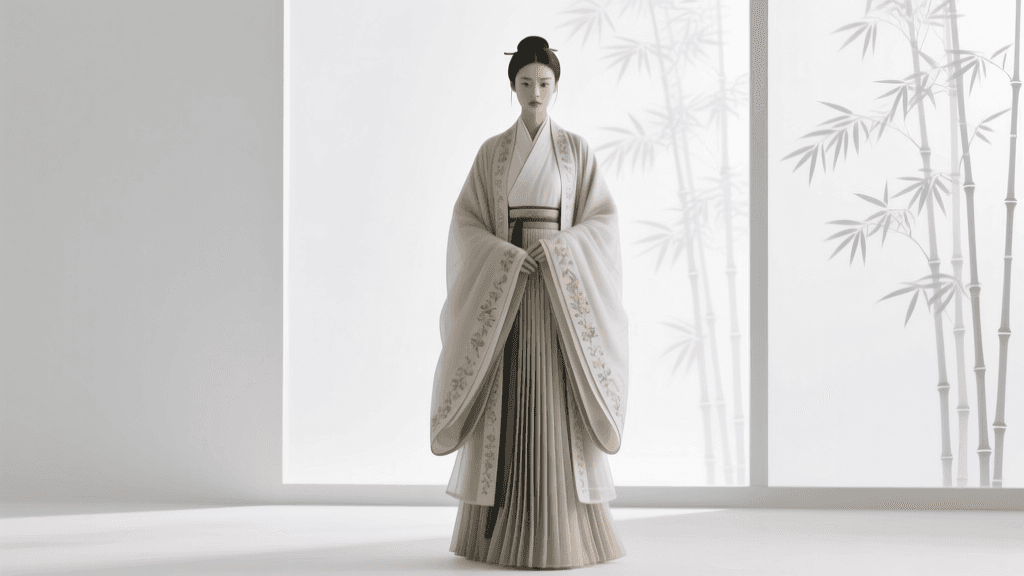
As we navigate the global fashion landscape of 2026, the appreciation for mindful, sustainable, and culturally rich garments has reached unprecedented heights. Within the realm of Asian traditional garments, the Japanese kimono remains a masterclass in textile engineering and aesthetic philosophy. For enthusiasts, collectors, and everyday wearers alike, understanding the foundational fabrics of the kimono is essential. The two most prominent and widely utilized silk textiles in Japanese garment making are Tsumugi (pongee) and Chirimen (crepe). While both are derived from the silk worm, their weaving techniques, visual textures, draping qualities, and cultural formalities are vastly different.
Choosing between Tsumugi and Chirimen is not merely a matter of visual preference; it dictates the seasonality, formality, and care requirements of your garment. According to the Metropolitan Museum of Art, the historical evolution of Japanese silk weaving has always been deeply intertwined with regional agriculture and local aesthetics, resulting in highly specialized textile hubs that still thrive today. In 2026, with a renewed focus on heritage craftsmanship and 'wabi-sabi' (the beauty of imperfection), Tsumugi has seen a massive resurgence in everyday street fashion, while Chirimen continues to dominate the ceremonial and formal wear markets.
Understanding Tsumugi: The Beauty of Imperfection
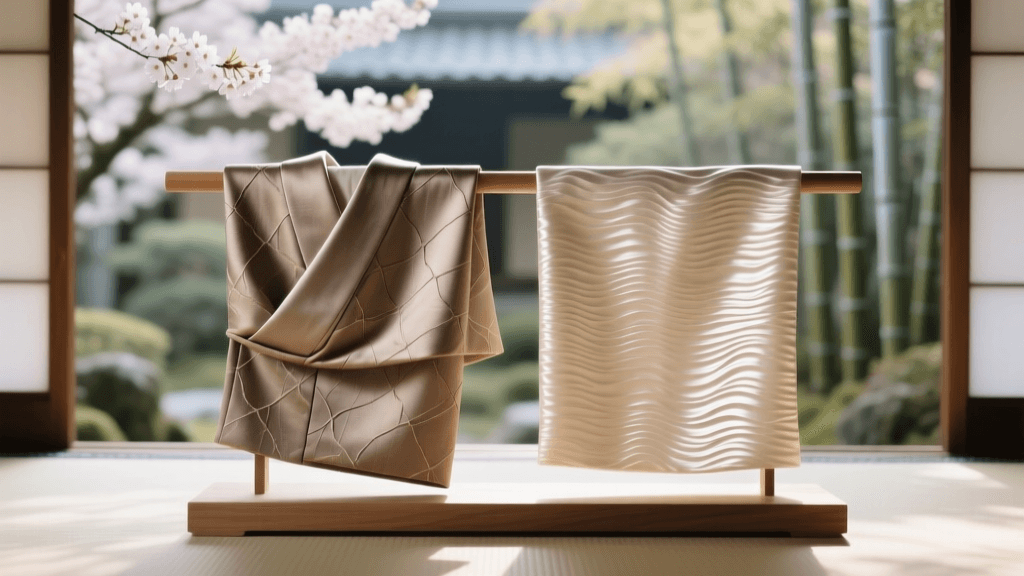
Tsumugi, often translated as pongee, is a silk fabric characterized by its matte finish, crisp hand-feel, and distinctive 'slubbed' texture. This slubbing occurs because Tsumugi is traditionally woven using silk threads spun from the floss of the silk cocoon, rather than the continuous, unbroken filament used in finer silks. The resulting yarn is uneven, creating a rustic, nubby surface that catches the light in a subdued, organic manner.
The Dyeing Process: Kasuri and Ikat
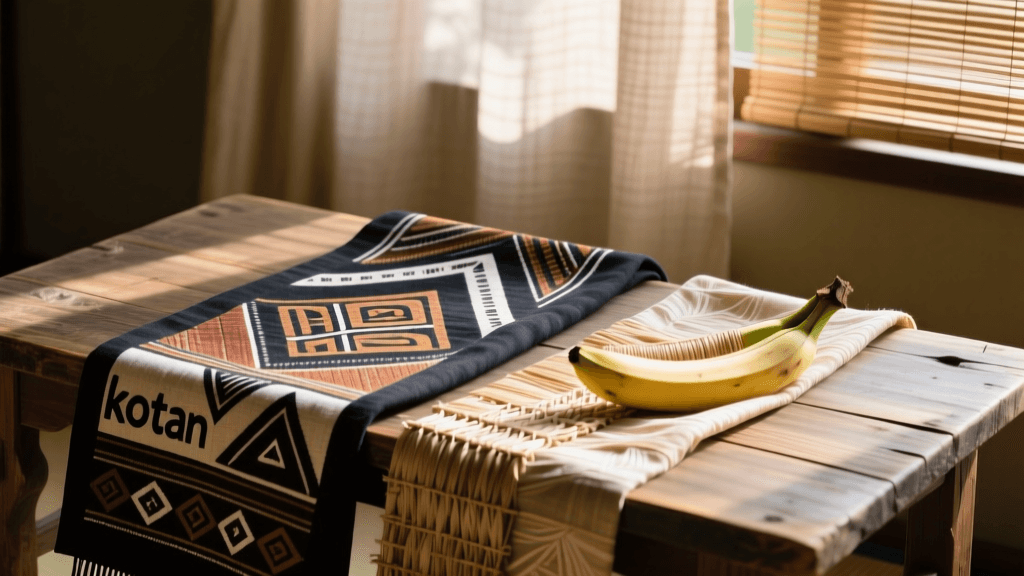
One of the most defining features of premium Tsumugi is the 'kasuri' (ikat) dyeing technique. Unlike fabrics that are woven first and dyed later, Tsumugi threads are meticulously resist-dyed before they ever touch the loom. The weaver must align these pre-dyed threads with millimeter precision to form intricate geometric or pictorial patterns. This process is incredibly labor-intensive. In 2026, authentic hand-woven Yuki Tsumugi and Oshima Tsumugi remain some of the most expensive and sought-after textiles in the world, with master weavers utilizing traditional mud-dyeing and botanical fermentation techniques that have been passed down for generations.
Because of its crispness and matte appearance, Tsumugi does not drape heavily. Instead, it holds its shape beautifully, making it an excellent choice for the cylindrical, structured silhouette of the kimono. It is inherently breathable, making it comfortable for extended wear, though its tighter weave provides excellent insulation during cooler months.
Understanding Chirimen: The Elegance of the Pebbled Crepe
In stark contrast to the rustic charm of Tsumugi, Chirimen is a silk crepe fabric celebrated for its luxurious drape, soft hand-feel, and signature 'pebbled' surface. This unique texture is achieved through a highly specialized weaving process. While the warp (vertical) threads are standard, untwisted silk filaments, the weft (horizontal) threads are tightly over-twisted—sometimes up to 3,000 twists per meter. When the fabric is woven and subsequently washed in hot water, the tension in the over-twisted weft threads releases, causing the fabric to shrink and the surface to buckle into tiny, uniform pebbles.
The Canvas for Yuzen Dyeing
The Victoria and Albert Museum notes that the structural integrity and surface texture of Chirimen make it the absolute premier canvas for 'Yuzen' dyeing. Yuzen is a traditional Japanese resist-dyeing technique that allows for the creation of sweeping, painterly, and highly detailed pictorial designs. The pebbled surface of Chirimen scatters light softly, preventing the vibrant dyes from appearing overly glossy or harsh, and giving the garment a deep, rich luminosity.
Chirimen is heavier and more fluid than Tsumugi. It drapes elegantly over the body, conforming to the wearer's movements. This fluidity makes it the fabric of choice for formal kimono, such as the 'Homongi' (visiting wear) and 'Furisode' (long-sleeved ceremonial wear for unmarried women). Regions like Tango in Kyoto Prefecture remain the epicenter of Chirimen production, supplying the vast majority of high-end silk crepe used by kimono artisans in 2026.
2026 Fabric Comparison: Tsumugi vs. Chirimen
To help you make an informed decision for your 2026 wardrobe, we have compiled a comprehensive comparison of these two foundational textiles. This table outlines the practical differences you will encounter when shopping, styling, and caring for your garments.
| Feature | Tsumugi (Pongee) | Chirimen (Crepe) |
|---|---|---|
| Surface Texture | Slubbed, nubby, matte, crisp | Pebbled, smooth, soft, fluid |
| Drape & Weight | Holds shape, structured, lightweight | Heavy drape, fluid, conforms to body |
| Primary Dyeing | Kasuri (pre-dyed threads), stripes | Yuzen (surface painting), embroidery |
| Formality Level | Casual to Semi-Formal (Street/Tea) | Semi-Formal to Highly Formal |
| Seasonality | Spring, Autumn, Winter (Awase) | All-Season (depends on lining) |
| 2026 Avg. Retail (New) | $450 - $3,500+ (Artisan weaves) | $300 - $1,800 (Standard Yuzen) |
| Wrinkle Resistance | High (naturally hides creases) | Moderate (requires careful storage) |
Seasonality and Styling Rules for 2026
In traditional Japanese dress, the rules of seasonality (known as 'koromogae') are paramount. While modern interpretations in 2026 allow for more personal expression, understanding the foundational rules will elevate your styling and show respect for the culture.
Seasonality Guidelines
- Tsumugi: Because of its crisp, insulating weave, Tsumugi is primarily worn as 'Awase' (lined kimono) from October through May. Wearing a heavy, rustic Tsumugi in the humid heat of a Japanese summer is generally avoided, though ultra-fine, unlined 'Hitoe' Tsumugi woven from summer-specific yarns do exist for June and September.
- Chirimen: Chirimen is incredibly versatile. When fully lined, it is worn in the cooler months. However, lightweight Chirimen is frequently used for 'Hitoe' (unlined) garments in early summer, and 'Ro' or 'Sha' (summer gauze weaves, which are structurally related to crepe techniques) are worn in peak July and August heat.
Obi Pairings and Accessories
The fabric of your kimono dictates the fabric of your Obi (sash).
For Tsumugi: Pair with a 'Nagoya Obi' made of Hakata-ori (stiff, ribbed silk) or a casual Tsumugi Obi. The aesthetic should remain grounded, matte, and earthy. Avoid highly metallic or glossy brocade Obi, as the contrast in formality and texture will clash.
For Chirimen: A painted Chirimen kimono demands a luxurious 'Fukuro Obi' (formal brocade sash) featuring gold or silver leaf threads. The fluid drape of the Chirimen is perfectly anchored by the stiff, ornate structure of a formal brocade Obi.
Sourcing Authentic Textiles in 2026
The market for traditional Asian garments has evolved significantly. In 2026, buyers have two primary routes: investing in newly commissioned artisan pieces or curating vintage garments from the mid-20th century.
New Commissions: Purchasing a brand-new, hand-woven Oshima Tsumugi or a hand-painted Kyoto Chirimen kimono requires visiting specialized dealers in Tokyo's Ginza district or Kyoto's Gion district. Lead times for custom weaving can exceed eight months. Prices for new, artisan-crafted Tsumugi start around $1,500 and can easily exceed $10,000 for complex, multi-stage mud-dyed Oshima pieces. Standard, machine-woven Chirimen with digital or stencil Yuzen dyeing is more accessible, ranging from $300 to $800.
The Vintage Market: The 2026 vintage kimono market is booming, driven by sustainable fashion advocates. Excellent condition, mid-century Tsumugi kimono can be sourced from online curators and specialized auctions for $80 to $250. Vintage Chirimen is also abundant, though buyers must carefully inspect the crests and underarm areas for 'shimi' (age spots) and silk shattering, which is common in heavily weighted vintage crepes.
Garment Care and Preservation
Silk is a protein fiber that requires meticulous care. The approach to cleaning Tsumugi and Chirimen differs due to their structural properties.
'The longevity of a silk garment is determined not by how often it is worn, but by how it is rested and cleaned between wearings.' — Traditional Kyoto Kimono Dresser (Kitsuke-shi)
Spot Cleaning and Airing: For both fabrics, the first line of defense is airing the garment in the shade for 24 hours after wearing to release moisture and odors. Spot cleaning with a specialized silk solvent is recommended for minor collar stains.
Professional Cleaning: In 2026, the traditional 'Araihari' method—where the garment is completely unstitched, washed in flat panels, stretched on bamboo frames, and resewn—is still available but is a premium, expensive service. Most modern wearers opt for advanced eco-friendly dry cleaning services that specialize in Asian traditional garments.
Crucial Warning for Chirimen: Never attempt to wash Chirimen with water at home. The introduction of water causes the over-twisted weft threads to contract violently, resulting in irreversible, severe shrinkage and the destruction of the garment's pebbled texture. Tsumugi, while slightly more resilient due to its pre-shrunk dyed threads, should also only be subjected to water by trained professionals.
Conclusion: Choosing Your Silk
Ultimately, the choice between Tsumugi and Chirimen in 2026 comes down to your lifestyle and aesthetic preferences. If you value a structured, understated, and deeply textured garment that embodies the quiet luxury of rural Japanese craftsmanship, Tsumugi is your ideal textile. It is the perfect companion for casual outings, tea ceremonies, and everyday cultural appreciation. Conversely, if you are drawn to vibrant, painterly designs, luxurious drape, and the luminous elegance required for formal celebrations, weddings, and stage performances, a finely woven Chirimen is unparalleled. By understanding the intricate engineering behind these fabrics, you ensure that your engagement with Asian traditional garments is both respectful and profoundly stylish.