Top Hanfu Certification Programs & Workshops for 2026
The Rise of Formal Hanfu Education in 2026
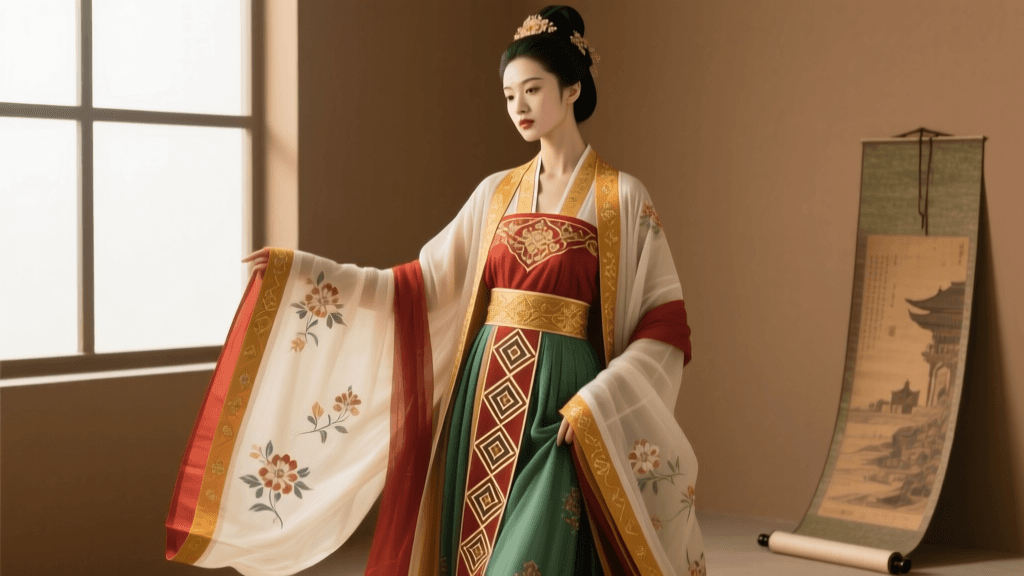
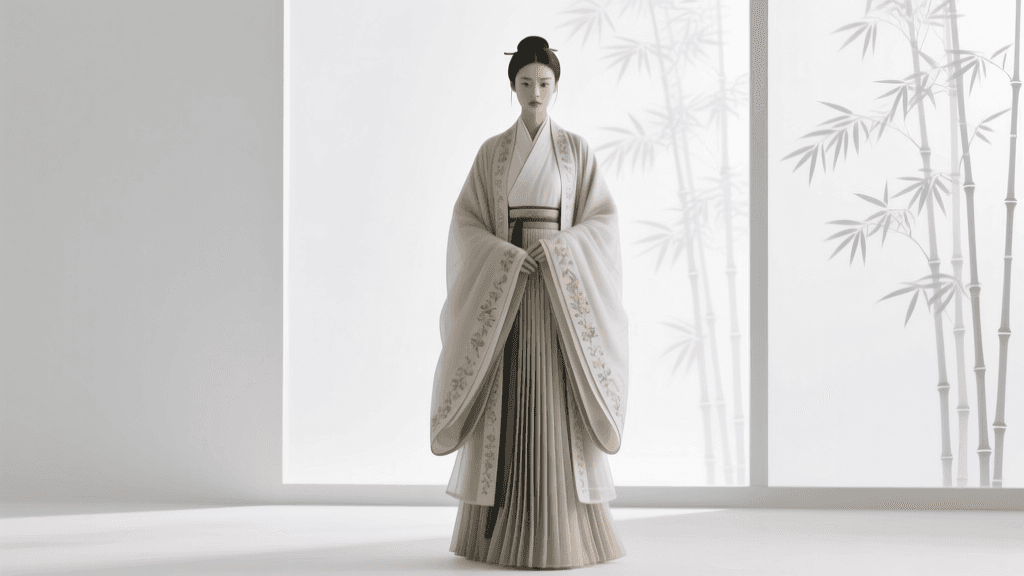
As the global appreciation for traditional Chinese clothing continues to surge in 2026, the Hanfu movement has evolved from a passionate grassroots revival into a highly structured academic and professional discipline. No longer confined to hobbyist forums and social media tutorials, enthusiasts and industry professionals are now seeking formal Hanfu education workshops and certification programs. These structured pathways ensure historical accuracy, masterful drapery techniques, and a deep understanding of the cultural context behind garments like the Tang Dynasty Qixiong Ruqun and the Ming Dynasty Mamianqun (horse-face skirt).
Institutions across Asia and online global academies have responded to this demand by launching rigorous certification tiers. Whether you are a costume designer for period dramas, a cultural heritage ambassador, or a dedicated stylist, obtaining a recognized certification in 2026 validates your expertise and connects you to a network of master artisans and historians.
Why Pursue a Hanfu Styling Certification?
The commercial and cultural footprint of Hanfu has expanded dramatically. In 2026, the market for traditional Chinese garments is valued in the billions, driven by a booming cultural tourism sector, high-budget historical film productions, and a rising demand for authentic Hanfu wedding styling. However, this growth has also led to a proliferation of historically inaccurate styling and modernized shortcuts.
A formal certification program provides several distinct advantages:
- Historical Authority: Learn to differentiate between the structural nuances of the Wei-Jin, Tang, Song, and Ming dynasties, ensuring your styling respects the historical timeline.
- Technical Mastery: Master the intricate art of drapery, pleating, and tying. Traditional Hanfu relies entirely on ribbons, sashes, and structural folding rather than modern buttons or zippers.
- Professional Credibility: Studios, museums, and film production companies increasingly require certified stylists to guarantee authenticity on set and in exhibitions.
- Textile Literacy: Gain hands-on experience with traditional weaving techniques, such as Kesi (silk tapestry) and Yunjin brocade, and understand how these fabrics drape differently from modern synthetics.
Top Hanfu Certification Programs and Workshops
1. Beijing Institute of Fashion Technology (BIFT) Continuing Education Certificate
For those seeking academic rigor, the Beijing Institute of Fashion Technology offers a premier continuing education track focused on historical dress. In 2026, their flagship Hanfu Structure and Dynasty Styling certification remains the gold standard for professionals. The program spans six months of hybrid learning, combining digital lectures on textile history with intensive, in-person drapery labs in Beijing. Students must pass a practical examination where they are tasked with dressing a live model in a specific dynasty's formal attire, using only period-accurate undergarments and tying methods.
2. The Global Online Hanfu Drapery Academy
For international students and working professionals, the Global Online Hanfu Drapery Academy provides a comprehensive, modular certification. The 2026 curriculum has been updated to include high-definition, multi-angle video modules on complex layering techniques, such as the proper folding of the Song Dynasty Beizi and the precise pleat alignment required for the Ming Mamianqun. The academy partners with digital archives, encouraging students to study primary sources like those found in The Metropolitan Museum of Art's Asian Art collection to verify silhouette proportions before practical exams.
3. Xi'an Intensive Silk Road Styling Workshops
Held bi-annually in the historic city of Xi'an, these immersive two-week workshops focus heavily on the cosmopolitan Tang Dynasty. Participants learn how to style the iconic high-waisted skirts, apply period-accurate makeup (such as Huadian forehead decals), and integrate Central Asian influences that defined the Silk Road era. This workshop is highly recommended for theatrical stylists and cultural performers.
Curriculum Breakdown: What You Will Learn
A standard 2026 Hanfu certification curriculum goes far beyond simply putting on clothes. It encompasses a holistic view of traditional Chinese aesthetics and material culture. Core modules typically include:
- Dynastic Silhouette Mapping: Understanding the shift from the narrow sleeves and slender profiles of the Song Dynasty to the voluminous, wide-sleeved grandeur of the Ming.
- Color Theory and Natural Dyes: Studying the traditional Chinese color system and the use of natural eco-friendly dyeing methods, such as indigo, madder root, and pagoda tree buds, which dictate which colors were permissible for different social classes.
- Accessory and Hair Styling: Mastering the use of jade hairpins, silver buyao (step-shake) ornaments, and the construction of elaborate updos that balance the weight of heavy silk garments.
- Etiquette and Movement: Learning how the wearer is expected to move, bow, and sit while wearing restrictive or voluminous layers, a crucial skill for film directors and cultural educators.
Furthermore, top-tier programs align their preservation goals with broader international standards, often referencing the UNESCO Intangible Cultural Heritage framework to emphasize the importance of safeguarding traditional sericulture and weaving techniques alongside the styling practices.
Comparison of Top Hanfu Education Programs
| Program Name | Format | Duration | 2026 Cost (USD) | Best Suited For |
|---|---|---|---|---|
| BIFT Historical Dress Certificate | Hybrid (Online + Beijing Labs) | 6 Months | $2,400 | Academic researchers, museum curators |
| Global Online Drapery Academy | 100% Online (Self-Paced) | 3 Months | $650 | International enthusiasts, freelance stylists |
| Xi'an Silk Road Intensive | In-Person (Xi'an, China) | 14 Days | $1,800 | Theatrical costumers, cultural performers |
| Suzhou Ming Dynasty Masterclass | In-Person (Suzhou, China) | 7 Days | $1,200 | Wedding stylists, boutique owners |
Essential Tools for Your Certification Kit
To succeed in these programs and pass the practical examinations, students in 2026 are required to assemble a professional styling kit. This kit bridges the gap between historical authenticity and modern styling needs:
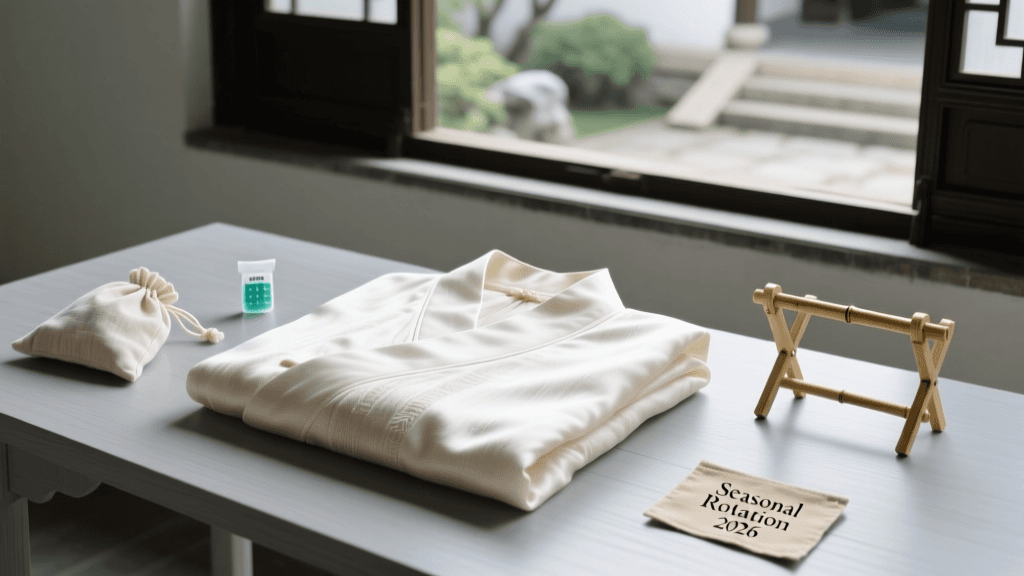
- Traditional Wooden Clothing Stands: Unlike modern Western dress forms, traditional Hanfu stands feature a flat, cross-shaped wooden frame that allows the flat-cut garments to hang naturally without stretching the shoulder seams.
- Silk Organza Sashes and Ribbons: A comprehensive collection of varying widths and lengths, essential for practicing the dozens of different knotting techniques required to secure garments without modern fasteners.
- Period-Accurate Brass Mirrors: Used in workshops to understand how the wearer historically viewed their own silhouette, which differs significantly from modern full-length glass mirrors.
- Bamboo Measuring Tapes (Chi): Traditional Chinese measuring tools are still used in advanced tailoring and drapery classes to maintain historical proportions.
- Natural Dye Swatch Books: A physical reference guide containing authentic silk swatches dyed with traditional botanical and mineral pigments, crucial for identifying period-accurate color palettes under varying lighting conditions.
The Examination Process
Earning a Hanfu certification in 2026 requires passing both a theoretical and a practical exam. The theoretical portion tests your knowledge of sumptuary laws, textile history, and dynastic timelines. The practical exam is a timed challenge. For example, a candidate might be given a pile of unpleated fabric, a sash, and a set of undergarments, and asked to construct and drape a complete Song Dynasty daily wear ensemble on a mannequin within 45 minutes. Examiners look for precise pleat alignment, correct layering order, and the structural integrity of the knots.
Final Thoughts on Advancing Your Hanfu Journey
The formalization of Hanfu education marks a mature and exciting phase for traditional Chinese fashion. By investing in a certification program, you are not merely learning how to dress; you are becoming a custodian of living history. Whether you choose the academic rigor of BIFT, the flexibility of online academies, or the immersive experience of a Xi'an workshop, the skills you acquire will elevate your craft and contribute to the global preservation of Asian sartorial heritage.