Trentino-Alto Adige Tracht: 2026 Heritage Brand Guide
The Renaissance of the South Tyrolean Tracht in 2026
The alpine region of Trentino-Alto Adige, nestled in the dramatic peaks of the Italian Dolomites, is home to one of Europe’s most meticulously preserved and dynamically evolving folk dress traditions. Known locally as Tracht, the traditional garments of this bilingual (Italian and German) region are far more than historical relics or carnival costumes. In 2026, the South Tyrolean Tracht represents a thriving intersection of sustainable slow fashion, regional pride, and master-level artisanal craftsmanship. As global consumers increasingly reject fast fashion in favor of traceable, heritage-quality garments, the Alpine Tracht has seen a massive resurgence.
Unlike the mass-produced Oktoberfest costumes found in tourist shops, authentic Trentino-Alto Adige Tracht is defined by its rigorous adherence to regional tailoring codes, the use of premium natural fibers, and a deep connection to the alpine landscape. According to historical overviews of Alpine Tracht traditions, these garments were originally designed to withstand harsh mountain climates while signifying the wearer's specific valley, marital status, and social standing. Today, heritage brands and local artisans are reinterpreting these codes for the modern wardrobe without sacrificing historical integrity.
Anatomy of the Regional Garments
To understand the 2026 market for South Tyrolean heritage wear, one must first understand the core components of the regional dress. The Tracht is a modular system of garments, each requiring specialized craftsmanship.
The Janker and Loden Wool
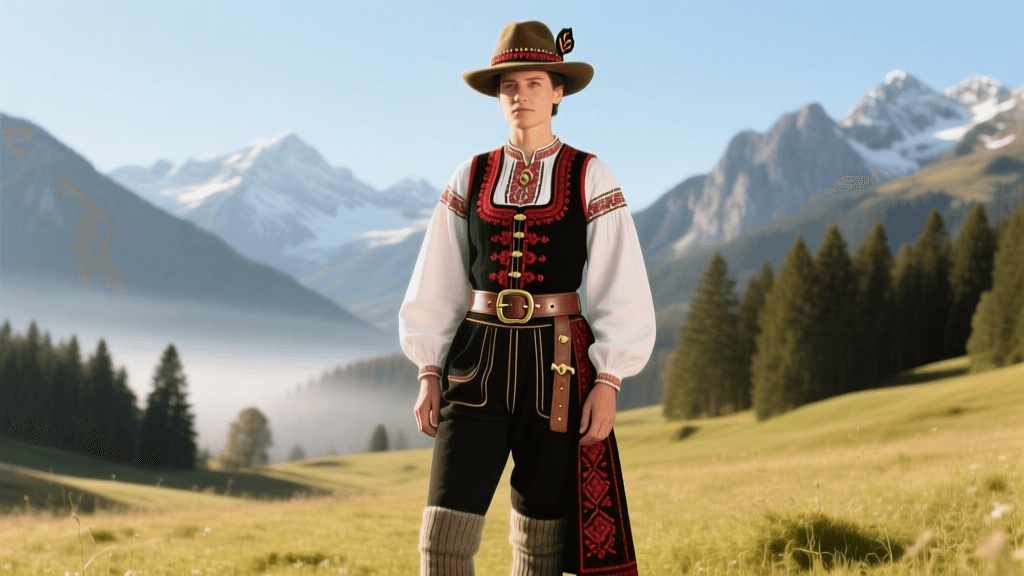
The cornerstone of the Alpine wardrobe is the Janker, a tailored, collarless jacket made from Loden wool. Loden is not merely a fabric; it is a complex, multi-step textile process. Raw sheep’s wool is carded, spun, and woven before undergoing Walken (fulling), where it is pounded in hot water to shrink and felt. The nap is then raised using traditional teasel thistles and sheared. The result is a windproof, water-resistant, and incredibly durable fabric. In 2026, the most sought-after Loden features natural alpine dyes, yielding deep forest greens, charcoal greys, and rich browns.
The Südtiroler Lederhose
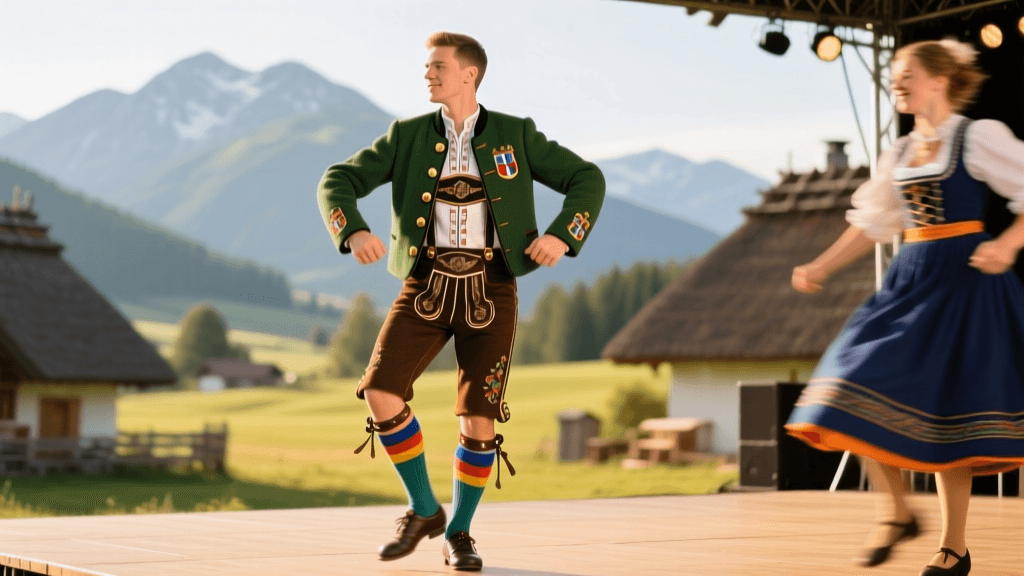
Authentic regional leather breeches are crafted from Hirschleder (deer leather) or Gamsleder (chamois). Unlike stiff, mass-market leather, traditional South Tyrolean Lederhosen are brain-tanned or oil-tanned, resulting in a buttery-soft texture that molds to the wearer’s body. The front drop (Latz) and side seams are heavily embroidered with floral motifs, edelweiss, and alpine roses using silk or linen thread. A single pair of bespoke Lederhosen requires over 40 hours of hand-stitching.
The Mieder and Dirndl
The women’s Tracht centers around the MiederRock (pleated skirt). The 2026 trends in South Tyrolean Dirndls lean heavily into the Schnürmieder, where the bodice is laced at the front with a silver chain or silk cord. The accompanying apron (Schürze) is often made of raw silk or finely woven linen, with the placement of the bow strictly indicating the wearer's marital status—a tradition that remains fiercely respected at local festivals.
Top Heritage Brands and Artisans for 2026
For collectors, enthusiasts, and those seeking authentic regional garments, knowing where to source is critical. The 2026 landscape is dominated by a mix of historic textile mills and premium heritage fashion houses.
Moessmer 1894: The Textile Foundation
You cannot discuss South Tyrolean Tracht without acknowledging Moessmer, the historic textile mill based in Bruneck. Founded in 1894, Moessmer remains the gold standard for Loden and premium alpine wools. In 2026, Moessmer has doubled down on sustainability, introducing fully traceable, mulesing-free merino blends and reviving 19th-century natural dyeing techniques using local walnut shells and madder root. While they primarily supply fabrics to bespoke tailors, their direct-to-consumer heritage blankets and ready-to-wear Loden capes are highly coveted. Expect to pay between €90 and €140 per meter for their premium bespoke Loden fabrics.
Luis Trenker: Premium Heritage Fashion
Named after the legendary South Tyrolean mountaineer and filmmaker, Luis Trenker is the premier brand bridging the gap between strict historical Tracht and contemporary luxury alpine lifestyle. Their 2026 "Heritage Line" features impeccably tailored Janker jackets that utilize Moessmer Loden but incorporate modern ergonomic cuts and subtle horn buttons. A Luis Trenker jacket is an investment piece, offering the cultural weight of the Tracht with the versatility of high-end European menswear. Prices for their 2026 Janker collection range from €550 to €950, reflecting the premium sourcing and Italian tailoring.
Local Trachten Tailors (Trachtenschneiderei)
For the purist, commissioning a bespoke garment from a local Trachtenschneiderei (traditional tailor) in valleys like Gröden (Val Gardena) or the Pustertal is the ultimate pursuit. These small, family-run ateliers do not have global e-commerce platforms. They operate by appointment, taking over 20 distinct body measurements to ensure the Janker or Mieder fits flawlessly over the body's natural movements.
2026 Brand Comparison & Pricing Guide
The following table provides a structured overview of the primary sourcing avenues for authentic Trentino-Alto Adige garments in 2026, including estimated costs and lead times.
| Brand / Artisan Type | Specialty | 2026 Price Range (EUR) | Lead Time | Best For |
|---|---|---|---|---|
| Moessmer 1894 | Heritage Loden & Wool Textiles | €90 - €140 / meter | In Stock | Bespoke commissions & textile collectors |
| Luis Trenker | Luxury Ready-to-Wear Alpine | €450 - €1,200 | Immediate / Seasonal | Modern luxury & versatile alpine outerwear |
| Valley Ateliers (Bespoke) | Hand-stitched Lederhosen & Mieder | €800 - €2,500+ | 8 - 14 Weeks | Purists, festival attendees, heirloom seekers |
| Stickerei Cooperatives | Hand-embroidered Silk Aprons | €250 - €600 | 4 - 6 Weeks | Dirndl accessories & bridal Tracht |
How to Commission Bespoke Tracht in 2026
If you are planning to commission a bespoke garment from a South Tyrolean artisan in 2026, timing and preparation are everything. The region's tailors are heavily booked around the major alpine festivals, particularly the Almabtrieb (the autumn cattle drive down from the alpine pastures in September) and the Törggelen season (the autumn wine and chestnut harvest).
- Order Early: Place your fabric and tailoring orders between January and March. Artisans require the spring and summer months to hand-embroider the Lederhosen and construct the structured bodices.
- Choose Your Valley: Tracht is highly localized. A Groedner Tracht (Val Gardena) features distinct velvet trim and silver filigree, while a Pustertaler Tracht (Puster Valley) relies on vibrant, contrasting wool embroidery. Research your specific valley preference before booking a consultation.
- The Fitting Process: Expect at least two in-person fittings. The first occurs with the garment in a basted, unfinished state to adjust the shoulder pitch and waist suppression. The second fitting finalizes the hem and button placement.
"The Tracht is not a costume you put on to pretend to be someone else; it is a second skin that connects you to the generations of alpine farmers, woodcarvers, and weavers who shaped these valleys. Every stitch is a record of our survival and our joy." — Master Tailor, Val Gardena Trachten Guild
Garment Care for Alpine Textiles
Investing in heritage South Tyrolean garments requires specialized care to ensure they last for decades. The natural properties of Loden and brain-tanned leather dictate specific maintenance routines that differ vastly from modern dry-cleaning.
Caring for Loden Wool
Loden is naturally self-cleaning and odor-resistant due to the high lanolin content retained during the traditional fulling process. Never dry-clean a premium Loden Janker. The harsh chemicals will strip the natural oils, leaving the fabric brittle. Instead, brush the garment vigorously after each wear with a natural boar-bristle brush to remove dust and realign the fibers. For minor stains, use a damp cloth and a specialized wool detergent, then allow it to air dry in a well-ventilated, shaded area.
Maintaining Hirschleder (Deer Leather)
Authentic oil-tanned Lederhosen should never be washed with water or soap. If the leather becomes stiff after getting caught in an alpine rainstorm, wear them while they dry; the body heat and movement will naturally work the oils back into the hide. Once a year, treat the leather with a pure, unmedicated lanolin-based conditioner to maintain its supple, velvet-like drape.
Conclusion
The Trentino-Alto Adige Tracht stands as a testament to the enduring power of regional European folk dress. In 2026, brands like Moessmer and Luis Trenker, alongside the quiet dedication of valley artisans, ensure that these garments remain a vibrant, living tradition. Whether you are investing in a meter of naturally dyed Loden, commissioning a hand-embroidered Mieder, or purchasing a heritage Janker, you are participating in a centuries-old dialogue between human craftsmanship and the unforgiving beauty of the Dolomites.