Authentic Traje De Flamenca 2026: Feria & Dance Guide
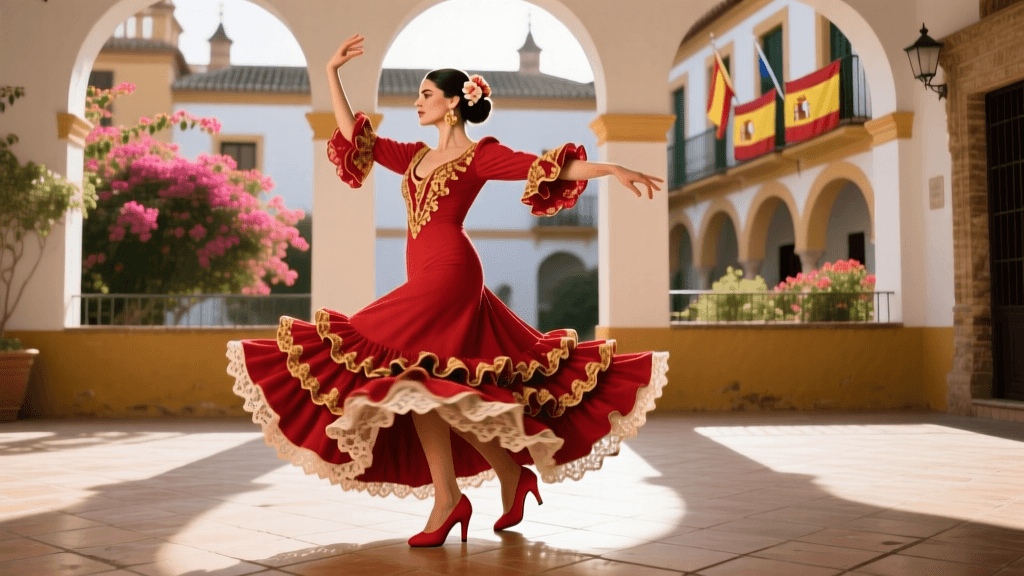
The Living Garment: Traje de Flamenca Meets the Sevillanas
As we prepare for the vibrant 2026 Feria de Abril in Seville, the Traje de Flamenca remains one of Europe’s most dynamic and recognizable folk dresses. Unlike many traditional European costumes that are reserved strictly for static parades or historical reenactments, the Andalusian flamenco dress is a living, breathing garment designed explicitly for movement. It is inextricably linked to the Sevillanas, the traditional folk dance performed in the casetas (festival tents) throughout the week-long celebration. For dancers and festival-goers alike, understanding the intersection of textile construction, festival endurance, and dance mobility is essential for 2026.
Recognized globally for its cultural significance, the art form surrounding this dress is deeply protected. According to the UNESCO Intangible Cultural Heritage listings, flamenco and its associated folk expressions are vital components of Andalusian identity. The dress is not merely a costume; it is an instrument of the dance, amplifying the rhythm of the footwork and the grace of the arm movements.
Anatomy of a Dance-Ready Flamenco Dress
To select or commission a dress that can withstand the rigors of the 2026 festival season, one must understand its core anatomical components. A traditional Traje de Flamenca consists of three primary sections, each engineered for specific dance mechanics:
- El Cuerpo (The Bodice): Fitted tightly to the torso, the bodice provides structural support. For dancers, it must be tailored to allow for a 3 to 4 cm expansion in the ribcage to accommodate deep breathing during intense zapateado (footwork) sequences. In 2026, hidden stretch-panels lined with cotton are increasingly popular to maintain the traditional silhouette while offering modern comfort.
- Las Mangas (The Sleeves): Often featuring intricate ruffles or volantes that cascade down the arm, the sleeves are designed to accentuate the braceo (arm movements). The weight of the sleeve ruffles must be carefully balanced; too heavy, and they will fatigue the dancer’s shoulders during the repetitive, elevated arm positions required in the Sevillanas.
- La Falda (The Skirt): The most critical component for mobility. The skirt is cut on the bias or features strategic godets (triangular fabric inserts) to ensure it flares dramatically during the vuelta (turns). The hemline must be weighted, often with a thick cord or bias tape sewn into the bottom edge, to prevent the fabric from tangling in the dancer's legs during rapid footwork.
2026 SIMOF Trends: Lightweight Fabrics for Festival Endurance
The 2026 Salón Internacional de la Moda Flamenca (SIMOF) has heavily emphasized sustainable, breathable textiles. The Andalusian spring can be unexpectedly warm, and dancing in a multi-layered polyester dress is a recipe for exhaustion. This year’s leading designers are pivoting toward eco-viscose, Tencel blends, and high-grade organic cotton poplins. These fabrics offer the necessary drape and weight to create beautiful, sweeping ruffles while allowing for superior air circulation. Digital printing technology in 2026 has also advanced, allowing for hyper-detailed, traditional Andalusian tile and floral motifs on ultra-lightweight crepe, reducing the overall garment weight by up to 20% compared to older, heavy jacquard weaves.
Ruffle Configurations and Dance Mobility
The arrangement of the volantes (ruffles) directly impacts how the dress behaves during the four distinct parts of the Sevillanas dance. Choosing the right configuration is a balance between aesthetic volume and physical agility.
| Ruffle Style | Garment Weight | Mobility for Sevillanas | Best Use Case |
|---|---|---|---|
| Cascading (Caida) | Light to Medium | Excellent. Flows smoothly during turns without catching. | Active dancers, competitive Sevillanas, long festival days. |
| Horizontal Tiers (Canesú) | Medium to Heavy | Moderate. Creates a wide bell shape; requires strong legs for kicks. | Parades, static presentations, evening casetas events. |
| Asymmetrical | Light | High. Allows for dynamic, unpredictable fabric movement. | Contemporary choreography, fashion-forward festival-goers. |
Precise Measurements for the Festival Grounds
A common mistake made by international buyers or first-time festival attendees is incorrect hemline measurement. The Traje de Flamenca is not meant to sweep the floor, nor is it meant to sit at the mid-calf. For optimal dance mobility and safety, adhere to these 2026 tailoring standards:
- Shoe First: You must be measured while wearing the exact shoes you intend to dance in at the Feria.
- The Golden Hemline: The front hem should sit exactly 2.5 cm to 3 cm above the floor. This prevents the toe of your shoe from catching the ruffles during the forward steps of the paseo.
- The Back Train: The back of the skirt can be slightly longer, grazing the floor, to create an elegant silhouette when walking. However, if you plan on performing complex zapateado, a uniform hem is strongly recommended to avoid tripping hazards.
- Hip and Knee Circumference: The skirt should hug the hips and knees snugly but must allow for a minimum 15-degree forward knee bend without pulling the bodice down.
Footwear and Accessories: Functionality in the Caseta
The accessories of the flamenco dress are equally tied to the mechanics of the dance and the realities of the festival grounds. The mantoncillo (a small, fringed shawl) is draped over the shoulders and crossed at the waist. For dancers, it must be secured with hidden safety pins or a decorative brooch at the side seam; otherwise, the vigorous hip movements of the Sevillanas will dislodge it.
Footwear in 2026 is divided into two categories: the zapato de flamenco (a sturdy heel with nails in the toe and heel for percussive footwork) and the espadrille wedge. If you are attending the Feria primarily to socialize and walk between casetas, a high-quality espadrille wedge provides the necessary height to maintain the dress's hemline while saving your feet from the uneven dirt and grass of the Real de la Feria. For those dancing, a professional flamenco shoe with a 5 cm to 6 cm reinforced heel is non-negotiable. Institutions like the Museo del Baile Flamenco in Seville frequently highlight the evolution of this specialized footwear, noting how modern shock-absorbing insoles have revolutionized dancer endurance in recent years.
Investment Guide: Bespoke vs. Ready-to-Wear in 2026
Investing in a Traje de Flamenca is a significant financial commitment. The market in 2026 offers distinct tiers depending on your needs for fabric quality, fit, and dance mobility.
| Category | Estimated Cost (2026) | Lead Time | Dance Mobility & Fit |
|---|---|---|---|
| Off-the-Rack (Retail) | €150 - €350 | Immediate | Low to Moderate. Standard sizing may restrict arm or hip movement. |
| Made-to-Measure | €400 - €800 | 4 - 8 Weeks | High. Adjusted to your specific proportions and shoe height. |
| Full Bespoke (Designer) | €1,200 - €3,000+ | 3 - 6 Months | Exceptional. Engineered specifically for your dance style and fabric weight. |
For serious folk dancers, the made-to-measure route offers the best balance of cost and functional mobility. Ensure your tailor understands that the garment is for active Sevillanas dancing, prompting them to reinforce the seams and adjust the godet placements accordingly.
Garment Care During the Feria Week
The Feria de Abril is a marathon, not a sprint. Maintaining your garment over six days of dancing, eating, and socializing requires proactive care. Avoid folding the dress, as this will crush the volantes and create stubborn creases in the bodice. Invest in a padded, wide-shoulder hanger and a breathable cotton garment bag. After each day, use a handheld steamer on the ruffles to release dust and wrinkles; the steam will naturally reactivate the drape of the eco-viscose and cotton blends popular in 2026. Spot clean the hemline immediately if it picks up stains from the festival grounds, using a mild, pH-neutral textile detergent to preserve the vibrancy of the digital prints.
"The Traje de Flamenca is the only traditional folk dress in Europe that evolves annually with high fashion, yet its core purpose remains entirely tethered to the physical demands of the folk dance that birthed it."
By prioritizing breathable 2026 textiles, precise dance-oriented tailoring, and functional accessories, you ensure that your Traje de Flamenca is not just a beautiful spectacle, but a true partner in the joyous, rhythmic celebration of the Sevillanas.