Authentic Slavic Kokoshnik Headdresses & Jewelry 2026
The 2026 Resurgence of Slavic Folk Accessories
The landscape of Eastern European traditional garments has experienced a monumental shift as we move through 2026. No longer confined to museum displays or seasonal village festivals, Slavic folk accessories—particularly the iconic kokoshnik headdress, intricate filigree metalwork, and raw Baltic amber jewelry—have firmly entered the global contemporary wardrobe. Driven by a renewed interest in artisanal heritage and sustainable fashion, modern collectors and designers are seeking out authentic, historically accurate pieces that honor ancestral craftsmanship while functioning in today's sartorial ecosystem.
According to archival records preserved in The Metropolitan Museum of Art's Costume Institute, the structural complexity of Eastern European headwear served not merely as decoration, but as a profound indicator of marital status, regional origin, and spiritual protection. Today, a new generation of artisans is reviving these techniques, blending centuries-old motifs with ethically sourced materials to meet the demands of the 2026 heritage fashion market.
Decoding the Kokoshnik: Shapes, Regions, and Modern Sourcing
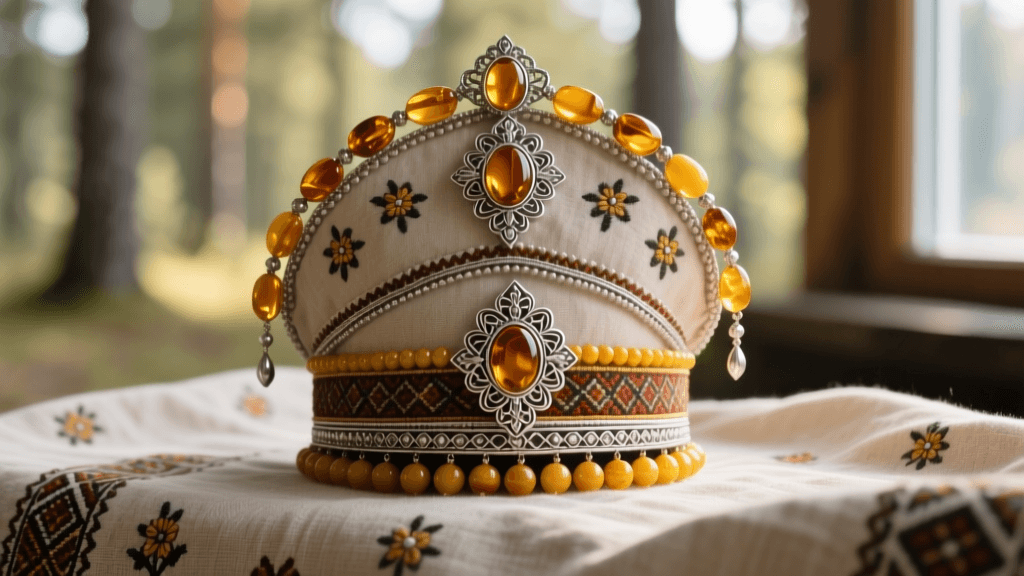
The kokoshnik is arguably the most recognizable element of traditional Russian and broader Slavic dress. Historically worn by married women to completely conceal the hair, its name derives from the old Slavic word kokoš, meaning hen, referencing the crest-like shape of the headpiece. In 2026, the kokoshnik has transcended its strictly traditional boundaries, appearing in avant-garde editorial shoots, high-fashion runways, and modernized bridal wear.
For collectors and cultural enthusiasts looking to acquire an authentic piece this year, understanding regional variations is critical. The construction, embellishment, and silhouette vary drastically across historical provinces. Below is a breakdown of the most sought-after regional styles currently available through verified artisan cooperatives.
| Regional Style | Silhouette & Shape | Primary 2026 Materials | Average Artisan Price (2026) |
|---|---|---|---|
| Vologda | Tall, rigid crest (shield-like) | Gold thread, river pearls, velvet | €850 - €1,400 |
| Kostroma | Semicircular, high back | Silver foil, glass beads, brocade | €600 - €950 |
| Pskov | Conical, forward-leaning | Embroidered linen, brass plaques | €450 - €700 |
| Nizhny Novgorod | Almond-shaped, heavily draped | Pearl netting (ryasny), silk | €1,100 - €1,800 |
The Pearl Netting (Ryasny) Revival
One of the most striking features of the Northern Russian kokoshnik is the ryasny—the delicate strands of river pearls or glass beads that drape down the sides of the face. In 2026, sustainable harvesting of freshwater river pearls has become a major selling point for heritage jewelers. Artisans are now utilizing ethically farmed freshwater pearls from regulated Eastern European waterways, ensuring that the luminous, irregular shapes of historical pearls are replicated without damaging fragile wild ecosystems.
Slavic Filigree (Skan) and Amber Jewelry: What to Buy in 2026
Beyond headwear, Slavic jewelry is defined by its masterful metalwork and deep connection to the natural world. The technique of skan (filigree) involves twisting and curling incredibly fine threads of silver or gold into intricate lace-like patterns, which are then soldered onto a metal base. This technique is frequently paired with granulation—tiny metal beads that add texture and shadow to the piece.
Many of these regional embroidery and accessory techniques are now protected under UNESCO's Intangible Cultural Heritage lists, which has spurred a massive influx of funding and apprenticeship programs for young metalworkers. As a result, the quality of skan jewelry available on the 2026 market is exceptionally high, rivaling museum-grade antiques.
Authenticity Checks and Pricing for Baltic Amber
No discussion of Slavic folk jewelry is complete without Baltic amber. Known as "sun stone" in ancient folklore, amber was believed to possess healing properties and ward off evil spirits. When sourcing amber necklaces, brooches, or kokoshnik inlays in 2026, buyers must be vigilant against synthetic resins and pressed amber dust.
- The Saltwater Test: Authentic raw Baltic amber will float in a saturated saltwater solution, while glass and most synthetic resins will sink.
- UV Fluorescence: Under a UV flashlight, genuine Baltic amber emits a distinct pale blue or greenish fluorescence. Copal (young, untreated resin) will fluoresce bright white.
- Inclusions: While insect inclusions are highly prized, they are also the most frequently faked. In 2026, reputable dealers provide microscopic imaging of inclusions to verify that the trapped flora or fauna matches prehistoric Baltic forest species, rather than modern tropical insects.
Expect to pay between €120 and €400 for a high-quality, knotted raw amber necklace (40-50cm) from a certified Lithuanian or Polish artisan guild. Pieces featuring cognac-colored amber with verified prehistoric botanical inclusions can easily command prices upward of €1,200.
Floral Crowns (Vinok) and Seasonal Festivals
While the kokoshnik was reserved for married women, unmarried women across Ukraine, Belarus, and parts of Russia wore the vinok—a elaborate wreath of fresh or silk flowers, ribbons, and sometimes metallic threads. The vinok is deeply tied to agrarian calendars and fertility rites.
With the massive resurgence of Ivan Kupala Day (the summer solstice festival) celebrations across Europe in 2026, the demand for high-quality, preserved botanical vinoks has skyrocketed. Modern florists specializing in historical dress accessories are using advanced freeze-drying and glycerin-preservation techniques to create floral crowns that retain their vibrant colors and structural integrity for years, rather than wilting after a single festival. A professionally preserved vinok featuring traditional periwinkle, chamomile, and cornflower typically costs between €80 and €150.
Integrating Folk Accessories into 2026 Contemporary Wardrobes
The key to wearing traditional European folk accessories in 2026 is intentional contrast. Stylists recommend avoiding full historical reenactment garments unless attending a specific cultural festival. Instead, isolate the accessory to serve as the focal point of a modern silhouette.
"The power of a traditional Slavic accessory lies in its architectural weight. Pairing a heavily embroidered, pearl-draped kokoshnik with a minimalist, structured wool blazer or a simple linen slip dress creates a striking dialogue between ancestral heritage and modern minimalism." — Olena V., Heritage Fashion Curator, 2026.
For everyday wear, a delicate silver filigree pendant or a single strand of raw, unpolished Baltic amber offers a subtle nod to Eastern European traditions without overwhelming a contemporary wardrobe. These pieces pair beautifully with the earth-toned, sustainable linen and hemp fabrics that dominate the 2026 eco-fashion landscape.
Where to Source Authentic Pieces in 2026
When investing in heritage garments and accessories, provenance is everything. Avoid mass-produced costume shops and instead seek out direct-to-consumer artisan platforms and verified cultural cooperatives. For deeper historical context on European peasant silhouettes and to verify the accuracy of the pieces you are purchasing, the Victoria and Albert Museum's fashion archives provide invaluable primary sources and visual references.
Look for sellers who provide detailed breakdowns of their materials, including the origin of their metals and the specific regional history of their patterns. In 2026, the most reputable artisans will also provide a certificate of authenticity and a care guide tailored to the specific organic materials used in your piece.
Essential Care and Preservation
Proper maintenance is crucial for preserving the integrity of folk accessories. Amber is relatively soft (2-2.5 on the Mohs scale) and can be easily scratched by harder gemstones or metal clasps. Always store amber jewelry in a soft velvet pouch, away from direct sunlight and extreme temperature fluctuations, which can cause the resin to craze or crack over time.
Silver filigree (skan) is prone to oxidation, especially when worn against the skin. However, many traditionalists prefer the darkened patina that develops in the crevices of the metalwork, as it highlights the intricate three-dimensional texture of the granulation. If you prefer a bright finish, use a specialized silver-polishing cloth rather than liquid dips, which can strip the intentional antique finishes applied by modern heritage jewelers.
By understanding the deep cultural significance, regional variations, and proper care of these extraordinary pieces, collectors and fashion enthusiasts can responsibly participate in the ongoing revival of Slavic folk dress, ensuring these ancient traditions continue to thrive in the modern era.