Authentic Viking Apron Dress & Brooch Guide for 2026
The Enduring Legacy of the Smokkr in 2026
As we navigate the 2026 historical reenactment and heritage festival season, the demand for historically accurate Norse clothing has never been higher. Moving far beyond the leather-and-fur fantasies popularized by early 2010s television shows, modern enthusiasts and living historians are embracing the rich, textile-heavy reality of the Viking Age. At the center of this revival is the iconic smokkr, commonly known as the Viking apron dress, paired with its quintessential hardware: the oval or tortoise brooches.
Whether you are preparing for your first immersive encampment or upgrading your wardrobe to meet the strict authenticity standards of major 2026 European heritage festivals, understanding the construction, fabric, and proper styling of the smokkr is essential. This comprehensive guide will walk you through the archaeological consensus, sourcing artisan pieces, and correctly wearing this foundational garment of Norse women's dress.
Anatomy of the Viking Apron Dress
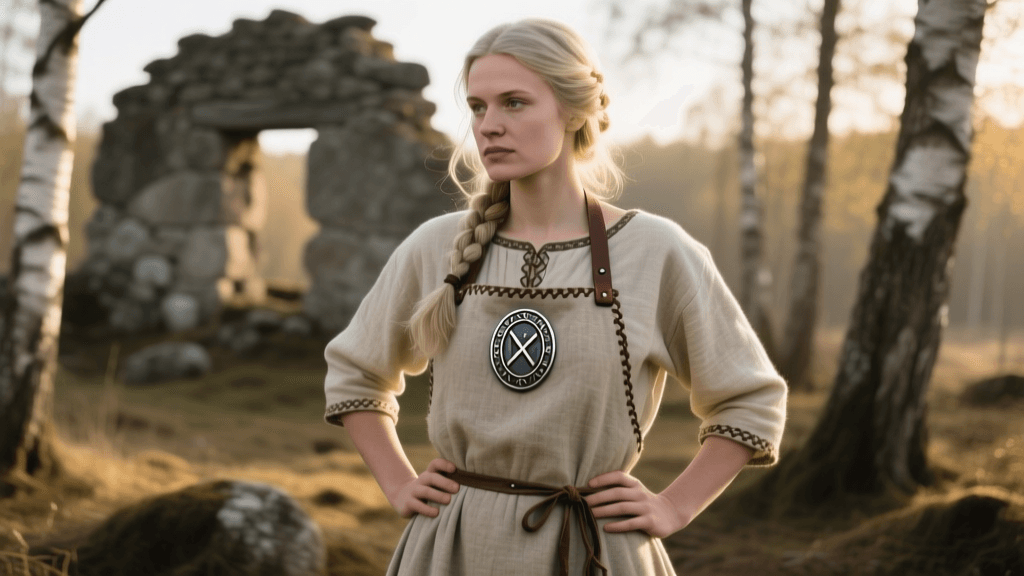
The term smokkr (or trægerkjole in modern Danish archaeological literature) refers to a sleeveless, tubular or wrapped overdress worn over a long-sleeved linen or wool underdress (the serk). For decades, historians debated the exact cut of the smokkr. Early 20th-century reconstructions favored a simple, rectangular tube of fabric. However, recent textile analyses and grave re-evaluations have shifted the consensus.
Today, the most widely accepted model among serious reenactors is a fitted, slightly flared garment with a pleated or wrapped front panel, suspended from the shoulders by two woven wool or linen straps. The Swedish History Museum, which houses the pivotal Birka textile fragments, provides extensive evidence that these dresses were tailored to the wearer's body, utilizing gores and gussets to allow for movement and labor.
Fabric Choices: Diamond Twill and Herringbone
Authenticity in 2026 dictates a strict adherence to period-accurate weaves. The Viking Age warp-weighted loom produced distinct textile patterns that are highly prized today:
- Diamond Twill: The gold standard for high-status smokkrs. This intricate weave creates a repeating diamond pattern that catches the light beautifully and provides excellent structural integrity.
- Herringbone Twill: A slightly more common weave, offering a distinctive V-shaped pattern that is both durable and historically verified across Scandinavian settlements.
- Tabby Weave: Often used for the linen underdresses, providing a lightweight, breathable base layer against the skin.
When sourcing wool, look for worsted wools that mimic the tight, slightly scratchy spin of hand-spun historical yarns. Avoid modern, heavily processed merino wools, which lack the drape and weather-resistant properties of heritage sheep breeds like the Icelandic or Spælsau.
The Great Brooch Debate: Oval vs. Tortoise
The smokkr is held together at the shoulders by a pair of large, ornate brooches. Often colloquially called 'tortoise brooches' due to their domed, shell-like shape, the more accurate archaeological term is 'oval brooches'. These were not merely decorative; they were functional load-bearing clasps that secured the dress straps and provided anchor points for bead strings, keys, and household tools.
In 2026, the market for these brooches is divided between mass-produced zinc alloys and artisan sand-cast bronze. For any serious living historian, solid bronze or brass castings using the lost-wax method are mandatory. These metals develop a beautiful, historically accurate patina over time and possess the tensile strength required to hold heavy wool and glass bead festoons without bending.
Sourcing Authentic Garments in 2026
The gap between 'festival grade' costumes and 'museum grade' reconstructions has widened significantly. Below is a comparison chart to help you navigate the current market and understand what you are paying for when commissioning or purchasing a smokkr this year.
| Feature | Festival Grade (Mass Market) | Artisan Reconstruction (Museum Grade) |
|---|---|---|
| Fabric | Cotton-blend, thin felt, or untextured wool | Handwoven diamond twill or herringbone wool |
| Dyes | Synthetic chemical dyes (bright, uniform) | Natural madder, woad, weld, or walnut (variegated) |
| Brooches | Zinc alloy, hollow cast, weak pins | Solid bronze, sand-casted, 50-75mm, steel pins |
| Construction | Machine-sewn, raw edges, simple tube cut | Hand-finished seams, tailored gores, wrapped front |
| Price (2026) | $45 - $95 USD | $280 - $550+ USD (excluding brooches) |
| Accuracy | Low (heavy fantasy and modern influence) | High (based on Birka, Hedeby, and Køge finds) |
For those seeking museum-grade accuracy, commissioning independent weavers and historical tailors is the best route. Waitlists for handwoven diamond twill wool can stretch from six to nine months, so planning your 2026 festival wardrobe well in advance is crucial.
How to Wear and Pin the Smokkr Correctly
Wearing the smokkr requires a specific technique to ensure the garment drapes correctly and the brooches bear the weight evenly. Follow these steps for a secure, historically plausible silhouette:
- Don the Serk: Put on your linen or fine wool underdress. Ensure the sleeves are pushed up to the forearm if you are working, or left at the wrist for formal occasions.
- Position the Smokkr: Step into the apron dress (or wrap it around your body, depending on your specific pattern). Pull the top edge up to cover the bust, ensuring the hem falls evenly to the mid-calf or ankle.
- Attach the Straps: Bring the woven straps over your shoulders to the front of the dress. The straps should sit comfortably on the collarbone, not slipping off the shoulders.
- Pin the Brooches: Pierce the strap and the top folded edge of the smokkr with the sharp pin of the oval brooch. The pin should enter from the back, catch the fabric, and secure into the catch-plate on the front. Ensure the pin is fully seated to prevent tearing the wool.
- Add the Festoons: String your glass, amber, and carnelian beads on a linen or silk thread, and loop them between the hooks or knobs on the front of the oval brooches. Keep the bead strings relatively tight; excessively long loops are a modern fantasy trope not supported by grave goods.
Moving Past Fantasy Tropes
One of the most significant shifts in the 2026 reenactment community is the active rejection of 'Viking biker' and 'barbarian fantasy' aesthetics. The National Museum of Denmark consistently highlights that Viking Age society was highly stratified, wealthy, and deeply concerned with personal grooming and vibrant, colorful clothing.
Leather bodices, fur-trimmed bikini-style tops, and excessive use of black leather bracers have no basis in the archaeological record for Norse women's dress. Instead, the true wealth of a Viking woman was displayed through the vibrancy of her dyes (such as deep reds from madder and rich blues from woad), the complexity of her tablet-woven trims, and the sheer volume of imported glass beads adorning her brooches. Embracing these colorful, textile-rich realities not only makes you more historically accurate but also creates a far more stunning and elegant visual impact at heritage events.
Caring for Wool and Bronze Heritage Wear
Investing in high-quality, historically accurate garments requires proper maintenance to ensure they last for many festival seasons.
Wool Care
Never machine wash your diamond twill smokkr. The agitation and heat will cause the wool to felt and shrink drastically. Instead, rely on the natural self-cleaning properties of wool. After a weekend at an encampment, hang the dress outside in the fresh air and mist it lightly with water. For localized stains, use a small amount of lanolin-based wool soap and cold water, gently dabbing the area without rubbing. Store the garment folded with cedar blocks to deter moths.
Bronze Brooch Maintenance
Solid bronze will naturally oxidize and develop a dark patina when exposed to the elements, sweat, and skin oils. While some reenactors appreciate this aged look, you can maintain a brighter finish by occasionally polishing the brooches with a mild abrasive paste or a specialized brass polish. Always ensure the steel pin mechanism is lightly oiled with a natural oil (like linseed or mineral oil) to prevent rust, which can stain your expensive handwoven wool.
Conclusion
The Viking apron dress remains one of the most recognizable and deeply symbolic garments of European folk history. By prioritizing authentic weaves, natural dyes, and proper bronze hardware, you honor the incredible skill of Norse textile workers. As the 2026 reenactment season unfolds, stepping onto the field in a meticulously researched smokkr offers a profound, tangible connection to the women of the Viking Age, proving that true history is far more beautiful than fantasy.