Traje de Flamenca 2026: Feria de Abril Dance Dress Guide
The Enduring Magic of the Feria de Abril
When the casetas of Seville light up for the 2026 Feria de Abril, the air fills with the rhythmic clapping of palmas and the swirling hems of one of Europe’s most iconic folk garments: the Traje de Flamenca. Unlike many traditional European costumes that remain frozen in time, the flamenco dress is a living, breathing entity that evolves with fashion while remaining deeply rooted in Andalusian folk dance and culture. For dancers and festival-goers preparing for the 2026 season, understanding the intersection of textile construction, dance functionality, and regional heritage is essential.
The Anatomy of the 2026 Traje de Flamenca
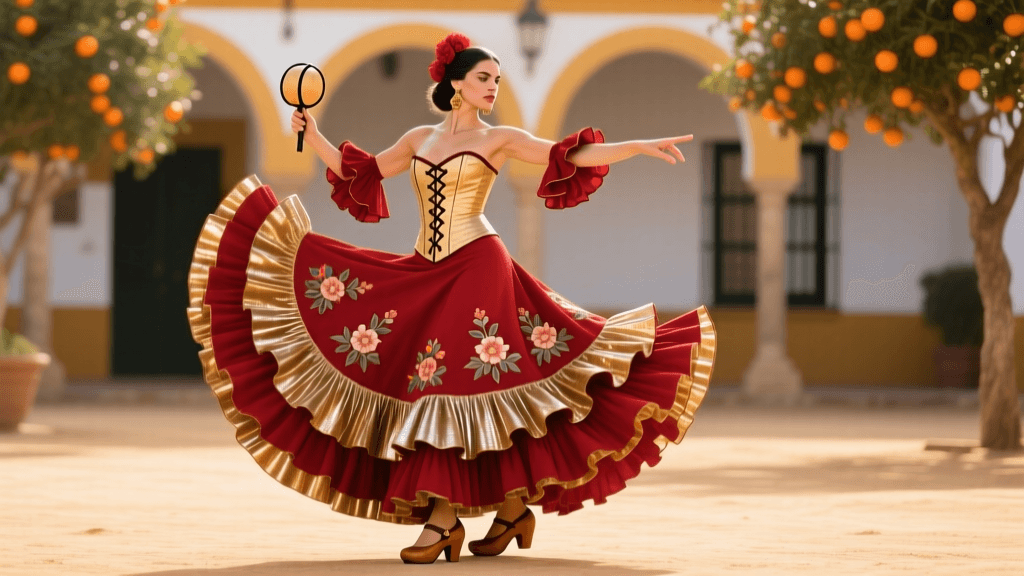
The traditional flamenco dress worn at the Feria de Abril is characterized by its fitted bodice, flared skirt, and signature volantes (ruffles). In 2026, the silhouette continues to honor its 19th-century Romani and peasant origins while incorporating modern tailoring techniques that provide better support for vigorous folk dancing.
The Bodice and Silhouette
The bodice is typically tailored to fit like a second skin, ending just below the hip to allow the skirt to flare dramatically. For 2026, structural designers are utilizing flexible, breathable power-mesh linings that offer the corset-like appearance of historical garments without restricting the dancer's diaphragm during intense Sevillanas routines. Necklines vary from classic sweetheart cuts to modest scoop necks, often adorned with subtle lace trimmings.
The Skirt and Volantes
The skirt is the soul of the dress, designed to amplify the dancer's movements. The volantes can be arranged in horizontal tiers, cascading layers, or a single dramatic spiral. This year, lightweight cotton poplins and sustainable viscose blends dominate the market, ensuring the ruffles have enough body to fly during turns (vueltas) but remain light enough to prevent fatigue during long nights of dancing.
Designing for Sevillanas: The Folk Dance Connection
The Sevillanas is the quintessential folk dance of the Feria. It consists of four distinct parts (coplas), each requiring precise footwork, graceful arm movements (braceo), and rapid pivots. A dress intended for the Feria must be engineered specifically for these choreographic demands.
Weight Distribution and Hemlines
A poorly balanced dress can hinder a dancer's ability to execute the rapid zapateado (footwork) characteristic of Sevillanas. The 2026 standard for a high-quality Feria dress places the heaviest concentration of fabric at the lower tiers of the volantes, acting as a pendulum that naturally swings outward during turns. The hemline must graze the top of the shoe, ensuring the dancer does not trip during complex crossing steps.
Comparing Dress Styles for Dance and Festival
Not all flamenco dresses are created equal. Understanding the difference between a festival dress and a stage dress is crucial for buyers in 2026.
| Feature | Flamenca de Feria (Festival Dress) | Flamenca de Baile (Stage/Dance Dress) |
|---|---|---|
| Primary Use | Social dancing, parades, caseta gatherings | Professional stage performances, academies |
| Skirt Volume | Moderate to high volume, multiple ruffles | Extreme volume, often with a bata de cola (train) |
| Weight | Lightweight, breathable cottons and poplins | Heavier, structured to hold shape under stage lights |
| Sleeves | Short, cap, or elegant three-quarter sleeves | Fitted long sleeves or dramatic flared cuffs |
| 2026 Trend | Eco-friendly dyes, asymmetric ruffle placements | Integrated LED-compatible hems for modern fusion |
Textile Trends and Sustainable Sourcing in 2026
The textile industry surrounding Andalusian folk dress has seen a massive shift toward sustainability. According to regional cultural heritage reports, the preservation of traditional dress now heavily intersects with eco-conscious manufacturing. In 2026, the most sought-after fabrics for the Traje de Flamenca include organic Andalusian cottons and recycled polyester blends that mimic the crispness of traditional poplin.
Designers in Seville and Jerez are reviving historical block-printing techniques, using natural, plant-based dyes to create the iconic polka dots (lunares) and floral motifs. This not only reduces the environmental impact but also provides a unique, artisanal quality that mass-produced garments lack. When sourcing fabric for a custom dress, look for a medium-weight poplin (approximately 130-150 gsm) which provides the perfect balance of opacity and movement.
Essential Accessories for the Complete Folk Ensemble
The Traje de Flamenca is never worn alone; it is the centerpiece of a carefully curated ensemble. To achieve an authentic 2026 Feria look, the following accessories are mandatory:
- El Mantoncillo (The Shawl): A silk or viscose shawl with long, hand-knotted fringes. It is draped over the shoulders and crossed at the front, pinned securely to the bodice. The fringes add secondary movement during braceo (arm choreography).
- La Peineta and Flores: A decorative tortoiseshell comb (peineta) is placed at the crown of the hair, which is traditionally pulled back into a low bun. A fresh or high-quality silk flower (usually a rose or peony) is tucked into the side of the comb, matching the dominant color of the dress.
- Los Pendientes (Earrings): Large, statement drop earrings, often featuring coral, silver filigree, or colorful beads. They must be lightweight enough not to cause discomfort during rapid head turns.
- Zapatos de Flamenco: Specialized flamenco shoes with nails driven into the heel and toe to produce a sharp, percussive sound. For Feria, dancers often opt for a lower, wider heel (around 4-5 cm) compared to stage shoes, prioritizing comfort for cobblestone streets and wooden caseta floors.
Fitting, Sourcing, and Preparation Timeline
Preparing for the Feria de Abril requires meticulous planning. The top ateliers in Seville, such as those featured in the official Andalusian cultural guides, book their custom fittings months in advance. If you are commissioning a bespoke Traje de Flamenca for 2026, the timeline should begin no later than January.
The Fitting Process
A proper fitting involves three stages. The first is the measurement and muslin mock-up, ensuring the bodice allows for deep breathing and arm elevation. The second fitting establishes the skirt length and the placement of the volantes. The final fitting, done with the actual dance shoes, adjusts the hemline to the exact millimeter.
For those purchasing off-the-rack or renting, specialized flamenco boutiques in the Triana neighborhood of Seville offer high-quality prêt-à-porter options. However, always ensure the skirt has been hemmed specifically for your height while wearing your chosen dance shoes.
For deeper insights into the choreography and historical context of the garments you will be wearing, the Museo del Baile Flamenco offers exceptional exhibitions detailing the evolution of the dress alongside the dance itself, providing invaluable context for any folk dress enthusiast.
Conclusion: Honoring the Heritage
The Traje de Flamenca is a masterclass in functional folk art. As we celebrate the 2026 Feria de Abril, the dress remains a vibrant symbol of Andalusian identity, perfectly engineered for the joyous, rhythmic demands of the Sevillanas. Whether you are a seasoned folk dancer or a cultural traveler, understanding the construction, textile trends, and accessory requirements of this iconic garment ensures you honor the rich European heritage it represents. Step into the caseta, let the ruffles fly, and become part of a living tradition.