Balkan Folk Dress: 2026 Opanci & Nosnja Buyer Guide
The Renaissance of Balkan Folk Dress in 2026
The world of traditional European garments is experiencing a profound revival, and nowhere is this more evident than in the rich, textured heritage of the Balkans. As we move through 2026, the demand for authentic Slavic and Eastern European folk dress has shifted dramatically away from mass-produced tourist souvenirs toward ethically sourced, artisan-crafted garments. Collectors, cultural historians, and modern enthusiasts are increasingly seeking out genuine nosnja (traditional folk costumes) and the iconic leather footwear known as opanci. This comprehensive guide explores the intricate anatomy of Balkan folk dress, provides actionable sizing and sourcing advice for 2026, and highlights the regional nuances that make these textiles a cornerstone of European cultural heritage.
Deconstructing the Nosnja: Layers of Tradition
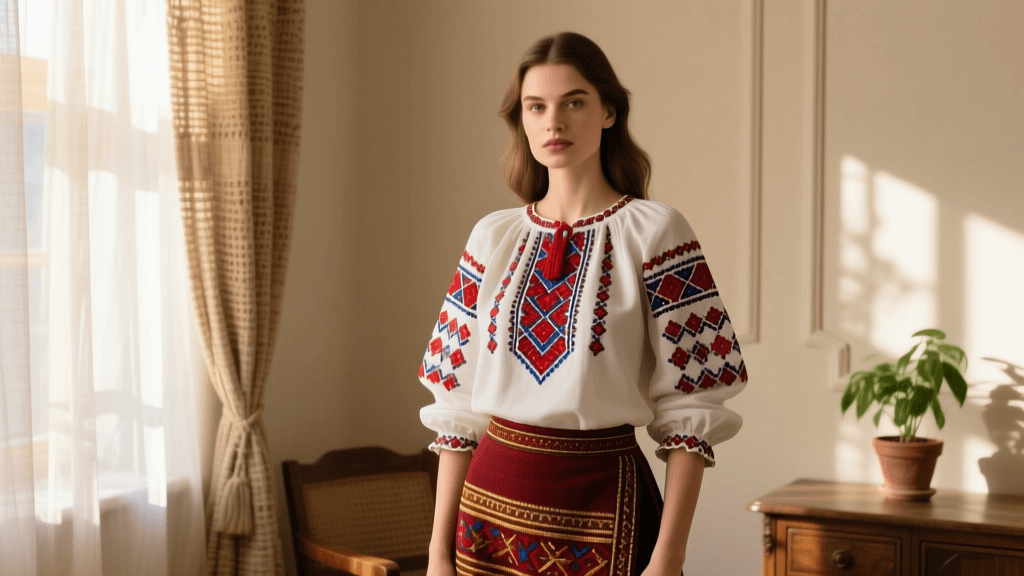
The Balkan nosnja is not a single garment but a complex, layered ensemble that communicates the wearer's region, marital status, and social standing. Understanding these layers is crucial for anyone looking to source or assemble an authentic outfit in 2026.
The Foundation: Košulja and Skuti
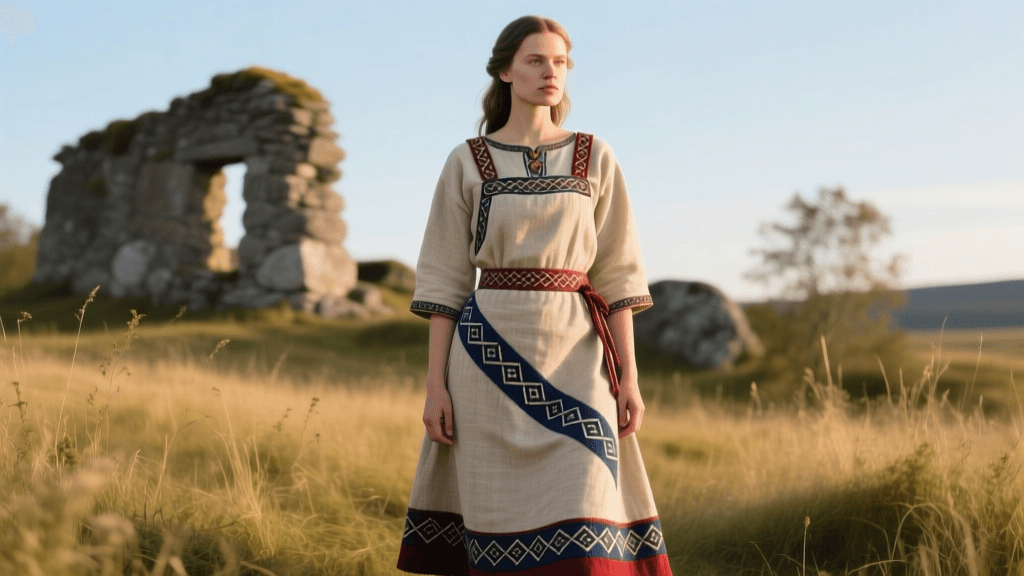
The base layer of almost all Balkan folk dress is the košulja, a long, flowing tunic or shirt typically made from hand-woven linen or hemp. In 2026, authentic artisans in regions like Lika (Croatia) and Šumadija (Serbia) are reviving heritage flax processing techniques, resulting in linen that is remarkably durable and breathable. The sleeves and chest panels are often adorned with intricate cross-stitch or smok (a traditional Slavic chain stitch) using naturally dyed wool threads. Over the košulja, women wear the skuti or bošča, a heavily embroidered apron that serves as the visual centerpiece of the ensemble. Authentic vintage aprons from the early 20th century are highly prized, but contemporary weavers in 2026 are producing stunning replicas using traditional backstrap looms.
The Outer Layers: Jelek, Zubun, and Gunj
Over the linen base, both men and women wear various types of vests and jackets. The jelek is a short, sleeveless vest, often crafted from dark wool broadcloth (čoja) and heavily embellished with gold or silver thread embroidery (srma). For colder months, the zubun (a longer, open-front tunic made of white or cream wool) and the gunj (a thick, hooded wool coat) provide essential warmth. According to the Ethnographic Museum in Belgrade, the specific cut and embroidery patterns of the zubun can pinpoint a wearer's origin to a specific valley or village cluster, a level of geographic specificity that remains a major draw for textile collectors today.
Opanci Footwear: The Ultimate 2026 Sourcing and Sizing Guide
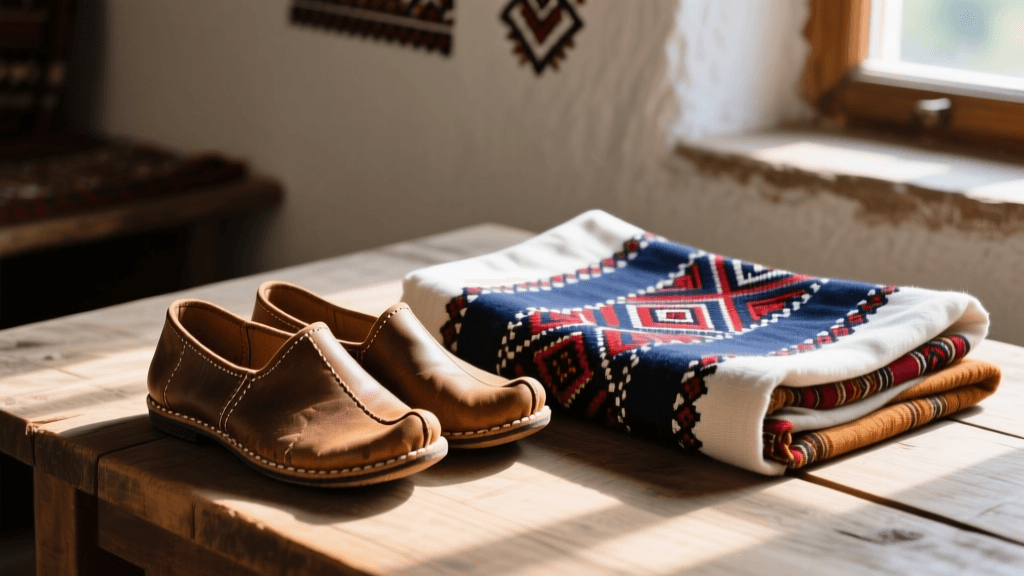
No Balkan folk dress is complete without opanci, the traditional peasant footwear that has been worn across the Balkan Peninsula for centuries. Crafted from a single piece of leather or woven from narrow leather strips, opanci are a marvel of functional design. In 2026, sourcing authentic, handmade opanci requires an understanding of regional styles and proper sizing techniques.
Regional Variations of Opanci
- Opanci Oputnjaši (Woven): Most common in Serbia, Bosnia, and parts of Croatia, these are constructed by weaving narrow strips of rawhide or tanned leather through a braided rim. They are incredibly flexible and mold perfectly to the foot over time.
- Opanci Kapičari (Capped): Prevalent in Bulgaria and North Macedonia, these feature a solid leather toe cap and a more structured, shoe-like appearance. They are often worn with thick, hand-knitted wool socks featuring vibrant geometric patterns.
- Opanci Đonovi (Soled): A later evolution featuring a hardened leather sole, offering better protection on rocky terrain while retaining the traditional woven upper.
2026 Sizing and Fit Guide
Sizing traditional opanci in 2026 can be challenging, as they do not follow standard modern EU or US shoe sizing. Because they lack internal padding and rigid arch support, the fit relies entirely on the leather molding to your foot. When ordering from artisan workshops in 2026, you must provide your exact foot length in centimeters and your foot width at the ball of the foot. Pro Tip: If you are purchasing oputnjaši (woven rawhide), they will stretch significantly. Artisans recommend ordering a size that feels snug—almost slightly tight—upon arrival, as the rawhide will expand up to half a size after a few days of wear. Expect to pay between €85 and €160 for a custom-made pair from a master shoemaker in 2026, a price that reflects the hours of hand-braiding required.
Textile Heritage: Čerga Weaving and Embroidery
The heavy wool textiles used in Balkan folk dress are deeply tied to the region's pastoral history. The čerga, a thick, hand-woven wool blanket or rug, is a staple of the mountainous regions. In 2026, the revival of natural dyeing has brought back the rich, earthy palettes of the past. Artisans are once again using madder root for deep reds, walnut husks for rich browns, and weld for vibrant yellows. The UNESCO Intangible Cultural Heritage lists have been instrumental in protecting and promoting these traditional weaving techniques, ensuring that the knowledge of operating massive wooden floor looms is passed down to a new generation of weavers.
Comparison Chart: Regional Balkan Folk Dress Variations
| Region | Key Garment | Footwear Style | Dominant Colors & Motifs |
|---|---|---|---|
| Šumadija (Serbia) | Zubun (white wool vest), heavy silver jewelry | Oputnjaši (woven rawhide) | White, red, black; geometric crosses and solar motifs |
| Lika (Croatia) | Haljina (tunic), red woven apron | Opanci with red wool bindings | Deep red, black, white; stylized floral and vine patterns |
| Rhodope (Bulgaria) | Saya (open-front tunic), heavily embroidered sleeves | Kapičari (capped leather shoes) | Vibrant red, green, gold; dense, continuous embroidery covering the fabric |
| Ohrid (North Macedonia) | Klit (pleated skirt), silver pafti (belt buckles) | Soft leather moccasin-style opanci | Crimson, indigo, gold; intricate silk threadwork and metallic coins |
Where to Source Authentic Pieces in 2026
Finding genuine Balkan folk dress requires bypassing commercial costume shops and connecting directly with heritage cooperatives and master artisans. In 2026, the most reliable sourcing channels include:
- Village Cooperatives: Places like the Sirogojno knitters in Serbia or the Pirot kilim weavers operate as protected geographic indications. Purchasing directly from their official 2026 catalogs ensures you are getting authentic, hand-spun wool dyed with natural pigments.
- Ethnographic Museum Gift Shops: Major institutions, such as the National Museum of Serbia or the Ethnographic Museum in Zagreb, partner with vetted artisans to sell high-quality reproductions and vintage restorations.
- Specialized Heritage Boutiques: A growing number of online boutiques based in the Balkans specialize in sourcing vintage nosnja components from rural estates, cleaning them using conservation-grade methods, and offering them to international collectors.
Care and Maintenance of Traditional Textiles
Maintaining these garments in 2026 requires a departure from modern laundry habits. Never machine wash hand-woven linen or heavily embroidered wool. Linen košuljas should be hand-washed in cool water with a pH-neutral detergent and laid flat to dry. Wool vests and aprons should be spot-cleaned and aired out in the shade. For leather opanci, regular application of natural beeswax or mink oil is essential to prevent the rawhide from drying out and cracking, especially if you are wearing them in modern, climate-controlled environments that lack the natural humidity of a traditional Balkan home.
Conclusion
The Slavic and Balkan folk dress tradition is a living, breathing testament to the resilience and artistry of Eastern European cultures. Whether you are meticulously assembling a historically accurate Šumadija nosnja, investing in a pair of hand-woven opanci, or simply studying the complex geometry of a Pirot čerga, engaging with these garments in 2026 is an act of cultural preservation. By prioritizing authentic sourcing, understanding regional nuances, and supporting the master artisans who keep these techniques alive, you ensure that the vibrant legacy of Balkan textile heritage continues to thrive for generations to come.