Authentic Vyshyvanka and Romanian Ie Sourcing Guide 2026
The 2026 Renaissance of Slavic and Balkan Folk Dress
The landscape of Eastern European and Balkan folk dress has undergone a profound transformation as we navigate 2026. No longer confined to museum vitrines or occasional heritage festivals, traditional garments like the Ukrainian vyshyvanka and the Romanian ie have firmly established themselves in the global ethical fashion consciousness. Driven by a post-pandemic desire for slow fashion, deep cultural storytelling, and sustainable textile practices, collectors and everyday wearers alike are seeking out authentic, hand-embroidered pieces. However, the surge in popularity has also led to a market saturated with mass-produced imitations and, increasingly, AI-generated pattern replicas. This comprehensive guide will equip you with the knowledge to identify, source, and style authentic Slavic and Balkan embroidered blouses in today's market.
The Anatomy of Heritage: Vyshyvanka vs. Ie
While both garments share a foundation in the traditional Slavic and Balkan sorochka (a loose, tunic-like linen shirt), their structural anatomy and embroidery placement differ significantly based on regional heritage.
The Ukrainian Vyshyvanka
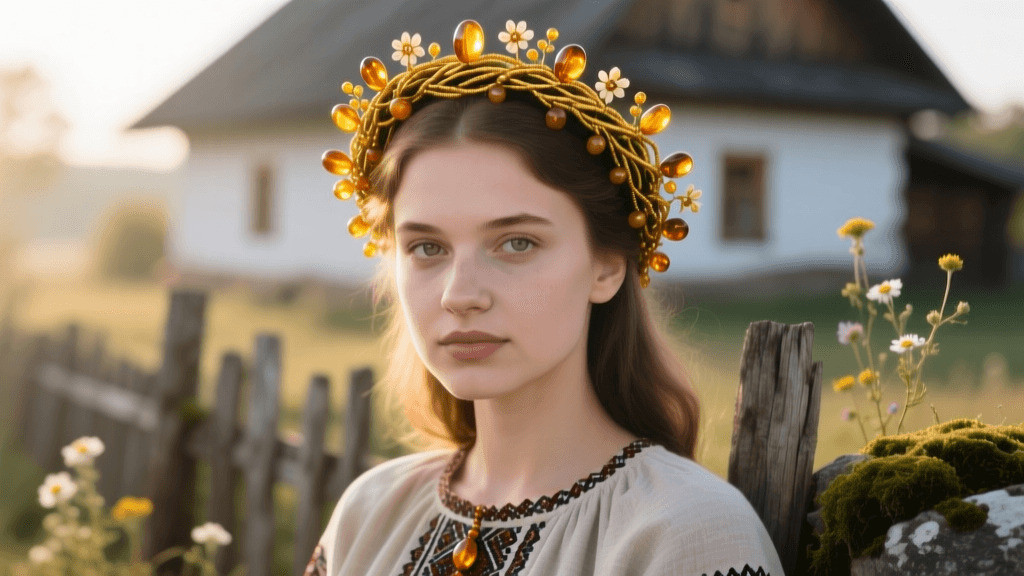
The vyshyvanka is defined by its strategic embroidery placement, which historically served as a protective talisman. In authentic 2026 artisan pieces, you will find dense geometric or floral cross-stitch and satin-stitch work concentrated on the 'vulnerability points' of the body: the neckline, the cuffs, and the hem. The traditional cut utilizes rectangular pieces of fabric with minimal waste, often featuring a central chest panel known as the pazukha. Modern authentic makers have returned to using hand-woven hemp and linen blends, moving away from the stiff, bleached cottons that dominated the commercial market in the early 2020s.
The Romanian Ie
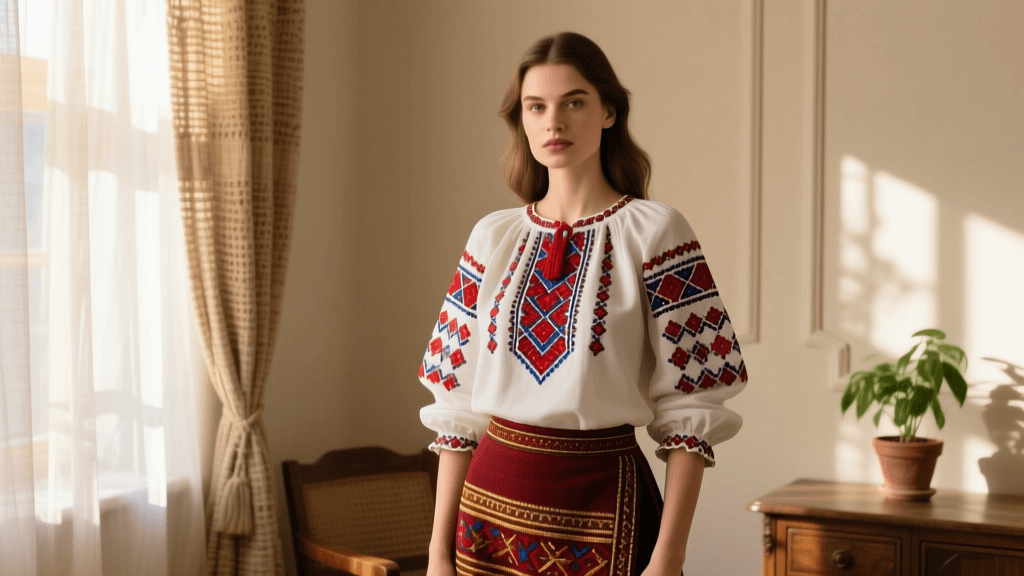
The Romanian ie is globally celebrated for its intricate, rhythmic patterns and distinct structural elements. The most defining feature of the traditional ie is the altiță—a wide, heavily embroidered band across the shoulder. Below the altiță lies the increț (a gathering of fabric), followed by vertical rivers of embroidery known as râuri flowing down the sleeves and body. As documented by the UNESCO Intangible Cultural Heritage lists, which formally recognized the traditional techniques of the Romanian blouse, the altiță is not merely decorative; it is a complex geometric code that historically indicated the wearer's specific village, social status, and marital availability.
Thread Count, Weave, and Natural Dyes in 2026
To authenticate a piece in 2026, one must look beyond the pattern and examine the textile foundation. The revival of heritage weaving has brought specific technical standards back to the forefront of high-end folk dress sourcing.
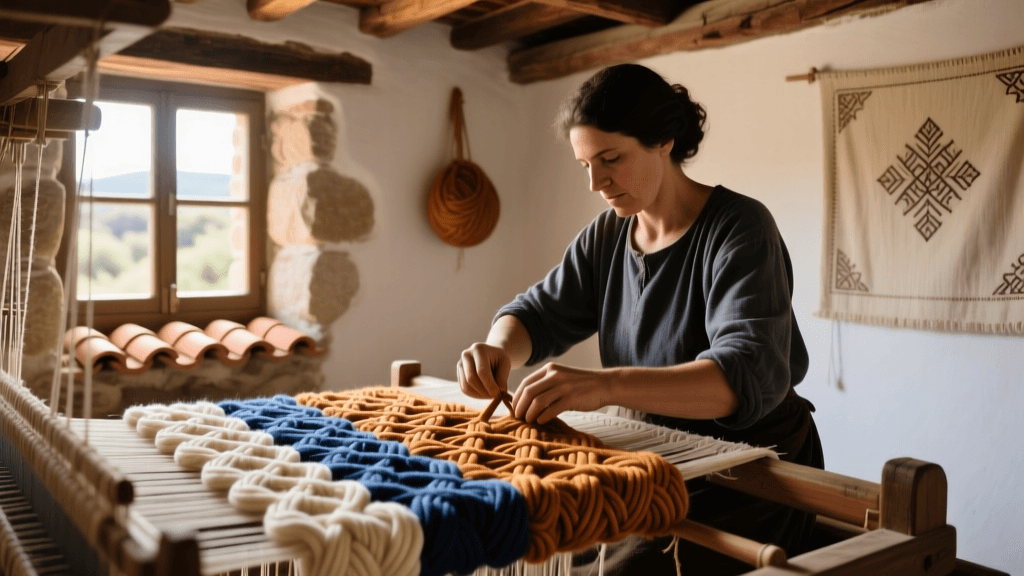
- The Canvas: Authentic artisans utilize 24-count to 28-count evenweave linen or hemp-linen blends. This specific thread count allows for the meticulous counting required in traditional cross-stitch and blackwork techniques. If the fabric has a high synthetic sheen or lacks the natural 'slubs' (minor irregularities) of hand-loomed fibers, it is likely a commercial factory replica.
- The Thread: While commercial DMC cotton floss is common in hobbyist circles, master artisans in 2026 are increasingly returning to hand-spun wool and silk threads for premium pieces. Silk threads offer a luminous quality that catches the light differently than matte cotton, a hallmark of high-status historical garments from the Bukovina and Olt regions.
- Natural Dyes: The most sought-after heirloom pieces today feature botanically dyed threads. Look for the deep, muted terracotta of madder root, the rich browns of walnut husks, and the subtle yellows derived from weld or onion skins. These natural dyes age beautifully, developing a complex patina that synthetic dyes cannot replicate.
Decoding Regional Motifs: A Field Guide
Understanding regional motifs is essential for both collectors and those looking to wear garments that respect specific cultural lineages. For historical reference points on authentic stitch density and motif evolution, the Victoria and Albert Museum's textile collections provide an excellent baseline for Eastern European embroidery archives.
Ukrainian Hutsul vs. Bukovina
The Hutsul region, nestled in the Carpathian Mountains, is famous for its bold, high-contrast geometric patterns. Authentic Hutsul vyshyvankas heavily feature rhombuses (symbolizing sown fields and fertility), eight-pointed stars, and vibrant combinations of red, black, and yellow. Conversely, the Bukovina region is renowned for its 'white-on-white' embroidery and delicate floral motifs, utilizing intricate cutwork and drawn-thread techniques (merezhka) that create a textured, lace-like effect.
Romanian Maramureș vs. Olt Valley
In Romania's northern Maramureș region, the ie tends to be more subdued, featuring earthy tones, tighter collars, and motifs inspired by the surrounding dense forests, such as stylized leaves and ferns. In stark contrast, the Olt Valley in the south produces blouses characterized by explosive, sprawling floral patterns, often utilizing metallic gold or silver threads interwoven with vibrant red and black silk to catch the sunlight during outdoor harvest festivals.
Identifying Counterfeits in the 2026 Market
The most critical skill for a modern buyer is distinguishing between a handcrafted heirloom and a machine-made counterfeit. In 2026, AI-generated embroidery patterns have flooded fast-fashion platforms, mimicking the 'look' of folk dress without the structural integrity or cultural accuracy.
The 'Wrong Side' Test: Turn the garment inside out. In authentic hand-embroidered pieces, particularly those using the traditional two-sided cross-stitch or counting techniques, the reverse side of the fabric should be nearly as neat as the front, with minimal loose threads or chaotic jumps. Machine embroidery, conversely, will show a dense, messy web of backing threads and stabilizers on the reverse side.
The Gathering Technique: Authentic Romanian ie blouses feature hand-gathered necklines and cuffs, often secured with a braided cord (șnur). If the gathering is achieved through elastic bands or machine-sewn smocking, the garment is a modern commercial adaptation, not a traditional piece.
2026 Sourcing Guide: Ethical Cooperatives and Pricing
To support the living heritage of these textiles, buyers should source directly from artisan cooperatives or verified heritage platforms. The Ukrainian Museum's folk art archives and associated contemporary artisan networks remain the gold standard for verifying the lineage of Ukrainian makers. Below is a guide to reputable sourcing networks and their 2026 market valuations.
| Cooperative / Artisan Network | Region | Specialty | 2026 Avg. Price (USD) |
|---|---|---|---|
| Borshchiv Heritage Collective | Ternopil, Ukraine | Black-on-black & geometric cross-stitch | $280 - $450 |
| Maramureș Artisan Guild | Northern Romania | Altita shoulder embroidery, hemp blends | $220 - $380 |
| Hutsulshchyna Weavers | Carpathian Mountains, Ukraine | Vibrant rhombus motifs, wool-linen blends | $190 - $320 |
| Olt Valley Textile Co-op | Southern Romania | Floral threadwork, silk-cotton blends | $250 - $400 |
| Bukovina Merezhka Masters | Chernivtsi, Ukraine | White-on-white cutwork and drawn-thread | $350 - $550 |
Note: Prices reflect fully hand-embroidered pieces requiring 40 to 120 hours of labor. Pieces priced below $150 are almost certainly machine-embroidered or produced in overseas factories.
Styling Traditional Garments for the Modern Wardrobe
The beauty of the vyshyvanka and ie in 2026 lies in their versatility. The key to styling these pieces is to treat them as luxury statement tops, balancing their intricate volume with structured, minimalist bottoms.
- The Elevated Office Look: Pair a Bukovina white-on-white vyshyvanka with high-waisted, wide-leg linen trousers in charcoal or navy. Tuck the blouse in slightly at the front to define the waist, and finish with minimalist leather loafers. The monochromatic embroidery keeps the look sophisticated rather than costumey.
- Weekend Heritage: A vibrant Hutsul blouse pairs beautifully with raw, straight-leg denim and ankle boots. Allow the cuffs of the blouse to blouse slightly over the wrist, showcasing the dense geometric embroidery.
- Evening Elegance: For formal events, an Olt Valley ie featuring metallic silk threads can be layered under a sharply tailored, sleeveless wool blazer. The contrast between the rigid, modern tailoring and the fluid, historical embroidery creates a striking, contemporary silhouette.
Textile Care and Preservation
Authentic folk dress is an investment in living history, and proper care is essential to preserve the integrity of natural fibers and botanical dyes.
- Washing: Never machine wash hand-embroidered linen or hemp. Hand wash in cool water (below 30°C) using a pH-neutral, specialized textile soap. Avoid aggressive wringing, which can distort the evenweave canvas and cause the embroidery to pucker.
- Drying and Ironing: Lay the garment flat on a clean, dry towel to air dry away from direct sunlight, which can fade natural dyes. Iron the garment while it is still slightly damp, always pressing on the reverse side over a thick, padded towel to prevent crushing the three-dimensional texture of the embroidery stitches.
- Storage: Store heirloom pieces wrapped in acid-free tissue paper inside a breathable cotton garment bag. Avoid wire hangers, which can distort the delicate hand-gathered necklines; instead, use padded, wide-shoulder wooden hangers.
Conclusion
As we move through 2026, the appreciation for Slavic and Balkan folk dress continues to deepen, shifting from superficial trend-chasing to a profound respect for artisan craftsmanship. By understanding the anatomy, motifs, and ethical sourcing channels of the vyshyvanka and ie, you not only elevate your personal wardrobe but also actively participate in the preservation of Europe's most exquisite textile traditions.