Best Flamenco Dresses for Feria 2026: Dance & Festival Guide
The Intersection of Festival Culture and Folk Dance in 2026
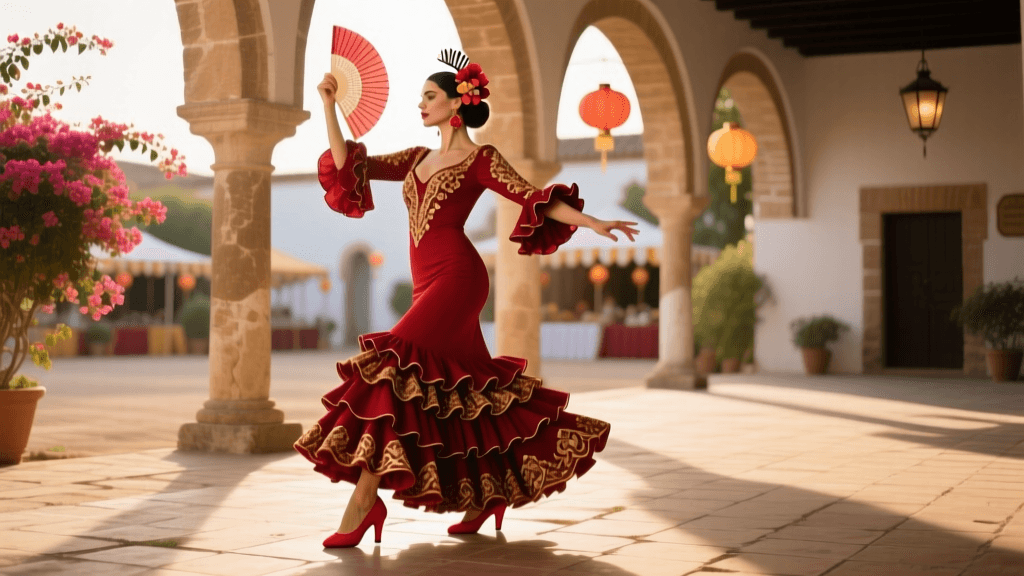
As the vibrant spring of 2026 approaches, the anticipation for the Feria de Abril in Seville reaches a fever pitch. This iconic Andalusian festival is not merely a social gathering; it is a living, breathing exhibition of European folk dress and traditional dance. At the heart of this celebration is the Traje de Flamenca (Flamenco dress), a garment that perfectly bridges the gap between high fashion, regional heritage, and the rigorous physical demands of folk dance. Recognized globally for its cultural significance, the Flamenco tradition was inscribed on UNESCO's Intangible Cultural Heritage list, cementing its status as a vital pillar of European cultural identity.
For the modern festival-goer and folk dancer, selecting the right Traje de Flamenca for 2026 requires a deep understanding of both textile trends and the biomechanics of the Sevillanas—the traditional folk dance performed in the bustling casetas (marquees) of the Feria. This comprehensive guide explores the anatomy of the 2026 flamenco dress, offering actionable advice on measurements, fabric choices, and dance mobility to ensure you look spectacular and move with total freedom.
The Anatomy of the 2026 Traje de Flamenca
The traditional flamenco dress is a masterclass in structural tailoring and dramatic flair. Unlike stage costumes designed purely for theatricality, the festival dress (often called the traje de gitana) must withstand twelve-hour days of walking, socializing, and dancing in the Andalusian heat. The 2026 collections emphasize a return to the elongated, elegant silhouettes of the 1970s, updated with modern, breathable textiles.
Core Components
- El Cuerpo (The Bodice): Fitted tightly to the torso, often featuring princess seams to accentuate the waist. In 2026, deep V-necks and sweetheart necklines remain popular, but with the addition of sheer organza modesty panels for better support during vigorous dancing.
- Las Mangas (The Sleeves): Ranging from short cap sleeves to dramatic, multi-tiered bell sleeves. For dancers, the sleeve must allow full extension of the braceo (arm movements) without pulling the bodice out of alignment.
- Los Volantes (The Ruffles): The defining feature of the skirt. The placement and weight of the ruffles dictate how the skirt behaves during the vuelta (turns) and paseos (walks).
- La Cola (The Tail/Train): Festival dresses typically feature a moderate train that can be managed with a discreet wrist loop or a decorative brooch, preventing it from being stepped on by dance partners.
Designing for the Sevillanas: Dance Mobility and Skirt Cuts
The Sevillana is a partnered folk dance characterized by intricate footwork, sharp turns, and deep squats (sentadillas). If your skirt is too narrow at the knees or too heavy at the hem, executing the fourth copla (verse) of the Sevillana becomes nearly impossible. According to the archival resources at the Museo del Baile Flamenco in Seville, the evolution of the dress has always been dictated by the evolving complexity of the dance.
When commissioning or purchasing a dress for the 2026 Feria, you must choose a skirt cut that matches your dance proficiency and comfort level. Below is a comparison of the primary skirt cuts available in 2026 collections.
| Skirt Cut (Corte) | Description & Silhouette | Dance Mobility Rating | Best For |
|---|---|---|---|
| Corte Sirena (Mermaid) | Fitted tightly through the hips and thighs, flaring out sharply below the knee with cascading ruffles. | Moderate | Advanced dancers who keep their knees close during turns; creates a dramatic, whipping visual effect. |
| Corte Canesú (Yoke) | Fitted to the mid-thigh, then gathered into a yoke before dropping into voluminous, uniform ruffles. | High | Intermediate dancers; allows ample room for deep squats and wide stances without fabric restriction. |
| Corte Capa (Circular) | Cut from a full circle of fabric, creating a massive, flowing skirt with ruffles integrated into the hem. | Very High | Beginners and energetic dancers; the skirt lifts beautifully during rapid spins (vueltas quebradas). |
| Corte Nesgas (Gored) | Constructed from multiple triangular panels, providing a smooth fit over the hips that flares gradually. | High | All levels; offers the most balanced weight distribution, reducing fatigue during long festival days. |
Calculating Skirt Weight and Ruffle Volume
A common mistake for first-time Feria attendees is choosing a dress with too many heavy ruffles. In 2026, the trend leans toward volantes de capa (circular ruffles) made from lightweight cotton poplin or silk-blend crepe. A standard festival dress should weigh no more than 2.5 to 3 kilograms (5.5 to 6.6 lbs). Anything heavier will cause lower back fatigue after just a few hours of dancing. Ensure your dressmaker uses bias tape (bies) to hem the ruffles, which adds structure without adding significant weight.
2026 Textile Trends: Sustainability and Digital Prints
The European folk dress market has seen a massive shift toward sustainability, and the 2026 Traje de Flamenca is no exception. The traditional heavy synthetic polyesters that dominated the early 2000s have been entirely replaced by eco-conscious textiles. According to the official Andalusian tourism board, the preservation of regional culture is increasingly tied to sustainable local production.
- Organic Cotton-Silk Blends: The premier choice for 2026. These fabrics offer the matte finish and breathability of cotton with the slight sheen and drape of silk, perfect for the 30°C (86°F) spring temperatures in Seville.
- Micro-Lunares via Digital Printing: The classic polka dot (lunar) remains the undisputed king of Feria prints. However, 2026 features digitally printed micro-dots on sustainable viscose, allowing for intricate, high-definition patterns that do not bleed or fade in the sun.
- Color Palettes: While classic red and black are eternal, the 2026 Feria color trends heavily feature Buganvilla (vibrant bougainvillea pink), Verde Oliva (muted olive green), and Azul Klein (a striking, deep electric blue).
Essential Accessories for the Festival Dancer
A Traje de Flamenca is incomplete without its traditional accessories. However, for the folk dancer, these items must be secured meticulously to withstand the rigors of the Sevillanas.
Zapatos de Flamenco (Flamenco Shoes)
Dancing in the wooden-floored casetas requires specialized footwear. Do not wear standard heels. You must invest in proper flamenco shoes featuring clavos (small metal nails) embedded in the heel and toe to produce the percussive zapateado sound. For the Feria, a 6cm robust heel (tacón de carrete) is highly recommended over the 8cm stage heel, as it provides the necessary stability for walking on uneven grass and gravel between marquees. Expect to pay between €120 and €180 for a high-quality pair from established Spanish brands in 2026.
El Mantón de Manila (The Silk Shawl)
The embroidered silk shawl is a masterpiece of European and Asian textile exchange, originally imported from Manila via the Galleon trade. For dancing, the mantón must be tied securely. The traditional festival method involves crossing the shawl over the chest, wrapping it around the back, and tying it tightly at the hip or securing it with a decorative brooch. This prevents the heavy silk and long fringe (macramé) from tangling in your arms during the braceo.
Peineta and Flores (Hair Accessories)
The hair is swept into a low, tight chignon (moño), adorned with a decorative comb (peineta) and a large fabric flower (flor). For dancers, the flower must be placed on the side of the head opposite the parting, tilted slightly forward. Secure it with heavy-duty U-pins and a hidden hairnet; the centrifugal force of a rapid Sevillana turn will easily dislodge a poorly pinned flower.
Budgeting and Sourcing Your 2026 Garment
Acquiring a Traje de Flamenca is an investment in European cultural heritage. The 2026 market in Seville offers options for every budget, but planning ahead is crucial, as the best dressmakers book their fittings by January.
- Prêt-à-Porter (Off-the-Rack): Available in large department stores and specialized boutiques on Calle Asunción. Prices range from €150 to €350. These are excellent for beginners, though the synthetic blends may lack breathability.
- Semi-Bespoke (Arreglo y Adaptación): Purchasing a pre-made bodice and having a seamstress custom-fit the skirt and ruffles. Costs range from €400 to €600.
- A Medida (Full Bespoke): The ultimate experience. You select the fabric, the cut, and the ruffle configuration, working with a master tailor in neighborhoods like Triana or Los Remedios. Expect to pay between €800 and €1,500+, with at least three fitting sessions required.
Garment Care During and After the Feria
The Feria environment is a mix of fine dust, spilled drinks, and intense heat. To preserve your 2026 investment, avoid dry cleaning unless absolutely necessary, as harsh chemicals can degrade the digital prints and stiffen the organic cottons. Instead, utilize a specialized textile steamer to remove wrinkles from the bodice and gently refresh the ruffles. When storing the dress post-festival, never hang it by the shoulders; the weight of the ruffles will stretch the bodice over time. Fold the skirt carefully with acid-free tissue paper between the ruffles to maintain their circular shape, and store it in a breathable cotton garment bag in a cool, dry environment.
Conclusion
The Traje de Flamenca is a testament to the enduring power of European folk dress. It is a garment that demands to be moved in, celebrated, and lived in. By understanding the structural requirements of the Sevillanas, embracing the sustainable textile innovations of 2026, and accessorizing with an eye toward dance mobility, you will not only honor the rich heritage of the Feria de Abril but also experience the sheer joy of Andalusian folk dance in absolute comfort and style.