2026 Traje de Flamenca Guide: Feria de Abril Dance Dresses
The Traje de Flamenca: A 2026 Guide for Feria de Abril Dancers
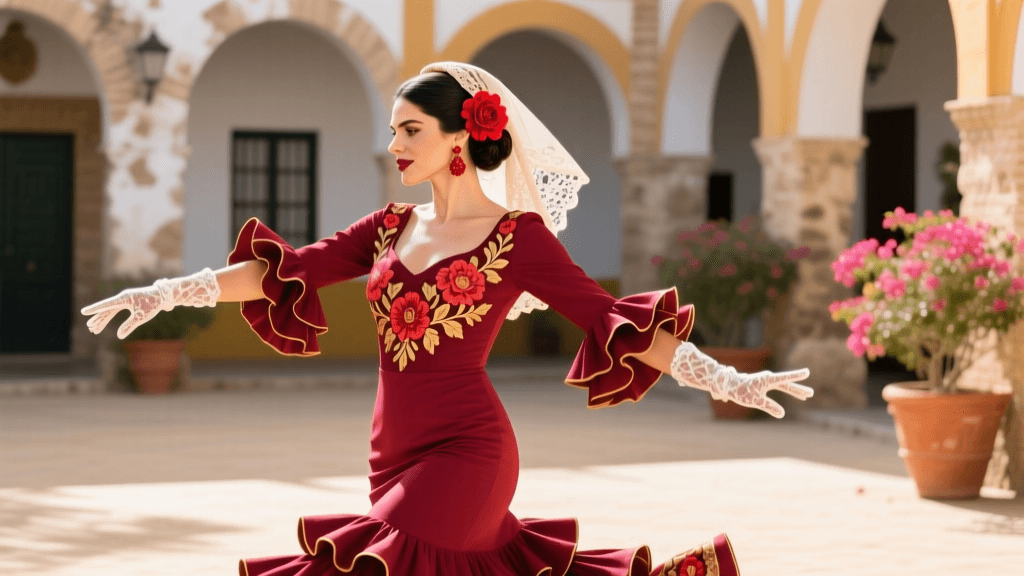
As the vibrant casetas of Seville prepare for the 2026 Feria de Abril, the Traje de Flamenca (also known as the Traje de Gitana) remains the undisputed queen of European folk festival wear. Unlike static historical costumes, the Andalusian flamenco dress is a living, breathing garment designed explicitly for movement, passion, and the rhythmic demands of folk dance. For dancers participating in the 2026 festival season, selecting the right dress is not merely a fashion choice; it is a critical component of dance performance, specifically for the Sevillanas.
This comprehensive guide explores the 2026 trends emerging from the Salón Internacional de la Moda Flamenca (SIMOF), provides actionable tailoring measurements for dancers, and breaks down the mechanics of how traditional Spanish folk dress interacts with the body during festival dancing.
Anatomy of the 2026 Dance-Ready Flamenca Dress
To dance comfortably from noon until midnight in the spring heat of Andalusia, your dress must balance structural support with kinetic fluidity. The modern 2026 silhouette retains the classic elements but incorporates advanced textile engineering for better breathability and movement.
The Bodice (Cuerpo)
The bodice must act like a second skin, providing support without restricting the diaphragm. For dancers, the armholes (sisa) must be cut slightly higher and tighter than standard daywear to prevent the fabric from pulling when you raise your arms for braceo (flamenco arm movements). In 2026, many top ateliers in the Triana district are utilizing hidden stretch-mesh panels beneath the arms to allow for maximum ribcage expansion during intense zapateado (footwork) sequences.
The Skirt and Volantes (Ruffles)
The skirt is the soul of the dancer's visual expression. For the 2026 season, the trend has shifted away from the overwhelmingly heavy, multi-layered tulle ruffles of the late 2010s. Instead, designers are favoring single or double-tiered volantes made from lightweight viscose and sustainable cotton blends. These materials catch the air beautifully during vueltas (turns) without causing the dancer to overheat or fatigue from the garment's weight.
Fabric Selection for Sevillanas Dance
Choosing the wrong fabric can turn a joyful dance into an exhausting chore. The Sevillanas involves sharp turns, sudden stops, and rhythmic foot stomping. Your fabric must respond to these forces. Below is a comparison of the top fabrics recommended for dance-ready festival dresses in 2026.
| Fabric Type | Dance Suitability | Weight & Movement | 2026 Avg. Price (Dress) |
|---|---|---|---|
| Cotton Poplin | Excellent | Lightweight, crisp, holds ruffle shape well during turns. | €250 - €450 |
| Crepe (Viscose Blend) | Very Good | Fluid, drapes beautifully, heavier but creates dramatic swish. | €300 - €550 |
| Silk-Tulle Mix | Fair (Fatiguing) | Extremely voluminous, catches wind, can be heavy when layered. | €500 - €900+ |
| Stretch Jersey | Good (Casual) | Clings to the body, less dramatic ruffle action, highly breathable. | €150 - €300 |
"For a dancer performing Sevillanas in the crowded casetas, a structured cotton poplin with a single, wide volante is the ultimate choice for 2026. It provides the iconic silhouette without the tripping hazard of excessive tulle." — Andalusian Folk Textile Review, Spring 2026
Mastering the Fit: Actionable Tailoring Measurements
A standard off-the-rack dress will not suffice for serious folk dancing. When visiting an atelier or ordering a custom piece for the 2026 Feria, provide your tailor with these specific dance-oriented measurements:
- The Hemline Rule: The front hem of your skirt must fall exactly 3 to 5 centimeters off the ground while you are wearing your dance shoes. Any longer, and you risk stepping on your ruffles during the pasadas (crossing steps); any shorter, and you lose the elegant sweep of the fabric.
- Bodice Ease: Allow exactly 2 centimeters of ease in the bust and ribcage measurements. Flamenco breathing is deep and percussive; a bodice that is skin-tight while standing will restrict oxygen flow during a three-minute Sevillanas routine.
- Sleeve Mobility: If opting for long sleeves or mangas farol (puff sleeves), ensure the underarm gusset is reinforced. Test the fit by raising both arms above your head and clapping; the bodice should not ride up more than an inch.
The Mechanics of Dance: Dress Interaction with Sevillanas
The Sevillanas is a folk dance divided into four distinct parts (coplas), each requiring specific interactions with your dress. Understanding this will help you manipulate your skirt like a professional.
The Paseo and Pasada
During the walking sequences, the dancer uses one hand to hold the edge of the volante at knee height. In 2026, many dresses feature a hidden, reinforced ribbon loop sewn into the inside seam of the bottom ruffle. This allows the dancer to hook a finger securely into the skirt without crushing or tearing delicate lace trims.
The Vuelta (Turn)
The vuelta requires a sharp, whipped turn of the body. A properly weighted cotton or crepe skirt will flare out into a perfect horizontal disc. To achieve this, some 2026 designers are sewing micro-weights (like small, flat lead-free fishing weights) into the blind hem of the ruffles to maximize centrifugal force and visual impact.
The Zapateado (Footwork)
During rapid footwork, the skirt must be kept clear of the ankles. Dancers use a technique called recogida, gathering the front of the skirt tightly against the thigh with the left hand to expose the footwork and prevent tripping.
Essential Dance Accessories for the 2026 Festival
No Traje de Flamenca is complete without its accompanying accessories, but dancers must choose items that will not impede movement or become dangerous in a crowded festival environment.
Zapatos de Flamenco (Dance Shoes)
Do not wear standard fashion heels to the Feria if you intend to dance. You must invest in proper flamenco shoes. For 2026, the recommended specification for festival dancing is a robust, suede-leather shoe with a 5 to 6 centimeter thick heel and a reinforced toe box. The heel and toe must contain traditional metal nails (clavos) to produce the authentic percussive sound against the wooden floors of the casetas. Expect to pay between €80 and €140 for a reliable pair from established brands like Begoña Cervera or Menkes.
The Mantón de Manila (Silk Shawl)
The intricately embroidered silk shawl is a staple of Andalusian folk dress. However, for dancing, a full-sized, heavy silk mantón is impractical and can cause overheating. For the 2026 season, dancers are opting for medio-mantones (half-shawls) made from lightweight bamboo-silk blends. These provide the stunning visual of the long fringe (flécos) whipping through the air during turns, without the suffocating weight of traditional 100% silk.
Flores and Peinetas (Flowers and Combs)
Secure your hair and flowers meticulously. The vigorous head snaps (desplantes) inherent in flamenco dance will dislodge poorly pinned flowers. Use a wire-reinforced peineta (comb) anchored with U-pins, and opt for high-quality silk fabric flowers rather than fresh blooms, which will wilt in the Andalusian sun and stain your bodice with pollen.
Renting vs. Buying: Navigating the 2026 Market
With the rising cost of artisanal textiles, many festival-goers are weighing the option of renting versus purchasing. According to data from Spain's Official Tourism Portal, the Feria de Abril draws hundreds of thousands of visitors, creating a massive secondary market for folk costumes.
- Renting: Ideal for tourists or first-time attendees. Rental shops in Seville's El Corte Inglés and local Triana boutiques offer 2026 collections for €60 to €120 for a four-day rental. However, rental dresses are rarely tailored to your specific dance measurements, which can compromise your movement.
- Buying Off-the-Rack: Department stores and specialized chains offer ready-to-wear options ranging from €150 to €300. These are great for casual dancing but often lack the structural boning required for advanced braceo.
- Custom Atelier (Alta Costura): For serious dancers and local Sevillanas, commissioning a dress from a local designer is the gold standard. Prices start at €500 and can exceed €1,500 for hand-embroidered, bespoke pieces. As highlighted by the cultural exhibits at the Museo del Baile Flamenco, the preservation of these artisanal techniques relies heavily on the continued patronage of custom folk dressmakers.
Care and Maintenance for the Dancer
After a long day of dancing, eating, and drinking in the casetas, your dress will require immediate care. Never hang a heavy, sweat-dampened flamenca dress on a standard wire hanger; the weight of the wet ruffles will warp the bodice. Instead, lay the dress flat on a clean, dry towel, roll it gently to absorb excess moisture, and then hang it on a padded velvet hanger in a well-ventilated room. For the intricate lace trims popular in 2026, use a handheld steamer on a low setting to remove wrinkles without crushing the delicate textile structures.
Conclusion
The Traje de Flamenca is far more than a beautiful piece of European folk history; it is a highly engineered tool for the dancer. By understanding the 2026 fabric trends, insisting on dance-specific tailoring measurements, and selecting the right percussive footwear, you can fully immerse yourself in the magic of the Feria de Abril. Whether you are executing your first paseo or you are a seasoned bailaora, the right dress will elevate your dance, honor Andalusian tradition, and ensure you remain comfortable from the first guitar strum to the final midnight farewell.