Surviving Extreme Weather in Kimono: 2026 Rain, Snow & Heat Guide
The Evolution of Kimono in Extreme Climates
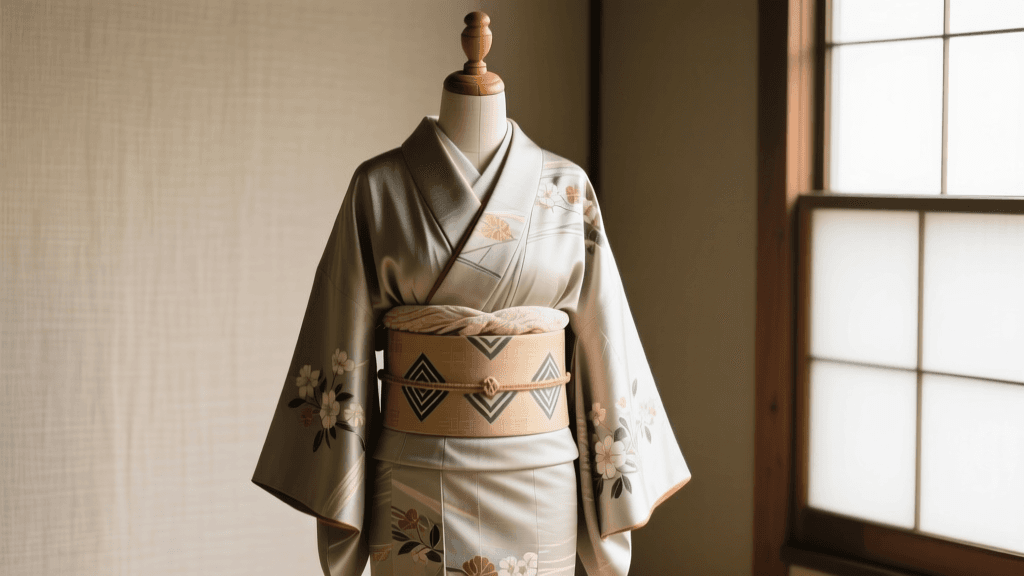
The kimono is universally celebrated as a masterpiece of seasonal expression, with its motifs, colors, and fabrics traditionally shifting to reflect the subtle transitions of the Japanese calendar. However, as we navigate the climate realities of 2026, the transitions are no longer just subtle. Record-breaking summer heatwaves, intensified monsoon downpours, and unpredictable winter snowstorms have forced both seasoned kimono wearers and modern textile innovators to adapt. Wearing traditional Japanese clothing in extreme weather is no longer just about aesthetics; it is a matter of comfort, safety, and garment preservation.
According to extensive historical archives documented by the Victoria and Albert Museum, the kimono has always been a highly adaptable garment, utilizing complex layering systems to manage temperature and protect delicate silks. Today, that tradition of adaptation continues. In 2026, the intersection of time-honored techniques and cutting-edge textile technology offers a comprehensive toolkit for anyone looking to wear kimono comfortably, regardless of what the sky decides to do. Whether you are attending a summer matsuri, navigating a sudden Tokyo squall, or walking through a snowy Kyoto garden, this guide covers the essential adaptations you need.
Beating the Heatwave: Summer Kimono Adaptations
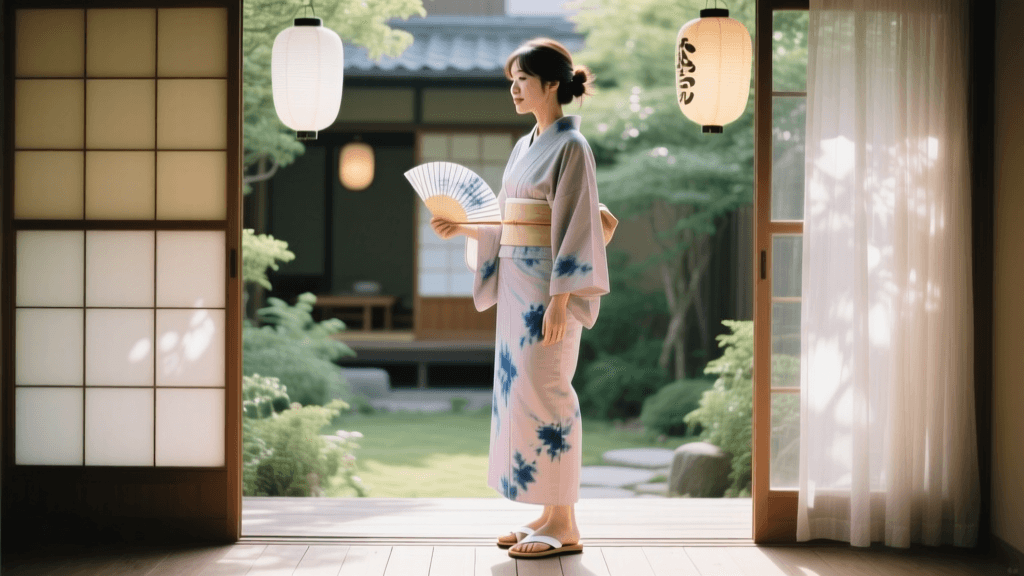
Summer in Japan and many parts of the world has grown increasingly unforgiving. When humidity and temperatures soar, the traditional multi-layered kimono silhouette can feel suffocating if not properly adapted. The secret to surviving a 2026 heatwave in traditional dress lies in fabric selection, specialized undergarments, and strategic ventilation.
Traditional Summer Fabrics: Ro and Sha
For formal and semi-formal summer wear, ro (gauze) and sha (silk leno weave) remain the gold standard. These fabrics feature intentional gaps in the weave that allow air to circulate directly against the skin. In 2026, we are also seeing a surge in high-quality tsumugi (pongee) silk blends treated with natural cooling minerals, offering the crisp drape of traditional silk with an enhanced cool-to-the-touch sensation.
Modern Cooling Undergarments
The hadajuban (under-kimono) and susoyoke (underskirt) are your first line of defense against sweat and heat. In 2026, Japanese innerwear manufacturers have perfected contact-cooling fabrics. Look for hadajuban made from advanced cupro and moisture-wicking synthetic blends that pull perspiration away from the body and evaporate it rapidly. Many modern brands now offer innerwear treated with xylitol or menthol-based microcapsules that actively lower the skin's surface temperature by up to 2°C upon contact with moisture.
Strategic Ventilation and Accessories
To create an 'air chimney' effect, wearers in 2026 are utilizing the koshi-himo (tying cords) more loosely around the waist while ensuring the collar is pulled slightly away from the back of the neck (eri-nuki). This gap allows hot air to escape from the top of the garment. Pair your summer kimono with a higasa (traditional paper or modern UV-blocking parasol) and a sensu (folding fan) to maintain a personal microclimate of shade and breeze.
Navigating the Monsoon: Rain Gear for Kimono
Rain is the natural enemy of silk. A sudden downpour can cause water spots, shrinkage, and irreversible damage to a valuable kimono. The 2026 monsoon season demands a proactive approach to waterproofing, combining traditional rainwear with modern material science.
The Modern Michiyuki and Poncho
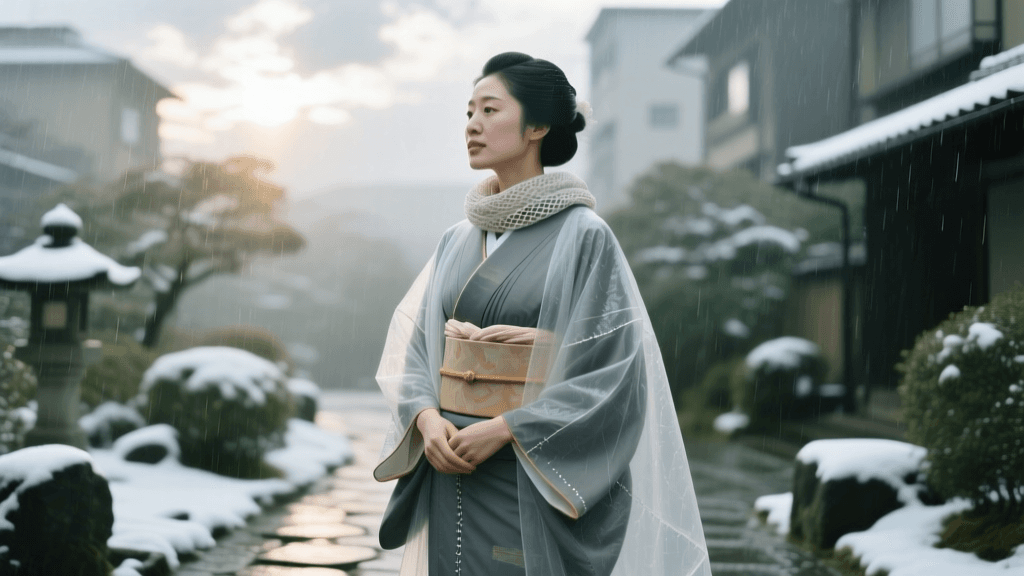
Historically, the michiyuki (a traditional raincoat worn over the kimono) was made from silk treated with persimmon tannin or woven from tightly twisted threads to repel water. Today, the 2026 market is dominated by transparent and semi-transparent PVC and Gore-Tex kimono ponchos. These modern amagoat (raincoats) are designed specifically with the kimono's wide sleeves and dropped hem in mind, offering full coverage without crushing the garment's silhouette. They allow the beauty of the kimono underneath to remain visible while providing an impenetrable barrier against heavy rain.
Footwear Protection: Amageta and Silicone Covers
Dragging a kimono hem through wet pavement is a recipe for disaster. Traditional amageta are wooden clogs with elevated platforms and leather or vinyl covers that strap over the zori (sandals). While beautiful, they can be heavy and cumbersome. A highly popular 2026 adaptation is the use of tailored, waterproof silicone tabi covers and elevated rubber-soled rain zori that mimic the look of traditional tatami-faced sandals but feature high-traction, water-resistant bases.
Fabric Guard Technologies
Before stepping out in unpredictable weather, treating the lower hem (suso) of your kimono with a nano-ceramic fabric guard is essential. Unlike older aerosol sprays that could leave a chalky residue on silk, 2026's liquid nano-sprays bond at the fiber level, creating a hydrophobic barrier that causes water to bead up and roll off without altering the fabric's drape or sheen.
Braving the Snow: Winter Layering Techniques
Winter kimono styling is an art of concealed insulation. The goal is to maintain the elegant, unbroken lines of the kimono while trapping body heat. As explored by the Smithsonian National Museum of Asian Art, historical layering techniques like the junihitoe relied on sheer volume for warmth, but modern winter styling requires smarter, lighter insulation.
Thermal Innerwear and Lined Juban
The nagajuban (inner kimono) is the primary insulating layer. For extreme cold, 2026 winter collections feature nagajuban lined with ultra-thin, aerogel-infused batting or lightweight fleece. These materials provide the thermal retention of heavy wool without adding the bulk that makes tying the obi difficult. Additionally, wearing a haramaki (fleece or wool belly warmer) beneath the kimono protects the core and keeps the entire body significantly warmer.
Outerwear: Haori and Michiyuki
The haori (jacket) and haori-himo (ties) offer excellent opportunities for winter styling. Modern winter haori are frequently constructed with windproof outer shells and down-feather or synthetic thermal linings. For formal occasions where a traditional silk haori is required, a kashimaki (a wide, padded shawl) or a luxurious faux-fur stole draped over the shoulders provides both dramatic elegance and vital warmth for the upper body.
Lower Body Insulation
To protect the legs from biting winds and snow, many women in 2026 are adopting the use of modern monpe (traditional work pants) or thermal leggings worn beneath the kimono. Because the kimono wraps securely around the legs when walking, these hidden layers are completely invisible to the outside world but provide a massive boost in comfort during outdoor winter festivals.
2026 Extreme Weather Kimono Gear Comparison
To help you budget and prepare for your seasonal events, here is a breakdown of traditional versus modern adaptations available in the current market.
| Weather Condition | Traditional Solution | 2026 Modern Adaptation | Est. Cost (USD) |
|---|---|---|---|
| Extreme Heat | Ro/Sha silk weaves, paper fans | Contact-cooling cupro hadajuban, UV-blocking higasa | $45 - $120 |
| Heavy Rain | Oiled paper umbrellas, wooden amageta | Transparent Gore-Tex kimono poncho, silicone tabi covers | $60 - $150 |
| Freezing Snow | Layered silk juban, wool shawls | Aerogel-lined nagajuban, down-insulated windproof haori | $110 - $300 |
| Wet/Slippery Ground | Straw rain-zori, elevated geta | Rubber-soled waterproof zori with high-traction treads | $35 - $85 |
Post-Exposure Care and Maintenance
Surviving extreme weather in a kimono is only half the battle; proper aftercare is what ensures your garments last for generations. If your kimono is exposed to high humidity or light rain, never fold it immediately. Unpick the side seams if necessary and hang it on a specialized kimono hanger (emonkake) in a well-ventilated, climate-controlled room to allow the moisture to evaporate naturally. Direct sunlight or artificial heat sources will cause silk fibers to become brittle and discolor.
For winter garments, ensure that all inner linings are completely dry before storing them in tatoushi (traditional paper storage wrappers). The paper allows the fabric to breathe, preventing the mildew that can occur when heavy winter layers are trapped in plastic. By respecting the garment's needs after exposure to the elements, you preserve the integrity of the silk and the legacy of the craft.
Conclusion
Wearing a kimono in 2026 does not mean suffering for the sake of tradition. By embracing the historical philosophy of adaptation and utilizing the best of modern textile innovations, you can confidently wear traditional Japanese clothing through scorching summers, torrential rains, and freezing winters. The kimono remains a living, breathing garment, capable of evolving alongside the wearer and the changing global climate.