Everyday Saenghwal Hanbok vs Ceremonial Hollyebok: 2026 Guide
The Evolution of Korean Traditional Dress in 2026
The landscape of Korean traditional clothing has undergone a radical transformation over the last decade. As we navigate the fashion landscape of 2026, the hanbok is no longer a monolithic garment reserved solely for major holidays like Chuseok or Seollal. Today, the market is distinctly bifurcated into two primary categories: the everyday 'Saenghwal Hanbok' (daily hanbok) and the formal 'Hollyebok' or 'Myeongjeol Hanbok' (ceremonial and festive wear). Understanding the nuanced differences between these two styles is essential for anyone looking to invest in authentic Korean garments, whether for daily office wear, cultural events, or wedding ceremonies. This comprehensive guide explores the construction, fabric technologies, styling norms, and market pricing of both categories in 2026.
Saenghwal Hanbok: The Everyday Essential
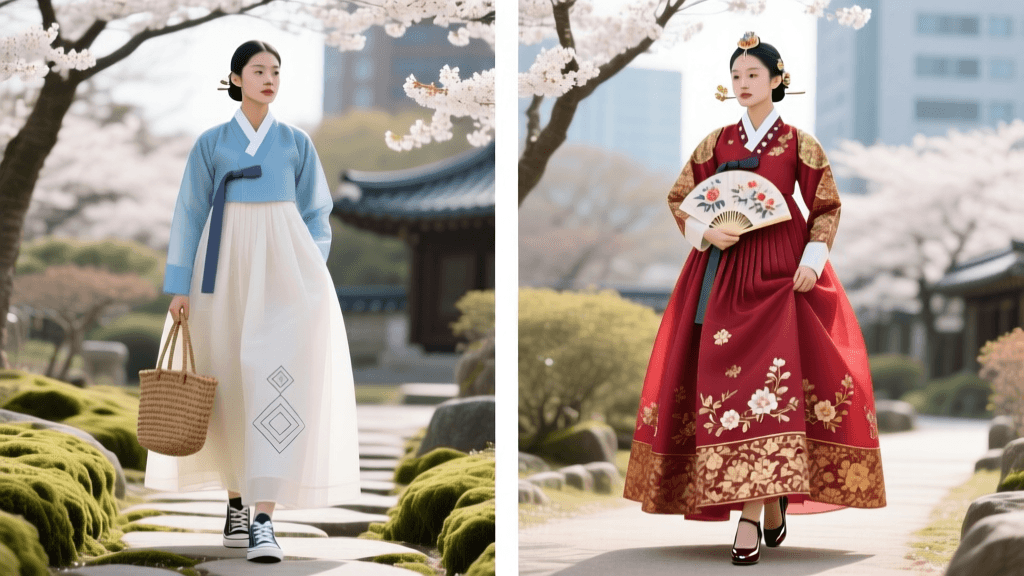
Saenghwal Hanbok, literally translating to 'daily life hanbok,' represents the modernization of traditional Korean silhouettes for contemporary mobility. The defining characteristic of the Saenghwal style is the structural simplification of the traditional jeogori (jacket) and chima (skirt). In 2026, leading daily hanbok brands have perfected the art of hidden conveniences. The traditional goreum (front ribbon tie) is often shortened, stylized, or entirely replaced by discrete magnetic snaps and hidden hooks, allowing the wearer to secure the jacket in seconds. Furthermore, the chima has been revolutionized with elasticized waistbands and integrated hidden pockets, a highly requested feature by modern professionals. The silhouette remains recognizable, maintaining the graceful bell-shape of the skirt and the crisp lines of the dongjeong (white collar), but the restrictive layering of the past has been eliminated.
2026 Fabric Innovations
Fabric innovation is the cornerstone of the 2026 Saenghwal market. While traditional hanbok required meticulous hand-washing and delicate care, everyday hanbok now utilizes advanced, machine-washable textiles. Sustainable hemp-cotton blends, stain-resistant ramie, and high-density organic linens dominate the spring and summer collections. For autumn and winter, lightweight wool blends and quilted tech-fabrics provide warmth without the crushing weight of historical winter garments. According to cultural initiatives highlighted by the Korea Craft and Design Foundation, contemporary artisans are successfully blending heritage weaving techniques with modern eco-friendly dyeing processes, ensuring that daily wear garments are both sustainable and practical for the modern urbanite.
Hollyebok and Myeongjeol: Ceremonial Grandeur
In stark contrast, ceremonial garments—specifically Hollyebok (wedding hanbok) and high-tier Myeongjeol (festive holiday wear)—prioritize opulence, historical accuracy, and symbolic grandeur over convenience. A 2026 ceremonial hanbok is a masterpiece of textile engineering. The jeogori is crafted from lustrous, heavyweight silks, often featuring intricate geumbak (gold leaf stamping) or hand-embroidered motifs of peonies, cranes, and dragons that signify prosperity and longevity. The chima is voluminous, requiring multiple layers of underskirts (sokchima) to achieve the dramatic, sweeping silhouette associated with royalty and high-court attire. The goreum remains long, wide, and meticulously tied in a traditional knot, serving as a central visual anchor of the garment.
The Modern Ceremonial Market
The official Korean government portal notes that global interest in traditional Korean ceremonies has surged, driving a renaissance in bespoke ceremonial wear. Modern brides and grooms in 2026 are increasingly opting for customized Hollyebok that incorporates personal family crests or region-specific natural dyes, such as indigo from Jeju or persimmon dye from Yeongam. Despite the push for modernization in daily wear, the ceremonial sector strictly adheres to the rigorous standards of the Joseon dynasty's court apparel, ensuring that the cultural weight and historical continuity of the garment are preserved during life's most significant milestones.
Direct Comparison: Daily vs. Ceremonial
| Feature | Saenghwal (Everyday) | Hollyebok / Myeongjeol (Ceremonial) |
|---|---|---|
| Primary Fabrics | Cotton, linen, hemp blends, washable tech-silk | Heavyweight silk, satin, brocade, organza |
| Fastening Method | Hidden hooks, magnetic snaps, elastic waists | Traditional long goreum ties, intricate wrapping |
| Care & Maintenance | Machine washable (cold), low-heat tumble dry | Professional dry clean only, specialized storage |
| Average Cost (USD) | $80 - $350 per set | $600 - $3,500+ (Purchase) / $120 - $300 (Rental) |
| Accessories | Minimalist binyeo (hairpin), modern footwear | Elaborate norigae, jeweled binyeo, embroidered shoes |
Styling, Accessories, and Wardrobe Integration
Integrating Saenghwal Hanbok into a modern 2026 wardrobe requires an understanding of proportion and color theory. For office environments, muted tones such as slate grey, navy, and dusty rose are preferred, paired with a simplified, collarless jeogori that mimics the lines of a modern blouse. The chima is often cut to midi-length, falling just below the calf, allowing the wearer to pair the garment with low-heeled leather loafers or minimalist ankle boots. Conversely, ceremonial styling demands maximalism. A bride’s Hollyebok is typically paired with a jokduri (ceremonial crown) and a heavy, multi-strand norigae that hangs from the goreum, anchoring the visual weight of the silk skirt. Data from the Korea Tourism Organization indicates that cultural tourism rentals have also adapted, offering tourists lightweight, hybrid-ceremonial sets that provide the visual impact of a Hollyebok without the physical exhaustion of wearing heavy historical layers.
Essential Styling Rules for 2026
- Footwear Pairing: Reserve traditional embroidered kkotsin shoes strictly for ceremonial Hollyebok. For Saenghwal, opt for sleek leather loafers, Mary Janes, or minimalist white sneakers to bridge the gap between heritage and contemporary streetwear.
- Layering Techniques: In colder months, layer a fitted, ribbed turtleneck beneath the Saenghwal jeogori. Ensure the white dongjeong remains visible to maintain the traditional visual anchor of the neckline.
- Hair and Accessories: Ceremonial wear demands formal updos secured with ornate binyeo hairpins. Daily wear allows for loose, modern hairstyles, accented only by subtle, modernized metal hair clips or minimalist norigae keychains attached to a handbag rather than the garment itself.
- Color Coordination: Traditional Obangsaek (the five cardinal colors) is highly prominent in ceremonial and children's festive wear. For adult daily wear in 2026, monochromatic schemes or analogous color palettes are heavily favored for a sophisticated, understated aesthetic.
Care and Maintenance Protocols
The divergence in care requirements between these two garment types cannot be overstated. Saenghwal hanbok is designed for the realities of modern domestic life; most 2026 collections feature pre-shrunk, color-fast fabrics that can be laundered at home. However, the white dongjeong (collar) often remains detachable, allowing for targeted bleaching or replacement when it becomes soiled. Ceremonial silk, on the other hand, is highly susceptible to water spotting and UV degradation. Professional dry cleaning with specialized organic solvents is mandatory. Furthermore, ceremonial garments must be stored flat in acid-free tissue paper within breathable cotton garment bags, away from direct sunlight, to prevent the gold leaf and natural dyes from oxidizing or fading over time.
Sourcing Authentic Garments
As we move through 2026, the dichotomy between the everyday Saenghwal Hanbok and the ceremonial Hollyebok highlights the remarkable adaptability of Korean cultural heritage. The daily wear sector continues to push the boundaries of textile engineering and functional design, ensuring that the hanbok remains a living, breathing part of modern life rather than a museum relic. Meanwhile, the ceremonial sector stands as a guardian of historical artistry, preserving the meticulous craftsmanship and profound symbolism of Korea's sartorial past. Whether you are seeking a breathable linen set for a summer commute or a magnificent silk ensemble for a wedding, understanding these distinct categories ensures a respectful and stylish engagement with one of Asia's most beautiful traditional garments.