Mamian Skirt Fusion: Styling Hanfu for Modern Streetwear
The Renaissance of the Mamian Skirt in Contemporary Fashion
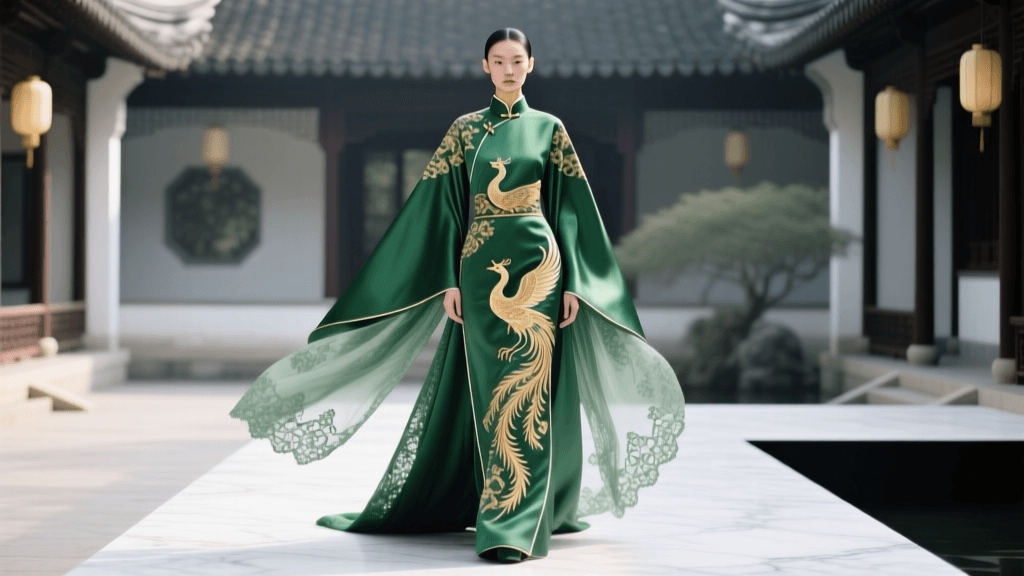
The Mamian skirt, historically known as the 'horse-face skirt' (马面裙), is experiencing an unprecedented renaissance in modern global fashion. Originating in the Song Dynasty and reaching its zenith during the Ming and Qing dynasties, this iconic piece of traditional Chinese clothing is characterized by its unique structural design: two overlapping flat panels at the front and back, flanked by intricately folded side pleats. The term 'horse-face' does not refer to the animal, but rather to the flat, unpleated panels that resemble the defensive architectural structures of ancient Chinese city walls, known as 'mamian'.
Today, the Mamian skirt has transcended its historical boundaries to become a cornerstone of the 'New Chinese Style' (Xin Zhong Shi) movement. Young fashion enthusiasts and designers are actively deconstructing and reimagining this ancient silhouette, blending it seamlessly with contemporary streetwear, office attire, and avant-garde evening wear. This fusion approach not only preserves centuries-old textile craftsmanship but also injects it with modern versatility, making it a highly actionable and stylish addition to the 21st-century wardrobe.
Deconstructing the Silhouette: Key Measurements and Anatomy
To successfully integrate the Mamian skirt into a modern wardrobe, one must first understand its structural anatomy and how it differs from Western skirt patterns. Unlike a standard gathered or A-line skirt, the Mamian skirt relies on a wrap-around mechanism secured by long fabric ties at the waist, though modern adaptations often incorporate hidden zippers or hook-and-eye closures for convenience.
Essential Measurements for the Modern Consumer
- Waist Circumference: Traditional skirts use adjustable ties that can accommodate a wide range of sizes (typically 60cm to 85cm). Modern fusion versions with fixed waistbands require precise measurements, usually available in standard increments (S: 64cm, M: 68cm, L: 72cm).
- Skirt Length: For authentic historical replication, the skirt grazes the floor (approx. 100cm to 105cm). However, for modern streetwear fusion, a midi length (85cm to 90cm) is highly recommended to prevent the hem from dragging and to allow for the display of contemporary footwear like chunky sneakers or combat boots.
- Pleat Depth and Count: The side pleats are the defining feature. High-quality modern adaptations feature 4 to 6 pleats per side, with each pleat measuring 2cm to 3cm in depth. This ensures the skirt flares beautifully during movement while maintaining a slim profile when standing still.
The Cultural Catalyst: From Heritage to Global Headlines
The modern explosion of the Mamian skirt in everyday fashion was significantly accelerated by a high-profile cultural moment in 2022. When a luxury French fashion house released a mid-length pleated skirt that bore a striking structural resemblance to the Ming Dynasty Mamian skirt, it sparked widespread discourse regarding cultural appropriation and intellectual property. As reported by the South China Morning Post, this controversy ignited a fierce sense of cultural pride among Chinese youth, prompting them to reclaim the garment and wear it visibly in global fashion capitals.
This event catalyzed the 'Hanfu in the streets' movement, shifting the Mamian skirt from a niche cosplay or ceremonial garment into a symbol of everyday cultural identity. Institutions like The Metropolitan Museum of Art have long documented the profound influence of Chinese aesthetics on global fashion, but the current grassroots movement is unique: it is driven by consumers reclaiming their own heritage and adapting it on their own terms, rather than waiting for Western luxury houses to interpret it for them.
Fusion Styling: Pairing the Mamian Skirt with Modern Wardrobe Staples
The true beauty of the Mamian skirt lies in its surprising adaptability. Because the flat front and back panels provide a sleek, streamlined silhouette, it avoids the excessive volume that can make historical garments impractical for daily wear. Below is a structured guide to styling the Mamian skirt for various modern occasions.
| Style Archetype | Top Pairing | Footwear & Accessories | Estimated Cost (USD) | Best Occasion |
|---|---|---|---|---|
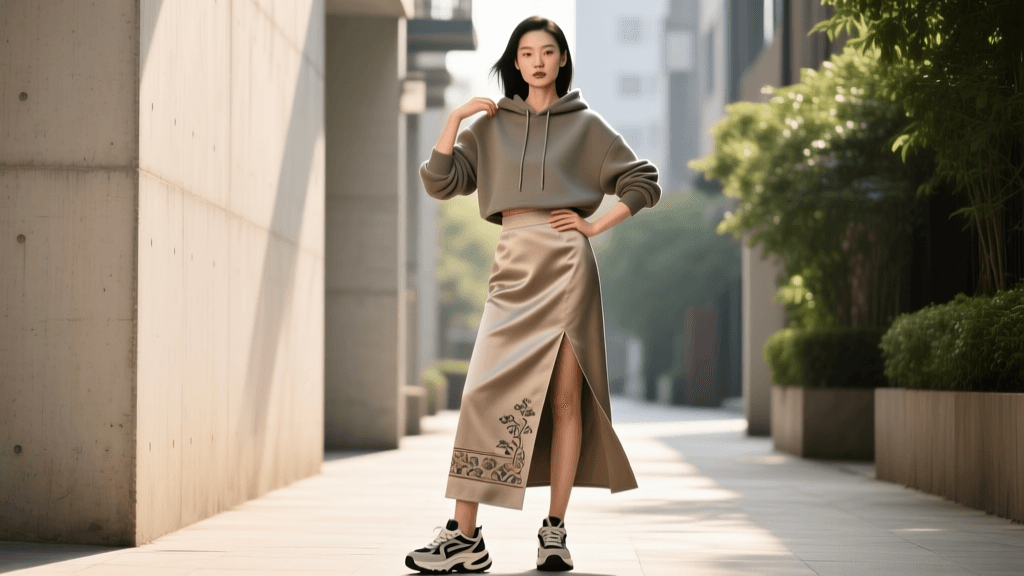
| Urban Streetwear | Oversized Graphic Tee or Cropped Hoodie | Chunky Sneakers, Crossbody Bag | $45 - $80 | Weekend outings, cafes, casual meetups |
| Modern Office Chic | Crisp White Button-Down or Fitted Turtleneck | Loafers, Minimalist Leather Belt | $70 - $120 | Creative workplaces, business casual events |
| Edgy Avant-Garde | Structured Corset Top or Leather Moto Jacket | Combat Boots, Silver Hardware Jewelry | $90 - $150 | Concerts, night outs, fashion events |
Styling Nuances and Pro-Tips
When adopting the Urban Streetwear look, the contrast between the ancient, often ornate jacquard patterns of the skirt and the casual, relaxed fit of a modern graphic tee creates a visually striking juxtaposition. Tucking the front of the shirt into the waistband helps define the waistline without disrupting the overlapping panels.
For Modern Office Chic, opt for Mamian skirts woven from matte fabrics like cotton-linen blends or solid-colored worsted wool. Avoid highly reflective silks or loud metallic brocades, which can look overly theatrical in a corporate environment. As noted by textile historians at the Victoria and Albert Museum, the integration of traditional Chinese weaving techniques into functional, everyday garments represents a vital evolution in living textile history.
Practical Guide: Sourcing, Costs, and Brand Recommendations
The market for modern Hanfu has matured significantly, offering options for every budget. When sourcing a Mamian skirt for fusion styling, consider the following tiers:
- Entry-Level / Fast Fashion ($25 - $50): Brands on platforms like Taobao or AliExpress offer machine-washable polyester blends. While they lack the drape of natural fibers, they are excellent for experimenting with the silhouette and for rough streetwear environments.
- Mid-Tier / Designer Fusion ($60 - $150): Established Hanfu brands such as Shisanyu (十三余) and Zhongling (钟灵记) offer exquisite jacquard weaves, accurate pleat heat-setting, and modernized waistbands. These are the best investments for a balance of authenticity and daily wearability.
- High-End / Artisanal ($200 - $600+): Brands like Ming Huatang (明华堂) use authentic traditional looms, real silk, and genuine gold-leaf thread weaving. These are collector's items and should be treated as wearable art rather than casual streetwear.
Fabric Selection and Seasonal Adaptations
Choosing the right fabric is crucial for adapting the Mamian skirt to modern climates and lifestyles. Traditional heavy silks and stiff brocades can be cumbersome and difficult to maintain. Modern fusion fashion favors innovative textile blends:
- Spring/Summer: Look for digital-printed chiffon, lightweight cotton-linen blends, or Tencel. These fabrics offer a beautiful, airy drape that catches the wind, highlighting the side pleats during movement while keeping the wearer cool.
- Autumn/Winter: Woven jacquard, wool-blends, and velvet are ideal. The inherent stiffness of jacquard helps the skirt hold its architectural shape, making it perfect for pairing with heavy knits, tailored blazers, and layered outerwear.
Care and Maintenance: Preserving the Pleats
The most intimidating aspect of owning a Mamian skirt for a modern consumer is maintenance. The side pleats must remain sharp to preserve the garment's structural integrity. Follow these actionable care steps:
- Washing: Never machine wash a high-quality Mamian skirt. Hand wash in cold water with a mild, pH-neutral detergent. If using a machine, place the skirt in a fine mesh laundry bag, use the delicate cycle, and absolutely avoid the spin cycle.
- Drying: Do not wring the fabric. Gently press out excess water and hang the skirt on a clip hanger, ensuring the weight of the wet fabric naturally pulls the pleats straight.
- Ironing and Storage: Use a steam iron on a low setting, ironing strictly along the fold lines of the pleats. For long-term storage, roll the skirt rather than folding it to prevent permanent creases across the flat 'horse-face' panels.
Conclusion: Wearing History on the Streets
The modern adaptation of the Mamian skirt is a masterclass in how traditional garments can survive and thrive in the contemporary era. By treating the skirt not as a fragile museum artifact, but as a versatile, structural foundation for modern styling, fashion enthusiasts are keeping ancient craftsmanship alive. Whether paired with a vintage leather jacket or a crisp corporate blouse, the Mamian skirt proves that true style is timeless, bridging the gap between Ming Dynasty elegance and the dynamic pulse of modern streetwear.