Japanese Kimono Layering: Haori and Hakama Styles Guide 2026
The Renaissance of Japanese Layering in 2026
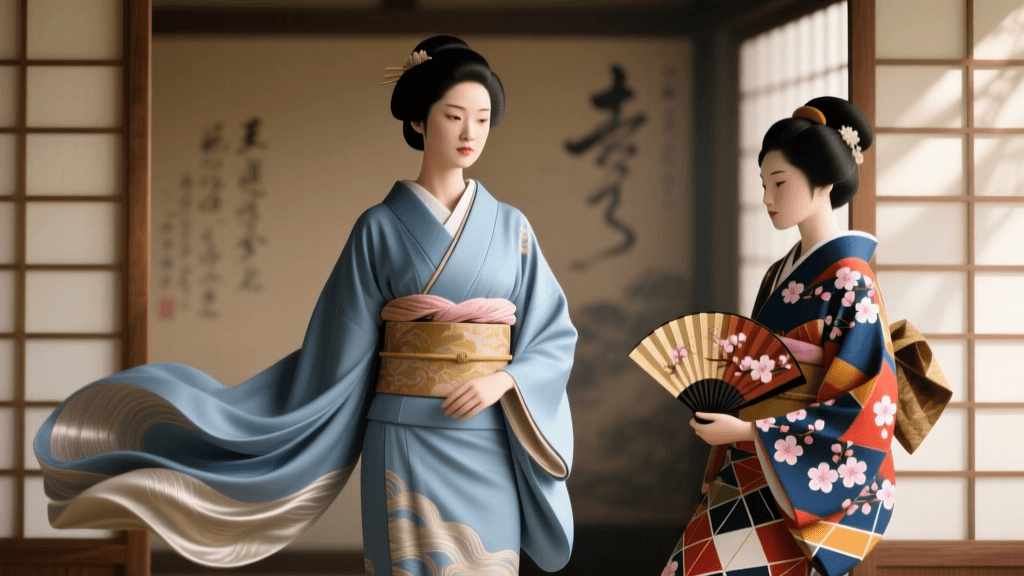
The landscape of traditional Japanese fashion has undergone a remarkable transformation as we navigate through 2026. No longer confined strictly to tea ceremonies, coming-of-age days, or martial arts dojos, garments like the haori (traditional jacket) and hakama (pleated trousers/skirt) have firmly established themselves in the global contemporary wardrobe. Driven by a growing international appreciation for sustainable, artisanal textiles and a desire for structured, gender-fluid silhouettes, the art of Japanese layering is experiencing a vibrant renaissance. This comprehensive guide explores how to authentically and innovatively style traditional Japanese outerwear and bottom layers in 2026, bridging centuries of sartorial heritage with modern aesthetic sensibilities.
The Haori: From Samurai Armor to Modern Runways
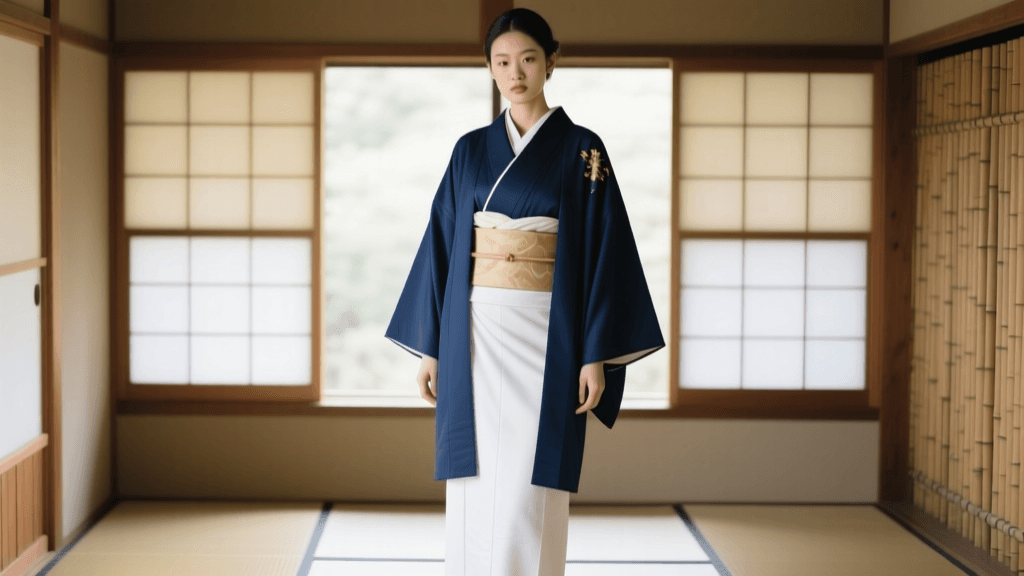
Originally designed as a protective layer worn over armor by samurai during the Sengoku period, the haori evolved into a staple of civilian fashion during the Edo period. Characterized by its open front, which does not overlap like a standard kimono, the haori is secured using decorative cords known as haori himo. In 2026, the haori is celebrated for its unparalleled versatility, functioning seamlessly as a lightweight duster, a formal jacket, or a striking statement piece over Western clothing.
Selecting the Right Haori for Your Wardrobe
When curating a traditional wardrobe today, understanding fabric weight and lining is crucial. Awase (lined) haori are ideal for autumn and winter, often featuring luxurious silk linings that conceal intricate, hand-painted family crests or auspicious motifs. Conversely, hitoe (unlined) haori, made from breathable ro or sha silk gauze, are essential for the humid Japanese summer. For everyday modern wear in 2026, wool-blend and high-quality cotton haori have surged in popularity, offering durability and ease of care without sacrificing the traditional drape. According to the Ministry of Economy, Trade and Industry's Traditional Crafts portal, regional weaving centers like Kurume and Yuki have seen a 30% increase in demand for everyday cotton and tsumugi silk haori over the past two years, reflecting a shift toward practical heritage wear.
2026 Haori Styling Trends and Sustainable Upcycling
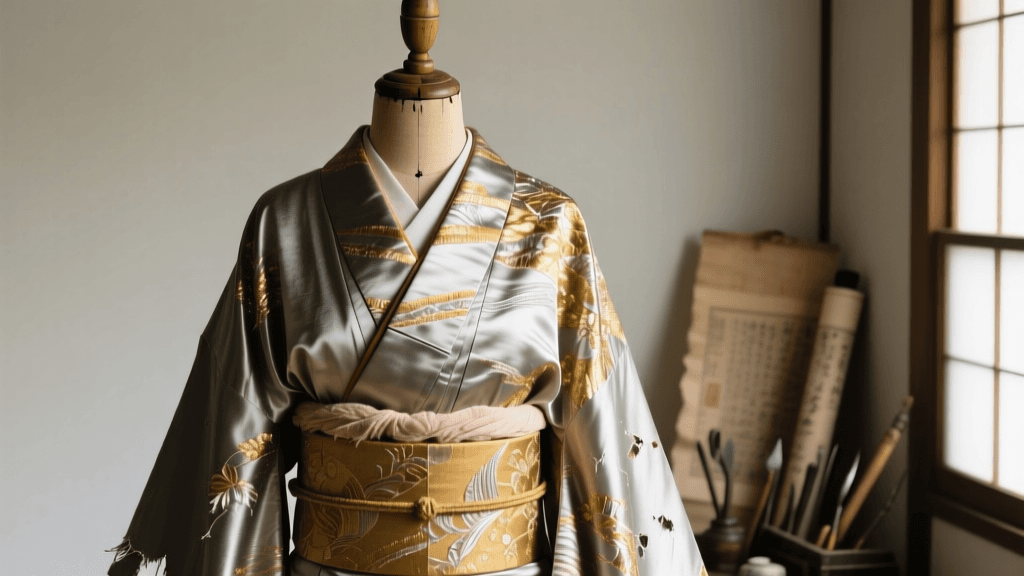
The most prominent trend in 2026 is the upcycling of vintage kimono into modern haori. As the global fashion industry pivots hard toward circularity, artisans in Kyoto and Tokyo are expertly deconstructing damaged or stained vintage silk kimono, salvaging the pristine back and sleeve panels to craft new, contemporary haori. Styling-wise, the 'contrast layering' look dominates street fashion in Harajuku and Daikanyama. This involves pairing a deeply hued, vintage meisen silk haori over a crisp, oversized white linen shirt and wide-leg tailored trousers. The haori himo is often swapped for modern braided leather cords or minimalist silk ribbons, allowing the wearer to adjust the formality of the garment instantly.
The Hakama: Pleated Elegance and Structured Formality
The hakama is perhaps the most structurally complex garment in the traditional Japanese wardrobe. Featuring five deep pleats in the front and two in the back, the hakama represents the Confucian virtues and provides a sweeping, dignified silhouette. While historically worn by men of the samurai class, the hakama became a symbol of female empowerment and education in the Meiji era, worn by women attending newly established universities. Today, it remains a staple for graduation ceremonies, shrine maidens (miko), and practitioners of Aikido and Kendo, while simultaneously making bold appearances in high-fashion editorial spreads.
Umanori vs. Andon: Choosing Your Silhouette
There are two primary types of hakama, each serving different functional and aesthetic purposes:
- Umanori (Riding Hakama): This style is divided into two legs, resembling wide culottes. It offers maximum mobility and is the standard for martial arts, cycling, and dynamic modern streetwear styling. In 2026, umanori hakama crafted from heavy, textured tsumugi silk or even structured denim are highly sought after for their dramatic, flowing movement.
- Andon (Lantern Hakama): This style is undivided, functioning more like a pleated maxi skirt. It is traditionally worn by women for formal events, such as university graduations or tea ceremonies. The andon hakama provides a smoother, more continuous vertical line, which is highly flattering and elegant when paired with a meticulously tied obi.
Sizing and Measuring for the Perfect Fit
Unlike Western trousers that are measured by waist and inseam, hakama are sized based on the wearer's height and the desired drop. The measurement is taken from the koshi (the natural waist/obi line) down to the ankle. For a traditional, elegant drape that just grazes the top of the foot, the following 2026 sizing guide is recommended:
- Height 150cm - 155cm: Hakama length 85cm - 88cm (Size 87)
- Height 155cm - 160cm: Hakama length 89cm - 91cm (Size 91)
- Height 160cm - 165cm: Hakama length 92cm - 94cm (Size 93)
- Height 165cm - 170cm: Hakama length 95cm - 97cm (Size 95)
- Height 170cm - 175cm: Hakama length 98cm - 100cm (Size 99)
When tying the hakama, the front strings (mae himo) are wrapped twice around the waist and tied in a secure flat knot at the back, while the shorter back strings (ushiro himo) are brought to the front and tied over the initial knot. The stiff backboard, or koshi-ita, must rest perfectly in the small of the back to maintain posture and structural integrity.
Comprehensive Layering Matrix: Haori, Hakama, and Kimono
Mastering Japanese fashion requires an understanding of formality levels and seasonal appropriateness. The following matrix outlines how to combine these garments effectively in 2026.
| Garment Combination | Formality Level | Best Season | 2026 Styling Tip |
|---|---|---|---|
| Komon Kimono + Andon Hakama | Semi-Formal | Spring / Autumn | Pair with a subtle, woven obi and a vintage celluloid obi-dome for a sophisticated graduation or gallery-opening look. |
| Tsumugi Kimono + Umanori Hakama | Smart Casual | Winter | Embrace gender-neutral styling; pair with a chunky knit turtleneck underneath and leather lace-up boots instead of traditional zori. |
| Edo Komon Kimono + Silk Haori | Formal | Autumn / Winter | Ensure the haori features a woven family crest (kamon) on the back and sleeves. Use a braided maru-gumi haori himo. |
| Yukata + Unlined Cotton Haori | Casual | Summer | Perfect for evening festivals. Leave the haori completely open to showcase the vibrant yukata patterns and a playful, beaded obi-jime. |
Footwear and Accessories: Grounding the 2026 Silhouette
No traditional Japanese ensemble is complete without the correct footwear and accessories. The interplay between the sweeping hem of the hakama or kimono and the footwear is critical for both aesthetics and practicality.
Tabi and Zori: The split-toe tabi sock remains mandatory when wearing traditional zori (sandals). In 2026, contemporary tabi brands are utilizing moisture-wicking, sustainable bamboo fibers, making them far more comfortable for all-day wear. For hakama, the zori should have a slightly thicker, more substantial sole to elevate the hem and prevent the fabric from dragging on the ground. Men's hakama are typically paired with setta, a type of zori with a leather heel that produces a satisfying, authoritative click when walking.
Obi-jime and Obi-dome: When wearing a haori over a kimono, the obi is partially concealed. Therefore, the obi-jime (the decorative cord tied over the obi) becomes a focal point. The current trend favors thick, textured braided cords in contrasting jewel tones, often secured with an antique or modern artisan-crafted obi-dome (brooch). The archives at the Kyoto Costume Institute frequently highlight how Edo-period merchants used these small, visible accessories to subtly display wealth and taste when strict sumptuary laws restricted outward displays of luxury—a philosophy of hidden elegance (iki) that continues to inspire modern accessorizing.
Caring for Traditional Garments in a Modern Climate
Preserving silk, wool, and cotton heritage garments requires meticulous care, especially as global climate shifts bring increased humidity and temperature fluctuations to many regions. The golden rule of kimono and haori care is airing them out. After wearing, the garment should be hung on a specialized, wide-shouldered kimono hanger (emono-kake) in a well-ventilated, shaded area for 24 to 48 hours to allow body moisture to evaporate before folding.
When storing, never use plastic bags, which trap moisture and invite mold or yellowing. Instead, wrap garments in tatoushi (traditional acid-free paper or breathable cotton wraps) and store them in a paulownia wood chest (kiri-dansu), which naturally regulates humidity and repels insects. For deep cleaning, avoid standard dry cleaners. Seek out specialized kimono washers (arai-hari), who can disassemble the garment, wash the individual fabric bolts, and re-sew them, ensuring the textile's longevity for decades to come. Institutions like the Victoria and Albert Museum's Asian Collections emphasize that proper, climate-controlled storage and minimal, specialized handling are the most effective ways to preserve the structural integrity of historical pleats and delicate silk weaves.
Conclusion
The integration of the haori and hakama into the 2026 global fashion landscape is a testament to the enduring brilliance of Japanese textile design and structural tailoring. By understanding the historical context, mastering the precise measurements, and embracing modern, sustainable styling techniques, wearers can honor the profound heritage of these garments while forging a distinctly contemporary aesthetic. Whether you are draping a vintage silk haori over a modern minimalist dress or stepping out in a sharply pleated umanori hakama, you are participating in a living, breathing tradition that continues to evolve and inspire.