Hanfu Secondhand Market 2026: Vintage Collecting & Resale Guide
The Evolution of the Hanfu Secondhand Market in 2026
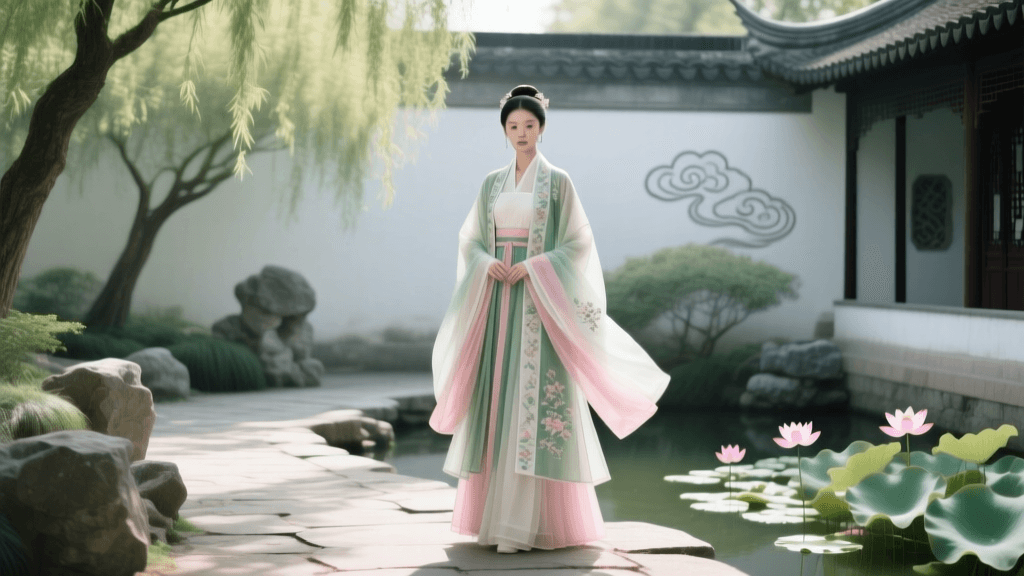
The Hanfu movement has matured significantly by 2026, transitioning from a niche historical reenactment hobby into a robust, globally recognized fashion ecosystem. As sustainability and circular fashion become core pillars of the global apparel industry, the Hanfu secondhand market has experienced unprecedented growth. Collectors and enthusiasts are no longer solely focused on purchasing brand-new, mass-produced garments from Taobao; instead, there is a massive surge in demand for vintage Hanfu, antique textiles, and rare independent designer pieces from the early days of the modern revival.
This shift is driven by a desire for authenticity, superior craftsmanship, and eco-conscious consumption. Vintage Hanfu—ranging from 1980s theatrical reproductions and early 2000s revivalist pieces to genuine Qing dynasty and Republic-era antique garments—offers a tangible connection to history that modern fast-fashion Hanfu simply cannot replicate. Furthermore, the secondary market has become a haven for sourcing garments made with traditional eco-friendly dyeing methods and heritage weaving techniques that are increasingly rare and expensive to commission today.
Top Platforms for Sourcing Vintage Hanfu
Navigating the secondhand landscape requires knowing where to look. In 2026, the market is fragmented across domestic Chinese platforms and international vintage marketplaces. Each platform caters to a different type of buyer, from the casual enthusiast looking for a discounted modern piece to the serious collector hunting for museum-quality antique silk.
| Platform | Best For | Buyer Protection | 2026 Price Range (USD) |
|---|---|---|---|
| Xianyu (Idle Fish) | Domestic Chinese market, rare indie brands, early revival pieces | Alipay escrow system | $20 - $2,500+ |
| Etsy | Antique Qing/Republic era textiles, vintage embroidered accessories | Etsy Purchase Protection | $150 - $8,000+ |
| Specialized Facebook Groups | Community vetting, cross-border trading, niche historical shapes | None (Peer-to-peer) | $50 - $1,200 |
| Depop | Y2K Hanfu fusion, streetwear adaptations, modern secondhand | Depop Protection | $30 - $400 |
For international collectors, Xianyu remains the holy grail for secondhand Hanfu, though it requires a proxy shopping agent or a Chinese bank account. Etsy, conversely, is the premier destination for genuine antique textiles, though buyers must be highly vigilant regarding accurate historical dating and condition reports.
Authentication: Distinguishing Antiques from Modern Reproductions
As the value of vintage Hanfu has skyrocketed in 2026, so too has the sophistication of counterfeit 'antique' garments. Authenticating vintage and antique Chinese clothing requires a keen eye for textile history, construction methods, and material degradation.
Analyzing Weave and Fiber Content
Genuine antique Hanfu and historical Chinese garments are predominantly made from natural fibers like silk, hemp, and ramie. According to the Metropolitan Museum of Art's Heilbrunn Timeline of Art History, the complexity of Chinese silk weaving, including techniques like Kesi (silk tapestry) and Zhangzhou velvet, developed over centuries and possesses distinct structural markers. Modern reproductions often use synthetic blends or rayon to mimic the drape of silk. A careful examination of the warp and weft under a jeweler's loupe can reveal the uniform perfection of machine-made modern synthetics versus the subtle, organic irregularities of hand-loomed vintage silk.
Hardware and Stitching Techniques
Before the widespread adoption of modern sewing machines, historical garments were entirely hand-stitched. Look for the following authentication markers:
- Stitch Uniformity: Hand-stitched seams on antique pieces will show slight variations in stitch length and tension, whereas modern reproductions will feature perfectly uniform machine lockstitches.
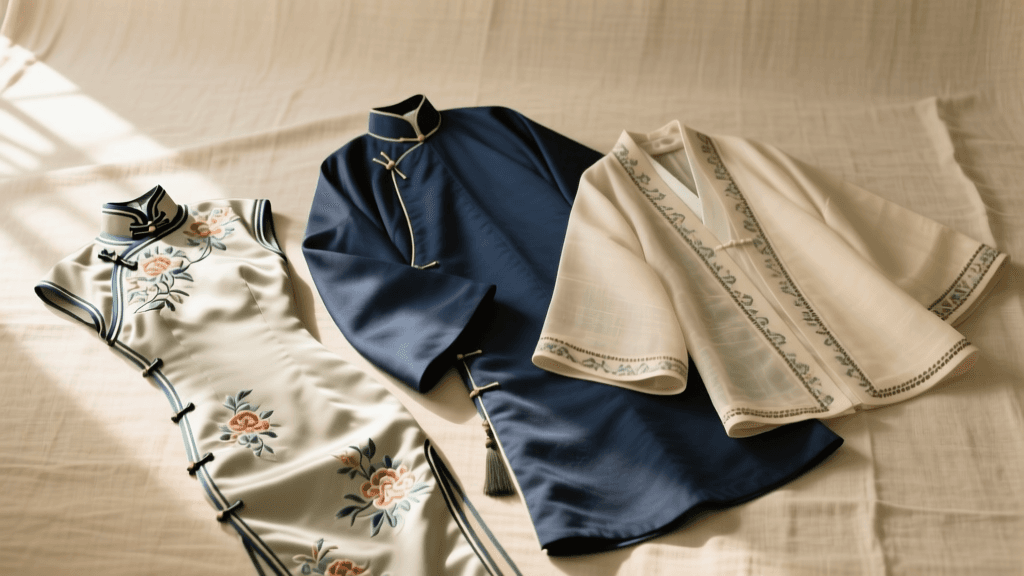
- Fasteners: Genuine Qing and Republic-era garments typically feature handmade knotted frog buttons (pankou) or early metal snap fasteners. Modern plastic toggles or machine-made metallic buttons are immediate red flags for antique claims.
- Lining Construction: Antique garments often feature intricate, hand-felled linings with hidden seams. Modern mass-produced replicas frequently leave raw or serged edges on the interior lining.
Identifying Natural vs. Synthetic Dyes in Vintage Hanfu
One of the most captivating aspects of collecting vintage Hanfu is the presence of traditional, eco-friendly natural dyes. Before the introduction of synthetic aniline dyes in the late 19th century, all Chinese textiles were dyed using plant, mineral, and insect-based sources.
Collectors in 2026 place a massive premium on garments dyed with indigo, madder root, sappanwood, and tree peony bark. Natural dyes age and oxidize in highly specific ways. For instance, vintage indigo-dyed hemp or cotton will exhibit a characteristic 'frosting' or fading along the fold lines and high-friction areas, revealing a white or pale blue core. Synthetic indigo, by contrast, tends to fade uniformly or flake off in a dusty residue. Furthermore, natural madder dyes will often shift toward a softer, browner terracotta over decades, whereas synthetic reds remain harsh and vibrant. The preservation of these traditional dyeing and weaving methods is so culturally significant that UNESCO recognizes Chinese sericulture and silk craftsmanship as an Intangible Cultural Heritage, making surviving examples of these crafts highly prized by textile historians.
High-Value Collectibles: What to Look for in 2026
If you are viewing Hanfu collecting as an alternative investment, certain silhouettes and eras are outperforming others in the 2026 resale market.
Ming Dynasty Mamianqun (Horse-Face Skirts)
The Mamianqun remains the most iconic and highly sought-after silhouette in the Hanfu community. While modern reproductions are everywhere, genuine antique Mamianqun from the late Qing dynasty (which carried over Ming styling elements) or high-end, early-2010s custom commissions using authentic Xiangyunsha (gambiered Canton gauze) command top dollar. Look for skirts with intact, crisp pleats and original woven brocade waistbands.
Song Dynasty Beizi and Daxiushan
Lightweight, sheer garments from the Song dynasty aesthetic are incredibly difficult to preserve, making surviving vintage theatrical pieces or meticulously crafted early-revival Beizi (parallel-collar jackets) highly collectible. The delicate nature of the gauze and silk organza used in these pieces means that finding one without shattering or dry rot is a rare triumph for any collector.
Preservation and Care for Vintage Silk Garments
Acquiring a vintage Hanfu piece is only half the battle; preserving it for future generations requires strict adherence to archival textile care. The broader circular fashion economy continues to boom, with the thredUP Resale Report consistently highlighting that garment longevity is the ultimate metric of sustainability. To ensure your vintage Hanfu lasts, follow these 2026 best practices for textile preservation:
- Storage Environment: Store silk and brocade garments in a cool, dark, and climate-controlled environment. Ideal conditions are 65°F (18°C) with a relative humidity of 50%. Fluctuations in humidity cause natural fibers to expand and contract, leading to micro-tears.
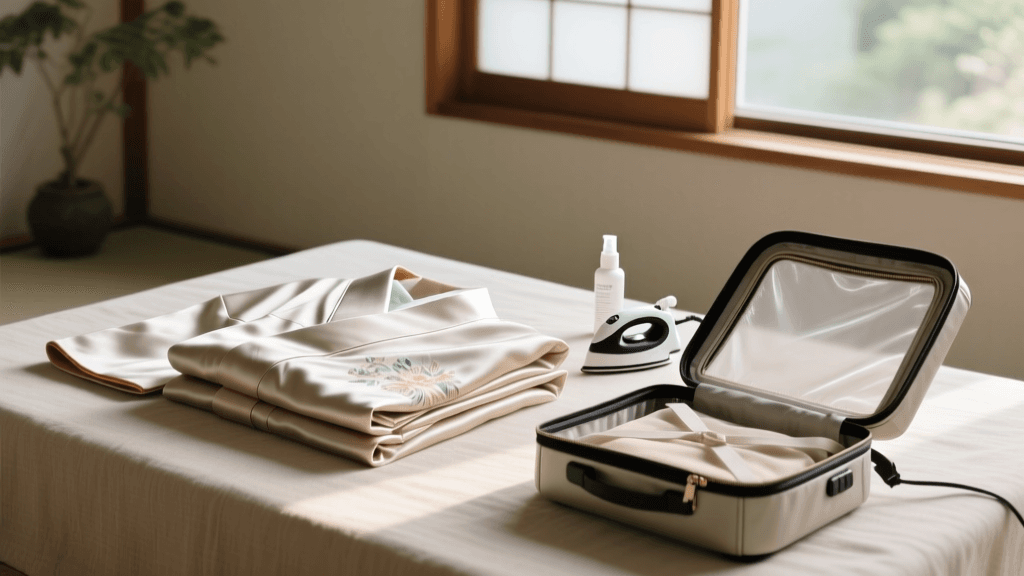
- Acid-Free Materials: Never store vintage Hanfu in standard plastic dry-cleaning bags, which off-gas chemicals that yellow silk. Instead, wrap garments in unbleached, washed cotton muslin or acid-free archival tissue paper. Stuff the sleeves and bodice with tissue to prevent hard creases that can shatter antique silk over time.
- Pest Management: Avoid chemical mothballs, which are toxic and can permanently stain or melt delicate fibers. Utilize natural deterrents like cedar blocks, dried lavender sachets, and sweet wormwood (artemisia), which historically align with traditional Chinese pest-repelling practices.
- Handling: Always handle antique textiles with clean, dry hands. The natural oils and salts from human skin can attract dirt and cause localized degradation of the silk proteins. For extremely fragile pieces, wear white cotton archival gloves.
Navigating Cross-Border Shipping and Customs
For international collectors purchasing from domestic Chinese platforms like Xianyu or specialized WeChat auction groups, understanding cross-border logistics in 2026 is crucial. Antique textiles are often subject to strict cultural heritage export laws. While most secondhand Hanfu from the 1980s onward or modern indie-brand resales will pass through customs without issue, genuine pre-1949 antique garments may require an export permit from the local cultural relics bureau. Always request detailed provenance and ensure the seller is legally permitted to ship historical textiles across international borders to avoid seizure by customs authorities.
Conclusion
The Hanfu secondhand market in 2026 is a vibrant, complex ecosystem that bridges the gap between historical preservation and modern sustainable fashion. Whether you are hunting for a rare Xiangyunsha Mamianqun on Xianyu, authenticating a Qing dynasty embroidered jacket on Etsy, or simply looking to give a pre-loved modern Hanfu a second life, the secondary market offers unparalleled opportunities. By understanding the nuances of traditional weaving, natural dyeing, and archival preservation, collectors can protect these magnificent garments, ensuring that the rich tapestry of Asian sartorial traditions continues to be worn, studied, and cherished for generations to come.