Top Hanfu Certification Programs & Workshops in 2026 Reviewed
The Rise of Professional Hanfu Education in 2026
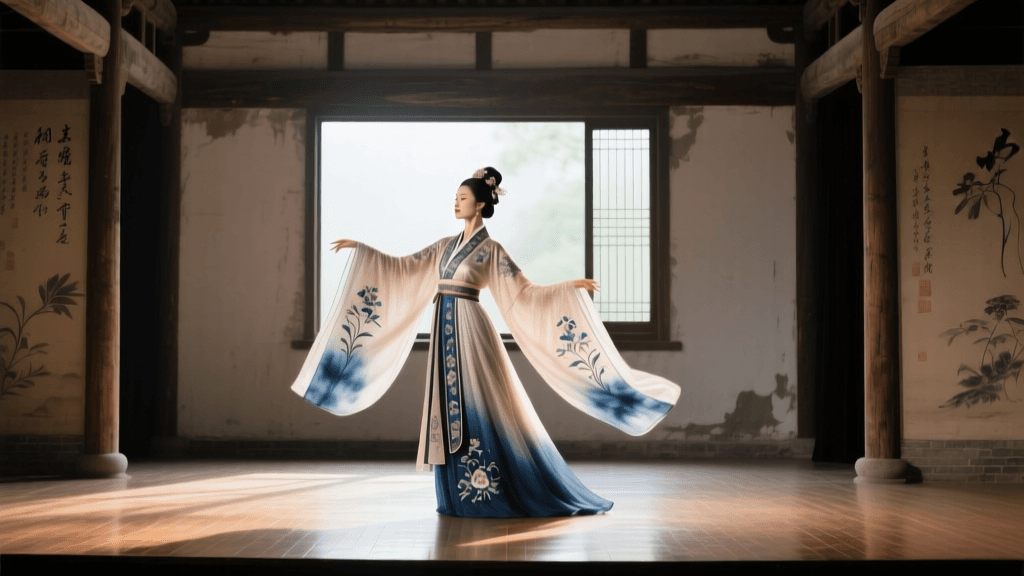
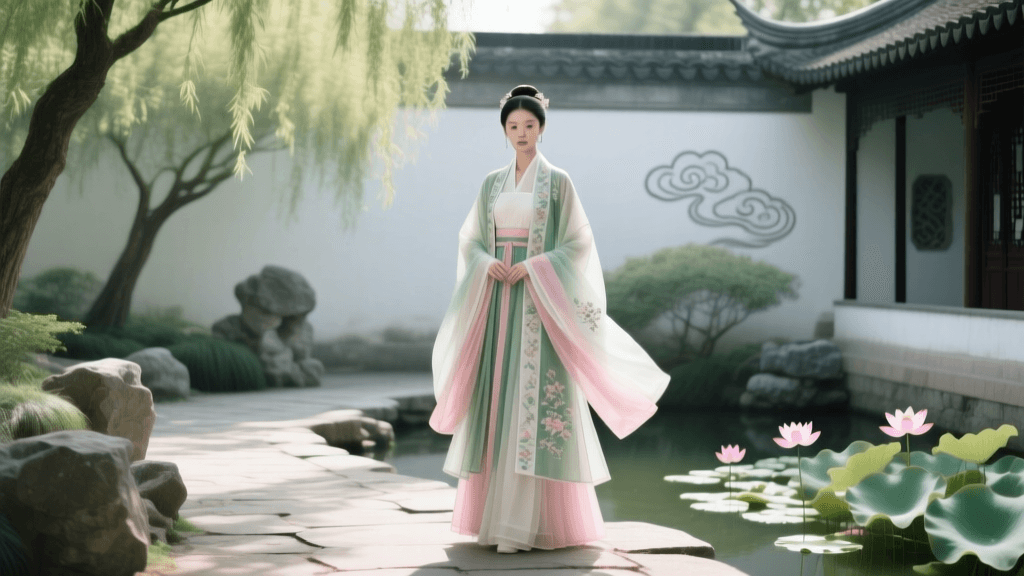
The global appreciation for traditional Chinese clothing has undergone a massive transformation over the last decade. As we navigate 2026, the Hanfu movement has matured from a passionate subculture into a highly structured professional industry. No longer confined to hobbyist sewing circles or social media fashion trends, Hanfu education is now governed by rigorous workshops, masterclasses, and formal certification programs. For cultural historians, fashion designers, and wardrobe professionals, obtaining a recognized Hanfu certification in 2026 is the gold standard for authenticity and craftsmanship.
This evolution is driven by a surging demand for historically accurate garments in international cinema, immersive theater, and global museum exhibitions. Institutions and private clients alike now demand verifiable expertise, pushing the market toward standardized educational pathways. Whether you are looking to master the intricate pleating of a Ming dynasty Mamianqun (horse-face skirt) or understand the structural engineering of a Tang dynasty Shanqun, the educational landscape this year offers unprecedented access to master artisans and academic researchers.
Why Pursue a Hanfu Certification in 2026?
In 2026, the distinction between a generic costume and a historically informed traditional garment is paramount. The rise of cultural appreciation over cultural appropriation has led major fashion houses, film studios, and cultural institutions to hire certified Hanfu consultants. A formal certification provides several distinct advantages:
- Industry Credibility: Productions and museums require documented proof of historical accuracy to avoid public backlash and ensure cultural respect.
- Access to Archival Resources: Certified programs often partner with museums, granting students access to restricted textile archives and high-resolution 3D garment scans.
- Mastery of Traditional Techniques: Beyond basic sewing, certifications teach heritage skills like natural plant dyeing, silk brocade weaving, and flat-pattern cutting that honors the original fabric grain.
- Global Networking: Modern workshops connect students with international guilds, facilitating cross-border collaborations in fashion and academia.
For a deeper understanding of the historical foundations these programs build upon, students frequently reference the Britannica historical archive on Chinese clothing, which outlines the dynastic shifts that modern curriculums use as their baseline.
Top Hanfu Education Workshops & Certification Tracks
The 2026 educational ecosystem is divided into three primary tracks, catering to different professional goals. Below is a breakdown of the most sought-after certification pathways available this year.
1. Historical Reconstruction & Tailoring (The Antiquity Track)
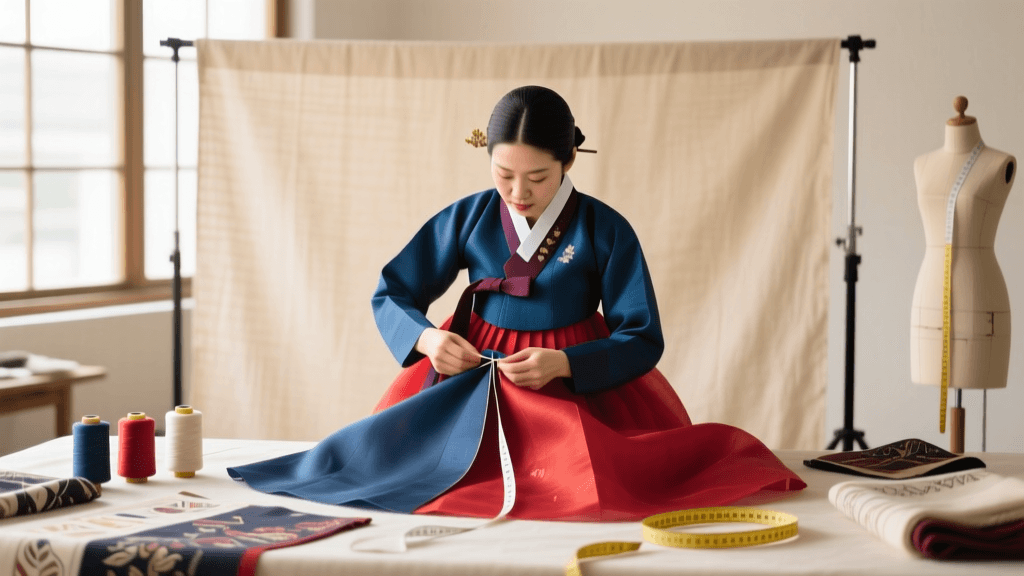
This track is designed for bespoke tailors and museum conservators. It focuses on the exact replication of excavated garments and historical paintings. Students learn to draft patterns using traditional flat-cutting methods, where the fabric is rarely cut on a curve, relying instead on geometric piecing and strategic draping. The 2026 curriculum heavily emphasizes the structural differences between the Song dynasty Beizi (a long, open-front coat) and the Ming dynasty Daopao (a scholar's robe with side slits and concealed pleats).
2. Commercial Styling & Media (The Editorial Track)
Aimed at fashion stylists, photographers, and wardrobe supervisors, this track bridges the gap between historical accuracy and modern visual media. Students learn how to drape and pin Hanfu on diverse, contemporary body types without compromising the garment's structural integrity. The 2026 syllabus includes modules on lighting silk brocades, managing heavy layering for high-definition video, and utilizing augmented reality (AR) fitting software to pre-visualize editorial shoots.
3. Textile Conservation & Heritage Dyeing
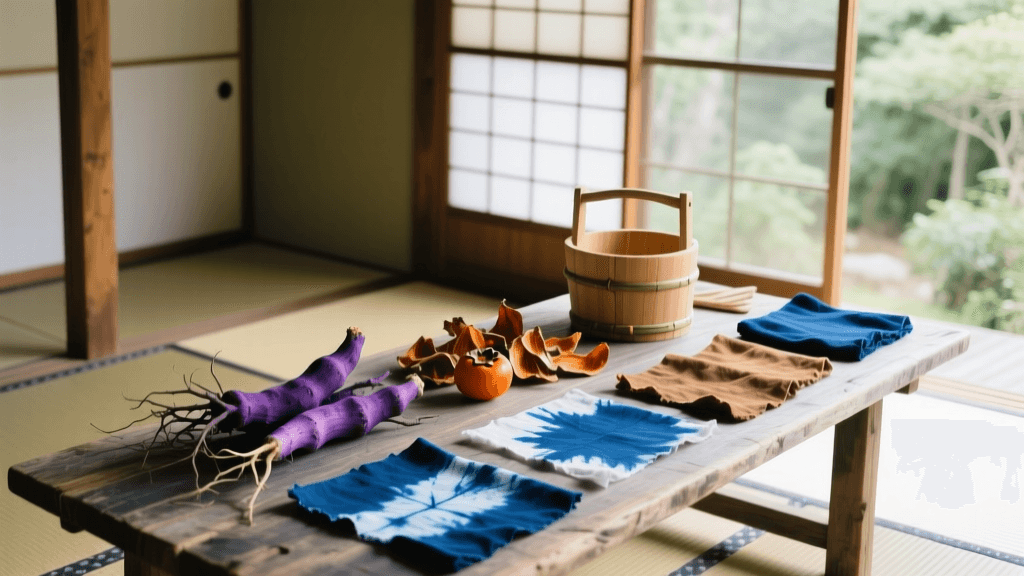
This specialized track focuses on the raw materials of Hanfu. Recognizing that traditional garments are defined by their textiles, this program delves into sericulture, ramie processing, and botanical dyeing. The foundational techniques taught in these workshops are deeply tied to practices recognized on the UNESCO Intangible Cultural Heritage list, ensuring that students learn environmentally sustainable, historically authentic dyeing methods using indigo, madder root, and pagoda tree buds.
2026 Program Comparison Table
To help you navigate the options, we have compiled a comparison of the top three globally accessible Hanfu certification programs operating in 2026.
| Program Name | Focus Area | Duration | 2026 Tuition (USD) | Format |
|---|---|---|---|---|
| Beijing Heritage Tailoring Institute | Historical Reconstruction | 6 Months | $4,200 | Hybrid (VR & In-Person) |
| Global Hanfu Styling Academy | Commercial & Editorial | 8 Weeks | $1,850 | Online / Live Stream |
| Suzhou Silk & Dye Conservatory | Textile & Color Theory | 12 Weeks | $3,100 | In-Person Intensive |
Core Curriculum: What You Will Learn
Regardless of the specific track, any reputable Hanfu certification program in 2026 will mandate a core curriculum that covers the following essential competencies:
- Dynastic Silhouette Identification: Training the eye to instantly recognize the waist placement, sleeve shapes (such as the wide Pipa sleeves vs. narrow Zhisun sleeves), and collar crossings (always right over left, or jiaoling youren) specific to the Han, Tang, Song, and Ming dynasties.
- Fabric Behavior and Grainline: Understanding how traditional silk crepe, gauze, and heavy brocade behave under gravity. Students learn to manipulate the Metropolitan Museum of Art Asian Art collection digital archives to study how historical garments drape without the use of modern darts or shoulder seams.
- The Art of the Mamianqun: A dedicated module on the mathematics and pleating of the horse-face skirt. Students learn to calculate the precise width of the flat front and back panels, the depth of the side pleats, and the traditional waistband attachment methods that prevent the heavy skirt from slipping.
- Accessory Integration: Proper styling of Yunjian (cloud shoulders), Bijia (sleeveless vests), and the correct tying of silk sashes and jade pendants to ensure historical accuracy and proper movement.
How to Choose the Right Program
With the proliferation of online courses, it is crucial to vet Hanfu education programs carefully. When selecting a certification track in 2026, consider the following criteria:
Instructor Lineage and Academic Backing
Look for programs led by instructors who have direct ties to museum conservation departments or university history faculties. The best programs employ a mix of academic historians who provide the theoretical framework and master tailors who teach the physical execution.
Access to Technology
In 2026, top-tier programs integrate digital tools into traditional learning. Ensure the program offers access to 3D garment scanning and digital pattern-making software. This allows students to study the internal structure of fragile, excavated garments that cannot be physically handled.
Practicum and Portfolio Requirements
Avoid programs that only require written exams. A legitimate certification must require a physical practicum—such as drafting, cutting, and sewing a complete, historically accurate Ming dynasty outfit from raw fabric, or styling a complex multi-layered Tang dynasty ensemble on a live model for a graded portfolio shoot.
Career Opportunities Post-Certification
Graduating from a certified Hanfu program opens doors to a variety of niche, high-demand careers in the global market:
- Wardrobe Supervisor for Historical Dramas: Streaming platforms are investing heavily in high-budget historical epics, requiring certified experts to oversee the design and fitting of hundreds of extras and lead actors.
- Museum Curation and Consulting: Galleries hosting Asian art and textile exhibitions hire certified specialists to properly mount, drape, and light traditional garments, ensuring they are displayed according to historical norms.
- Bespoke Atelier Ownership: Catering to the booming luxury Hanfu market, where clients commission custom, hand-woven silk garments for weddings, coming-of-age ceremonies (Guanli and Jili), and high-profile cultural festivals.
- Cultural Heritage Journalism: Writing and editing for specialized fashion and history publications, providing expert analysis on the accuracy of runway shows and global fashion weeks that draw inspiration from traditional Chinese dress.
Final Thoughts
The professionalization of Hanfu education is one of the most exciting developments in the Asian traditions sector. By enrolling in a certified workshop in 2026, you are not merely learning to sew or style; you are becoming a custodian of living history. Whether your goal is to dress actors in historically accurate Ming dynasty court attire or to preserve the ancient art of botanical silk dyeing, the structured pathways available today provide the rigorous training necessary to honor and elevate these magnificent garments on the global stage.