Hanfu In Kunqu Opera 2026: Stage Costumes & Silk Art
The Intersection of Historical Hanfu and Traditional Performing Arts
In the vibrant cultural landscape of 2026, the global revival of traditional Chinese garments has reached an unprecedented level of sophistication. At the heart of this renaissance is the profound relationship between everyday historical Hanfu and the spectacular stage wardrobes known as Xifu (戏服) used in Peking Opera (Jingju) and Kunqu. As recognized by UNESCO Intangible Cultural Heritage archives, Kunqu is one of the oldest and most refined forms of Chinese opera, and its visual identity is inextricably linked to the sartorial elegance of the Ming Dynasty. Today, modern Hanfu enthusiasts, costume designers, and theatrical troupes are collaborating to bridge the gap between historical accuracy and theatrical flamboyance, resulting in a new era of stage-inspired fashion that honors ancient techniques while embracing 2026 sustainable textile innovations.
The Ming Dynasty Foundation of Kunqu and Peking Opera Wardrobes
To understand the Hanfu influences in traditional performing arts, one must look to the Ming Dynasty (1368–1644). Although Peking Opera was formalized later during the Qing Dynasty, its founders made a deliberate artistic choice to base their stage costumes on Ming-era Hanfu silhouettes. This was a cultural preservation tactic, ensuring that Han sartorial traditions remained visible on stage even as everyday fashion shifted under Manchu rule. Kunqu, which flourished during the Ming era, naturally retained an even closer adherence to the authentic court and literati dress of its time. According to extensive research on Asian theatrical garments by The Metropolitan Museum of Art, Chinese opera costumes are not merely historical replicas; they are highly stylized, exaggerated interpretations of historical Hanfu designed to convey character, status, and emotion to audiences sitting far from the stage.
Core Hanfu Garments Translated to the Stage
The Mang (蟒) Robe and Ming Court Dress
The Mang, or python robe, is the most iconic garment in Chinese opera, worn by emperors, generals, and high-ranking officials. It is a direct theatrical descendant of the Ming Dynasty court dragon robe. In 2026, independent Kunqu troupes and high-end Hanfu brands are utilizing advanced digital jacquard looms combined with hand-finished Su embroidery to recreate the heavy, structured drape of the Mang. While historical Ming court robes were restricted by sumptuary laws, the stage Mang features exaggerated water sleeves and bold, contrasting color blocking (such as crimson and gold or deep indigo and silver) to ensure the actor's movements are visible under bright LED stage lighting.
The Pei (帔) and the Ming Beizi
For scenes depicting domestic life, scholars, and noblewomen, actors wear the Pei, a long, flowing cape with a center-front opening. This garment is adapted from the Ming Dynasty Beizi (褙子), a staple of historical Hanfu. In 2026, the most sought-after stage-inspired Pei garments are crafted from Xiangyunsha (gambiered Guangdong silk). This heritage fabric, dyed with natural river mud and plant extracts, offers a rich, dark aesthetic and natural cooling properties, making it highly practical for performers wearing heavy layers during grueling summer performances.
Water Sleeves (水袖) from Hanfu Aoqun
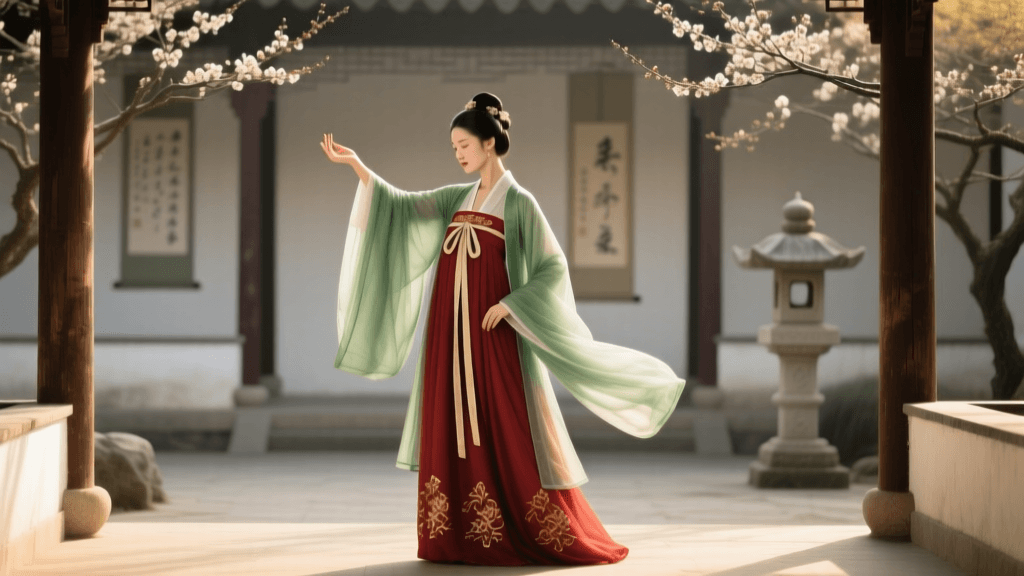
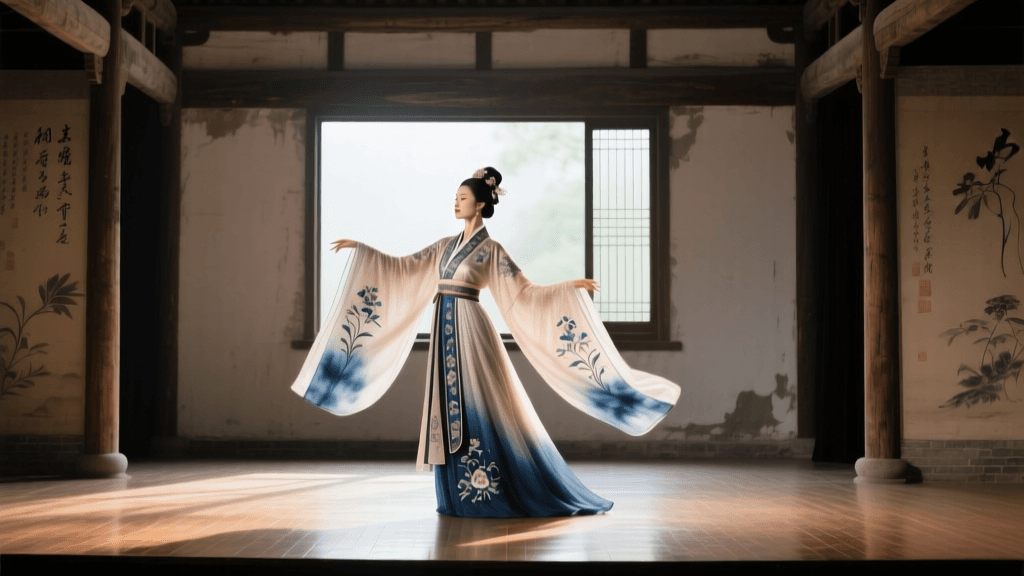
Perhaps the most recognizable element of Peking Opera and Kunqu is the Shuixiu, or water sleeve. Historically, Hanfu garments from the Tang and Ming dynasties featured long, flowing sleeves, but theatrical water sleeves are extended significantly to serve as tools for emotional expression. A standard 2026 professional Kunqu water sleeve extends 60cm to 90cm beyond the wrist. Modern performers are increasingly favoring lightweight peace silk (Ahimsa silk) for these extensions, which reduces wrist fatigue during complex flicking and trembling techniques while maintaining the ethereal, fluid motion required for roles like Du Liniang in The Peony Pavilion.
2026 Textile Innovations: Sustainable Silks and Natural Dyes
The year 2026 marks a pivotal shift in how traditional performing arts approach costume creation. Moving away from the synthetic brocades and chemical dyes that dominated the late 20th century, top-tier Kunqu and Peking Opera troupes are returning to eco-friendly, natural dyeing methods. This aligns with the broader Hanfu community's demand for sustainable fashion.
- Lotus Silk Weaving: Extracted from lotus stems, this incredibly rare and breathable fiber is now being blended with mulberry silk to create lightweight, luminous under-layers for stage costumes, preventing actors from overheating.
- Botanical Dyes: Troupes are utilizing indigo for deep blues, pomegranate rind for vibrant yellows, and madder root for crimson. These natural dyes age beautifully, developing a rich patina that synthetic colors cannot replicate.
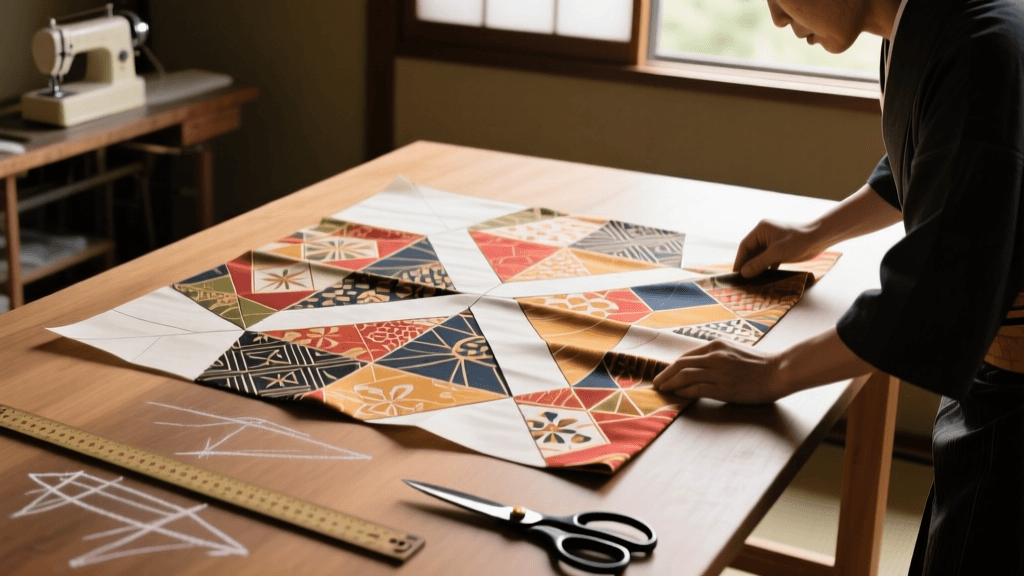
- Zero-Waste Pattern Cutting: Inspired by traditional Hanfu flat-cutting techniques, 2026 stage costume designers are adopting zero-waste pattern drafting, ensuring that every inch of expensive, hand-woven Shu brocade is utilized in the final garment or its matching accessories.
Comparison Chart: Historical Hanfu vs. Stage Adaptations
| Garment Feature | Historical Ming Hanfu | Traditional 20th Century Xifu | 2026 Modern Stage Adaptation |
|---|---|---|---|
| Silhouette | Natural, flowing, layered | Exaggerated, padded for presence | Tailored for mobility, lightweight padding |
| Sleeve Length | Covering hands or slightly longer | Extended 60-100cm (Water Sleeves) | 60-90cm, detachable for off-stage wear |
| Primary Fabrics | Heavy silk brocade, linen, ramie | Synthetic blends, rayon, cheap satin | Peace silk, Xiangyunsha, lotus blends |
| Dyes | Plant and mineral dyes | Harsh chemical and azo dyes | Certified eco-friendly botanical dyes |
| Embroidery | Subtle, auspicious motifs | Bold, high-contrast theatrical motifs | 3D Su embroidery with metallic lotus threads |
Sourcing Stage-Inspired Hanfu: 2026 Buyer’s Guide
For Hanfu enthusiasts looking to incorporate the dramatic flair of Kunqu and Peking Opera into their personal wardrobes, the 2026 market offers a variety of stage-inspired pieces that balance theatrical beauty with everyday wearability. When shopping for these garments, attention to detail and material quality is paramount.
Pricing and Sourcing
Entry-level stage-inspired Ming Dynasty Aoqun (jacket and skirt sets), featuring machine-embroidered theatrical motifs and standard synthetic silks, typically range from $120 to $250 USD. For those seeking authentic, hand-embroidered pieces utilizing natural dyes and heritage silk, prices start around $600 and can exceed $3,000 USD for bespoke Mang-style robes crafted by master artisans in Suzhou. Reputable 2026 vendors often provide detailed videos of the embroidery process and fabric weight specifications to ensure buyers are investing in genuine craftsmanship.
Measurements and Fit
Stage-inspired Hanfu requires precise measurements to achieve the correct drape. When ordering a custom Pei or stage-style Beizi, ensure the shoulder seam drops slightly (about 2-3 cm) to mimic the relaxed, elegant posture of a Kunqu scholar. For water sleeves intended for actual performance practice, measure from the wrist bone to the desired extension point; beginners should start with a 40cm extension to master the basic fuxiu (flicking) and zhengxiu (straightening) movements before moving to professional lengths.
Care and Maintenance
Garments made from 2026 sustainable silks like Xiangyunsha require specialized care. Never use alkaline detergents or bleach, as these will strip the natural mud-dye finish. Instead, hand wash in cool water using a pH-neutral silk soap. Do not wring the fabric; gently press out excess water and dry flat in the shade. The natural oils from your skin will actually help soften and polish Xiangyunsha over time, meaning the more you wear your stage-inspired Hanfu, the more luxurious it becomes.
Conclusion
The symbiotic relationship between Hanfu and traditional performing arts like Kunqu and Peking Opera continues to evolve in 2026. By honoring the Ming Dynasty foundations of these theatrical wardrobes while embracing modern, eco-friendly textile innovations, today's artisans and performers are ensuring that the visual poetry of Chinese opera remains a living, breathing art form. Whether you are a dedicated performer mastering the flick of a water sleeve or a cultural enthusiast wearing a stage-inspired Beizi to a modern festival, these garments serve as a magnificent bridge between China's storied past and its sustainable, culturally rich future.