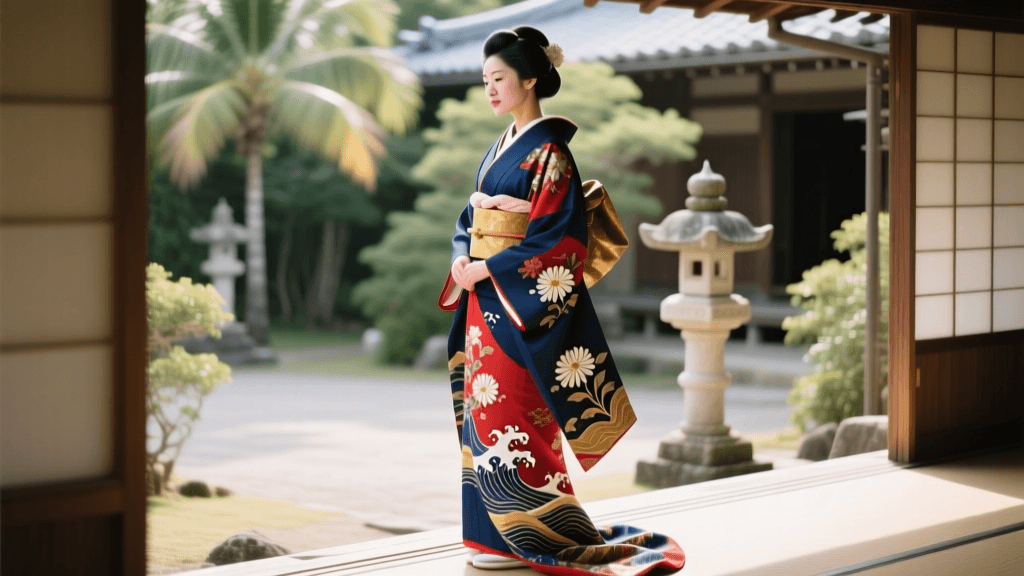
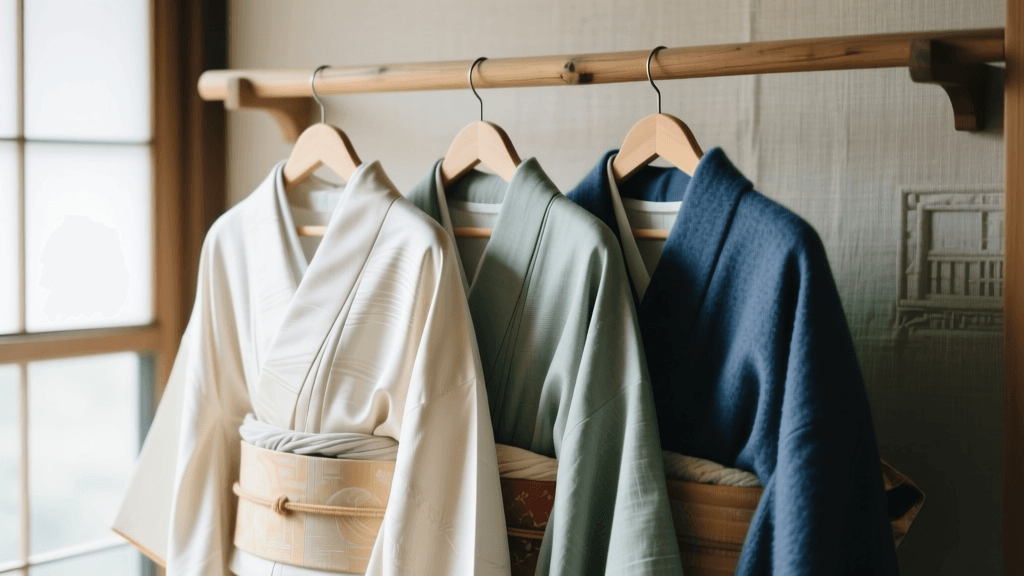
Japanese Kimono History: From Heian Courts to Edo Style
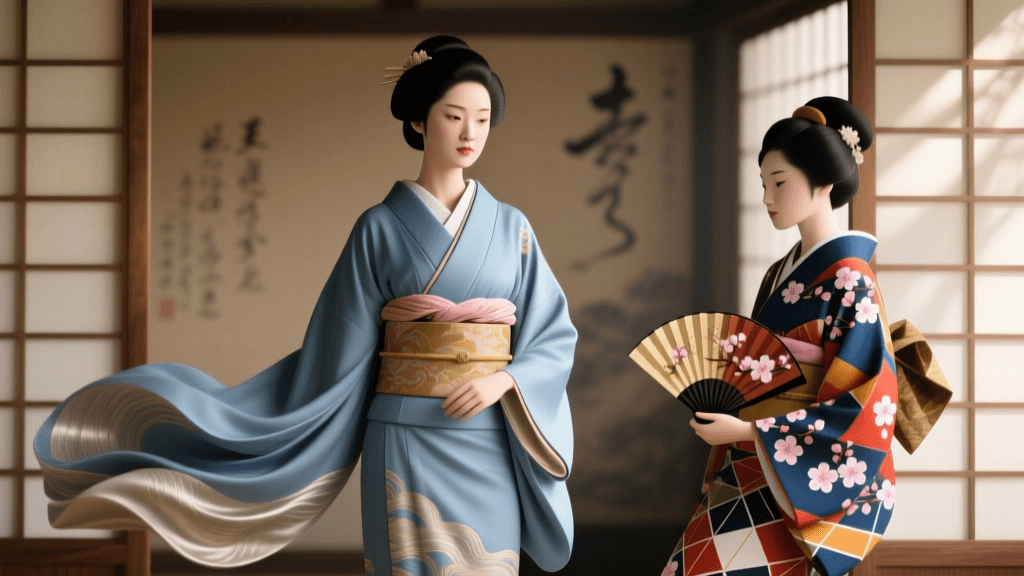
The Evolution of the Japanese Kimono: Dynasty Fashion Through the Ages
The Japanese kimono is frequently misunderstood in the West as a static, unchanging garment frozen in time. In reality, the kimono is a dynamic canvas that reflects the profound socio-political shifts, aesthetic revolutions, and technological advancements of Japanese history. From the extravagant, multi-layered silhouettes of the Heian court to the refined, subtly luxurious textiles of the Edo merchant class, Japanese dynasty fashion offers a masterclass in sartorial storytelling. Understanding these historical periods is not merely an academic exercise; it is essential for modern collectors, vintage enthusiasts, and practitioners of traditional arts who wish to source, wear, and appreciate these garments authentically.
The Heian Period (794–1185): The Art of Layering
The Heian period represents the zenith of Japanese courtly refinement. During this era, the aristocracy developed a highly codified aesthetic system centered around the jūnihitoe (twelve-layer robe). While the actual number of layers varied, the visual impact relied on kasane no irome—the meticulous arrangement of colored silk layers at the sleeves, hem, and neckline to evoke specific seasons, flora, and poetic sentiments. According to the Metropolitan Museum of Art's Heilbrunn Timeline, the underlying garment of this period was the kosode (small-sleeved robe), which was initially worn as an undergarment by the nobility and as primary attire by commoners. The Heian aristocracy favored the karaginu-mo, characterized by its sweeping, train-like back panels and stiff, butterfly-like shoulder wings, establishing a silhouette that prioritized two-dimensional, layered color over the three-dimensional drape of the body.
The Muromachi to Edo Periods (1336–1868): The Rise of the Kosode
As the power of the samurai class grew during the Kamakura and Muromachi periods, the elaborate Heian court dress was abandoned in favor of practicality. The kosode transitioned from an undergarment to the primary outer robe for both men and women of all classes, eventually evolving into what we now recognize as the modern kimono.
By the Edo period (1603–1868), Japan experienced unprecedented peace and urbanization under the Tokugawa shogunate. The merchant class (chōnin) amassed vast wealth but were subjected to strict sumptuary laws that forbade overt displays of luxury. This socio-political pressure birthed the aesthetic of iki (subtle, understated elegance). As highlighted by the Victoria and Albert Museum's Kimono Exhibition, artisans circumvented these laws through innovations like yūzen dyeing. This resist-dyeing technique allowed for painterly, highly detailed motifs to be applied directly to the silk, while the exterior of the garment remained relatively subdued, hiding lavish linings and inner hems (hakkake) that were only revealed in motion.
The Meiji Period (1868–1912): Western Influence and Modernization
The Meiji Restoration opened Japan's borders, leading to a rapid influx of Western culture and technology. The government actively promoted yōfuku (Western clothing) for men, particularly in military and official capacities, to project a modernized image to the world. Women, however, continued to wear the kimono, though the silhouette became stiffer and more heavily padded with the introduction of the modern, drum-like taiko musubi obi knot. The Taisho era (1912–1926) that followed saw the explosion of meisen silk—a vibrant, ikat-woven textile heavily influenced by Western Art Deco and Art Nouveau movements, making historical kimono more accessible and fashionable for the modern, working woman.
Comparison Chart: Historical Kimono Styles vs. Modern Equivalents
| Historical Period | Dominant Garment / Silhouette | Key Textile or Dye Technique | Modern Equivalent / Usage |
|---|---|---|---|
| Heian (794–1185) | Jūnihitoe (Layered Robes) | Kasane no Irome (Color Layering) | Imperial Court Ceremonies, Shinto Priestess Attire |
| Muromachi (1336–1573) | Kosode (Outer Robe) | Surihaku (Gold Leaf Imprinting) | Noh Theater Costumes, Furisode Base |
| Edo (1603–1868) | Kosode with Wide Obi | Yūzen (Resist Dyeing), Edo Komon | Modern Tomesode, Houmongi, Formal Tea Ceremony Wear |
| Taisho (1912–1926) | Kosode with Art Deco Motifs | Meisen (Ikat-woven Silk) | Vintage Collector Pieces, Casual Fashion Kimono |
Practical Guide: Sourcing and Wearing Historical Kimono Styles Today
For collectors and enthusiasts looking to integrate historical Japanese garments into a modern wardrobe or collection, understanding the practicalities of sizing, pricing, and seasonal timing is crucial. Vintage kimono were tailored to the specific measurements of their original owners, meaning modern buyers must navigate a unique set of metrics.
1. Essential Measurements for Vintage Buyers
Unlike Western clothing, kimono are not sized by chest or waist, but by height and arm span. When sourcing Edo-style komon or Taisho meisen, pay strict attention to these two measurements:
- Yuki (Center Back to Wrist): This dictates the sleeve length and shoulder drop. The ideal yuki is calculated as (Your Arm Span / 2) + 2cm. Vintage garments from the early 20th century often have a yuki of 60–63cm, which may feel short on modern, taller wearers. Look for pieces with a yuki of at least 64–66cm for a graceful, contemporary drape.
- Mitake (Back Length): Measured from the base of the collar to the hem. The standard formula is Your Height - 30cm. A standard vintage mitake is around 155–160cm. If the garment is too long, it can be folded at the waist with the ohashori (waist tuck); if it is too short, it will look ill-fitted and cannot be easily altered without adding visible fabric panels.
2. Cost Guide for Historical and Vintage Styles
The market for vintage kimono is vast, but prices vary wildly based on the historical period, technique, and condition. Here is a practical pricing guide for authentic vintage pieces (prices in USD):
- Taisho/Roman Meisen (1910s–1930s): $120 – $350. Highly sought after for their bold, geometric, Art Deco patterns. They are relatively durable and make excellent everyday fashion kimono.
- Edo Komon (Micro-patterns): $300 – $1,200+. Authentic Edo-period or early Showa Edo Komon feature stenciled micro-patterns that look solid from a distance. The price scales with the fineness of the dots (measured in dots per square inch).
- Yūzen Dyed Furisode (Edo/Meiji Revival): $500 – $2,500+. Hand-painted, long-sleeved garments featuring elaborate landscapes or classical literature motifs. Condition of the gold leaf (kinpaku) and silk integrity heavily dictates the price.
3. Timing Your Purchases
Seasonality dictates both the wearing and the purchasing of traditional Japanese garments. To secure the best deals and appropriate textiles, align your shopping with the Japanese retail calendar:
- July to August (Natsu / Summer): This is the prime time to purchase summer garments like yukata (cotton) and ro or sha (woven silk gauze). Retailers and vintage markets in Kyoto and Tokyo clear out summer stock, offering discounts of up to 50%.
- November to December (Shogatsu Preparation): The best time to source formal, lined silk kimono (awase) intended for New Year celebrations. Antique markets, such as the famous Toji Temple Kobo-san market in Kyoto, see an influx of high-quality, formal Edo and Meiji-era pieces as families sell off inherited estate collections before the year ends.
Conclusion
The journey of the kimono from the layered courts of the Heian dynasty to the vibrant, mercantile streets of the Edo period is a testament to the adaptability of Japanese textile arts. By understanding the historical context of these garments, modern enthusiasts can move beyond mere aesthetics, engaging deeply with the craftsmanship, socio-political narratives, and enduring legacy of Asian traditions. Whether you are acquiring a Taisho-era meisen for its Art Deco brilliance or studying the subtle iki of an Edo komon, you are participating in a continuous, living history.