Kimono Fabric Weight Seasonality and Annual Care Guide
The Philosophy of Japanese Textile Seasonality
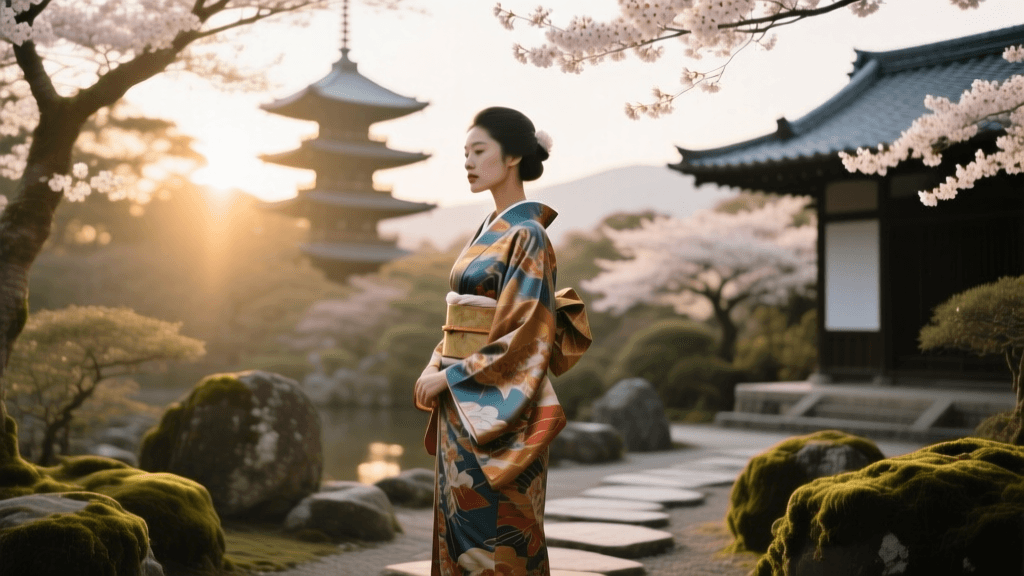
In Japanese culture, the appreciation of the changing seasons—known as shun—is a foundational aesthetic principle that extends far beyond poetry and cuisine. It is deeply woven into the very fabric of traditional garments. The kimono, or gofuku, is not merely a static piece of clothing; it is a dynamic textile system that responds to the micro-climates of the Japanese archipelago. Understanding kimono fabric weight seasonality is essential for collectors, practitioners of traditional arts, and textile enthusiasts who wish to preserve these garments and wear them in accordance with historical etiquette.
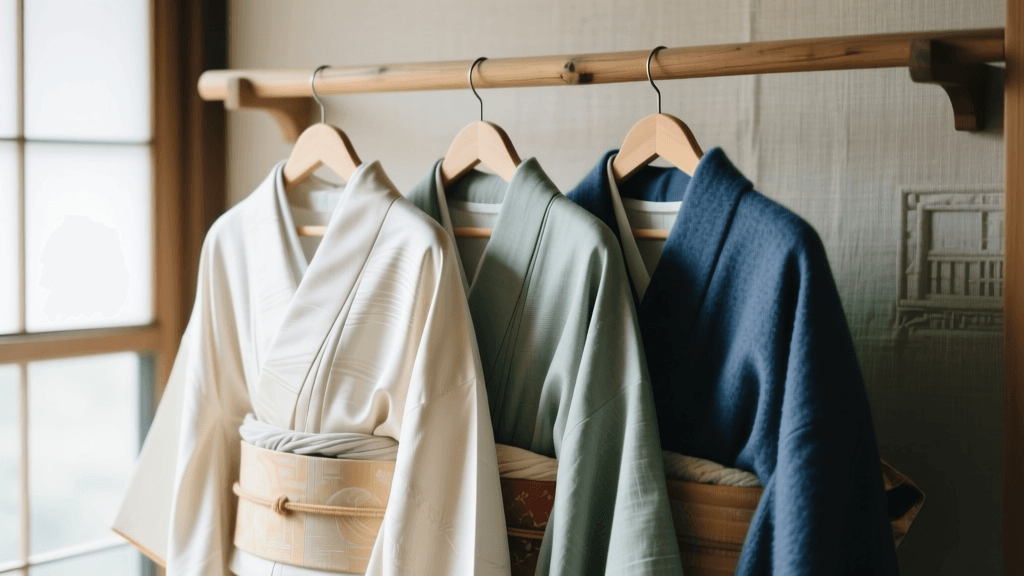
The traditional Japanese wardrobe transition, known as koromogae, historically dictated the exact dates when citizens would switch from winter to summer clothing and vice versa. While modern climate control has blurred these lines in everyday Western-style fashion, the world of traditional kimono strictly adheres to these textile weight shifts. According to the Metropolitan Museum of Art's Heilbrunn Timeline of Art History, the structural evolution of the kimono was heavily influenced by the need to accommodate layers for warmth in winter and sheer, breathable weaves for the sweltering, humid Japanese summers. This seasonal awareness dictates not only the motifs embroidered on the silk but the physical weight, weave, and lining of the textile itself.
Understanding Kimono Fabric Weights and Materials
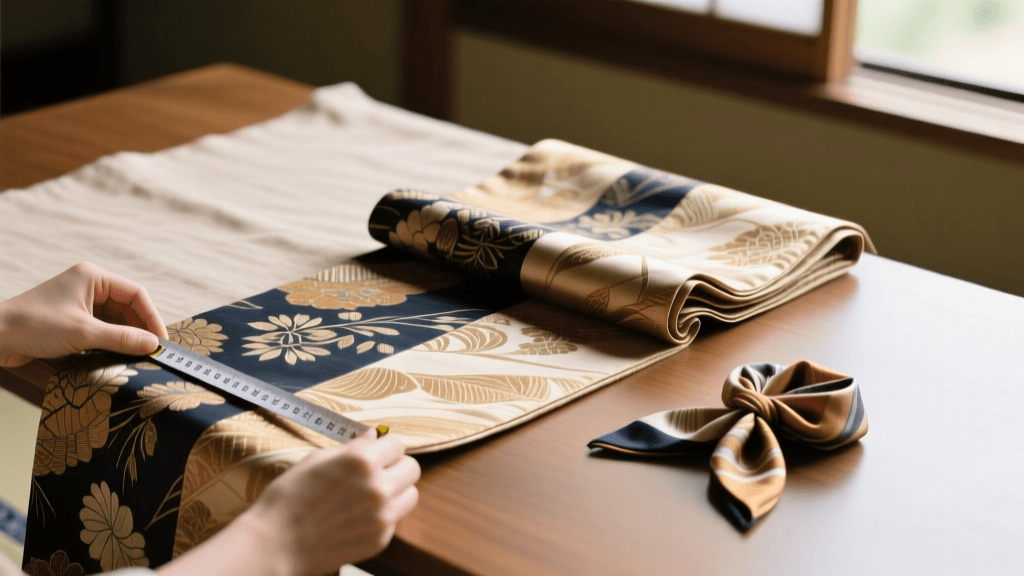
Traditional kimono are constructed from a single bolt of fabric called a tanmono, which typically measures approximately 36 centimeters (14 inches) in width and 12 meters (13 yards) in length. The weight of this silk, cotton, or hemp textile is measured in grams per square meter (GSM) and determines its seasonal classification. Wearing a heavy, lined silk crepe in August is considered a major sartorial faux pas, just as wearing a sheer, unlined leno-weave in January would be physically uncomfortable and culturally inappropriate.
Below is a comprehensive guide to kimono fabric weights, materials, and their designated wearing seasons:
| Kimono Type | Weave / Material | Approx. Weight (GSM) | Wearing Season | Characteristics |
|---|---|---|---|---|
| Awase (Lined) | Chirimen (Silk Crepe) / Rinzu (Satin) | 120 - 150 g/m² | October to May | Fully lined with habutae silk; provides insulation and structural drape. |
| Hitoe (Unlined) | Tsumugi (Pongee) / Chirimen | 80 - 110 g/m² | June & September | Unlined; features a visible inner weave. Worn during transitional months. |
| Natsugoromo (Summer) | Ro / Sha (Leno Weave) | 40 - 65 g/m² | July & August | Sheer, breathable, with intentional gaps in the weave for ventilation. |
| Yukata (Casual) | Cotton (Indigo-dyed) | 110 - 130 g/m² | Summer Festivals | Absorbent, unlined cotton; originally worn as a bathrobe, now festival wear. |
The Ro and Sha weaves are particularly fascinating from a textile engineering perspective. By twisting warp threads in a figure-eight pattern around the weft, artisans create stable, sheer fabrics that resist tearing despite their incredibly low GSM. As noted by the Victoria and Albert Museum, the mastery of these lightweight summer weaves represents a pinnacle of Japanese textile engineering, allowing for garments that are structurally sound yet virtually transparent, catching the slightest summer breeze.
The Annual Kimono Care and Airing Calendar
Silk is a protein fiber highly susceptible to humidity, mold, and insect damage. The traditional practice of Mushiboshi (literally 'insect airing') is an annual calendar of care designed to preserve these heirloom textiles. In the past, entire estates would lay out their kimono on bamboo poles in the crisp, dry autumn air. Today, while few have the space for such grand displays, the principles of the Mushiboshi calendar remain vital for proper garment care.
Spring (March - May): Inspection and Spot Cleaning
- Action: As the rainy season (tsuyu) approaches, inspect all winter Awase kimono before storing them.
- Maintenance: Check the collar (eri) and hem for makeup or dirt. Send garments for professional spot cleaning (shimi-nuki) before storing, as invisible organic stains will oxidize and turn yellow over the summer.
- Cost: Professional shimi-nuki typically costs between 2,000 to 5,000 JPY ($15 - $35 USD) per stain.
Summer (June - August): Humidity Control
- Action: Do not air out kimono during the Japanese rainy season or peak summer humidity. The ambient moisture will be absorbed by the silk, leading to mildew.
- Maintenance: Keep storage rooms climate-controlled. Use silica gel desiccants in storage drawers, but ensure they do not directly touch the silk.
- Wear: Rotate your sheer Ro and Sha garments. After wearing, hang them in a shaded, well-ventilated room for 24 hours to allow sweat moisture to evaporate before folding.
Autumn (October - November): The Great Airing (Mushiboshi)
- Action: This is the optimal time for Mushiboshi. The air is cool, dry, and free of heavy UV radiation.
- Maintenance: Unfold all kimono and hang them on padded hangers or lay them flat on clean, white cotton sheets in a shaded, breezy room for 3 to 4 hours. Never expose silk to direct sunlight, which will rapidly degrade the protein fibers and fade natural dyes.
- Refolding: Refold the garments along their original crease lines to prevent permanent fiber stress and fading along unintended fold lines.
Winter (December - February): Deep Cleaning
- Action: Prepare heavily worn winter garments for professional washing.
- Maintenance: The traditional method of Maru-arai involves un-stitching the kimono back into its original tanmono bolt, washing it, stretching it on a bamboo frame (shinshi), and re-sewing it. Modern dry-cleaning equivalents are also available.
- Cost: A standard modern Maru-arai (dry cleaning without un-stitching) costs between 5,000 and 10,000 JPY ($35 - $70 USD). Traditional un-stitching and re-weaving can exceed 30,000 JPY ($200+ USD).
Archival Storage and Humidity Control
How a kimono is stored between seasonal rotations is just as critical as how it is worn. The gold standard for kimono preservation is the Kiri-tansu, a chest made from Paulownia wood. Paulownia is uniquely suited for textile storage; its cellular structure allows it to expand and contract with ambient humidity, effectively sealing out moisture during wet seasons and releasing it during dry spells. Furthermore, Paulownia wood contains natural tannins that repel insects.
For those who cannot invest in a solid wood tansu, proper wrapping is non-negotiable. Kimono should never be stored in plastic bags, which trap off-gassing chemicals and moisture. According to the guidelines established by the American Institute for Conservation (AIC) Conservation Wiki, textiles should be stored in a stable environment with a relative humidity (RH) of 50% to 55% and a temperature of around 18°C to 20°C (65°F to 68°F). Fluctuations in these metrics cause fibers to expand and contract, leading to micro-tears in fragile antique silks.
Instead of plastic, wrap each folded kimono in Tatoushi—specialized, acid-free paper envelopes. Tatoushi allows the silk to breathe while protecting it from dust, light, and acidic transfer. When placing the wrapped kimono into a drawer, ensure the stack is no more than three garments high. The weight of heavy winter Awase kimono can crush the delicate fibers and metallic threads of the garments at the bottom of the pile.
Preserving the Legacy of Japanese Textiles
Mastering the seasonality and care of traditional Japanese garments requires a shift in perspective. It demands that the wearer synchronize their wardrobe with the natural world, respecting the intricate engineering of silk weaves and the historical rhythms of the calendar. By adhering to the koromogae transitions, executing the Mushiboshi airing rituals, and maintaining strict climate control in storage, collectors and practitioners ensure that these magnificent textiles survive not just as museum artifacts, but as living, breathing components of Asian cultural heritage.