Beyond the Kimono: A Guide to Traditional Japanese Clothing
When the global community envisions traditional Japanese fashion, the elegant, T-shaped silhouette of the kimono almost exclusively dominates the imagination. While the kimono is undeniably the most iconic representation of wafuku (traditional Japanese clothing), it is merely the tip of a vast, intricate sartorial iceberg. Japan boasts a rich ecosystem of garments designed for labor, leisure, martial arts, religious ceremonies, and seasonal festivals. To truly understand the cultural heritage of Japanese dress, one must look beyond the kimono and explore the diverse array of garments that have shaped the daily lives, spiritual practices, and social structures of the Japanese people for centuries.
At The Garment Atlas, we believe that every thread tells a story. While our comprehensive guide to the history of the kimono covers the foundational layers of Japanese dress, this exploration delves into the specialized, functional, and deeply symbolic garments that exist in the kimono's shadow. From the sweeping pleats of the hakama to the breathable cotton of the yukata, each piece of traditional clothing offers a unique window into the philosophy, climate, and social customs of Japan.
Hakama: The Pleated Trousers of Scholars and Samurai
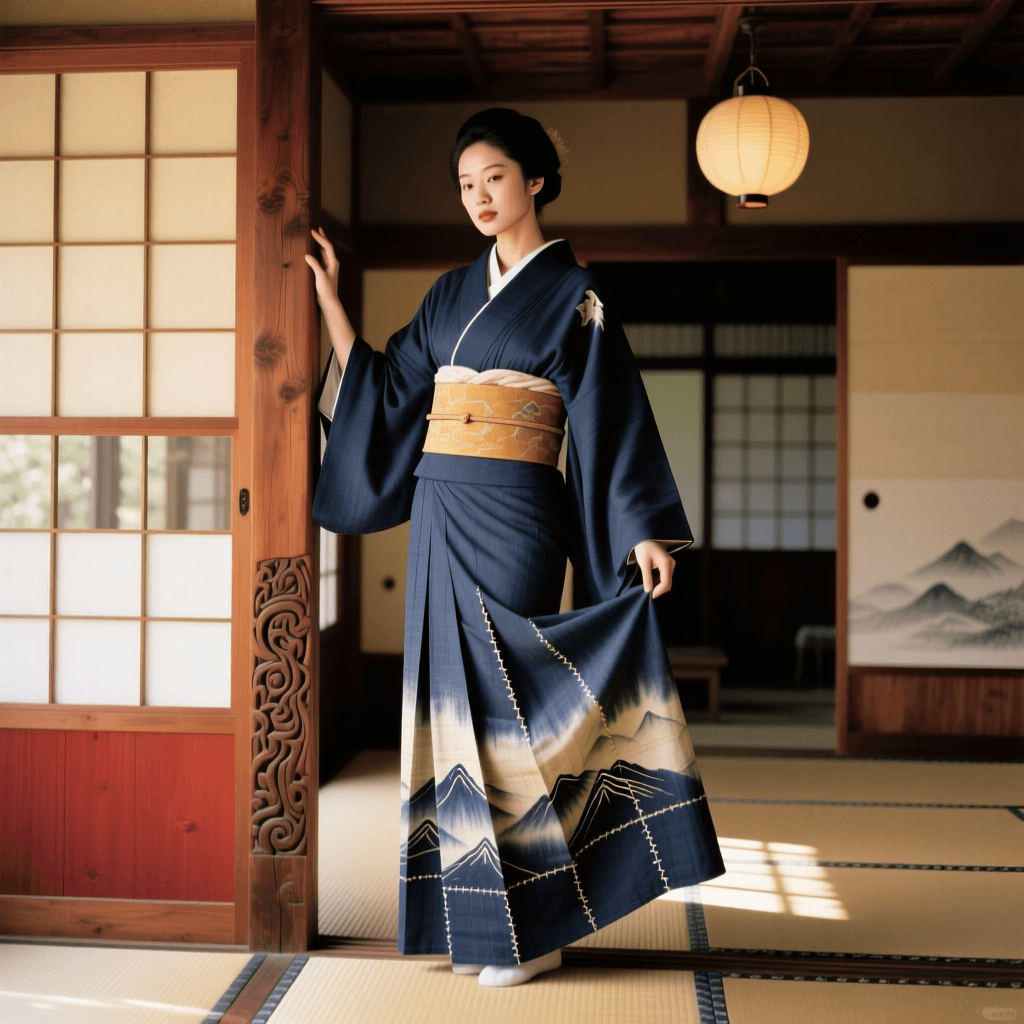
Long before the kimono became the standardized national dress, the hakama held a position of profound prestige. Originating in the Heian period as a symbol of courtly rank, the hakama is a divided, pleated skirt or trousers worn over a kimono. Historically, it was an essential component of the samurai's daily attire, designed to protect the legs while riding horses and to obscure the wearer's footwork during martial combat. The garment's structure is deeply philosophical; the standard hakama features exactly seven pleats, representing the seven virtues of the samurai: courage, justice, benevolence, respect, honesty, honor, and loyalty.
There are two primary variations of the hakama. The umanori (horse-riding) hakama is divided into two leg sections, functioning much like wide trousers. This style is predominantly worn by martial artists practicing kendo, aikido, and kyudo. The andon (lantern) hakama is undivided, resembling a long, flowing pleated skirt. This variation is traditionally worn by women, particularly university students during graduation ceremonies, and by Shinto shrine maidens (miko) as part of their sacred vestments.
The hakama is secured using four long ties (himo) that are intricately knotted at the back. The process of tying a hakama is a meditative practice in itself, requiring precision and an understanding of traditional aesthetics. Today, the hakama remains a powerful symbol of academic achievement, spiritual dedication, and martial discipline. For those interested in the intersection of clothing and movement, our guide on martial arts uniforms provides further insight into how the hakama facilitates physical practice.
Yukata: The Breathable Cotton Companion
If the kimono represents the formal, structured face of Japanese fashion, the yukata is its relaxed, joyful counterpart. The yukata traces its origins to the yukatabira, a simple hemp or linen bathrobe worn by the aristocracy during the Heian period to absorb moisture after bathing. As cotton cultivation became widespread and public bathhouses (sento) proliferated during the Edo period, the yukatabira evolved into the yukata, transitioning from a private bathrobe to acceptable public leisurewear.
Unlike the formal kimono, which requires multiple layers, specialized undergarments, and complex silk obi sashes, the yukata is typically made from lightweight, breathable cotton or linen. It is worn directly over simple undergarments and secured with a relatively narrow, easy-to-tie obi. This simplicity makes the yukata the undisputed garment of the Japanese summer. During the sweltering months, streets and festival grounds come alive with the vibrant patterns of yukata, often adorned with seasonal motifs such as morning glories, fireflies, and splashing water.
The yukata is intrinsically linked to matsuri (summer festivals) and fireworks displays. It is traditionally paired with geta (wooden clogs) and a kinchaku (drawstring bag). While it was once considered too casual for upscale dining or formal events, modern fashion sensibilities have elevated the yukata, with high-end ryokans (traditional inns) providing beautifully dyed, bespoke yukata for their guests to wear throughout the property. To learn more about the seasonal motifs that adorn these cotton canvases, explore our resource on Japanese textile arts.
Jinbei and Samue: The Garments of Labor and Leisure
While the yukata serves as summer festival wear, the jinbei and the samue represent the ultimate expressions of Japanese comfort and utility. The jinbei is a two-piece garment consisting of a short-sleeved, kimono-style top and matching shorts. Constructed from lightweight cotton, often featuring subtle woven stripes or simple indigo patterns, the jinbei is the quintessential loungewear for Japanese men, women, and children during the humid summer months. It is common to see locals wearing jinbei while running neighborhood errands, tending to gardens, or enjoying a quiet evening on the porch.
The samue, on the other hand, is a garment born of spiritual and physical labor. Originally worn by Zen Buddhist monks for their daily chores (samu), such as sweeping temple grounds, chopping wood, and farming, the samue consists of a long-sleeved, cross-front jacket and long, loose-fitting trousers. Unlike the delicate silk of formal wear, the samue is crafted from durable, heavy-duty cotton, hemp, or modern denim. The fabric is designed to withstand rigorous physical activity while allowing for a full range of motion.
Today, the samue has transcended its monastic origins. It is widely embraced by Japanese artisans, potters, woodworkers, and calligraphers who appreciate its unrestrictive fit and utilitarian aesthetic. The samue embodies the Zen philosophy that physical labor and spiritual practice are inseparable. The rugged beauty of the samue often intersects with traditional reinforcement techniques; for a deeper dive into these methods, read our article on sashiko and boro textiles, which explores how functional workwear was historically mended and strengthened.
Haori and Hanten: The Art of the Japanese Jacket
Layering is a fundamental principle of Japanese dress, necessitated by the country's distinct four seasons. The haori and the hanten are two distinct types of traditional jackets that serve both functional and highly decorative purposes. The haori is a hip- or thigh-length jacket worn over a kimono. Historically, it was a privilege reserved for the samurai class, but it eventually became a staple for both men and women. The haori is left open at the front and secured near the sternum using two braided cords known as haori himo.
One of the most fascinating aspects of the formal haori is the concept of jaku, or hidden luxury. During periods of strict sumptuary laws, commoners were forbidden from wearing flashy, expensive fabrics on the outside of their garments. In response, they commissioned haori with plain, subdued exteriors, but lined the inside with breathtaking, hand-painted silk featuring elaborate landscapes, dragons, or theatrical scenes. This practice cultivated a cultural appreciation for subtle, hidden beauty that remains a hallmark of Japanese aesthetics.
The hanten, conversely, is a padded winter jacket designed for warmth rather than formality. Traditionally worn by artisans, merchants, and laborers, the hanten is heavily quilted and stuffed with cotton wadding. Regional variations of the hanten are highly prized; for instance, the Kaga hanten from Ishikawa Prefecture is renowned for its exquisite tsutsugaki (rice-paste resist dyeing) techniques. Another iconic variation is the hikeshi-banten, the heavy, reversible coats worn by Edo-period firefighters, which featured intricate sashiko stitching and clan crests. The evolution of these jackets is deeply tied to the urbanization of Japan, a topic covered extensively in our guide to Edo period fashion.
Cultural Significance and the Evolution of Wafuku
The survival and evolution of traditional Japanese clothing—collectively known as wafuku—in an era dominated by Western fashion (yofuku) is a testament to the deep cultural resonance of these garments. Wafuku is not merely clothing; it is a wearable archive of Japanese history, climate adaptation, and social philosophy. The construction of these garments, which relies on straight cuts of fabric folded and wrapped rather than tailored to the body's curves, reflects a fundamental respect for the material. This zero-waste approach to pattern making is inherently sustainable, a concept that modern eco-conscious fashion is only just beginning to fully appreciate.
Furthermore, the act of wearing traditional garments like the hakama, yukata, or haori requires a different physical posture and mindset. The restrictive nature of a tightly tied obi or the sweeping length of a hakama demands mindfulness, deliberate movement, and grace. This physical engagement with the clothing fosters a sense of ichigo ichie (treasuring the unrepeatable nature of a moment), elevating the simple act of getting dressed into a ceremonial practice.
In contemporary Japan, there is a vibrant movement to integrate traditional garments into modern streetwear. It is increasingly common to see a vintage silk haori worn over a plain white t-shirt and denim, or a pair of modern, denim samue styled with leather sneakers. This fusion ensures that traditional Japanese clothing remains a living, breathing aspect of the culture, rather than a static relic confined to museums. By understanding the diverse garments that exist beyond the kimono, we gain a much richer, more nuanced appreciation for the enduring legacy of Japanese design.
Frequently Asked Questions
What is the main difference between a kimono and a yukata?
The primary differences lie in the material, layering, and formality. A kimono is typically made of silk or high-quality synthetic blends, requires specialized undergarments (juban), and is secured with a wide, complex obi sash. It is worn for formal events, tea ceremonies, and weddings. A yukata is made of lightweight, unlined cotton or linen, is worn directly over simple undergarments, and is secured with a narrow, easy-to-tie obi. The yukata is strictly casual, reserved for summer festivals, fireworks displays, and relaxing at traditional inns.
Can foreigners wear traditional Japanese clothing like hakama or jinbei?
Yes, absolutely. Japanese culture is generally very welcoming and appreciative when visitors take the time to wear traditional garments with respect and proper etiquette. Wearing a yukata to a summer festival or renting a hakama for a cultural experience is highly encouraged. The key is to ensure the garment is worn correctly—such as wrapping the left side over the right side for the living (the reverse is strictly reserved for dressing the deceased)—and to approach the experience with an appreciation for the garment's cultural roots.
How do you properly care for and store a haori or hanten?
Proper care depends on the material. Silk haori should be professionally dry-cleaned and stored flat, folded along their original seam lines, with acid-free tissue paper placed between the folds to prevent moisture buildup and dye transfer. They should be kept in a cool, dark, and dry environment, ideally inside a specialized wooden storage box (tatou). Cotton hanten and jinbei can usually be hand-washed or machine-washed on a gentle cycle using a mesh laundry bag, but they must be air-dried away from direct sunlight to prevent the indigo or natural dyes from fading.
Are there specific traditional garments worn only by children in Japan?
While children wear scaled-down versions of adult garments like yukata and jinbei, there are specific traditions involving unique children's attire. The most notable is the miyamairi garment, a beautifully embroidered, often white silk kimono used for a baby's first shrine visit. Additionally, during the Shichi-Go-San (Seven-Five-Three) festival, children of those specific ages wear highly formal, vibrant kimono and hakama to pray for their health and longevity at Shinto shrines. These miniature garments are often treasured family heirlooms passed down through generations.
What footwear is traditionally paired with these garments?
Traditional Japanese footwear is as specialized as the clothing itself. The zori is a flat, sandal-like shoe made of woven straw, cloth, or lacquered wood, typically worn with formal kimono and hakama, always paired with tabi (split-toe socks). The geta is a wooden clog elevated on one or two "teeth," designed to keep the hem of a yukata clean from mud and rain; it is worn barefoot or with specialized toe-covering socks. For labor-oriented garments like the samue or jinbei, modern practitioners often opt for jika-tabi (split-toe shoes with rubber soles) or simple straw sandals for comfort and grip. For a complete guide to these essential accessories, visit our page on traditional Japanese footwear.