Discovering Authentic Elegance: Your Guide to Finding a Traditional Indian Clothing Store Near You
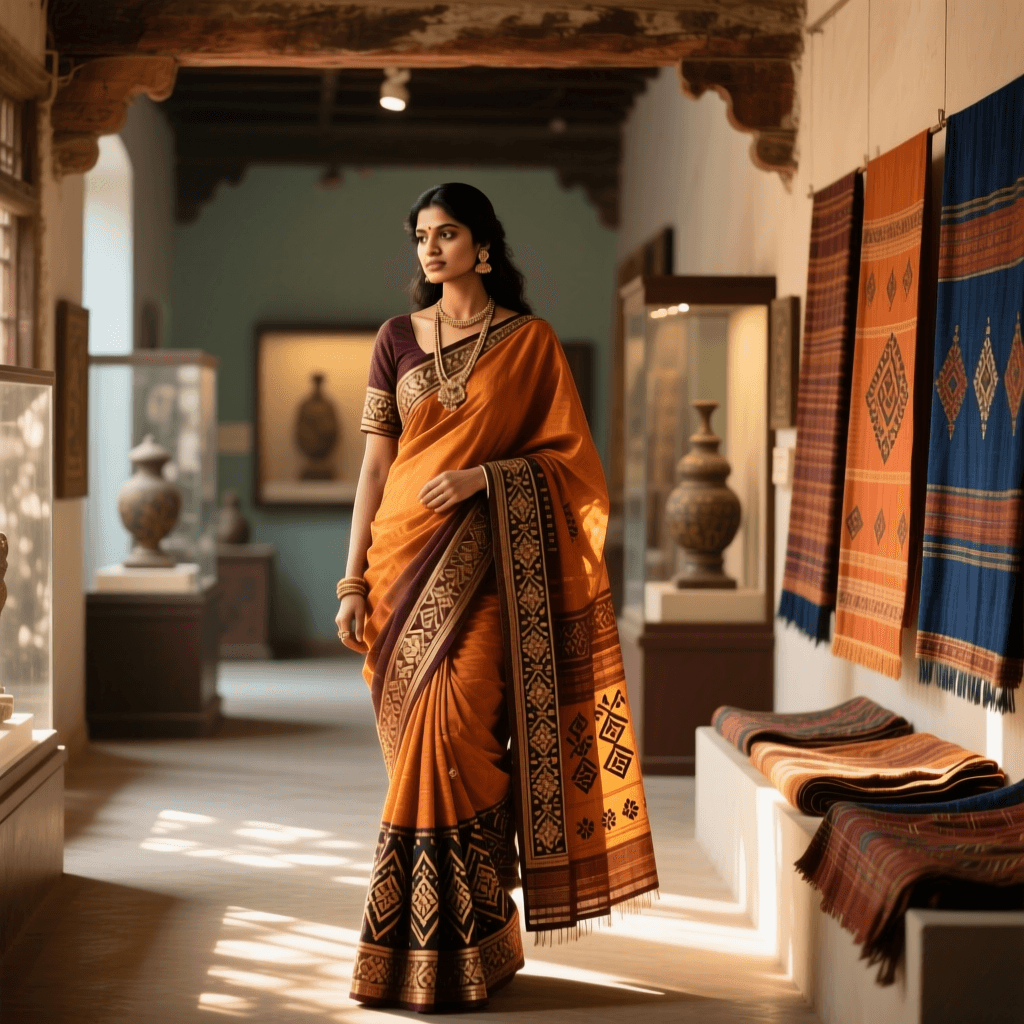
When you type "traditional Indian clothing store near me" into your search engine, you are initiating much more than a simple retail transaction. You are seeking a portal to a millennia-old heritage, a sensory experience defined by the rustle of pure silk, the intricate glint of metallic threads, and the vibrant hues of natural dyes. For the global diaspora and lovers of world textiles alike, finding a local Indian boutique is about connecting with a profound cultural legacy. These stores serve as vital community hubs, curating garments that tell the story of a subcontinent’s diverse history, artistry, and spiritual traditions.
Walking through the doors of an authentic Indian garment shop is an immersive experience. The air is often scented with sandalwood or jasmine, and the racks are heavy with the weight of handwoven textiles. Whether you are preparing for a wedding, seeking festive attire, or simply wishing to incorporate ethnic elegance into your daily wardrobe, understanding the heritage behind these garments transforms the act of shopping into an educational journey. In this comprehensive guide, we will explore the origins, defining characteristics, and regional variations of the clothing you will discover in local Indian boutiques, ensuring you know exactly what to look for when you search for a traditional Indian clothing store near you.
The Origins & Evolution of Indian Garments
The story of Indian clothing is inextricably linked to the dawn of human civilization. Archaeological evidence from the Indus Valley Civilization reveals a sophisticated understanding of cotton cultivation and weaving, dating back thousands of years. Historically, the Indian subcontinent favored unstitched fabrics. The ancient antariya (a lower-body drape) and uttariya (an upper-body scarf) were the foundational garments of early Indian society. This preference for unstitched cloth was deeply rooted in both practicality—providing breathability in a tropical climate—and spiritual philosophy, as woven, uncut fabric was considered pure and sacred.
The evolution of Indian fashion experienced a seismic shift with the arrival of Central Asian and Mughal influences, which introduced the art of tailoring and the use of the needle. This era birthed structured garments such as the angrakha, the choli, and the early iterations of the salwar. The Mughal courts were renowned for their patronage of the arts, elevating textile production to unprecedented heights. They introduced luxurious brocades, intricate Persian motifs, and the legendary zardozi embroidery, which utilized real gold and silver threads to adorn royal garments.
Today, when you visit a local Indian boutique, you are witnessing the culmination of this vast historical timeline. Modern stores act as custodians of this heritage, offering a blend of ancient draping traditions and tailored elegance. To truly appreciate the garments on display, one must recognize that every pleat, stitch, and motif is a continuation of a craft that has survived empires, colonial rule, and the rise of fast fashion. For a deeper dive into the historical evolution of tailored ethnic wear, our guide on salwar kameez history offers a fascinating look at how these garments traversed the Silk Route to become everyday staples.
Defining Characteristics of Authentic Indian Attire
Authentic Indian clothing is distinguished by its profound emphasis on textile manipulation, embellishment, and the philosophy of the drape. Unlike Western fashion, which heavily relies on complex cutting and tailoring to create silhouettes, traditional Indian garments often rely on the masterful draping of rectangular pieces of fabric. The saree, perhaps the most iconic Indian garment, is a single, continuous piece of woven fabric that can range from five to nine yards in length. The beauty of the saree lies in its versatility; it is not the garment itself that dictates the silhouette, but the wearer's technique of folding, tucking, and pleating. Exploring various saree draping styles reveals how a single piece of cloth can be adapted to suit different body types, regional customs, and functional needs.
Embellishment is another cornerstone of Indian attire. A visit to a traditional Indian clothing store will expose you to a dazzling array of surface ornamentation techniques. Zari work involves weaving metallic threads into the fabric, creating a luminous, brocade-like effect. Resham refers to vibrant silk thread embroidery, while Gota Patti involves appliquéing ribbons of gold or silver lace onto the fabric. Mirror work, or shisha, is heavily prevalent in garments from western India, designed to catch the light and ward off the evil eye. These embellishments are not merely decorative; they are symbolic, often denoting marital status, regional identity, or the festive nature of the occasion.
The choice of raw materials further defines the authenticity of the garments found in specialized boutiques. While mass-market stores may stock synthetic blends, a reputable local Indian clothing store will pride itself on offering natural fibers. Pure mulberry silk, breathable cotton, raw tussar, and luxurious pashmina wool are the canvases upon which Indian artisans paint their masterpieces. Understanding the tactile differences between these Indian handloom textiles is essential for any discerning shopper looking to invest in heirloom-quality pieces that will last for generations.
Regional Variations You Will Find in Local Boutiques
India is a subcontinent of staggering geographic and cultural diversity, and this diversity is vividly reflected in its regional textiles. A well-curated traditional Indian clothing store will feature sections dedicated to the distinct weaving and dyeing techniques of various Indian states. Recognizing these regional variations will elevate your shopping experience and allow you to appreciate the specific artistry behind each garment.
The South: Temple Borders & Pure Silk
Southern Indian textiles are renowned for their heavy, lustrous silks and deep, auspicious colors. The Kanjeevaram saree from Tamil Nadu is a masterpiece of the weaver’s loom, characterized by its thick silk body, contrasting borders, and motifs inspired by temple architecture and nature. The pallu (the decorative end of the saree) is often woven separately and interlocked with the body using a technique called korvai, creating a bond so strong that the fabric will tear before the joint gives way. In Kerala, you will find the Kasavu saree, a strikingly elegant garment made of unbleached cotton or silk with a distinctive gold zari border, traditionally worn during the Onam festival.
The North: Phulkari, Pashmina & Regal Lehengas
The northern regions of India offer a vibrant palette of heavily embroidered and tailored garments. Punjab is famous for Phulkari, which translates to "flower work." This embroidery technique involves using brightly colored silk threads on a coarse cotton base, creating intricate, geometric floral patterns that are a staple in bridal trousseaus. Moving north to Kashmir, boutiques will showcase the legendary Pashmina shawls, woven from the ultra-fine undercoat of the Changthangi goat. Furthermore, North Indian boutiques are the premier destination for the lehenga choli, a heavily embellished skirt and blouse ensemble that is the undisputed favorite for North Indian weddings. Our comprehensive lehenga choli guide details the various silhouettes and embroidery styles you should look for when shopping for bridal wear.
The East: Jamdani, Tant & Baluchari
Eastern India, particularly West Bengal and Odisha, is the heartland of fine cotton and intricate narrative weaves. The Jamdani saree is a triumph of the supplementary weft technique, where motifs are woven into the fabric by hand, resembling a delicate tapestry. Tant sarees are crisp, breathable cottons perfect for the humid Bengali climate, often featuring bold red and white borders. In Odisha, the Sambalpuri Ikat showcases a mind-boggling dyeing process where the yarns are tie-dyed before weaving, resulting in beautiful, slightly blurred motifs of shells, flowers, and wheels.
The West: Bandhani, Patola & Mirror Work
The western states of Gujarat and Rajasthan are celebrated for their mastery of resist-dyeing techniques. Bandhani involves plucking the cloth with the fingernails and tying thousands of minuscule knots before dyeing, resulting in vibrant, dotted patterns. The pinnacle of Gujarati weaving is the Patola saree, a double ikat silk textile that takes months, sometimes years, to complete. The precision required to align the dyed warp and weft threads is a closely guarded family secret passed down through generations. Rajasthani garments, such as the ghagra choli, are often heavily adorned with mirror work, cowrie shells, and vibrant patchwork, reflecting the lively spirit of the desert state.
Dressing for the Occasion: Navigating the Boutique
Knowing what to buy is just as important as knowing where to buy it. A traditional Indian clothing store near you will typically organize its inventory by occasion, as the rules of Indian dressing are deeply tied to the cultural and spiritual significance of the event. Understanding these nuances will help you communicate your needs effectively to the boutique stylists.
For weddings, the boutique will guide you toward opulent, heavy garments. Brides and close family members are expected to wear rich silks, deep reds, maroons, and golds, heavily encrusted with zardozi and stone work. The lehenga and the Kanjeevaram saree are the traditional choices here. For pre-wedding ceremonies like the Sangeet (a night of music and dance) or Mehendi (henna application), the dress code shifts to lighter, more mobile fabrics in vibrant hues like fuchsia, turquoise, and mustard yellow, often featuring gotapatti or thread embroidery.
Festive wear for occasions like Diwali, Eid, or Navratri requires a balance of elegance and comfort. Women often opt for the Anarkali suit—a flowing, frock-style kurta paired with fitted bottoms—or beautifully draped silk sarees. Men will find a curated selection of kurtas, sherwanis, and Nehru jackets crafted from raw silk or linen. For daily ethnic wear or casual gatherings, the boutique will offer breathable cotton kurtas, block-printed tunics, and lightweight Chanderi silk dupattas. Navigating these categories ensures you are always dressed appropriately, respecting the cultural gravity of the event while expressing your personal style.
The Cultural Significance of Supporting Local Indian Boutiques
Choosing to shop at a local, traditional Indian clothing store rather than purchasing mass-produced, synthetic imitations online carries profound cultural and economic weight. These boutiques are often family-owned businesses that maintain direct relationships with artisan cooperatives and weaver clusters across India. By purchasing authentic handloom garments, you are directly contributing to the livelihoods of rural artisans, helping to sustain ancient weaving techniques that are increasingly threatened by the mechanization of the textile industry and the rise of cheap fast fashion.
Furthermore, for the Indian diaspora, these local stores are vital cultural anchors. They are the places where mothers teach their daughters how to pleat a saree, where families gather to select matching outfits for community festivals, and where second-generation immigrants can physically connect with their heritage. The owners of these boutiques act as cultural ambassadors, offering advice on styling, explaining the symbolism behind specific motifs, and providing custom tailoring services that ensure traditional garments fit modern silhouettes perfectly. Supporting these local enterprises ensures that the vibrant tapestry of Indian textile history continues to thrive in communities around the world.
Frequently Asked Questions
How do I know if a local Indian clothing store sells authentic handloom garments?
Authentic handloom garments possess distinct characteristics that set them apart from power-loom or digitally printed imitations. Look for slight irregularities in the weave, which are hallmarks of human craftsmanship rather than machine perfection. Authentic silk will have a natural, nuanced sheen that changes with the angle of light, whereas synthetic blends often have a flat, plastic-like shine. Reputable boutiques will also provide information about the weaver cluster, the specific weaving technique used, and may even offer government-issued handloom authenticity tags or silk marks. Do not hesitate to ask the store owner about the origin of the textile; a genuine purveyor will be proud to share the garment's provenance.
What is the difference between a saree, a lehenga, and a salwar kameez?
These three garments represent the core pillars of traditional Indian womenswear. A saree is an unstitched drape, typically five to nine yards long, wrapped around the body and paired with a tailored blouse (choli) and a petticoat. A lehenga is a three-piece ensemble consisting of a heavily embellished, flared skirt, a fitted blouse, and a draped scarf called a dupatta; it is primarily worn for weddings and grand celebrations. A salwar kameez is a versatile, tailored suit comprising a tunic (kameez), tapered or wide-legged trousers (salwar), and a dupatta; it is favored for its comfort and is suitable for both daily wear and festive occasions.
Can I get custom tailoring and blouse stitching at a traditional Indian boutique?
Yes, custom tailoring is an integral part of the traditional Indian clothing shopping experience. Because garments like the saree require a perfectly fitted blouse (choli) to ensure the drape sits correctly, most authentic boutiques employ in-house master tailors. These tailors specialize in traditional cuts, such as the classic backless choli with tie-ups, or modern adaptations with intricate necklines and sleeve designs. When purchasing unstitched fabrics or lehengas, the boutique will typically take your measurements and offer bespoke stitching services to ensure the garment is tailored precisely to your body.
How should I care for heavily embellished traditional Indian garments?
Heavily embellished garments, particularly those featuring zari, zardozi, or delicate silk threads, require meticulous care to preserve their integrity. Never wash these garments at home, as water and harsh detergents can tarnish the metallic threads and cause the fabric to bleed. Always opt for professional dry cleaning, and specifically inform the cleaners about the delicate nature of the embroidery. When storing, avoid wire hangers, which can distort the fabric's shape. Instead, wrap the garment in unbleached muslin or pure cotton cloth to allow the fibers to breathe, and store it flat in a cool, dry place. Periodically refold the garment along different lines to prevent permanent creasing and fiber breakage.
Is it appropriate for non-Indians to wear traditional Indian clothing?
Absolutely. Indian culture is deeply rooted in the philosophy of Atithi Devo Bhava (the guest is equivalent to God), and sharing cultural attire is viewed as a gesture of warmth, inclusion, and respect. Whether you are attending an Indian wedding, participating in a Diwali celebration, or simply appreciate the artistry of global textiles, wearing traditional Indian clothing is highly encouraged. The key is to wear the garments with respect for their cultural context—ensuring they are draped correctly, worn for appropriate occasions, and sourced ethically from authentic traditional Indian clothing stores that support the artisans who create them.
Ultimately, finding a traditional Indian clothing store near you is the first step into a world of unparalleled artistry and cultural depth. By understanding the history, regional nuances, and craftsmanship behind these garments, you transform your wardrobe into a living, breathing atlas of Indian heritage.