The Ultimate Guide to Traditional Dress for Men: Style, Heritage & Modern Elegance
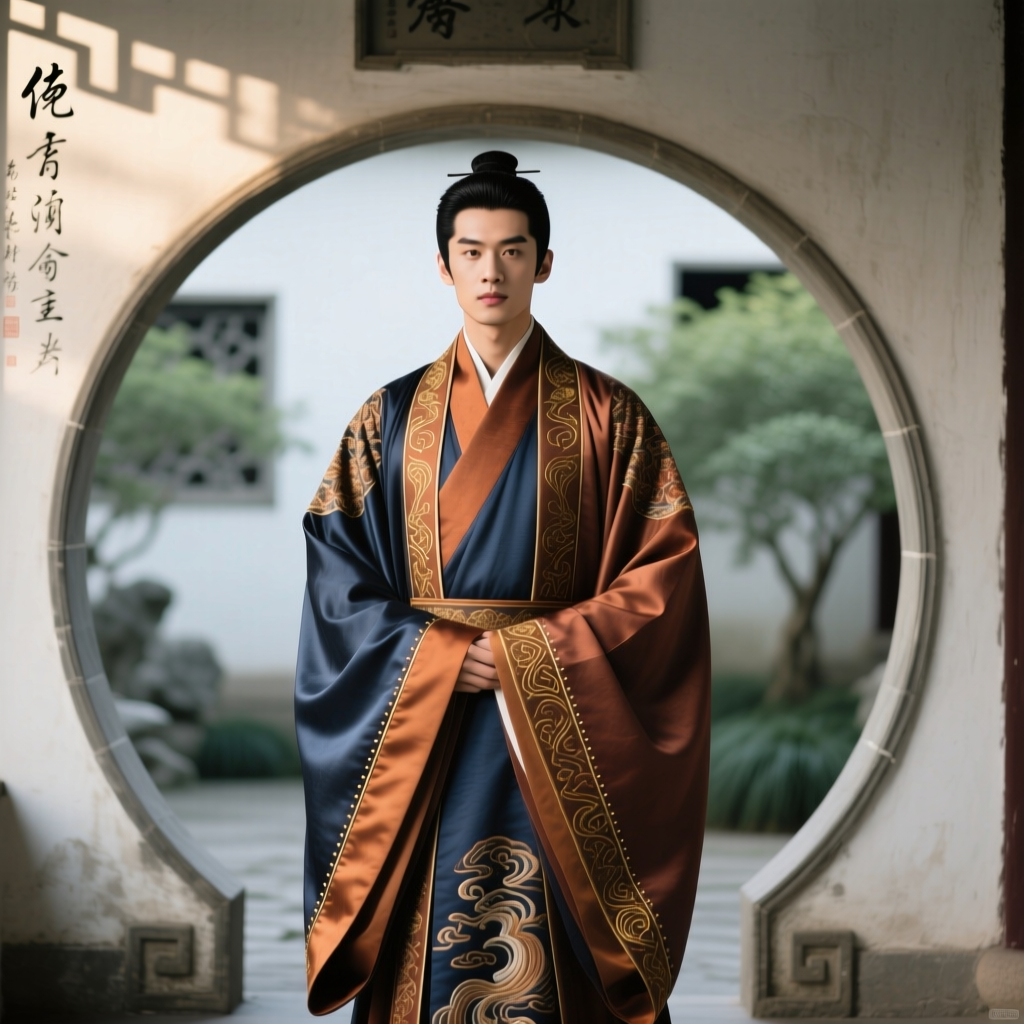
Fashion is far more than a mere covering; it is a profound expression of identity, history, and cultural pride. For men, traditional dress offers a unique sartorial avenue to connect with ancestry while making a striking statement in the modern world. Whether you are donning a meticulously tailored Scottish kilt, a flowing South Asian kurta, or a breathable Latin American guayabera, heritage garments carry a weight and elegance that contemporary Western suits often lack. In this comprehensive guide, we explore the timeless appeal of traditional dress for men, offering practical styling advice, accessory pairings, and insights into modern adaptations that bridge the gap between historical roots and contemporary wardrobes.
Embracing Cultural Heritage Through Menswear
Traditional menswear is a global tapestry of craftsmanship, each garment telling a story of its homeland's climate, history, and social structures. Exploring global menswear heritage reveals that these garments were designed with profound intentionality. The South Asian kurta, for instance, was engineered for breathability and ease of movement in sweltering climates, utilizing lightweight cottons and silks. Conversely, the Scottish kilt, crafted from heavy worsted wool, was designed to provide warmth, protection, and mobility in the rugged Highlands. Understanding the origins of these garments is the first step in wearing them with the respect and confidence they command. When you wear traditional clothing, you are not just putting on fabric; you are draping yourself in centuries of cultural evolution and artisanal mastery.
Styling Traditional Garments for the Modern Man
The key to pulling off traditional dress in the modern era lies in mastering fit, proportion, and fabric selection. A common mistake men make is treating heritage garments as costumes rather than tailored clothing. To elevate your look, you must apply the same rigorous standards of fit that you would to a bespoke suit.
Mastering Proportions: Silhouette is everything. A kurta should ideally fall just below the knee or mid-thigh, with shoulder seams sitting exactly at the edge of your shoulder. If you are exploring the Indian kurta styling archives, you will notice that modern tailoring favors a slightly slimmer cut through the torso to prevent the garment from looking overly boxy. Similarly, a kilt must sit at the natural waist—not the hips—and the hem should rest precisely at the middle of the knee.
Fabric Selection: The material dictates the drape and formality of the garment. For summer events and casual outings, opt for hand-loomed cotton, linen, or lightweight silk blends. These fabrics offer a relaxed drape and excellent temperature regulation. For winter or formal evening events, heavier silks, raw silk, brocades, and fine wools provide structure and a luxurious sheen. Proper maintenance is crucial, so always consult a fabric care guide before washing delicate heritage textiles.
Color Palettes: Traditional menswear often embraces color more boldly than Western tailoring. However, to maintain a sophisticated edge, anchor vibrant hues with neutral tones. If you are wearing a richly embroidered, jewel-toned sherwani, pair it with understated, tailored trousers in ivory, charcoal, or navy.
The Art of Accessorizing Heritage Clothing
Accessories are the bridge between a traditional garment and a complete, polished ensemble. The wrong footwear or jewelry can instantly downgrade a heritage piece, while the right choices will amplify its elegance.
- Footwear: Never pair traditional garments with modern athletic sneakers unless you are deliberately aiming for a high-contrast streetwear look. For South Asian attire, leather mojari or jutti shoes are essential. They feature a low profile and intricate embroidery that complements the kurta. For the Scottish kilt, Ghillie brogues are the undisputed standard, worn with kilt hose and flashes. Latin American guayaberas pair beautifully with leather huaraches, woven loafers, or suede espadrilles.
- Headwear & Outerwear: In many cultures, headwear is a sign of respect and completes the formal silhouette. The Middle Eastern keffiyeh or the South Asian safi (turban) require specific wrapping techniques that denote regional heritage. For outerwear, a structured Nehru jacket or a tailored waistcoat adds a layer of formality and warmth without disrupting the traditional lines of the garment beneath.
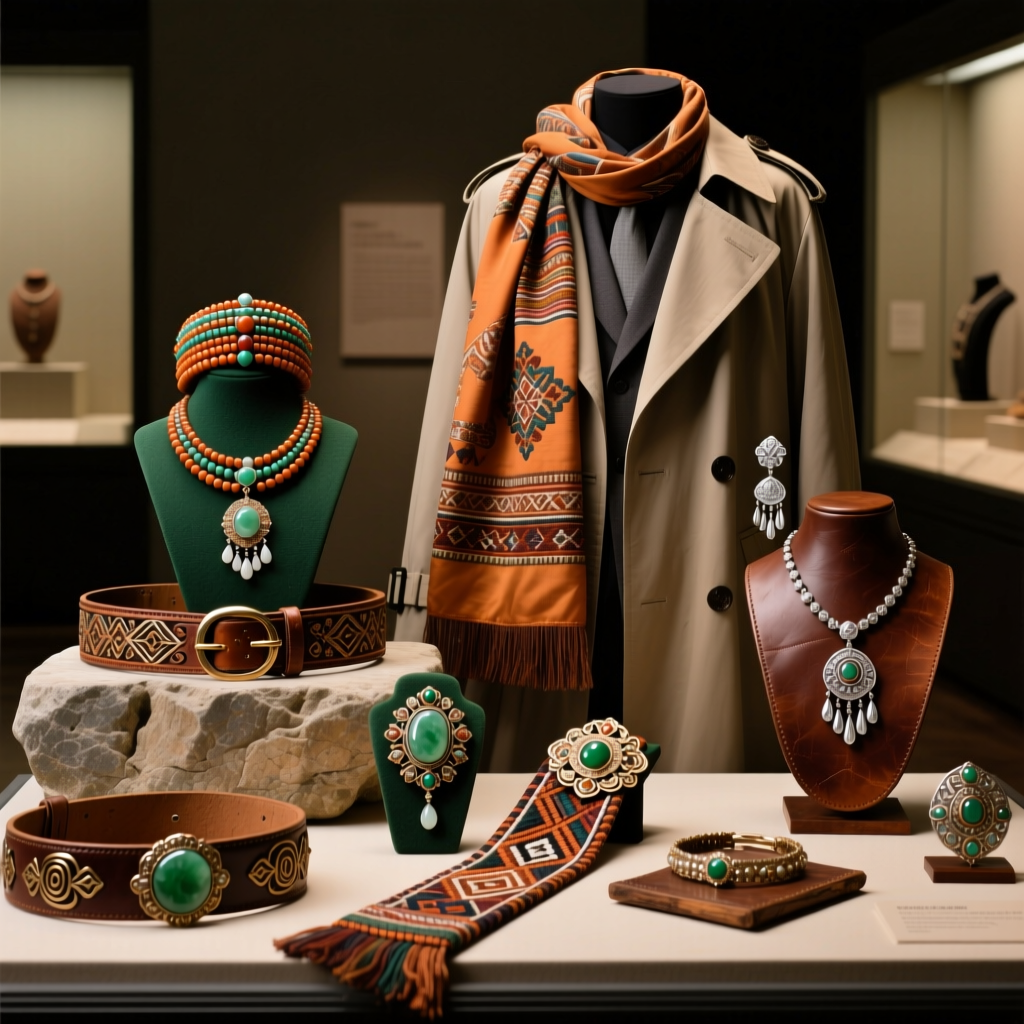
- Jewelry & Accents: Men's traditional jewelry is often understated but impactful. A simple pearl or emerald mala (necklace), a vintage pocket watch attached to a kilt pin, or a signet ring can add a touch of aristocratic flair. Belts should generally be avoided with kurtas and sherwanis, as the garments are meant to drape naturally from the shoulders; instead, rely on side-adjusters or drawstrings on the trousers.
Navigating Occasions and Dress Codes
Knowing when and where to wear traditional dress is vital for sartorial success. Heritage garments are incredibly versatile, but their formality levels vary wildly based on fabric and embellishment.
Weddings & Grand Celebrations: This is the prime arena for maximalist traditional wear. A heavily embroidered silk sherwani, a full Highland dress with a Prince Charlie coatee, or a meticulously woven Barong Tagalog are perfect for nuptials. These events demand high-quality fabrics, rich colors, and formal accessories.
Cultural Festivals & Religious Ceremonies: Modesty and respect are the guiding principles here. Opt for breathable cottons, modest cuts, and traditional motifs. A simple, well-fitted kurta with a churidar or straight-cut pajama is respectful, comfortable, and culturally appropriate for temple visits or community gatherings.
Formal & Black-Tie Events: Can traditional dress replace a tuxedo? Absolutely, provided it is tailored to formal standards. A dark, unembellished silk kurta paired with a structured, velvet Nehru jacket and tailored trousers can easily hold its own at a black-tie gala. The key is to ensure the garments are impeccably pressed, dark in color, and devoid of casual elements like drawstrings or slubby cottons.
Modern Adaptations and Fusion Wear
The contemporary sartorial landscape is defined by the blending of borders. Fusion menswear allows men to honor their heritage while participating in global fashion trends. The secret to fusion wear is contrast: pairing the relaxed, historical elements of traditional dress with the sharp, structured elements of modern Western clothing.
For a smart-casual weekend look, try pairing a short, mandarin-collar kurta with dark, selvedge denim and Chelsea boots. The structured denim grounds the flowing nature of the kurta, creating a balanced, masculine silhouette. Alternatively, a lightweight, unlined linen guayabera worn untucked over a crisp white t-shirt and tailored chino shorts is the ultimate warm-weather resort wear.
Even the kilt has seen modern adaptations. While traditional wool tartans remain the gold standard for formal events, contemporary designers are crafting kilts from denim, leather, and technical fabrics. Pairing a muted, solid-color utility kilt with a fitted turtleneck and a leather jacket creates an edgy, avant-garde look that respects the garment's origins while pushing it firmly into the modern era.
Buying Guide: Sourcing Authentic Traditional Menswear
Investing in traditional dress requires a discerning eye. The market is flooded with mass-produced, synthetic costumes that lack the soul and durability of genuine heritage garments. To build an authentic wardrobe, follow these sourcing principles:
- Seek Out Artisans: Whenever possible, buy directly from weavers, embroiderers, and regional boutiques. Hand-loomed fabrics and hand-stitched embroidery carry an irregular, human touch that machines cannot replicate. This also ensures your money supports traditional craft communities.
- Invest in Bespoke Tailoring: Off-the-rack traditional wear rarely fits perfectly because these garments rely heavily on drape. Consulting a bespoke tailoring expert who understands the specific construction of heritage garments will ensure the shoulder seams, armholes, and lengths are customized to your exact measurements.
- Scrutinize the Hardware & Stitching: Look for natural buttons made from horn, shell, or metal rather than plastic. Check the interior seams; high-quality traditional garments will feature clean finishing, and in the case of kilts, the pleats must be hand-stitched to fall perfectly from the waist.
- Avoid Synthetic Blends: Traditional garments were designed for specific climates using natural fibers. Polyester blends will trap heat, drape poorly, and degrade quickly. Always check the care label for 100% natural fibers like cotton, linen, silk, or wool.
Frequently Asked Questions
Can I wear traditional dress to a formal Western event?
Yes, traditional dress can be entirely appropriate for formal Western events, provided it meets the formality requirements of the dress code. A dark, silk sherwani with tailored trousers, or a formal Highland dress, can easily rival a tuxedo in elegance. The key is to ensure the garment is impeccably tailored, made from luxurious fabrics, and paired with formal footwear. Avoid overly casual fabrics like slubby cotton or loud, festive prints if the event is strictly black-tie.
How do I care for delicate heritage fabrics?
Heritage fabrics like raw silk, brocade, and hand-loomed cotton require specialized care. Never machine wash or tumble dry these garments, as the agitation can destroy delicate weaves and cause severe shrinkage. Dry cleaning is generally the safest route for heavily embroidered or structured pieces like sherwanis and kilts. For cotton kurtas and linen guayaberas, gentle hand washing in cold water with a mild, pH-neutral detergent is recommended. Always air dry in the shade to prevent UV fading, and use a steam iron rather than a direct hot press to remove wrinkles without crushing the fibers.
What footwear pairs best with traditional menswear?
Footwear should always complement the cultural origin of the garment. For South Asian attire, leather mojari, jutti, or khussa shoes are the traditional and most stylish choice. For Scottish Highland wear, Ghillie brogues are mandatory for formal events, though plain leather oxfords can work for casual daywear. Latin American garments like the guayabera pair best with leather huaraches, woven loafers, or suede espadrilles. The golden rule is to avoid modern athletic sneakers unless you are deliberately crafting a streetwear-inspired fusion look.
Is it appropriate to wear another culture's traditional dress?
This is a nuanced topic that requires cultural sensitivity and respect. Wearing another culture's traditional dress is generally acceptable and appreciated when you are participating in a cultural event, attending a wedding of that culture, or visiting the country of origin as a guest. In these contexts, it is often seen as a sign of respect and a willingness to engage with local customs. However, it is crucial to avoid wearing sacred or highly specific ceremonial garments (like religious vestments or military medals) as casual fashion statements. Always research the significance of the garment, ensure it is worn correctly, and source it ethically from artisans of that culture rather than buying cheap, mass-produced imitations.