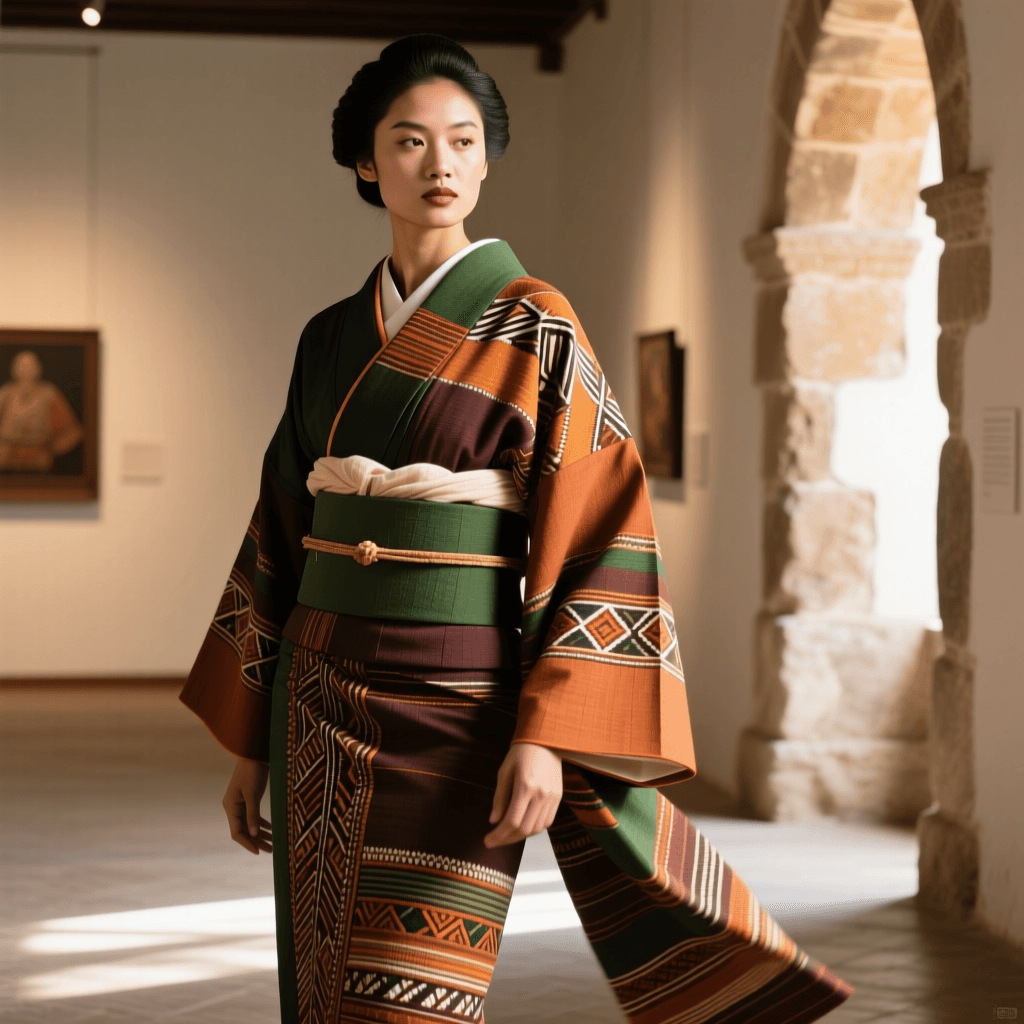
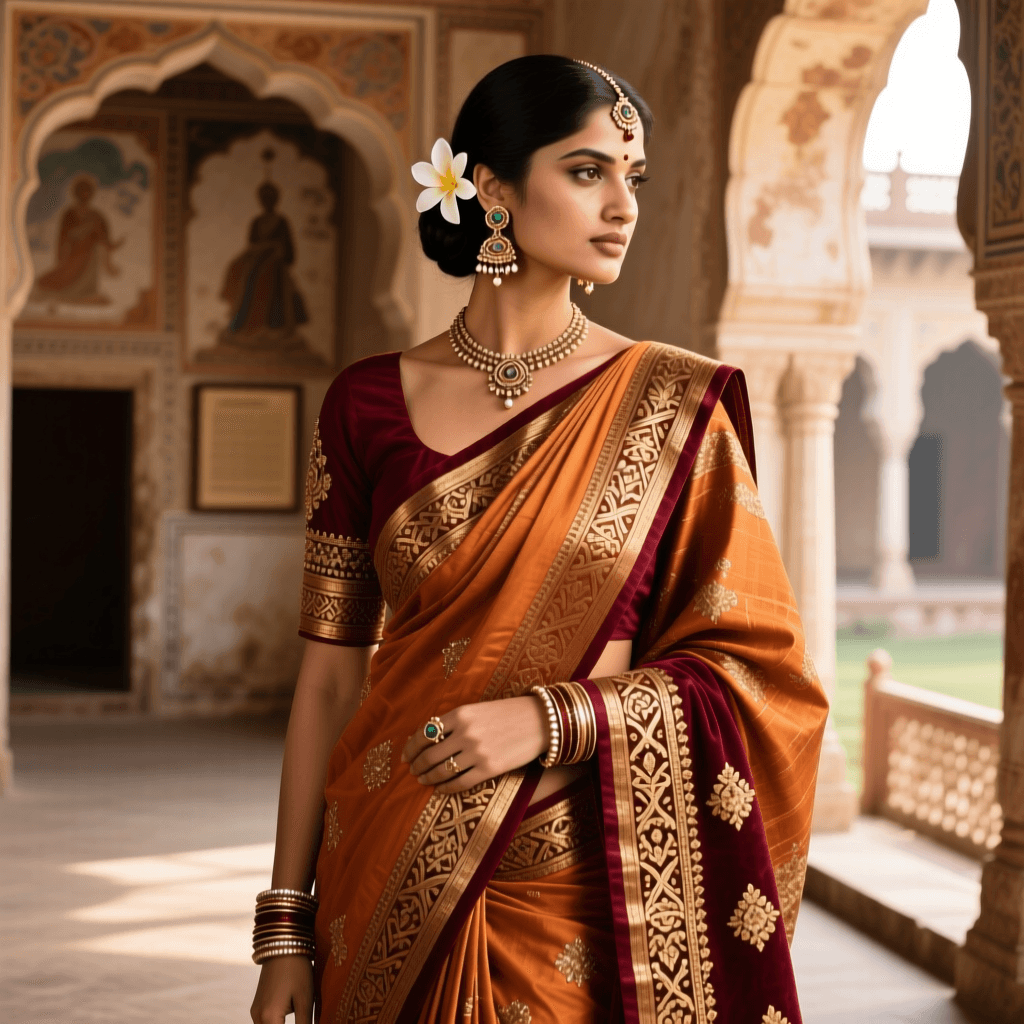
A Timeless Guide to Traditional Dress for Girls: Styling, Heritage & Modern Elegance
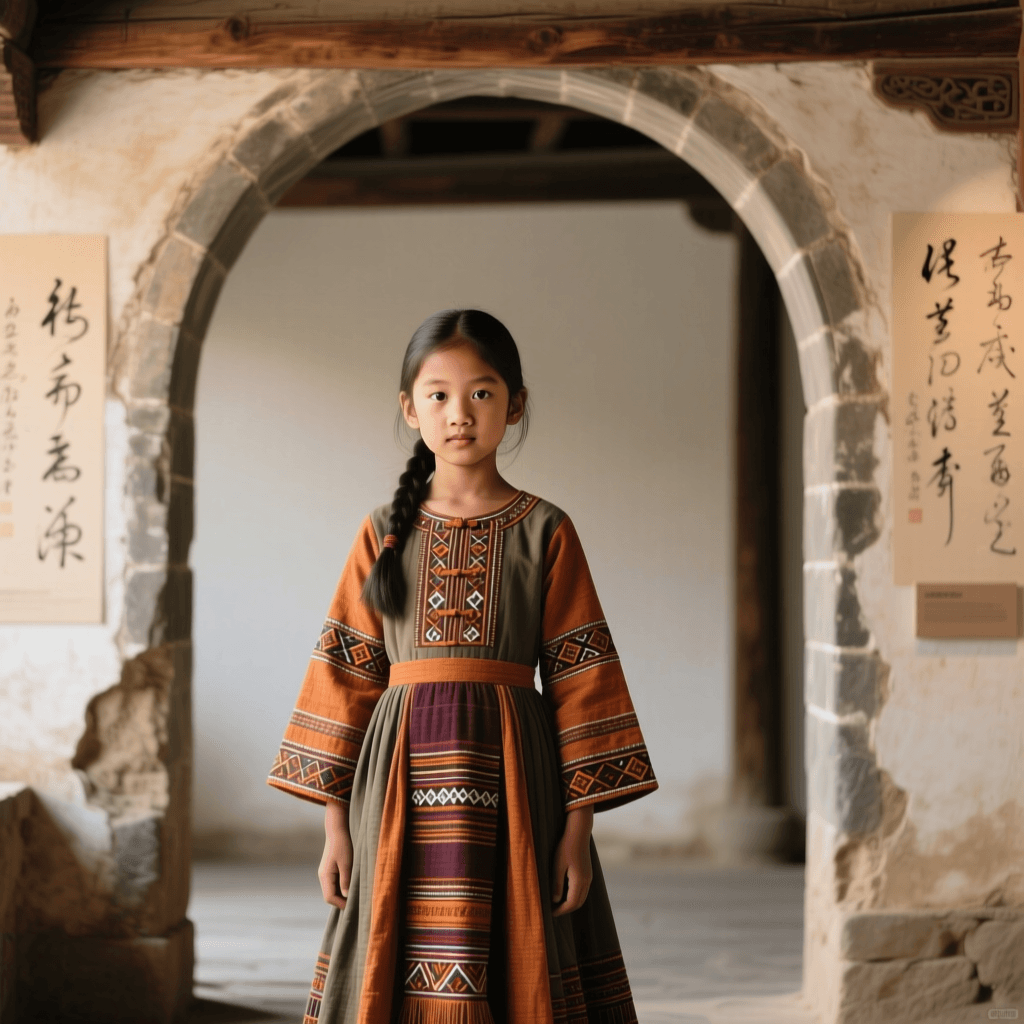
Clothing is far more than mere fabric; it is a woven tapestry of history, identity, and cultural pride. When it comes to traditional dress for girls, these garments serve as a beautiful bridge connecting younger generations to their ancestral roots. Dressing up in cultural attire is not just about looking beautiful for a photograph; it is an immersive experience that teaches children about their heritage, the artistry of global textiles, and the stories stitched into every seam. Whether you are preparing for a vibrant festival, a family wedding, or a school cultural day, navigating the world of ethnic wear requires a balance of aesthetics, comfort, and practicality.
In this comprehensive guide, we explore the art of styling traditional dress for girls. From embracing historical silhouettes to integrating modern adaptations for everyday wear, we will cover everything you need to know to build a versatile, culturally rich wardrobe that your child will love wearing.
Embracing Cultural Heritage Through Everyday Elegance
Traditional clothing carries the weight of centuries of craftsmanship. Introducing girls to these garments early on fosters a deep sense of belonging and appreciation for their lineage. The global textiles heritage archive highlights how different cultures utilize specific weaves, dyes, and embroidery techniques to tell stories of their people. For instance, the intricate thread work of South Asian garments or the vibrant, geometric Kente cloth of West Africa are not just visually stunning; they are historical documents worn on the body.
When selecting traditional dress for girls, take the time to explain the significance of the motifs and colors. If she is wearing a dress adorned with lotus embroidery, explain how the lotus symbolizes purity and resilience in many Eastern cultures. If she is wearing a tartan skirt, explore the celtic weaves and the history of Scottish clans. This educational approach transforms the act of getting dressed into a meaningful ritual, ensuring that the garments are respected and cherished rather than treated as mere costumes.
Styling Tips for Comfort and Grace
Girls are naturally active, curious, and constantly on the move. Therefore, the primary rule of styling traditional dress for girls is to prioritize comfort without compromising on elegance. Restrictive garments can quickly lead to frustration, turning a joyous occasion into an uncomfortable ordeal.
- Prioritize Breathable Fabrics: Opt for natural fibers like cotton, linen, and lightweight silks. These materials allow the skin to breathe and prevent overheating during long festive gatherings.
- Focus on the Silhouette: A-line cuts, flared skirts, and relaxed tunics offer ample room for movement. For a detailed breakdown of comfortable ethnic silhouettes, refer to our salwar kameez guide, which highlights styles that are both modest and highly mobile.
- Soft Linings are Essential: Heavily embroidered garments or stiff brocades can be scratchy against delicate skin. Always ensure that the inner lining is made of soft, high-quality cotton or mulmul.
- Adjustable Features: Look for dresses with elasticated waists, adjustable drawstrings, or tie-up sashes. These features not only provide a customized fit but also allow the garment to grow with the child, extending its lifespan.
Accessorizing Traditional Ensembles
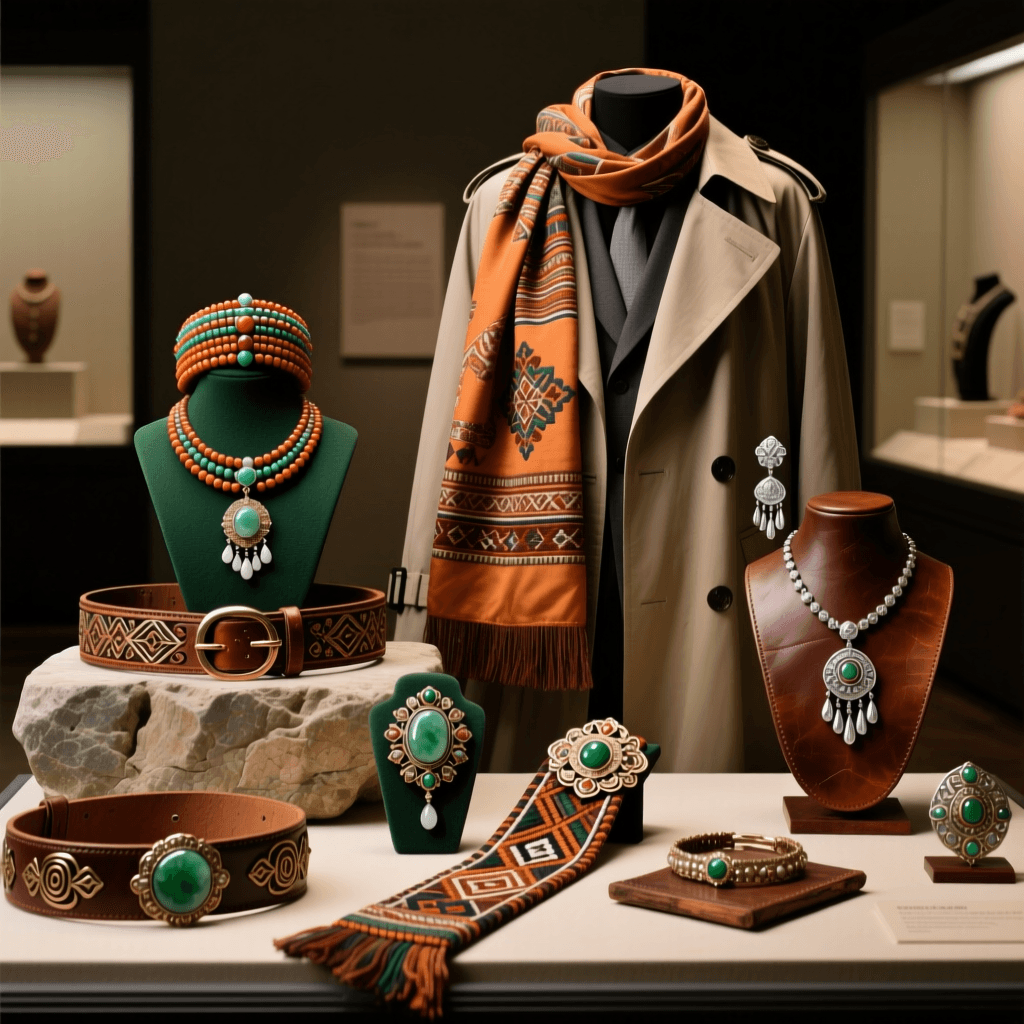
Accessories are the finishing touches that elevate a traditional outfit from simple to spectacular. However, when styling girls, the key is to keep accessories age-appropriate, lightweight, and secure.
Footwear: Traditional footwear like embroidered mojaris, juttis, or velvet slippers add an authentic flair. Ensure they have padded insoles and flexible soles to support running and dancing. If traditional shoes are unavailable, neutral-toned Mary Janes or ballet flats are excellent, comfortable alternatives.
Jewelry: Avoid heavy, dangling pieces that might get caught in hair or clothing. Opt for lightweight jhumkas, delicate gold or silver chains, and simple bangles. For hair, floral pins, braided ribbons, or a simple maang tikka can add a touch of regal elegance without causing discomfort.
Layering Pieces: In cooler weather, traditional shawls, pashminas, or embroidered capes serve a dual purpose. They provide warmth while adding a rich layer of texture and color to the overall ensemble. Exploring the hanbok history page offers wonderful insights into how traditional layering techniques can be both functional and visually striking.
Modern Adaptations for the Contemporary Wardrobe
Traditional dress for girls does not have to be reserved strictly for ceremonial events. The rise of fusion wear and indo-western fashion has made it easier than ever to incorporate cultural elements into everyday wardrobes. Blending tradition & modernity allows girls to express their heritage in a way that feels relevant to their daily lives.
Consider pairing a heavily embroidered traditional skirt with a crisp, white cotton t-shirt and a denim jacket for a casual weekend outing. Alternatively, a short, modern tunic can be worn over leggings or jeans, creating a chic, contemporary silhouette. The qipao styling guide demonstrates how classic mandarin collars and frog button details can be integrated into modern shift dresses, offering a sophisticated nod to Chinese heritage that is perfectly suited for school or casual playdates.
Mixing and matching separates is also a highly sustainable approach to children's fashion. By investing in versatile traditional pieces that can be mixed with western staples, you maximize the utility of every garment while encouraging creative styling.
Choosing the Right Attire for Every Occasion
Different events call for varying levels of formality, fabric choices, and embellishments. Understanding these nuances ensures your child is dressed appropriately and comfortably for any gathering.
- Weddings and Grand Celebrations: This is the time to bring out the rich silks, velvets, and intricate zari work. Deep jewel tones like emerald green, ruby red, and sapphire blue photograph beautifully. Ensure the outfit has a soft inner lining to protect against heavy embroidery.
- Festivals (Diwali, Eid, Lunar New Year): Bright, joyous colors and lightweight fabrics are ideal. Cotton-silk blends, georgette, and chiffon offer a festive drape without the heavy weight of bridal silks. Comfort is key, as these days often involve visiting multiple relatives and participating in active games.
- Cultural Days and School Events: Keep it simple and easy to manage. A cotton kurta, a simple wrap skirt, or a modest tunic dress allows girls to participate in school activities without worrying about damaging delicate fabrics or tripping over long hemlines.
The Ultimate Buying Guide for Girls' Traditional Wear
Shopping for traditional dress for girls can be overwhelming given the sheer variety of textiles, regional styles, and price points. Use this practical buying guide to make informed, lasting investments.
Sizing and Longevity: Children grow rapidly. When buying traditional ensembles, especially expensive silks or heavily embellished pieces, consider sizing up. A slightly longer hemline can be taken up with a temporary stitch, and an outfit bought a size larger will easily last through multiple festive seasons.
Fabric Care and Maintenance: Before purchasing, check the care label. While dry-cleaning is standard for silks and zari work, everyday cotton and linen traditional wear should be machine or hand-washable. Avoid garments that require overly complicated maintenance unless they are reserved for rare, special occasions.
Budgeting Wisely: Allocate a larger portion of your budget to high-quality, versatile staples like a well-tailored silk skirt or a classic embroidered jacket. Save money on trendy, fast-fashion fusion pieces that your child might outgrow or tire of quickly. Supporting local artisans and ethical brands not only ensures better craftsmanship but also helps preserve traditional weaving communities.
Frequently Asked Questions
How do I ensure traditional clothing is comfortable for active girls?
The secret lies in the cut and the fabric. Avoid stiff, heavily starched materials and opt for fluid drapes like georgette, soft cotton, or modal. Ensure the armholes are cut generously to allow for reaching and playing, and always choose elasticated or drawstring waists over tight, buttoned closures. Testing the garment's mobility by having your child do a quick twirl or stretch before purchasing is a great practical tip.
What are the best fabrics for sensitive skin?
Natural, unblended fibers are always the safest choice for sensitive skin. Organic cotton, bamboo silk, and fine mulmul are incredibly gentle and breathable. Avoid synthetic fabrics like polyester or nylon, especially in warm weather, as they trap heat and moisture, which can lead to rashes. If the outer garment is made of a rougher material like brocade or raw silk, ensure it is fully lined with a soft cotton barrier.
How can I blend traditional and modern styles for a casual outing?
Fusion styling is all about balancing proportions and textures. Pair a traditional, heavily patterned bottom with a solid, modern top. For example, a vibrant ethnic maxi skirt looks beautiful with a simple white ribbed tank top and sneakers. Alternatively, use traditional accessories, like a pair of silver oxidized bangles or a woven ethnic tote bag, to elevate a standard jeans-and-tee outfit.
How do I properly care for and store heavily embroidered garments?
Heavily embroidered and silk garments should always be dry-cleaned to prevent the threads from fraying or the colors from bleeding. When storing, never hang heavy ensembles on thin wire hangers, as the weight of the embroidery can tear the fabric at the shoulders. Instead, fold them gently with acid-free tissue paper to prevent creasing, and store them in breathable cotton garment bags in a cool, dry place away from direct sunlight.
At what age should girls start wearing full traditional ensembles?
There is no strict rule, but many parents introduce simple, comfortable traditional separates like cotton tunics and leggings during the toddler years. Full, elaborate ensembles with dupattas, heavy jewelry, or complex drapes are usually better suited for girls aged seven and above, when they have the patience and physical coordination to manage the extra layers and accessories comfortably.