The Ultimate Guide to Traditional Dress to Wear to a Wedding
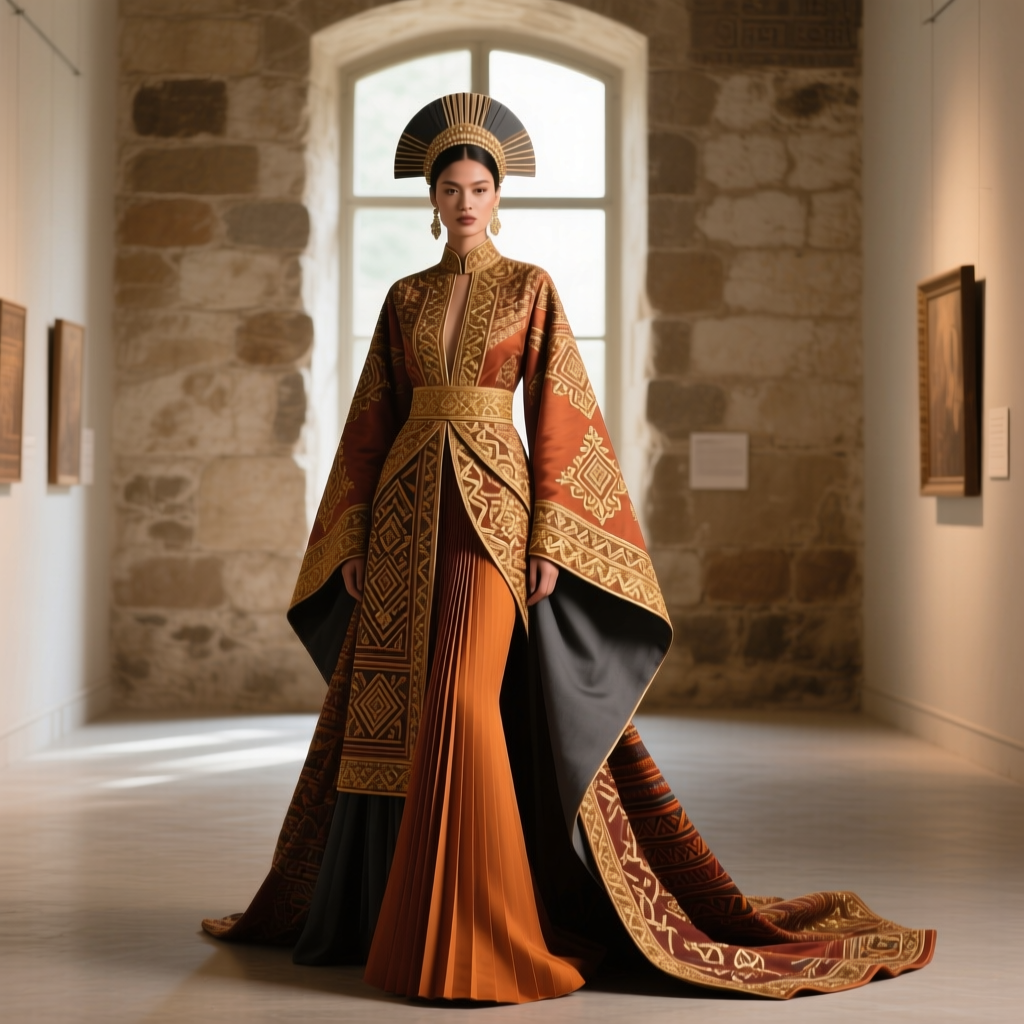
Weddings are a beautiful, universal celebration of love, unity, and shared heritage. In modern times, there has been a profound and inspiring resurgence in embracing cultural roots, with many guests and wedding party members opting to wear traditional dress to a wedding. Whether you are attending a vibrant South Asian ceremony, an elegant East Asian tea ceremony, or a multicultural fusion celebration, choosing traditional attire is a powerful way to honor ancestry while looking absolutely breathtaking. However, navigating the nuances of cultural garments, color etiquette, and contemporary styling can feel overwhelming. This comprehensive guide will walk you through everything you need to know about selecting, styling, and accessorizing traditional wedding guest attire, ensuring you look elegant, respectful, and entirely yourself.
Embracing Cultural Heritage: Top Traditional Garments for Weddings
The world of traditional clothing is vast, with each culture offering unique silhouettes, textiles, and embroidery techniques that tell a story of its people. When deciding on a traditional dress to wear to a wedding, it is essential to understand the significance and structure of these iconic garments.
The Saree and The Lehenga
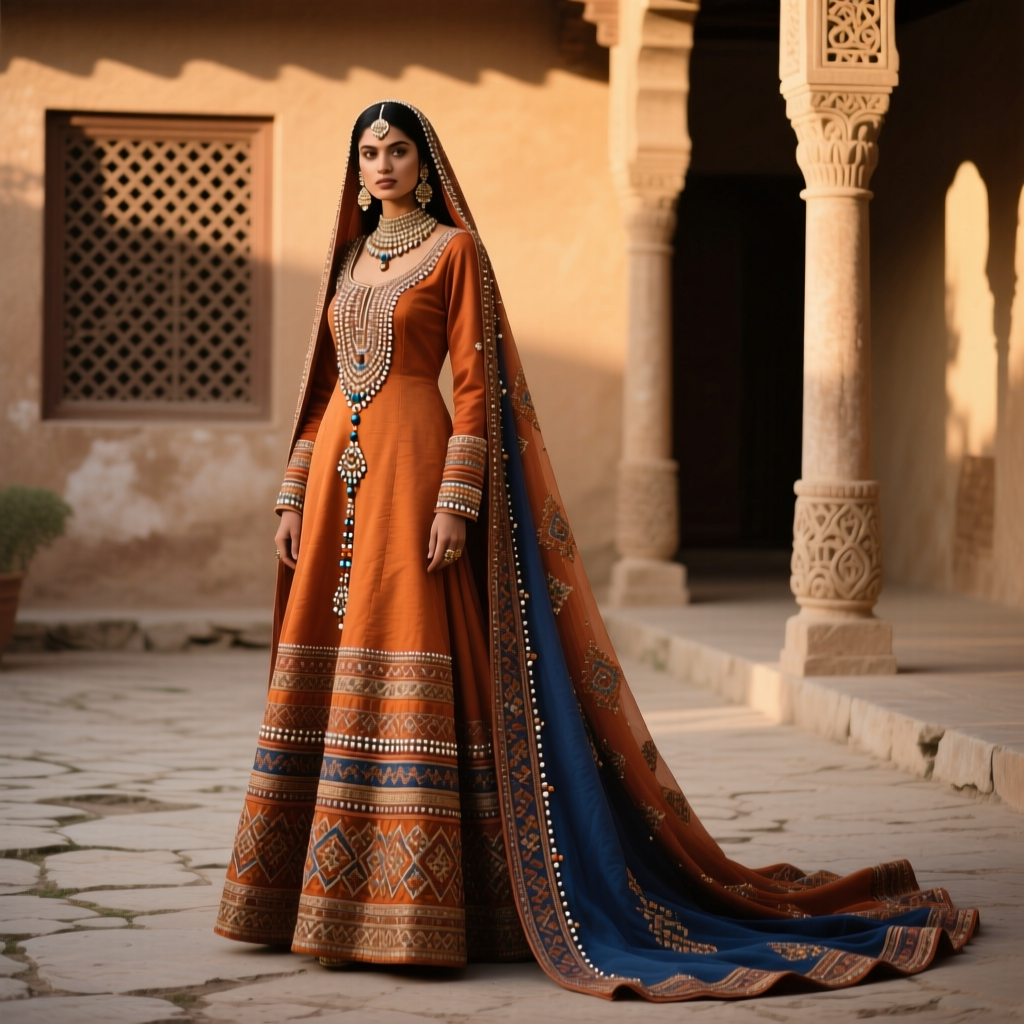
South Asian weddings are renowned for their opulence and color. The saree is a timeless, unstitched drape that exudes grace and sophistication. Depending on the region and the weaving technique, a saree can range from lightweight chiffon to heavy, intricately woven silk. For a deeper dive into this magnificent garment, explore our comprehensive silk saree guide. Alternatively, the lehenga—a three-piece ensemble consisting of a flared skirt, a fitted blouse (choli), and a draped scarf (dupatta)—offers a more structured, princess-like silhouette that is incredibly popular for wedding festivities and receptions.
The Qipao and The Hanbok
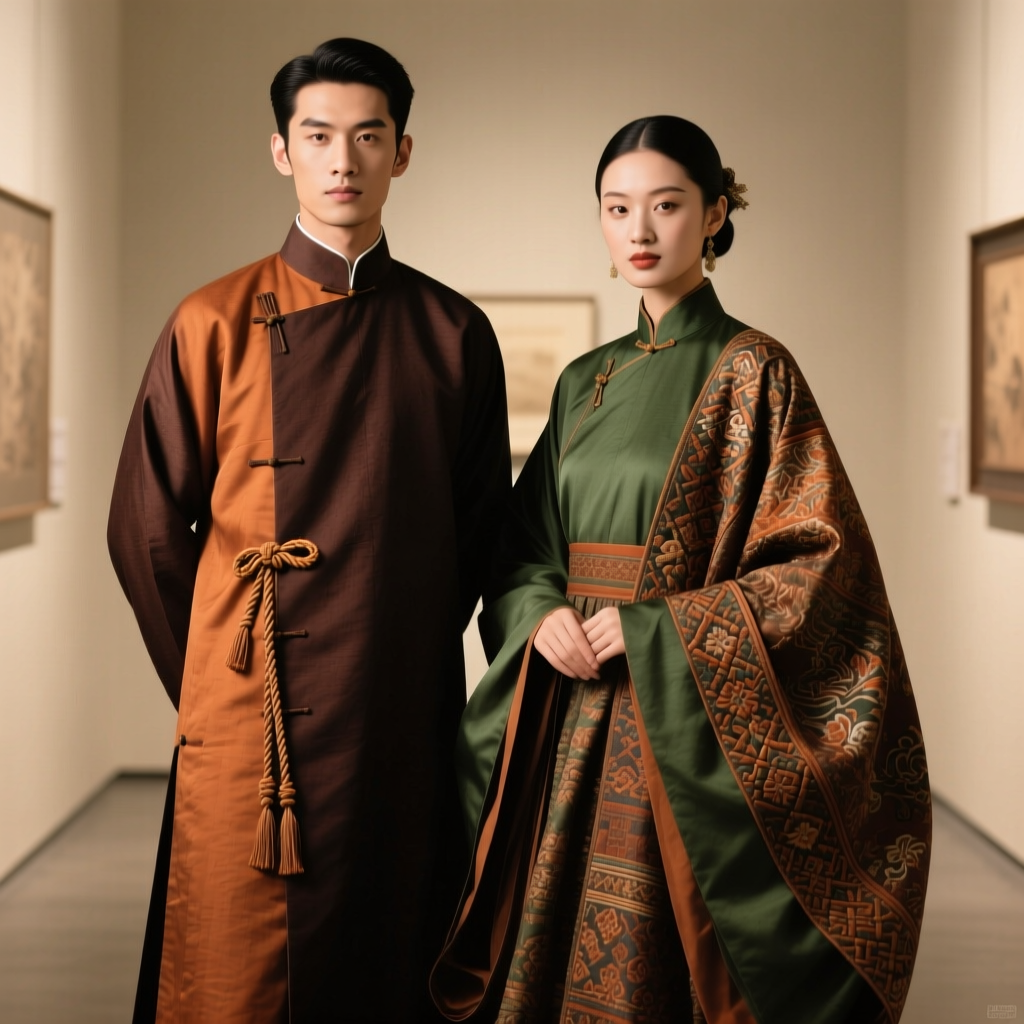
East Asian traditional wear is celebrated for its clean lines and symbolic motifs. The Chinese qipao (or cheongsam) is a form-fitting dress featuring a mandarin collar and delicate frog closures, often crafted from luxurious silk brocade. It is a staple at wedding banquets, symbolizing elegance and good fortune. Meanwhile, the Korean hanbok is characterized by its vibrant colors and flowing, voluminous skirts (chima) paired with a cropped jacket (jeogori). Both garments offer a striking visual impact and are perfect for formal wedding events. To learn more about the evolution of East Asian formalwear, you might also enjoy reading about the rich history of the kimono and its influence on global fashion.
The Dashiki and Kente Cloth
For weddings celebrating African heritage, garments crafted from Kente cloth or featuring vibrant Dashiki prints are a magnificent choice. Kente, originating from Ghana, is a brightly colored, banded material woven in narrow strips and sewn together, with each pattern holding specific philosophical meanings. Wearing a tailored Kente dress or a matching set is a profound way to celebrate West African textile heritage while bringing a burst of joyful color to the wedding palette.
Styling Tips: Balancing Tradition and Contemporary Elegance
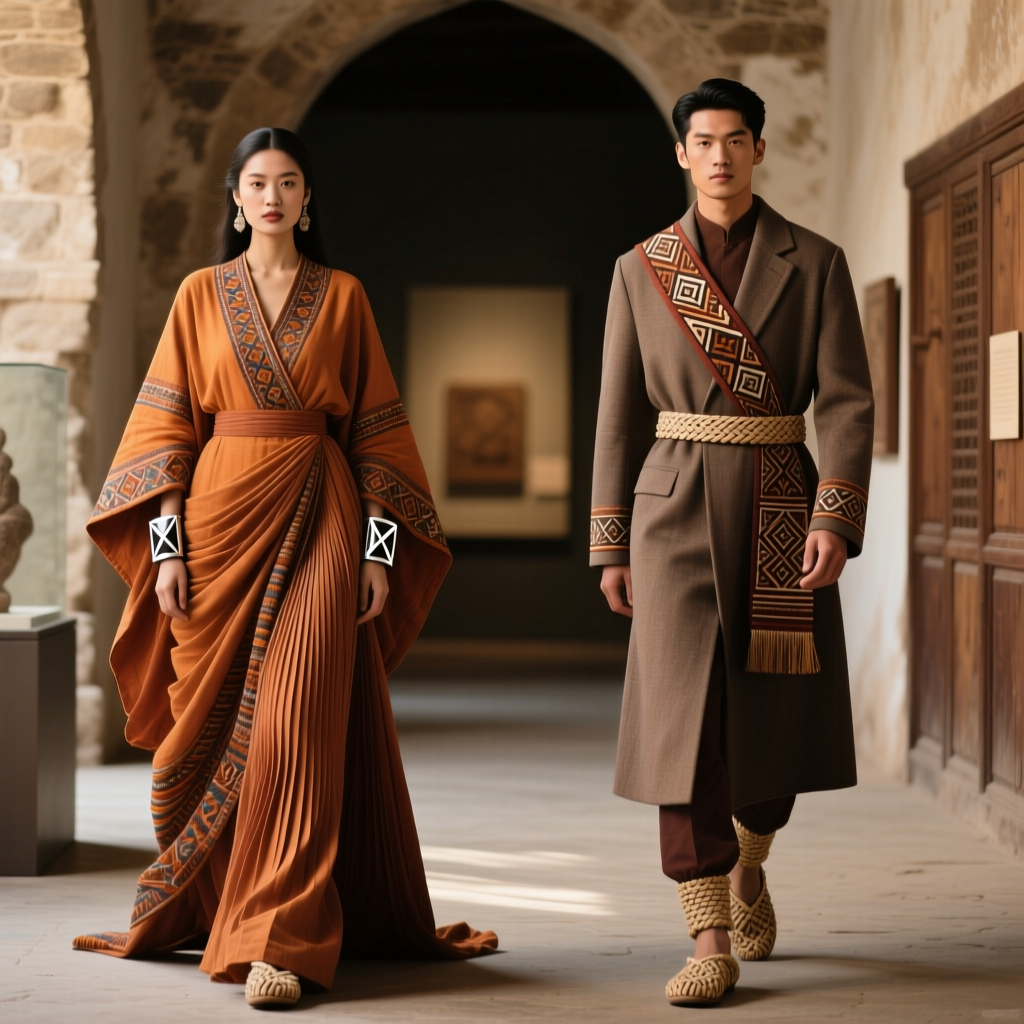
Wearing traditional attire does not mean you must look like a historical reenactor. The key to mastering this look is balancing cultural authenticity with contemporary elegance. Here are essential styling tips to ensure your outfit feels fresh, flattering, and appropriate for the occasion.
Mastering Color Etiquette
Color rules vary drastically across different cultures, and understanding them is crucial for wedding guests. In Western weddings, wearing white or ivory is strictly reserved for the bride. However, in many South Asian and Chinese weddings, red is the bridal color, symbolizing luck, prosperity, and joy. Wearing a bright red traditional dress to these ceremonies could be seen as upstaging the bride. Conversely, black and white are often associated with mourning in several Eastern cultures and should be avoided unless specifically requested by the couple. When in doubt, opt for jewel tones like emerald green, sapphire blue, or rich magenta, which are universally celebrated and photograph beautifully.
Focusing on Fit and Tailoring
Traditional garments are often designed with specific proportions in mind, but they must still be tailored to your unique body shape. A qipao should skim the body comfortably without restricting your movement or breath, while a lehenga skirt should be hemmed precisely to your height and the heel of your chosen shoe. Do not hesitate to take your traditional dress to a specialized tailor who understands the construction of cultural garments. Proper tailoring elevates the outfit from a simple costume to a piece of high fashion.
Layering for Dimension and Modesty
Layering is a fantastic way to adapt traditional wear for different wedding venues and weather conditions. A sheer, embroidered dupatta can add modesty and movement to a sleeveless blouse, while a structured velvet cape can transform a simple saree into a regal, winter-appropriate ensemble. Layering also allows you to play with textures, mixing heavy brocades with lightweight organzas for a visually dynamic outfit.
Accessorizing Traditional Wedding Attire
The right accessories can make or break your traditional wedding look. Because cultural garments are often heavily embellished, the art of accessorizing lies in finding the perfect balance between complementing the outfit and overpowering it.
Statement Jewelry and Metals
Traditional attire often calls for heritage jewelry. For South Asian ensembles, Kundan, Polki, or Meenakasi jewelry sets featuring uncut diamonds and vibrant enamel work are breathtaking choices. If your dress is heavily embroidered, opt for a statement pair of jhumkas (chandelier earrings) and skip the heavy necklace. For East Asian garments, jade pendants, pearl hairpins, and delicate gold bangles provide a refined, understated elegance that lets the fabric speak for itself. Always match your metals to the undertones of your garment's embroidery to create a cohesive look.
Footwear: From Juttis to Heels
While traditional footwear like embroidered juttis, mojaris, or zoris are authentic and comfortable, they are not strictly mandatory. Many modern fashionistas pair traditional dresses with contemporary strappy sandals or elegant block heels. If you choose traditional flats, ensure they are heavily embellished to match the formality of the wedding. If you opt for heels, choose a color that either matches the base of your dress or provides a deliberate, stylish contrast, such as metallic gold or silver.
Hair, Makeup, and Floral Accents
Your beauty look should harmonize with your traditional dress. Classic hairstyles like a sleek low bun, a braided crown, or soft Hollywood waves work universally well. Incorporating fresh flowers, such as a South Asian gajra (jasmine hair garland) or a subtle floral hairpin, adds a romantic, fragrant touch that perfectly suits a wedding atmosphere. Keep your makeup elegant and long-wearing, focusing on either a bold lip or a smoky eye to ensure your features stand out in photographs.
Modern Adaptations of Classic Garments
The fashion industry has beautifully embraced the evolution of cultural wear, resulting in modern adaptations that are perfect for the contemporary wedding guest. These fusion pieces offer the best of both worlds: deep cultural resonance and modern convenience.
Indo-Western and Fusion Silhouettes
Fusion wear is incredibly popular for multi-day wedding events like the sangeet or cocktail reception. Indo-western gowns that feature a saree-style drape over a structured gown silhouette offer the elegance of a traditional dress with the ease of a Western evening gown. Similarly, cape-style lehengas and pre-draped sarees eliminate the hassle of intricate pleating, allowing you to dance the night away without worrying about your pallu slipping.
Contemporary Cuts and Pockets
Modern designers are updating classic silhouettes with practical and stylish tweaks. It is now common to find qipaos tailored with hidden pockets, high-low hemlines, or detachable trains. These contemporary adaptations make traditional dress more functional for the modern woman while retaining the iconic elements that make the garment so special.
Sustainable and Vintage Heirlooms
One of the most meaningful modern trends is the upcycling of vintage family heirlooms. Wearing a saree that belonged to your grandmother, or having a parent's vintage brocade fabric tailored into a modern lehenga or qipao, is a deeply emotional choice. It not only promotes sustainable fashion but also weaves your personal family history directly into the celebration of the new couple's union.
The Ultimate Buying Guide for Traditional Wedding Guest Attire
Investing in a high-quality traditional dress requires careful consideration of fabrics, sourcing, and timelines. Use this buying guide to ensure your purchase is a success.
Understanding Traditional Fabrics
The fabric dictates the drape, weight, and formality of your garment. Pure silks like Kanjeevaram, Banarasi, and Mulberry are heavy, luxurious, and ideal for grand, formal ceremonies. Chiffon, georgette, and organza are lighter, more forgiving, and perfect for outdoor or daytime weddings. Velvet and heavy brocades are exquisite for winter weddings but can be overwhelming in hot, humid climates. Always check the fabric composition before purchasing, as synthetic blends may not breathe well during long, active wedding days.
Where to Shop: Boutiques, Online, and Vintage
For the most authentic and high-quality garments, seek out specialized cultural boutiques in your city. These shops offer the invaluable benefit of in-person consultations and custom tailoring. If you are shopping online, look for reputable designers who provide detailed sizing charts, fabric close-ups, and customer reviews. Do not overlook vintage and consignment shops; they are treasure troves for unique, high-quality silk garments that have already stood the test of time.
The Importance of Lead Time
Traditional garments, especially those featuring hand-embroidery or custom weaving, take time to produce. If you are ordering a custom lehenga or a tailored qipao, you should begin the process at least three to four months before the wedding. This timeline accounts for design consultations, fabric sourcing, the intricate handwork, and multiple fitting sessions. Even if you are buying off-the-rack, leave at least four weeks for necessary alterations.
Frequently Asked Questions
Is it appropriate to wear traditional dress from a culture I do not belong to?
This is a common question rooted in the desire to be respectful. Generally, if the couple has specifically requested guests to wear traditional attire from their culture, it is not only appropriate but highly encouraged as a sign of appreciation and participation. However, if no such request has been made, it is usually safer to opt for formal Western wear or a fusion piece that subtly nods to the culture without mimicking a sacred or highly specific ceremonial garment. When in doubt, politely ask the couple or a close member of the wedding party for their preference.
What colors should I avoid when wearing traditional dress to a wedding?
As a universal rule, avoid the color the bride is wearing. In Western ceremonies, this means avoiding white, ivory, and champagne. In South Asian, Chinese, and many other Asian weddings, avoid bright, bridal red unless the couple explicitly states it is welcome. Additionally, avoid solid black or stark white in cultures where these colors are strictly associated with mourning and funerals. Jewel tones, pastels, and metallic shades are generally the safest and most celebratory choices.
How far in advance should I purchase or rent traditional wedding attire?
You should begin your search at least three to four months before the wedding date. Traditional garments often require specialized tailoring, and hand-embroidered pieces may need to be made to order. Starting early ensures you have ample time for fittings, accessory shopping, and any necessary adjustments, eliminating last-minute stress.
Can I mix traditional garments with modern accessories?
Absolutely. Mixing traditional clothing with modern accessories is a fantastic way to create a unique, personalized look. Pairing a classic silk saree with a contemporary metallic clutch, minimalist diamond jewelry, and modern stiletto heels creates a stunning fusion aesthetic. The key is to ensure that the modern pieces do not clash with the traditional motifs but rather provide a sleek, modern contrast.
How do I care for and store delicate traditional fabrics after the wedding?
Traditional fabrics like pure silk, zardozi embroidery, and delicate brocades require specialized care. Never wash these garments at home or take them to a standard dry cleaner. Seek out a cleaner who specializes in heritage textiles and bridal wear. For storage, avoid wire hangers, which can distort the shoulders and stretch the fabric. Instead, fold the garment with acid-free tissue paper to prevent creasing and store it in a breathable cotton muslin bag in a cool, dark, and dry place. For more detailed maintenance tips, refer to our expert garment care guide to ensure your beautiful attire lasts for generations.