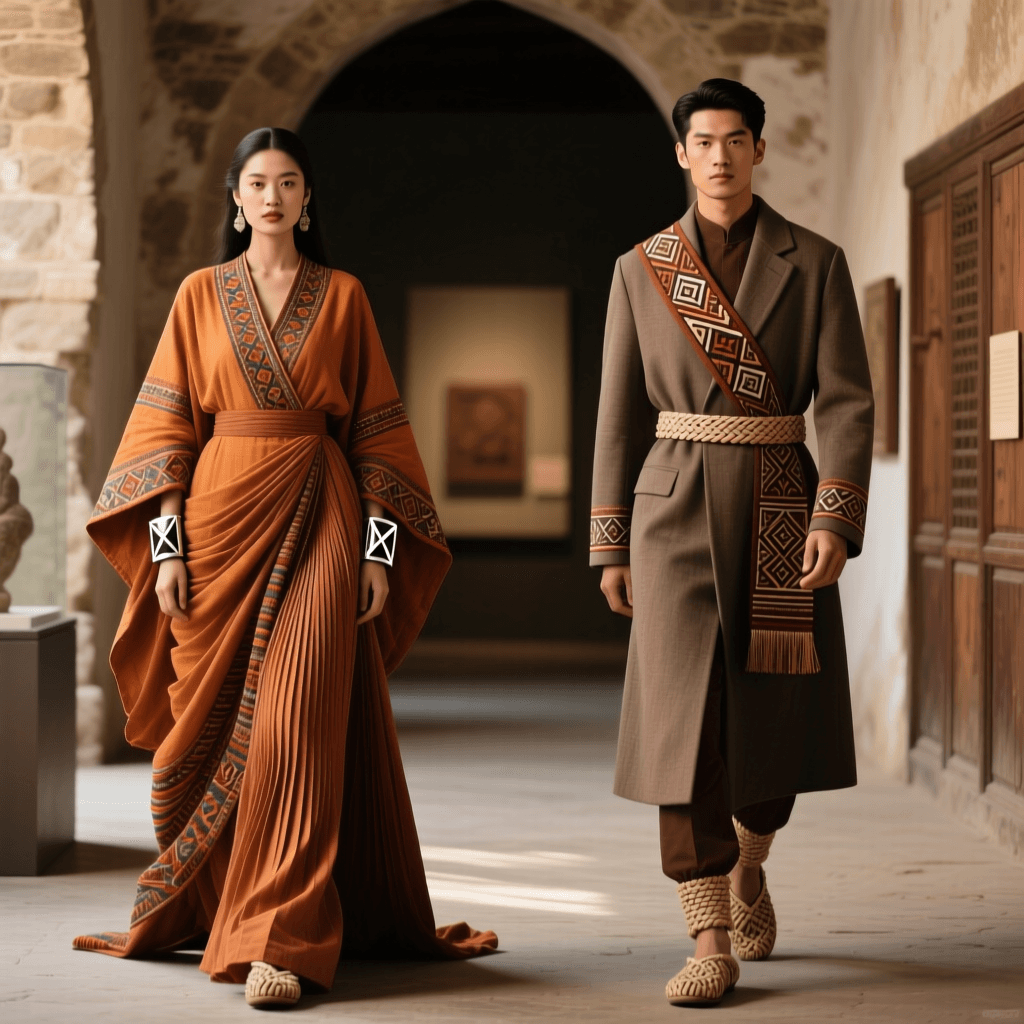
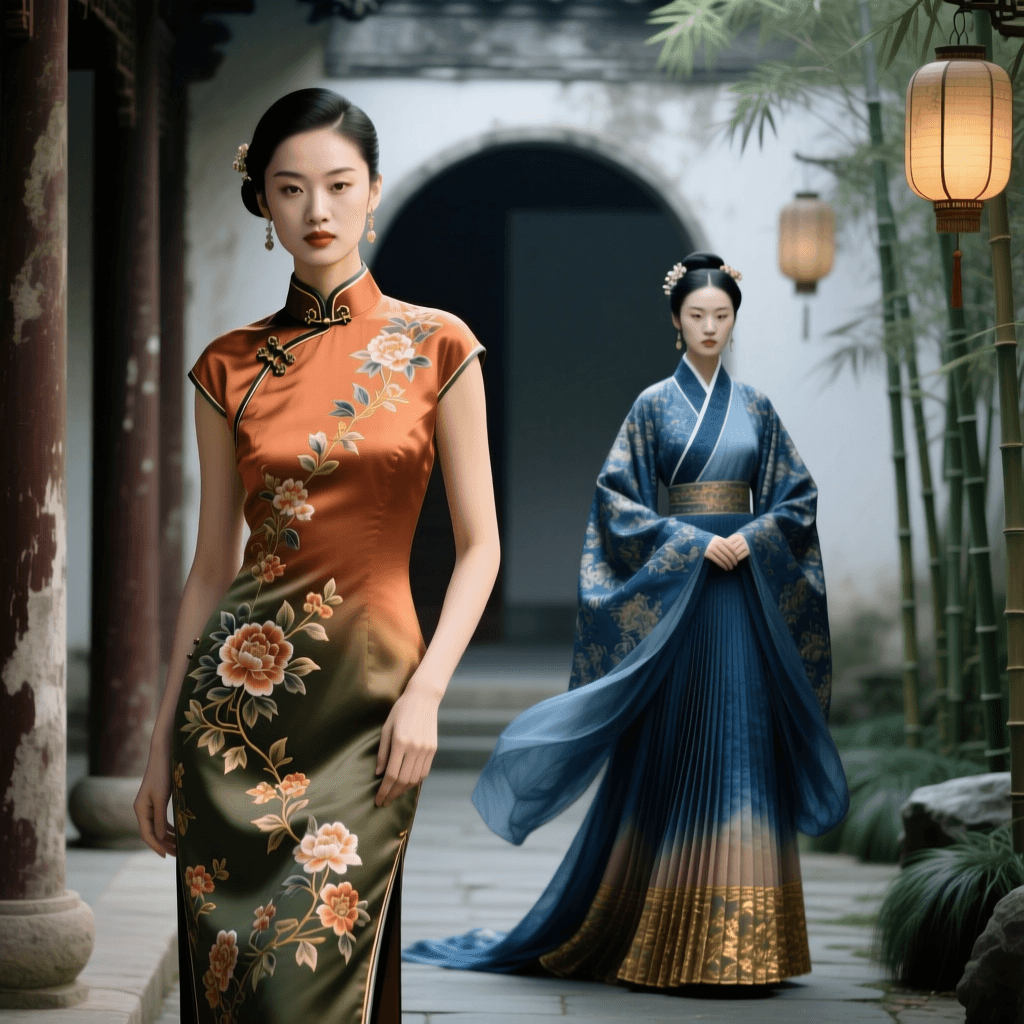
The Art of Accessorizing Traditional Dress: A Complete Styling Guide
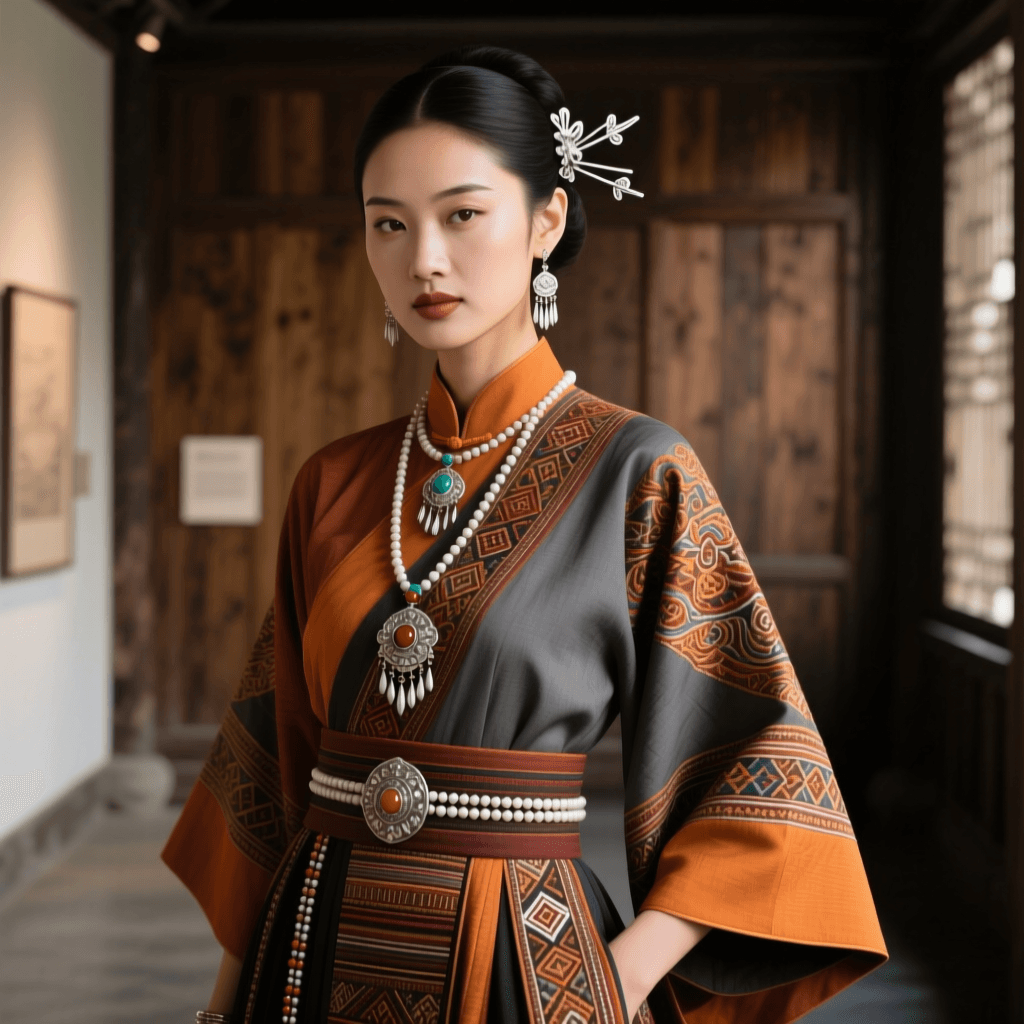
Traditional dress accessories are far more than mere embellishments; they are the punctuation marks of cultural expression, historical storytelling, and personal identity. While the foundational garments of global heritage often capture the spotlight, it is the meticulous selection of jewelry, headpieces, sashes, and footwear that truly breathes life into an ensemble. Whether you are donning a meticulously draped sari, a structured kimono, or a vibrant dashiki, the right accessories elevate your look from simply wearing a garment to embodying a legacy.
In today’s globalized fashion landscape, the way we interact with heritage pieces is constantly evolving. Styling traditional dress accessories requires a delicate balance of respecting historical significance while embracing contemporary aesthetics. This comprehensive guide will walk you through the essential elements of cultural adornment, offering practical styling tips, occasion-based pairings, and modern adaptations to help you curate a wardrobe that honors the past while living firmly in the present.
Essential Traditional Dress Accessories Across Cultures
To master the art of accessorizing, one must first understand the diverse vocabulary of global adornment. Every culture possesses unique accessories that serve both functional and deeply symbolic purposes. Exploring these categories provides a foundation for intentional styling.
Headpieces and Hair Adornments
From the intricate silk flowers of Japanese kanzashi to the sweeping gold maang tikka of South Asia, headpieces draw the eye and frame the face. In many cultures, hair accessories denote marital status, coming-of-age milestones, or regional identity. When exploring Japanese kimono styling, the choice of hairpin is just as critical as the obi knot. Similarly, the beaded crowns of West African royalty communicate lineage and spiritual protection, making headpieces a powerful starting point for any traditional ensemble.
Neckpieces and Collars
Necklaces in traditional dress often serve as amulets or displays of familial wealth. The heavy, oxidized silver chokers of the Berber tribes, the elaborate jade pectorals of ancient Mesoamerica, and the multi-layered gold temple jewelry of India all demand attention. These pieces often act as the visual anchor of an outfit. Understanding the weight and drape of these collars is essential, as they must complement the neckline of the foundational garment without overwhelming the wearer.
Sashes, Belts, and Waist Adornments
Waist accessories are crucial for defining the silhouette in traditional wear. The Japanese obi and its accompanying obi-jime (cord) and obi-age (sash) are masterclasses in structural accessorizing. In Eastern Europe, intricately woven sashes feature prominently in folk costumes, often featuring motifs meant to ward off evil. Meanwhile, the metallic waist chains and embroidered belts found in Middle Eastern and Central Asian garments add a kinetic element, moving and chiming with the wearer’s every step.
Footwear as a Cultural Statement
Traditional footwear grounds the outfit, both literally and stylistically. The elaborately embroidered mojari or jutti of South Asia, the elevated wooden geta of Japan, and the vibrant, bead-encrusted sandals of the Maasai people are all testaments to regional craftsmanship. Footwear should never be an afterthought; it must harmonize with the hemline and the overall color palette of the attire.
Styling Tips for Balancing Heritage & Modernity
Wearing traditional accessories in a contemporary context requires a thoughtful approach to proportion, color, and styling. The goal is to celebrate the craftsmanship without looking as though you are wearing a museum exhibit. Here are foundational styling rules to help you achieve a harmonious balance.
The Focal Point Rule
When dealing with heavily embellished traditional pieces, less is often more. Choose one or two focal points for your ensemble. If you are wearing a statement necklace with intricate South Asian adornments, opt for simpler earrings and a bare head. Conversely, if your hair is adorned with an elaborate floral headpiece, let your neck remain relatively unadorned. This prevents visual clutter and allows the craftsmanship of each piece to be fully appreciated.
Mixing Metals & Textures
Historically, mixing metals was considered a fashion faux pas, but modern styling embraces the juxtaposition of gold, silver, and copper. Pairing warm gold jewelry with cool silver-threaded embroidery creates a dynamic, layered look. Furthermore, contrasting textures—such as pairing smooth, polished jade with rough, raw silk or matte oxidized brass with glossy brocade—adds depth and visual interest to your outfit.
Proportion & Scale
Scale is paramount when accessorizing. Delicate, fine-chain jewelry can easily get lost against the bold, large-scale prints of African beadwork or heavy ikat weaves. Match the visual weight of your accessories to the visual weight of your garment. Heavy, voluminous fabrics require substantial, chunky accessories, while sheer, lightweight materials like chiffon or organza pair beautifully with delicate, intricate metalwork and pearls.
Occasion-Based Accessory Pairings
The context of your event dictates the volume, value, and formality of your accessories. Adapting your styling to the occasion ensures you are both comfortable and appropriately dressed.
Festivals & Weddings
Celebratory events call for maximalism and opulence. This is the time to layer multiple bangles, stack rings, and wear your most elaborate headpieces. When styling traditional wedding attire, the accessories often carry deep ritualistic significance, such as the mangalsutra or the ceremonial veil pins. Embrace the richness of the occasion by incorporating heirloom pieces, vibrant gemstones, and accessories that incorporate movement, like ankle bells or fringed shawls.
Everyday Elegance
For daily wear or casual gatherings, the key is subtlety. Extract single elements from a traditional set and pair them with contemporary or simplified heritage garments. A single, beautifully carved wooden hairpin, a pair of understated brass jhumkas, or a simple woven silk sash can inject cultural pride into a minimalist outfit. This approach allows you to honor your heritage while maintaining the practicality required for everyday life.
Formal Galas & Red Carpets
When attending black-tie events or formal galas, traditional accessories can serve as breathtaking conversation starters. Pair a sleek, modern silhouette with a single, monumental piece of heritage jewelry—such as a broad, enameled collar or a dramatic, antique shawl draped over the shoulders. The contrast between a clean, modern canvas and a highly detailed, historical accessory creates a striking, high-fashion editorial look.
Modern Adaptations of Classic Accessories
Fashion is a living dialogue, and traditional accessories are constantly being reinterpreted by contemporary designers and style enthusiasts. Embracing modern adaptations allows you to keep heritage alive in innovative ways.
Minimalist Interpretations
Many contemporary jewelers are stripping back ornate traditional designs to their geometric and structural essentials. A heavy, temple-style necklace might be reimagined as a sleek, matte-gold choker that retains the original motif but fits seamlessly into a modern corporate wardrobe. Seeking out designers who specialize in minimalist heritage wear is an excellent way to bridge the gap between ancestral craftsmanship and modern utility.
Upcycling & Repurposing
Heirloom pieces that are damaged or no longer align with your personal style can be thoughtfully repurposed. An ornate vintage brooch can be converted into a hair slide or a clasp for a modern silk scarf. Segments of a broken traditional belt can be integrated into the cuff of a contemporary leather jacket. Upcycling not only preserves the material history of the piece but also creates a entirely unique, bespoke accessory.
Cross-Cultural Fusion
Global citizens often possess a wardrobe that spans multiple cultures. Thoughtful cross-cultural fusion—such as pairing a Mexican embroidered blouse with a West African woven belt, or styling a Celtic torc with a minimalist linen tunic—can yield stunning results. The key to successful fusion is finding a unifying element, such as a shared color palette, complementary textures, or a mutual appreciation for hand-loomed Mesoamerican textiles and natural fibers.
The Ultimate Buying Guide for Authentic Pieces
Investing in traditional dress accessories is an investment in global artistry. However, the market is flooded with mass-produced imitations. Here is how to ensure you are purchasing authentic, high-quality pieces.
Identifying Authentic Craftsmanship
True heritage accessories bear the hallmarks of human hands. Look for slight asymmetries in beadwork, the natural variations in hand-carved wood or bone, and the subtle irregularities in hand-woven textiles. Familiarize yourself with traditional techniques, such as Kundan setting, cloisonné enameling, or lost-wax casting, so you can recognize genuine artistry over machine-stamped replicas.
Ethical Sourcing & Artisan Support
The most beautiful accessory is one that supports the community from which it originates. Seek out cooperatives, fair-trade organizations, and direct-to-artisan platforms that ensure fair compensation for craftspeople. When buying items like coral, ivory, or specific woods, always verify that the materials are ethically and legally sourced, opting for sustainable alternatives like tagua nut or reclaimed metals whenever possible.
Caring for Your Investments
Traditional accessories often utilize organic materials and ancient metallurgical techniques that require specific care. Store silver in anti-tarnish cloth, keep silk threads away from direct sunlight, and avoid exposing porous gemstones like turquoise or lapis lazuli to harsh chemicals. For specialized garments and accessories, always refer to expert guides on silk care and metal preservation to ensure your pieces survive for the next generation.
Frequently Asked Questions
How do I care for vintage traditional accessories?
Caring for vintage pieces requires a gentle touch and an understanding of the materials involved. Avoid commercial jewelry dips, which can strip away intentional patinas or damage porous stones. Instead, use a soft, dry microfiber cloth for dusting. For intricate metalwork, a soft-bristled brush can dislodge dirt. Always store vintage items in acid-free tissue paper within a climate-controlled environment to prevent the degradation of organic threads and adhesives.
Can I mix traditional accessories from different cultures?
Yes, mixing accessories from different cultures can result in a deeply personal and globally inspired aesthetic. The secret to doing this respectfully and stylishly is to avoid treating sacred or highly ceremonial items as mere costume props. Focus on the artistry, color theory, and material harmony. Grounding the look in a neutral, modern base outfit often allows diverse cultural accessories to coexist beautifully without competing for attention.
What is the best way to store heavy traditional jewelry?
Heavy traditional jewelry, particularly pieces featuring intricate stringing or delicate metal filigree, should never be hung, as the weight can warp the metal or stretch the threads over time. Store these pieces flat in individual, fabric-lined compartments. Stuff hollow elements or delicate chains with acid-free tissue paper to help them retain their shape, and include silica gel packets in your storage boxes to combat humidity and tarnish.
How can I modernize a heavy traditional necklace for daily wear?
To modernize a heavy, ornate necklace, consider the art of layering and juxtaposition. Pair the statement piece with a crisp, white button-down shirt, a tailored blazer, or a simple ribbed turtleneck. The stark contrast between the hyper-traditional, ornate jewelry and the clean, structured lines of contemporary Western wear instantly updates the piece, transforming it into a bold, avant-garde focal point suitable for the modern world.