Styling Traditional Chinese Footwear in 2026: Cloud Shoes & Boots
The Resurgence of Heritage Footwear in 2026
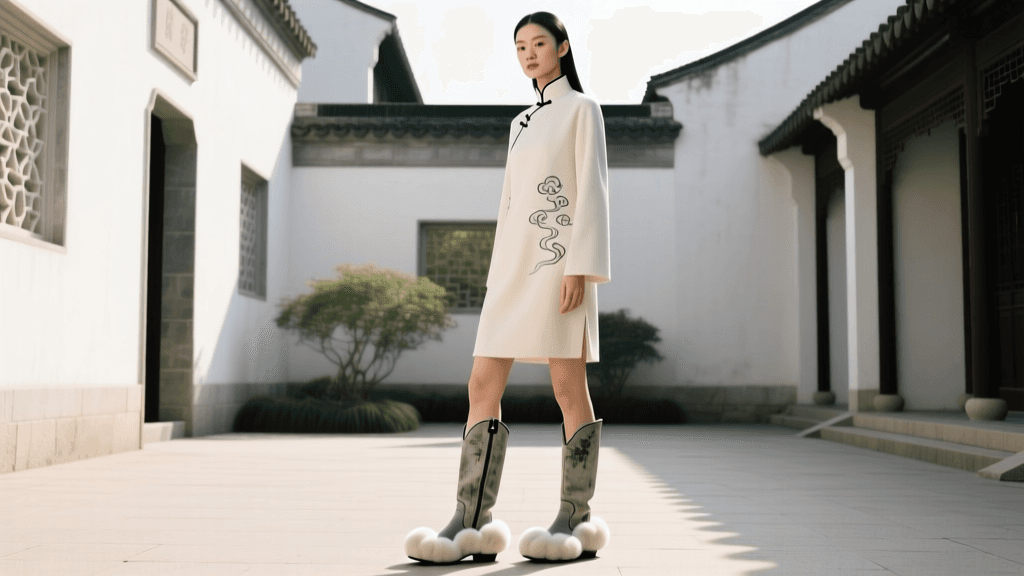
The landscape of Asian traditional fashion has experienced a monumental shift as we navigate through 2026. The Xin Zhongshi (New Chinese Style) movement, which seamlessly blends historical garments with contemporary streetwear and high fashion, has officially moved from a niche subculture to a dominant global trend. While much of the focus over the past few years has been on Mamianqun (horse-face skirts) and Song-style outerwear, 2026 has firmly directed the sartorial spotlight downward. Traditional Chinese footwear—specifically the intricately embroidered Cloud Shoes (Yunxie) and the structured Scholar Boots (Xuezi)—are now the cornerstone of a complete, historically grounded wardrobe.
For enthusiasts and newcomers alike, integrating these historical pieces into a modern 2026 wardrobe requires an understanding of their heritage, their evolving construction, and the practicalities of styling and maintenance. This comprehensive guide explores how to wear, style, and preserve traditional Chinese footwear in the modern era.
Cloud Shoes (Yunxie): Walking on Embroidered Air
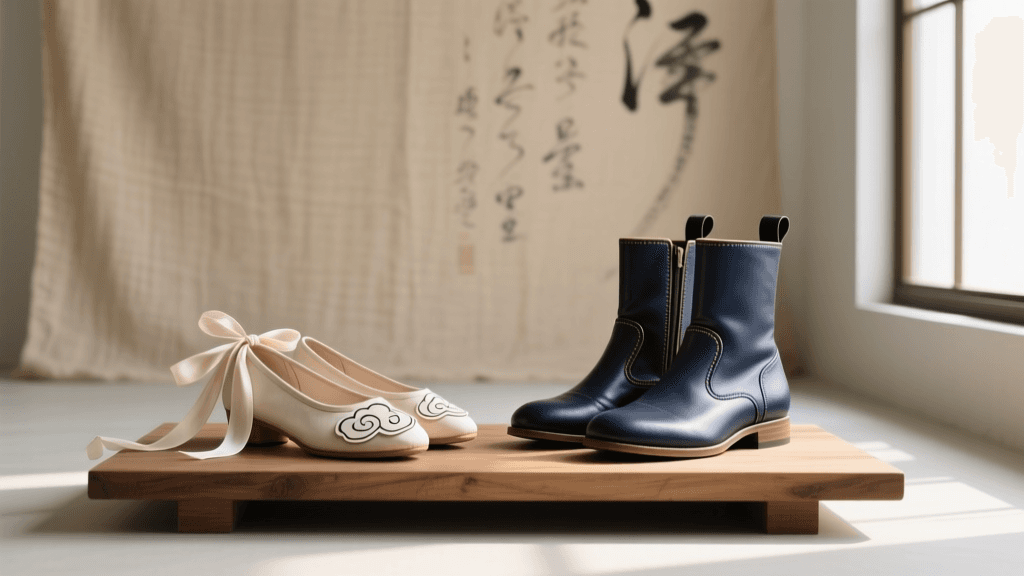
Cloud shoes, or Yunxie, are perhaps the most recognizable and romanticized form of traditional Chinese footwear. Historically worn by both men and women across various dynasties, their defining characteristic is the upturned toe, which resembles the curling wisps of auspicious clouds found in classical Chinese art and architecture. The toe was designed not just for aesthetic grace, but to prevent the wearer from tripping over the long, flowing hemlines of traditional robes.
In 2026, the construction of Cloud Shoes has seen remarkable innovations that honor the past while embracing modern ergonomics. The traditional Qiancengdi (thousand-layer sole) is a masterpiece of textile engineering. Artisans stitch together dozens of layers of cotton cloth, compressing them to create a sole that is incredibly durable, breathable, and naturally shock-absorbing. According to textile preservation experts at the Metropolitan Museum of Art's Asian Art department, the meticulous hand-stitching required for these soles represents one of the most labor-intensive shoemaking techniques in global history.
Today's 2026 iterations of Yunxie often feature hidden memory-foam inserts beneath the traditional linen footbeds, providing the arch support necessary for navigating modern concrete cityscapes. The uppers are crafted from sustainable, cruelty-free peace silks and organic cottons, heavily embroidered with motifs like peonies (symbolizing wealth), bats (symbolizing good fortune), and cranes (symbolizing longevity). Modern embroidery machines can replicate these patterns, but the highest-tier 2026 releases from heritage brands still utilize Suzhou and Shu embroidery techniques, preserving the intangible cultural heritage recognized by organizations like UNESCO's Intangible Cultural Heritage list.
Scholar and Official Boots (Xuezi): Grounding the Modern Wardrobe
While Cloud Shoes offer a delicate, feminine, or scholarly elegance, the Xuezi (traditional boots) provide a bold, structured silhouette that has taken the 2026 avant-garde streetwear scene by storm. Originally popularized during the Ming and Qing dynasties by scholars, officials, and military personnel, these boots are characterized by their black satin or cotton uppers and their striking, thick white soles.
The thick white sole, traditionally made from compressed paper, cotton, and leather, served a dual purpose: it elevated the wearer above the mud and dust of unpaved ancient roads, and it added a sense of physical and metaphorical stature. In modern theatrical contexts, such as Peking Opera, the thickness of the sole often denotes the rank and importance of the character.
In 2026, fashion designers have adapted the Xuezi for everyday wear by modifying the sole. While the stark white, multi-layered aesthetic remains, the materials have been upgraded to lightweight, bio-based resins and vulcanized rubbers that mimic the look of compressed cotton but offer the weather resistance required for modern commutes. The uppers, traditionally plain black satin, are now frequently seen in matte wool blends, textured corduroy, and even subtle jacquard weaves that catch the light without overwhelming the outfit.
2026 Styling Matrix: Pairing Traditional Footwear
Styling traditional footwear in 2026 is all about contrast and silhouette balancing. The key to the Xin Zhongshi aesthetic is avoiding looking like you are wearing a historical costume; instead, you are curating a dialogue between eras. Below is a styling guide for integrating these pieces into your current rotation.
| Footwear Type | 2026 Outfit Pairing | Aesthetic & Occasion |
|---|---|---|
| Embroidered Cloud Shoes | Wide-leg raw denim, cropped linen tunic, structured wool blazer | Smart-casual, gallery openings, weekend brunch |
| Black Satin Scholar Boots | Flowing Song-style pleated trousers, oversized knit sweater, long trench coat | Avant-garde streetwear, evening events, autumn layering |
| Woven Straw Summer Sandals | Cotton Hanfu-inspired wrap skirt, sleeveless silk camisole | Resort wear, summer festivals, casual day trips |
| Velvet Winter Cloud Slippers | Heavyweight corduroy pants, cashmere turtleneck, quilted vest | Loungewear, intimate gatherings, winter indoor styling |
When wearing Cloud Shoes, allow the embroidery to be the focal point of your lower half. Keep your trousers tailored or slightly cropped so the upturned toe is fully visible. For Scholar Boots, lean into volume. The chunky, elevated sole of the boot pairs beautifully with wide, pooling trousers that drape elegantly over the white sole, creating a continuous, flowing line from waist to floor.
Navigating Sizing and Ergonomic Upgrades
One of the most common hurdles for international buyers exploring traditional Chinese footwear is the sizing and fit. Historical shoe lasts were designed to be narrow and relatively flat, reflecting the walking habits and foot-wrapping practices of bygone eras. In 2026, however, leading heritage brands and modern Xin Zhongshi labels have completely overhauled their sizing charts to accommodate global foot shapes.
When purchasing authentic, traditionally constructed shoes, it is highly recommended to size up by at least a half to a full size, particularly if you have a wider forefoot. The natural cotton and silk materials will stretch slightly over time, molding to the wearer's foot, but the initial break-in period can be unforgiving. Many premium 2026 releases now offer 'Wide-Fit' (Kuanban) options, which utilize a broader toe box without sacrificing the sleek, tapered look of the traditional silhouette.
Furthermore, the integration of 3D foot-scanning technology by bespoke shoemakers in Beijing and Hangzhou has allowed for custom-molded traditional shoes. Clients can now order a pair of hand-embroidered Cloud Shoes that feature a historically accurate exterior but house a custom-milled orthotic insole tailored to their exact arch and heel requirements.
Preservation and Care for Delicate Textiles
Traditional footwear, particularly those crafted from silk, satin, and layered cotton, requires meticulous care to survive the rigors of modern weather and urban environments. Unlike synthetic sneakers, these are investment pieces that demand a dedicated maintenance routine.
Weatherproofing and Daily Wear
Silk and water are natural enemies. In 2026, the market has seen the introduction of advanced, breathable bio-enzyme waterproofing sprays specifically formulated for delicate heritage textiles. These sprays create a microscopic hydrophobic barrier without altering the sheen or drape of the silk embroidery. It is crucial to apply this treatment before the first wear and reapply every four weeks if worn regularly.
Cleaning Protocols
- Dust and Dirt: Use a soft-bristled horsehair brush to gently sweep away dry dirt from the embroidered uppers. Never use wet wipes, as the alcohol and chemicals can bleed the vibrant silk dyes.
- Stain Removal: For water spots or minor stains on the white cotton soles, use a slightly damp microfiber cloth with a drop of pH-neutral baby shampoo. Gently dab—do not rub—the affected area and allow it to air dry away from direct sunlight.
- Sole Maintenance: The traditional compressed cotton soles can fray at the edges if dragged. Practice a lifted walking gait, and consider having a modern cobbler apply a discreet, ultra-thin rubber half-sole to the contact points if you plan to wear them exclusively outdoors.
Storage and Display
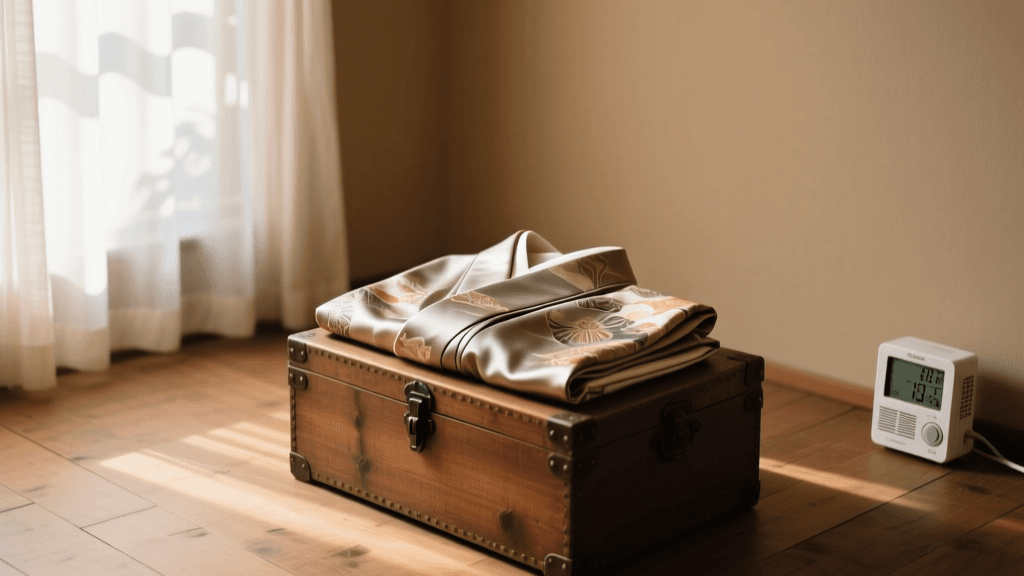
When not in use, traditional shoes should be stored in a cool, climate-controlled environment. Stuff the toes with acid-free tissue paper to maintain the structural integrity of the upturned toe and prevent the silk from creasing. Avoid plastic storage bins, which can trap moisture and promote mildew; instead, use breathable cotton dust bags. For collectors of rare, antique, or highly intricate 2026 limited-edition pieces, displaying them in UV-protective acrylic cases is the best way to preserve the integrity of the natural dyes against sun fading.
Conclusion: Stepping Forward with Heritage
The integration of Cloud Shoes and Scholar Boots into the 2026 fashion lexicon is a testament to the enduring power of Asian traditions. These garments are not mere relics of a static past; they are living, breathing elements of culture that continue to evolve. By understanding their historical significance, embracing modern ergonomic adaptations, and committing to their proper care, you do more than just wear a pair of shoes. You participate in a continuous, global dialogue about identity, craftsmanship, and the timeless beauty of traditional Chinese aesthetics.