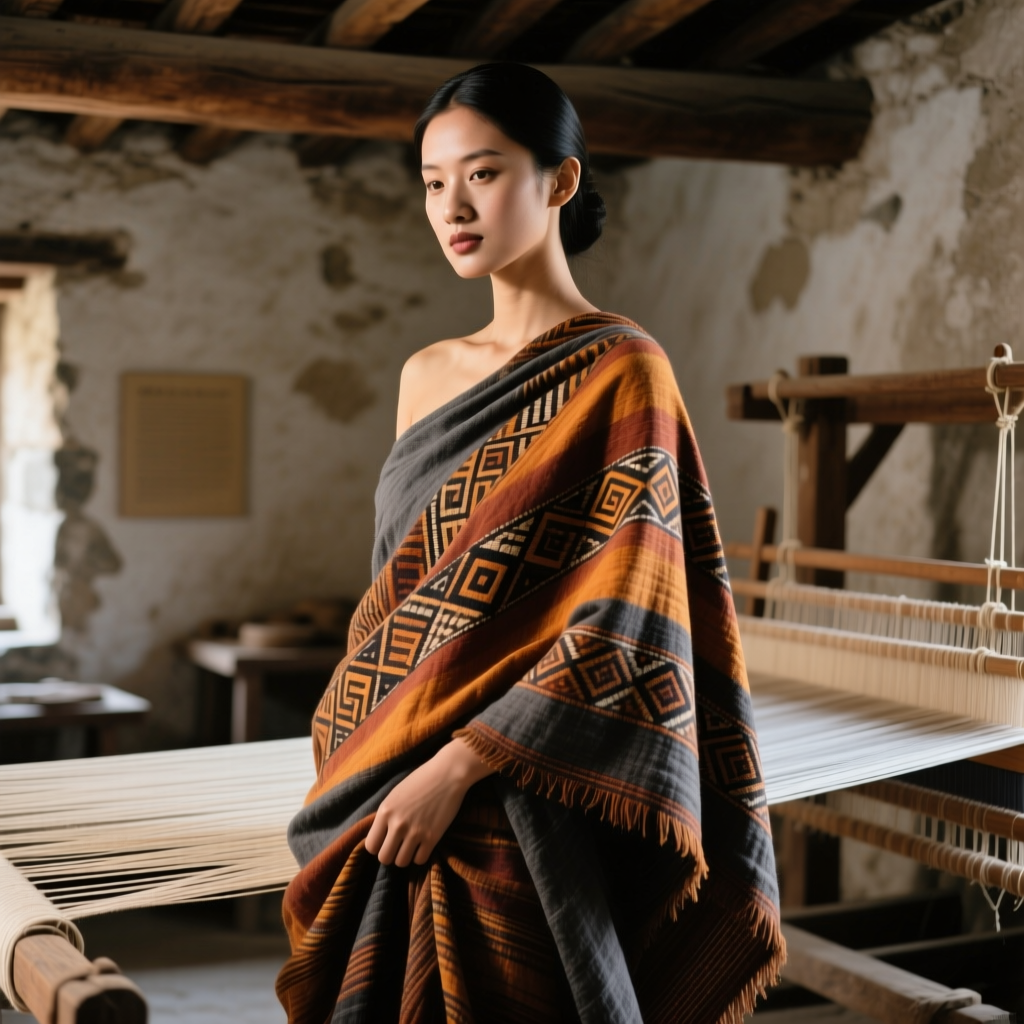
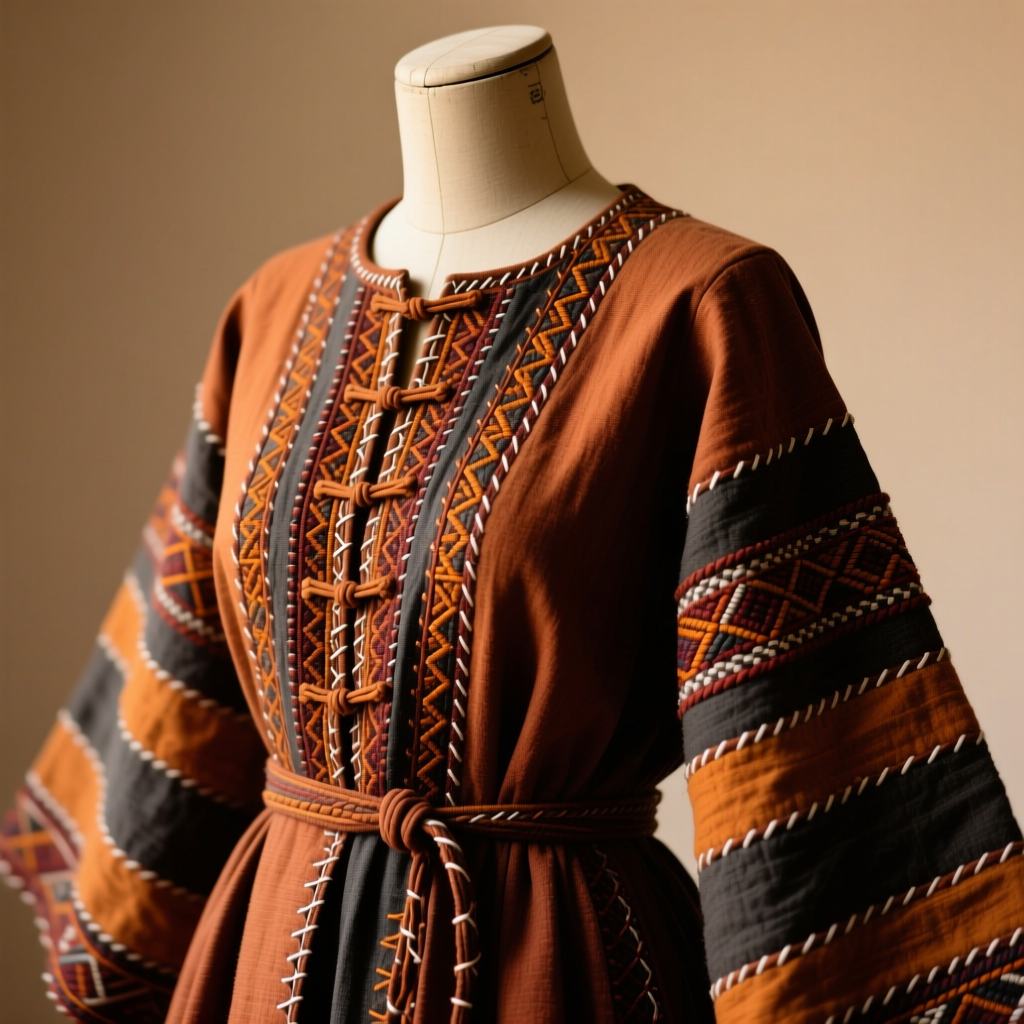
The Threads That Bound the World: Trade Route Textile Influence
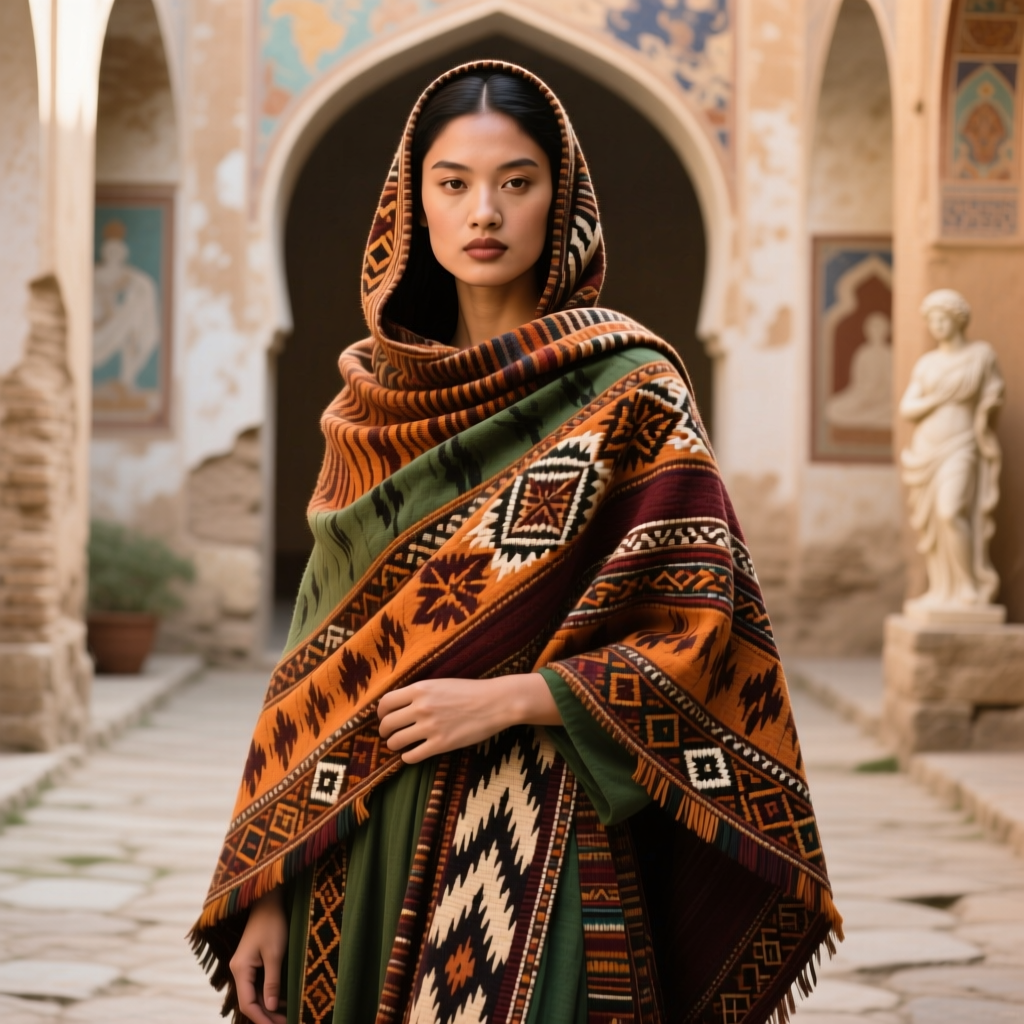
Long before the advent of modern globalization, the world was intimately connected by a vast, intricate web of trade routes. These ancient highways of commerce were not merely conduits for spices, precious metals, and gemstones; they were the vital arteries through which the lifeblood of human creativity flowed. Among the most transformative commodities transported across deserts, mountains, and oceans were textiles. The story of trade route textile influence is the story of human civilization itself—a rich tapestry woven from the threads of cultural exchange, technological innovation, and an enduring desire for beauty and status.
From the shimmering silk caravans traversing the treacherous passes of the Pamir Mountains to the spice-laden dhows navigating the monsoon winds of the Indian Ocean, fabrics served as the ultimate global currency. They were lightweight, durable, and universally desired, making them ideal for long-distance trade. Yet, their true value lay not just in their material worth, but in their ability to carry ideas, techniques, and cultural identities across vast geographical divides. When a merchant unrolled a bolt of patterned cotton in a foreign bazaar, they were not simply selling cloth; they were introducing a new way of seeing the world.
In this comprehensive exploration of heritage textiles, we delve into the profound impact that ancient trade routes have had on global garment history. By examining the cultural significance, the evolution of craftsmanship, the emergence of regional variations, and the modern preservation of these artisanal traditions, we can better understand how the clothes we wear today are inextricably linked to the merchants and artisans of centuries past. For those looking to explore the foundational fabrics that started it all, our comprehensive guide to silk offers a deeper dive into the fiber that sparked a global revolution.
The Cultural Significance of Traded Textiles
Textiles have always been powerful communicators. In the ancient and medieval worlds, the garments one wore immediately signaled their social standing, profession, and cultural affiliations. When foreign textiles entered a new market, they brought with them an aura of the exotic, the luxurious, and the divine. The cultural significance of traded textiles cannot be overstated; they were frequently used as diplomatic gifts, royal dowries, and sacred offerings, embedding themselves deeply into the rituals and hierarchies of the societies that acquired them.
One of the most fascinating aspects of this cross-cultural exchange was the migration of motifs. The boteh motif, a teardrop-shaped design with a curved upper end, originated in ancient Persia as a symbol of life and eternity. As Persian weavers and merchants traveled along the Silk Road and maritime routes, they brought this motif to India, where it was enthusiastically adopted and adapted into the intricate patterns of Kashmiri shawls. Centuries later, European merchants imported these shawls, and the motif was eventually replicated by weavers in Paisley, Scotland, forever cementing its place in Western fashion under the name "paisley." This single motif’s journey perfectly encapsulates how trade routes facilitated a continuous, evolving dialogue between disparate cultures.
The influx of luxurious foreign fabrics also prompted the creation of sumptuary laws in various empires. In ancient Rome, the Senate attempted to restrict the wearing of imported Chinese silk, viewing it as a threat to traditional Roman values and a drain on the empire's gold reserves. Similarly, in medieval Europe, laws were enacted to dictate exactly which social classes were permitted to wear certain imported furs, silks, and dyed wools. These legislative efforts ultimately failed to stem the tide of desire for foreign textiles, but they serve as a historical testament to the immense cultural power and disruptive potential that traded fabrics held over local populations.
Furthermore, textiles often carried spiritual and talismanic significance. Amulets, protective symbols, and religious iconography were woven into the very fabric of garments, traveling with merchants and missionaries to new lands. The spread of Islamic geometric patterns and calligraphic embroidery into North Africa and the Iberian Peninsula, for instance, was deeply tied to the expansion of trade and religious networks, leaving an indelible mark on the visual heritage of the Mediterranean basin.
Craftsmanship and the Exchange of Techniques
While the physical exchange of finished garments and bolts of cloth was highly visible, the silent, invisible exchange of craftsmanship and technology was arguably the most lasting legacy of the ancient trade routes. Artisans are inherently curious, and when foreign textiles arrived in their markets, local weavers and dyers would meticulously deconstruct them to understand their secrets. This reverse-engineering led to a global cross-pollination of techniques that forever elevated the art of textile production.
The drawloom, a complex apparatus that allows for the weaving of intricate, large-scale patterns, is a prime example of technological migration. Originating in Asia, the mechanics of the drawloom slowly traveled westward along the Silk Road, eventually reaching the Islamic world and, later, Europe. This technological transfer enabled European weavers in cities like Lyon and Venice to produce their own opulent brocades and damasks, rivaling the imported silks of the East. To understand the complexity of these woven marvels, explore our detailed breakdown of brocade weaving.
Resist-dyeing techniques also experienced a remarkable global journey. The art of ikat, where threads are tightly bound and dyed before they are woven, creating a distinctive blurred-edge pattern, is found in cultures as geographically distant as Central Asia, the Indonesian archipelago, and the Andes. While scholars debate whether ikat was invented independently in these regions or spread via ancient maritime and overland trade routes, the shared mastery of this incredibly demanding craft highlights a universal human ingenuity. You can explore the specific regional nuances of this craft in our article on the ancient resist-dyeing techniques of ikat.
The exchange of dyeing knowledge was equally transformative. The quest for vibrant, colorfast dyes drove much of the early global trade. Indigo, extracted from the Indigofera tinctoria plant in India, was highly prized in Europe, where local woad could not produce the same depth of blue. Similarly, the brilliant reds derived from madder root and the exotic insect-based dyes like cochineal and kermes were traded across continents. The mastery of mordants—substances used to set dyes—was a closely guarded secret in many cultures, and the sharing of this chemical knowledge between Eastern and Western dyers revolutionized the palette of global fashion. The enduring legacy of these practices is beautifully detailed in our guide to traditional natural dyeing methods.
Embroidery techniques, too, crossed borders with remarkable fluidity. The intricate chain stitch of Gujarat, the delicate goldwork of the Byzantine Empire, and the vibrant silk embroidery of China all influenced one another as artisans migrated, fled persecution, or were captured as spoils of war, taking their needles and secrets with them to new courts and workshops.
Regional Variations Born from Global Exchange
The intersection of local raw materials and imported techniques gave birth to stunning regional variations in textile production. Trade routes did not simply homogenize global fashion; rather, they provided the raw ingredients for local artisans to create entirely new, hybridized textile traditions that reflected their unique environmental and cultural landscapes.
The Indian Chintz Revolution
Perhaps no textile phenomenon illustrates the power of trade route influence more vividly than the European obsession with Indian chintz. When European trading companies first brought back hand-painted and block-printed cottons from the Coromandel Coast, the continent was captivated. Unlike the heavy wools and linens of Europe, Indian cotton was lightweight, breathable, and featured vibrant, colorfast floral patterns achieved through complex mordant-dyeing techniques. The demand was so voracious that it threatened local European weavers, leading to temporary bans on imported cotton in France and England. However, the genie was out of the bottle; the European desire for chintz ultimately drove the mechanization of cotton printing, sparking the Industrial Revolution and forever changing the global garment industry.
Silk & the Islamic World
The Islamic empires, situated at the literal crossroads of the known world, acted as both a conduit and a crucible for textile innovation. Arab and Persian merchants controlled vital segments of the Silk Road, and their courts became centers of unparalleled sartorial splendor. They blended Chinese silk-weaving techniques with local aesthetic preferences, creating breathtaking textiles featuring intricate arabesques, ogival patterns, and Kufic script. These textiles, often woven with gold and silver threads, were highly sought after in Christian Europe, where they were ironically used to wrap the relics of saints and clothe the statues of the Virgin Mary, demonstrating how the aesthetic appeal of a textile could transcend deep religious divides.
The Trans-Saharan Caravans
While the Silk Road and maritime spice routes often dominate historical narratives, the trans-Saharan trade routes were equally vital in shaping the textile heritage of West Africa. Caravans of camels transported salt, copper, and Mediterranean cloth across the desert, returning with gold, ivory, and locally woven cottons. The introduction of indigo dyeing to regions like Mali and Nigeria led to the creation of profound textile traditions, such as the deeply saturated, heavily beaten indigo cloths of the Tuareg and the intricate adire resist-dyed fabrics of the Yoruba people. The integration of North African weaving techniques with local West African aesthetics resulted in the creation of iconic textiles like Kente and Mudcloth, which remain powerful symbols of cultural identity today. For those inspired by these rich, global textures, our guide on incorporating global textiles into modern bohemian style offers practical sartorial advice.
Andean Wool & the Global Market
In the Americas, the high-altitude trade networks of the Andes facilitated the exchange of incredibly fine camelid wools, such as alpaca and vicuña. The Inca road system, though not connected to the Afro-Eurasian trade routes until the arrival of European ships, functioned as a massive internal trade network where textiles were the primary measure of wealth and tribute. When these exquisite, tightly woven geometric textiles eventually entered the global market, they introduced the world to a completely different paradigm of fiber and form, influencing global knitwear and outerwear traditions.
Modern Preservation of Heritage Textiles
In an era dominated by fast fashion and synthetic, mass-produced garments, the heritage textiles born from these ancient trade routes face an existential threat. The painstaking craftsmanship, deep botanical knowledge, and generational muscle memory required to produce authentic ikat, hand-loomed brocade, or naturally dyed chintz are difficult to maintain in a market that prioritizes speed and low cost. However, a growing global movement of artisans, historians, and conscious consumers is fighting to preserve these vital links to our shared human history.
Modern preservation is not merely about placing fragile garments behind glass in climate-controlled museums; it is about keeping the traditions alive through continuous, sustainable practice. Organizations and cooperatives around the world are working directly with rural weaving communities to ensure fair compensation, thereby providing the economic incentive for younger generations to learn the complex mechanics of the pit loom or the precise chemistry of the indigo vat. By connecting these master artisans directly with global consumers who value provenance and quality, these initiatives ensure that the techniques traded along ancient routes continue to evolve.
Contemporary fashion designers are also playing a crucial role in this preservation effort. By collaborating with heritage weavers and integrating traditional textiles into modern silhouettes, designers are proving that ancient craftsmanship has a vital place in the modern wardrobe. This approach not only elevates the status of the artisan but also educates the consumer about the rich history woven into the fabric. Learning how to properly care for and style vintage and heritage textiles is essential for anyone looking to build a sustainable, historically conscious wardrobe.
Furthermore, the revival of natural dyeing methods and organic fiber farming is helping to restore the ecological balance that traditional textile production once maintained. By rejecting the toxic synthetic dyes and petrochemical fibers of the industrial age, modern preservationists are honoring the deep, symbiotic relationship between the artisan, the land, and the loom that was established millennia ago along the world's great trade routes.
Frequently Asked Questions
How did the Silk Road specifically change European fashion?
The Silk Road introduced Europe to the luxury of silk, fundamentally altering the continent's sartorial hierarchy. Before its arrival, European fashion relied heavily on wool, linen, and animal skins. The influx of Chinese and later Persian and Byzantine silks introduced new drape qualities, vibrant colors, and complex woven patterns. This led to the development of local silk industries in places like Italy and France, and established silk as the ultimate marker of nobility and wealth, dictating European court fashion for centuries.
What is the difference between warp and weft ikat?
The distinction lies in which threads are dyed before weaving. In warp ikat, the longitudinal threads (the ones held stationary on the loom) are bound and dyed, and the pattern becomes visible as the weaving progresses. In weft ikat, the transverse threads (the ones woven over and under the warp) are dyed, requiring the weaver to meticulously align each pass of the shuttle to maintain the pattern. Double ikat, the rarest and most complex form, involves dyeing both the warp and the weft threads before weaving, a technique mastered in only a few regions globally, such as Patola in India and Geringsing in Bali.
Why were certain textiles used as currency?
Textiles possessed the ideal characteristics for currency in pre-industrial societies: they were durable, divisible, universally desired, and difficult to counterfeit due to the immense skill required to produce high-quality cloth. In regions like West Africa, standardized strips of cotton cloth were used to purchase goods and pay taxes. In ancient China, bolts of silk were officially recognized as a form of currency, used to pay soldiers, settle state debts, and facilitate international trade along the Silk Road where coinage was often impractical or unrecognized.
How can I identify authentic heritage textiles today?
Identifying authentic heritage textiles requires examining the fabric's structure, dye, and finish. Look for slight irregularities in the weave or pattern, which indicate hand-loomed craftsmanship rather than machine perfection. Authentic natural dyes often possess a complex, slightly muted depth of color that ages beautifully, unlike the flat, harsh tones of synthetic dyes. Additionally, researching the specific geographical indications (GI) and supporting certified artisan cooperatives can help ensure you are purchasing genuine, ethically produced heritage textiles.
What role did maritime trade routes play in textile distribution?
While overland routes like the Silk Road are famous, maritime trade routes were arguably more efficient for moving bulk, heavy textiles. The monsoon winds allowed ships to transport massive quantities of Indian cottons, Chinese silks, and Southeast Asian batiks across the Indian Ocean to the Middle East and East Africa. Maritime routes facilitated a faster, higher-volume exchange that democratized access to foreign textiles, moving them from the exclusive domain of royalty to the bustling markets of coastal merchant cities, thereby accelerating the global cross-pollination of textile styles and techniques.