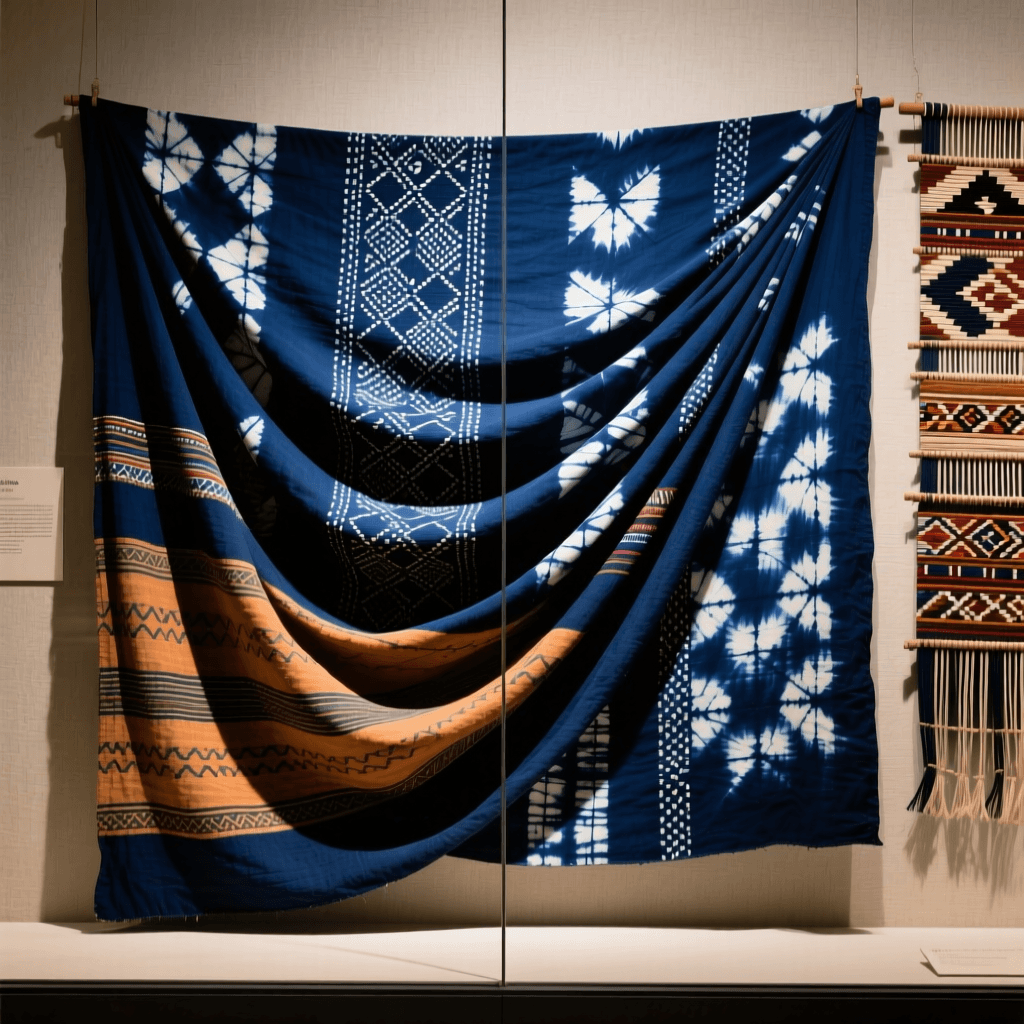
The Art & Heritage of Hand Loom Weaving: A Timeless Craft
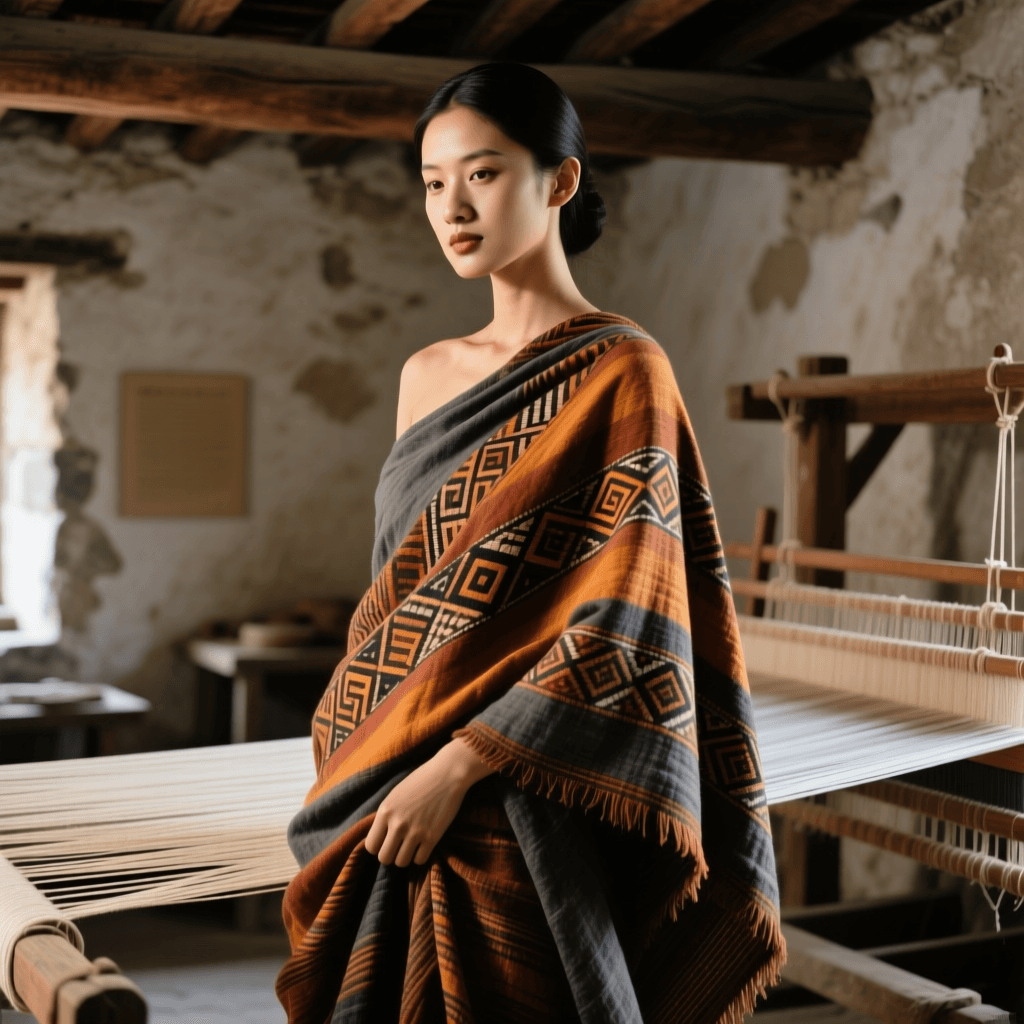
Long before the rhythmic hum of electric motors and the relentless speed of industrial manufacturing, the creation of cloth was a profoundly human endeavor. Hand loom weaving is one of the oldest and most universal crafts in human history, a practice that bridges the gap between raw natural fibers and the garments that protect, adorn, and define us. The clack of the wooden shuttle, the tension of the warp threads, and the practiced rhythm of the weaver’s hands represent a continuous lineage of knowledge passed down through countless generations. To wear a handwoven garment is to drape oneself in history, culture, and the unmistakable touch of human artistry.
At The Garment Atlas, we believe that understanding the origins of our clothing deepens our appreciation for the pieces we choose to wear. Hand loom weaving is not merely a method of fabric production; it is a cultural language, a spiritual practice, and a testament to human ingenuity. In an era increasingly dominated by mass production and fleeting trends, the deliberate, slow process of hand weaving stands as a pillar of the sustainable fashion movement, offering a blueprint for a more mindful and connected artisan wardrobe.
The Cultural Significance of Handwoven Textiles
Across the globe, textiles have never been just about utility. In many traditional societies, the loom is considered a sacred instrument, and the act of weaving is deeply intertwined with mythology, cosmology, and social structure. The interlacing of warp and weft is frequently used as a metaphor for the fabric of the universe, the weaving of fate, and the connection between the earthly and the divine. In ancient mythologies, deities of weaving—such as Athena in Greek lore or Spider Woman in Navajo tradition—are revered as bringers of wisdom, civilization, and cosmic order.
Beyond mythology, handwoven cloth serves as a vital marker of identity. The specific patterns, colors, and weaving techniques of a garment can communicate a wearer’s village, marital status, social rank, and even their spiritual beliefs. For instance, the intricate motifs woven into Andean textiles act as a visual language, recording agricultural cycles, local flora and fauna, and ancestral histories. Similarly, in West Africa, the vibrant strip-woven Kente cloth is imbued with proverbs and philosophical concepts, with each color and geometric pattern carrying a specific, widely understood meaning.
The creation of these textiles also plays a crucial socio-economic role, particularly for women in rural communities. Historically and in the modern day, weaving collectives provide financial independence, preserve matriarchal knowledge systems, and anchor communities to their ancestral lands. When we explore the heritage of techniques like indigo dyeing or block printing, we often find that these surface designs are applied to meticulously handwoven canvases, creating a synergy of artisanal skills that sustains entire villages.
The Craftsmanship: Anatomy of the Hand Loom
To truly appreciate handwoven fabrics, one must understand the profound physical and mental skill required to operate a hand loom. Unlike power looms, which automate the process, a hand loom relies entirely on the weaver’s physical coordination, spatial awareness, and rhythmic precision. The fundamental principle of weaving remains constant: the intersection of two distinct sets of threads—the longitudinal warp and the transverse weft. However, the mechanics of achieving this intersection vary wildly depending on the type of loom.
The preparation of the loom is an arduous task in itself. Warping—the process of measuring and arranging hundreds, sometimes thousands, of longitudinal threads under perfect, uniform tension—can take days or even weeks. Artisans often use natural starches, such as rice water or tamarind seed paste, to size the yarn, giving it the strength to withstand the friction of the weaving process. This deep knowledge of natural fibers and their structural properties is what separates a master weaver from a novice.
There are several primary types of hand looms, each adapted to the specific needs and environments of its users:
- The Backstrap Loom: Predominant in the Americas and parts of Southeast Asia, this loom consists of two sticks between which the warp threads are stretched. One stick is anchored to a fixed point, like a tree or a post, while the other is attached to a strap that wraps around the weaver’s lower back. The weaver’s own body provides the tension, allowing for an intimate, almost bodily connection to the cloth. This portable loom is ideal for creating intricate, narrow bands and complex brocades.
- The Pit Loom: Common in India and parts of the Middle East, the pit loom is set into a depression in the ground. The weaver sits at the edge of the pit, operating treadles with their feet to lift the heddles and create the 'shed' (the space through which the shuttle passes). This ergonomic design allows for the weaving of wider, finer fabrics, such as delicate silks and lightweight cottons, and is essential for complex techniques like Jamdani, where supplementary weft threads are added by hand to create elaborate motifs.
- The Frame or Floor Loom: Found in Europe, Africa, and parts of Asia, this sturdy wooden structure stands independently on the floor. It utilizes a system of pulleys, treadles, and harnesses, allowing the weaver to control multiple shafts and create complex structural weaves like twills, satins, and multi-layered double cloths. The robust nature of the frame loom makes it ideal for heavy wools, rugged tweeds, and wide tapestries.
The actual act of weaving involves a continuous, meditative cycle: shedding (separating the warp threads), picking (passing the shuttle carrying the weft thread through the shed), and beating up (using a reed or batten to push the newly laid weft tightly against the previous one). A master weaver executes this cycle with a fluid, hypnotic grace, their muscle memory dictating the exact force needed to ensure the fabric is uniformly dense and perfectly aligned.
Regional Variations & Global Traditions
The beauty of hand loom weaving lies in its staggering regional diversity. Because looms are built from local materials and designed to weave locally sourced fibers, the resulting textiles are a direct reflection of their geographical and cultural origins.
Asia: The Mastery of Silk and Ikat
Asia is home to some of the most complex and revered weaving traditions in the world. In India, the handloom sector is a massive cultural and economic force, producing everything from the gossamer-thin Muslins of Bengal to the rich, heavy Brocades of Varanasi. The Patola and Ikat traditions of India and Indonesia involve the painstaking process of resist-dyeing the warp or weft threads before they are mounted on the loom. When woven, these pre-dyed threads align to form breathtaking, slightly blurred geometric patterns. In Japan, the weaving of Kasuri (ikat) and the meticulous production of silk for kimonos represent a pursuit of perfection, where the subtle slubs and variations of hand-spun, handwoven threads are celebrated as marks of profound beauty and silk production heritage.
The Americas: Cosmology in Cotton and Wool
From the high Andes to the deserts of the American Southwest, indigenous weaving traditions are deeply tied to the land. In the Andean regions of Peru and Bolivia, weavers utilize the backstrap loom to transform the fleece of alpacas and llamas into textiles of incredible warmth and durability. The motifs woven into these garments—stepped diamonds, condors, and serpents—map the Andean cosmos. Meanwhile, the Navajo weavers of North America utilize a distinct, upright tapestry loom to create heavy, geometric wool rugs and blankets. Navajo weaving is a spiritual practice, often incorporating a 'spirit line'—a deliberate path woven from the center to the edge of the textile to prevent the weaver’s energy from becoming trapped within the intricate patterns.
Africa: Strip Weaving and Royal Cloths
In West Africa, particularly among the Ashanti and Ewe peoples of Ghana, and the Yoruba of Nigeria, weaving is traditionally a male-dominated craft performed on narrow, horizontal treadle looms. Weavers produce long, narrow strips of cloth—often just four to ten inches wide—which are then meticulously cut and sewn together edge-to-edge to create large, flowing garments like the Kente or Aso Oke. The contrast between the brightly colored, patterned strips and the solid background stripes creates a dynamic, vibrating visual effect that is synonymous with West African ceremonial dress.
Europe: Tweeds, Tartans, and Linens
European hand weaving traditions were heavily shaped by the climate and the agricultural economy. In the Scottish Highlands and the Irish isles, the weaving of heavy wool tweeds and tartans on wooden floor looms was a vital domestic industry. The specific color palettes of tartans, derived from local botanical dyes, eventually became codified as markers of clan identity. In cooler, damper regions of Eastern and Northern Europe, the processing of flax into linen was a cornerstone of rural life. Handwoven linen, with its natural luster and exceptional cooling properties, was used for everything from undergarments to household linens, often embellished with regional embroidery after it came off the loom.
Modern Preservation & The Slow Fashion Movement
The advent of the Industrial Revolution and the subsequent rise of power looms posed an existential threat to hand weaving. Mass-produced textiles, with their uniform perfection and low cost, flooded global markets, pushing many traditional weavers to abandon their looms in search of more lucrative labor. However, the hand loom has proven remarkably resilient. In the modern era, a powerful counter-movement has emerged, championing the preservation of artisanal crafts as a vital component of cultural heritage and environmental sustainability.
The slow fashion movement recognizes that handwoven textiles offer an antidote to the ecological and ethical disasters of fast fashion. Hand weaving requires no electricity, produces zero carbon emissions during the weaving process, and relies on biodegradable natural fibers. Furthermore, because handwoven fabric is produced at the speed of human hands, it inherently limits overproduction. A weaver can only produce a few meters of intricate cloth per day, making handwoven garments naturally exclusive and deeply valued.
Preserving this heritage requires more than just museum exhibitions; it requires a living, breathing market. Designers and consumers play a critical role in sustaining these traditions by seeking out ethically sourced, handwoven garments. When you invest in a handwoven piece, you are not just buying clothing; you are funding the education of the next generation of artisans, supporting rural economies, and ensuring that the rhythmic clack of the shuttle continues to echo through the centuries. Exploring how to integrate these unique pieces into your daily life is at the heart of building a thoughtful artisan wardrobe.
Frequently Asked Questions
What is the difference between handloom and powerloom fabrics?
The primary difference lies in the tension, speed, and human involvement. Power looms use mechanized tension and high-speed automated shuttles or air jets, resulting in fabrics that are uniformly tight, perfectly consistent, and often stiffer. Handloom fabrics, by contrast, are woven with human-controlled tension. This results in a fabric that is generally softer, more breathable, and possesses a subtle, organic texture. The slight irregularities in handwoven cloth—often called 'slubs' or 'character marks'—are not flaws, but rather the hallmark of human craftsmanship that allows the fabric to drape beautifully and mold to the wearer’s body over time.
How long does it take to weave a garment by hand?
The time required varies drastically based on the complexity of the weave, the thickness of the yarn, and the type of loom used. A simple, plain-weave cotton scarf on a frame loom might take a skilled weaver one to two days to complete. However, a highly intricate silk sari featuring complex Jamdani motifs or a tightly woven Navajo rug can take anywhere from several weeks to several months of continuous, daily labor. This immense investment of time is a crucial factor in the value and longevity of the finished garment.
Why are handwoven textiles more expensive?
Handwoven textiles command a higher price because they reflect the true cost of human labor, time, and specialized skill. Unlike mass-produced fabrics, where the cost is driven down by automation and economies of scale, hand weaving cannot be rushed. The price encompasses the days spent warping the loom, the physical toll of the weaving process, and the generational expertise required to execute complex patterns. Additionally, handwoven garments are often produced in small batches or made-to-order, ensuring fair wages for the artisans and eliminating the waste associated with industrial overproduction.
How should I care for handloom garments?
Because handwoven fabrics are often made from delicate natural fibers and feature structural variations, they require gentle care. It is generally recommended to hand wash handloom garments in cool water using a mild, pH-neutral detergent. Avoid vigorous wringing, which can distort the warp and weft alignment; instead, gently press the water out and lay the garment flat to dry in the shade. For heavily structured pieces, silk brocades, or textiles featuring metallic threads, professional dry cleaning is advisable. Proper care ensures that the fibers remain supple and the artisan's work endures for a lifetime.
Where can I find authentic handwoven clothing?
Authentic handwoven clothing can be sourced from artisan cooperatives, specialized ethical fashion boutiques, and directly from weaving communities. When shopping, look for transparency regarding the supply chain and the specific weaving techniques used. Certifications from recognized handloom boards or fair-trade organizations can also help verify authenticity. At The Garment Atlas, we frequently highlight heritage brands and artisan collectives that prioritize transparency, ensuring that the weavers receive fair compensation and that the cultural integrity of the textile is respected.