The Silk Road Textile Trade: A Woven Legacy of Global Exchange
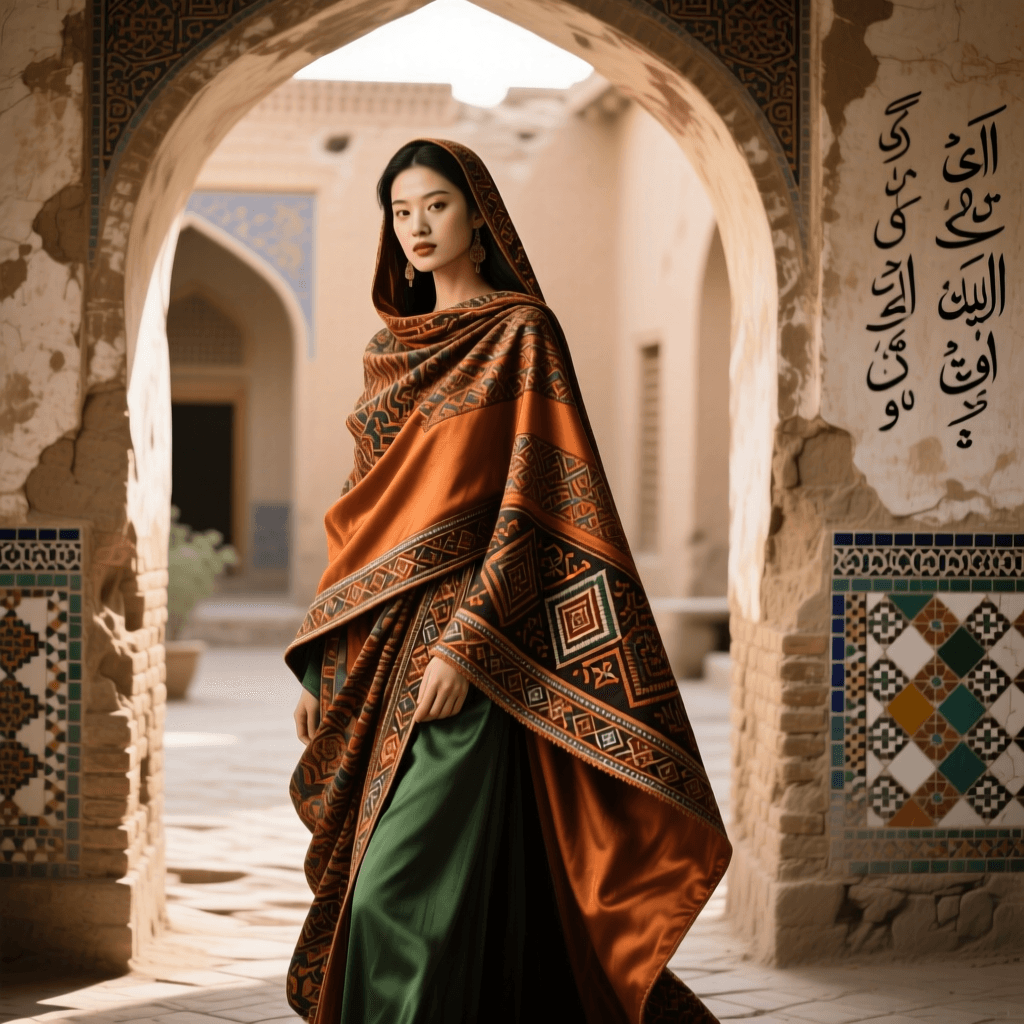
Long before the advent of modern global supply chains, a vast, pulsating network of trade routes connected the East and the West. Known collectively as the Silk Road, this intricate web of overland and maritime paths was not merely a conduit for spices, precious metals, and gemstones. It was, fundamentally, the world’s first global fashion runway. The Silk Road textile trade shaped empires, dictated sumptuary laws, and sparked a cross-pollination of art and design that continues to influence the garments we wear today. For centuries, the exchange of woven fabrics served as a universal language of wealth, diplomacy, and cultural identity.
To understand the heritage of global fashion, one must look closely at the bales of silk, wool, cotton, and linen that traveled thousands of miles across harsh deserts and towering mountain passes. These textiles were the ultimate soft currency, prized by emperors and nomads alike. In this comprehensive exploration, we unravel the fascinating history of the Silk Road textile trade, examining the masterful craftsmanship, regional variations, and the enduring legacy of these historic fabrics. Whether you are a student of fashion history or a lover of artisanal garments, the story of these ancient threads offers a profound look into the human desire for beauty and connection.
The Cultural Significance of Silk Road Textiles
On the ancient trade routes, textiles were far more than mere clothing; they were a highly liquid form of currency and a powerful tool for diplomacy. In many Central Asian and Chinese dynasties, bolts of silk were used to pay soldiers, settle debts, and offer tribute to neighboring kingdoms. The sheer value of these fabrics was rooted in their rarity and the closely guarded secrets of their production. When Chinese silk first reached the Roman Empire, it caused a sensation so profound that it reportedly drained the empire’s coffers, leading moralists to condemn the sheer, shimmering fabric as a symbol of decadence.
Beyond economics, textiles acted as vital carriers of culture, religion, and artistic motifs. As merchants traveled from Chang’an to Constantinople, they carried not only goods but also ideas. The famous 'Pearl Roundel' motif—a design featuring pairs of animals enclosed in a border of pearls—originated in Sassanid Persia but was enthusiastically adopted by Chinese weavers during the Tang Dynasty, eventually finding its way into Japanese imperial repositories and Byzantine ecclesiastical garments. This seamless blending of aesthetics demonstrates how the Silk Road textile trade functioned as a bridge between disparate civilizations.
Furthermore, the gifting of luxurious garments was a cornerstone of ancient statecraft. Robes of honor, known as khilat in the Islamic world, were presented by rulers to visiting dignitaries and loyal subjects. These garments, often woven with gold thread and dyed in rare colors, were physical manifestations of political alliances. The cultural significance of these textiles cannot be overstated; they were wearable archives of human history, encoding the beliefs, hierarchies, and artistic triumphs of the societies that produced them.
Masterful Craftsmanship & Ancient Weaving Techniques
The creation of the textiles that traversed the Silk Road required an astonishing level of technical expertise and painstaking labor. At the heart of this industry was sericulture—the cultivation of silkworms. For millennia, the Chinese maintained a strict monopoly on the secrets of silk production, a closely guarded state secret punishable by death. The process of unraveling the delicate cocoon, spinning the continuous filament, and dyeing it with natural pigments required generations of accumulated knowledge. For a deeper dive into how these historic weaves are constructed, our guide to understanding fabric weaves breaks down the mechanics of warp and weft.
The weaving technologies developed along the trade routes were marvels of early engineering. The invention of the drawloom allowed weavers to create incredibly complex, large-scale repeating patterns. This technology gave birth to luxurious fabrics like lampas and damask. Lampas, characterized by its intricate weft-patterned designs against a contrasting background, became a hallmark of Islamic and later European luxury textiles. Damask, with its reversible, tone-on-tone patterns created through the interplay of satin and sateen weaves, remains a staple in high-end home decor and formal wear today.
Dyeing was equally complex and highly specialized. Artisans utilized a rich palette of natural dyes sourced from across the continents. Indigo from India provided deep, colorfast blues; madder root from the Mediterranean and Central Asia yielded vibrant reds; and weld or saffron produced brilliant yellows. The mastery of mordants—substances used to set dyes—allowed artisans to achieve a staggering variety of hues. The integration of metallic threads, known as zari in South Asia and the Middle East, elevated these textiles to the realm of the divine. Strips of gold or silver, often wrapped around a silk core, were woven directly into the fabric, creating heavy, luminous brocades that caught the flickering light of palaces and temples.
Regional Variations & The Cross-Pollination of Style
The beauty of the Silk Road textile trade lies in its regional diversity. As raw materials and finished garments moved across continents, local artisans adapted foreign techniques to suit their own cultural aesthetics, resulting in a rich tapestry of regional variations.
China: The Epicenter of Silk
As the birthplace of silk, China set the standard for luxury textiles. Chinese weavers were renowned for their fine gauzes, heavy brocades, and exquisite embroidery. The kesi (cut silk) tapestry technique, which involved weaving discontinuous wefts to create painterly, highly detailed images, was particularly prized. Chinese motifs, such as dragons, phoenixes, clouds, and lotus flowers, became highly sought after in foreign markets, heavily influencing the decorative arts of neighboring regions.
Central Asia: The Crossroads of Ikat & Embroidery
Central Asia, particularly the regions encompassing modern-day Uzbekistan and Tajikistan, served as the vital middlemen of the Silk Road. The Sogdian merchants who dominated these routes were famous for their vibrant silks. This region is perhaps best known for Ikat (locally known as abr, meaning 'cloud'), a resist-dyeing technique where the threads are dyed before weaving, resulting in beautifully blurred, energetic patterns. To explore this specific craft, read our heritage feature on Central Asian Ikat weaving. Additionally, the region is famous for Suzani, large, intricately embroidered textile panels used as dowries and household decorations, featuring motifs of pomegranates, tulips, and the sun.
Persia & The Islamic World: Geometry & Floral Mastery
Persian weavers elevated textile design to a high art form, deeply influenced by the Islamic prohibition on depicting sentient beings in religious contexts. This led to the perfection of intricate geometric patterns, arabesques, and highly stylized floral motifs like the boteh (the precursor to the modern paisley). Persian carpets and velvet brocades were legendary. The use of tiraz bands—inscribed textile borders containing the names of rulers and Quranic verses—became a defining feature of garments across the Islamic world, serving as both a mark of authenticity and a symbol of divine protection. Learn more about these stunning needlework traditions in our article on Persian embroidery and textile arts.
Byzantium & Europe: The Adoption of Eastern Luxuries
When silk finally reached the Mediterranean, it fundamentally altered European dress and ecclesiastical art. The Byzantine Empire established its own silk industry, producing samite, a heavy, lustrous silk fabric often interwoven with gold threads. European royalty and the Catholic Church became voracious consumers of Eastern textiles, using them to wrap holy relics and fashion royal coronation garments. The desire to bypass the monopolies of the Silk Road eventually spurred the European Age of Discovery, proving that the demand for these textiles literally redrew the map of the world. The integration of these flowing, luxurious fabrics heavily influenced the development of historical European silhouettes and court dress.
The Enduring Legacy & Modern Preservation
While the original overland Silk Road routes eventually declined with the rise of maritime trade and the fragmentation of empires, the textile heritage born from this era remains vibrantly alive. Today, the legacy of the Silk Road is preserved not only in the climate-controlled archives of global museums but also in the bustling workshops of artisan cooperatives. Organizations and UNESCO initiatives have worked tirelessly to protect traditional weaving, dyeing, and embroidery techniques, recognizing them as Intangible Cultural Heritage of Humanity.
In the contemporary fashion landscape, there is a growing movement toward slow fashion and heritage craftsmanship. Modern designers frequently look to the archives of the Silk Road for inspiration, reviving ancient motifs and utilizing traditional, sustainable dyeing methods. The appeal of hand-loomed ikat, naturally dyed silks, and hand-embroidered suzani lies in their imperfections and the human touch inherent in their creation—a stark contrast to the sterile uniformity of mass-produced fast fashion.
Preserving these historic garments and techniques requires specialized knowledge. Antique silks and metal-thread brocades are highly susceptible to light, humidity, and improper handling. For collectors and enthusiasts looking to maintain their own heritage pieces or modern silk garments, following proper silk garment care instructions is essential to ensure these woven treasures survive for future generations. By supporting artisan communities and educating ourselves on the origins of our clothing, we keep the spirit of the Silk Road alive, honoring the countless hands that have woven the fabric of human history.
Frequently Asked Questions
What was the most valuable textile traded on the Silk Road?
While fine wools, linens, and cottons were heavily traded, silk was undeniably the most valuable and iconic textile of the routes. Its lightweight nature, high tensile strength, and shimmering aesthetic made it the perfect luxury commodity for long-distance overland travel. In many eras, high-quality silk was valued weight-for-weight against gold and was used as a standard currency for international trade and diplomatic tribute.
How did the Silk Road influence European fashion?
The Silk Road introduced Europe to luxurious fabrics like samite, damask, and brocade, which fundamentally changed the wardrobes of the aristocracy and the clergy. The influx of Eastern textiles brought new color palettes, complex weaving structures, and exotic motifs such as pomegranates and lotus flowers. This demand for luxury fabrics eventually drove European powers to seek direct sea routes to Asia, sparking global exploration and the eventual establishment of colonial trade networks.
Are traditional Silk Road weaving techniques still used today?
Yes, many traditional techniques are still practiced today, particularly in Central Asia, Iran, and parts of China. Artisan cooperatives in Uzbekistan continue to weave silk ikat using wooden handlooms and natural dyes. Similarly, the intricate art of Persian carpet weaving and Chinese kesi tapestry are actively preserved by master artisans who pass their skills down through familial lines, often supported by global heritage preservation initiatives.
What is the difference between Suzani and Ikat textiles?
Suzani and Ikat represent two entirely different textile crafts. Ikat is a weaving technique where the yarns are resist-dyed before they are placed on the loom, resulting in patterns with characteristic blurred edges. Suzani, on the other hand, refers to a type of embroidered textile. Suzani panels are created by stitching intricate, often floral or solar motifs onto a plain cotton or silk ground fabric using silk or cotton threads, traditionally serving as decorative household items or dowry pieces.
How can I identify authentic heritage silk garments?
Identifying authentic heritage silk requires examining the weave structure, the quality of the thread, and the dyeing methods. Antique hand-woven silks often feature slight irregularities in the warp and weft, which are hallmarks of human craftsmanship rather than machine production. Furthermore, heritage textiles dyed with natural pigments may exhibit a depth of color and subtle fading patterns that synthetic dyes cannot replicate. Consulting with a textile conservator or utilizing our guide to natural dyeing can help you better understand these nuances.