Best Japanese Fashion Blogs For Traditional Garments 2026
The Renaissance of Wafuku in 2026 Digital Media
As we navigate the global fashion landscape in 2026, the intersection of traditional Japanese garments, known collectively as wafuku, and contemporary digital journalism has reached an unprecedented peak. Gone are the days when traditional garments like the kimono, haori, and hakama were relegated solely to historical archives or ceremonial obscurity. Today, a vibrant ecosystem of Japanese fashion journalism blogs and online magazines is actively reshaping how the world perceives, styles, and consumes traditional Asian textiles. For researchers, stylists, and cultural enthusiasts, understanding this digital media landscape is essential for grasping the modern evolution of Japanese sartorial heritage.
The shift from print to digital platforms has democratized fashion journalism, allowing independent bloggers, textile artisans, and niche online magazines to reach a global audience. In 2026, these digital publications are not merely documenting street style; they are actively driving the sustainability movement, promoting the secondhand kimono market, and educating a new generation on the intricate techniques of natural dyeing and weaving. This comprehensive guide explores the most influential Japanese fashion blogs and online magazines dedicated to traditional garments this year, offering actionable insights for anyone looking to engage with this rich cultural narrative.
Leading Online Magazines and Blogs for Traditional Garment Coverage
The digital journalism space in Japan is highly specialized. While mainstream publications cover global luxury brands, a dedicated tier of online magazines focuses exclusively on the nuances of wafuku, textile preservation, and modern styling. Below, we break down the premier platforms defining the conversation in 2026.
1. Mainstream Digital Fashion Portals
Major industry news outlets have recognized the commercial and cultural power of traditional garments. Platforms like Fashionsnap frequently feature in-depth analyses on how heritage textile houses in Kyoto and Kanazawa are collaborating with contemporary streetwear designers. Their coverage often highlights the business side of traditional garments, including supply chain innovations for silk and the integration of AI in pattern drafting for custom-fit kimono.
2. High-Fashion Editorial Platforms
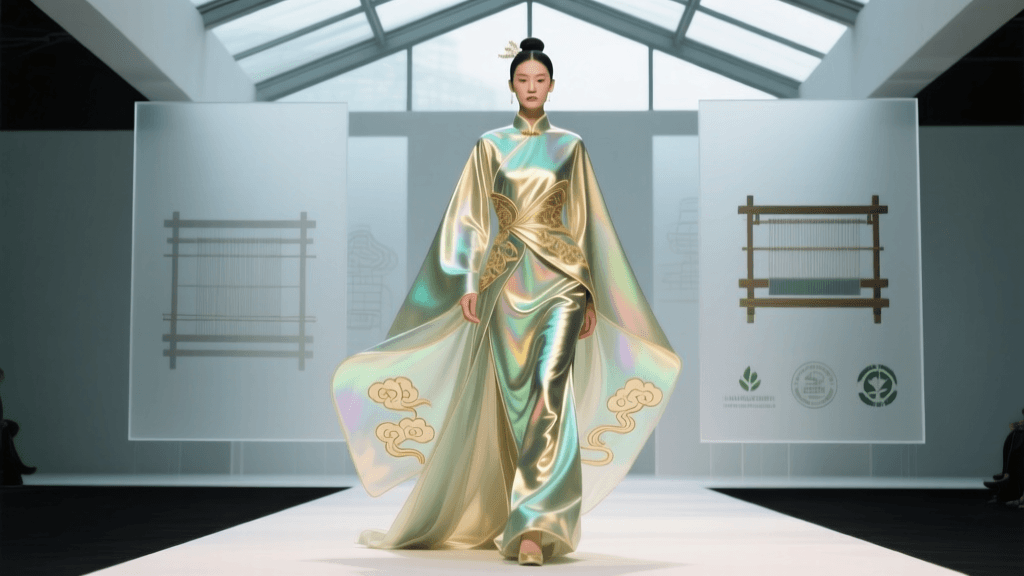
When it comes to high-end editorial photography and avant-garde styling, Vogue Japan remains a towering authority. In 2026, their digital editorials frequently juxtapose Nishijin-ori brocades with modern minimalist silhouettes. Their fashion journalism often explores the philosophical and aesthetic intersections of wabi-sabi and modern luxury, providing a glossy, high-production-value perspective on traditional garments that appeals to global fashion connoisseurs.
3. Cultural and Lifestyle Journalism
For a more grounded, culturally rich perspective, the lifestyle and culture sections of publications like The Japan Times offer invaluable journalism. Their writers frequently profile master artisans, document the grueling apprenticeships of yuzen dyers, and explore the sociological impact of the kimono rental boom in urban centers like Tokyo and Osaka. This type of journalism is crucial for understanding the human element behind the garments.
Comparative Analysis: Wafuku Media Platforms in 2026
To help you navigate the diverse media landscape, we have categorized the primary types of digital fashion journalism covering traditional Japanese garments. This table outlines their core focus, target audience, and primary content formats.
| Platform Type | Core Focus Area | Target Audience | Primary Content Format |
|---|---|---|---|
| Industry News Portals | Market trends, retail data, brand collaborations | Fashion executives, buyers, PR professionals | Daily news briefs, data reports |
| High-Fashion Digital Magazines | Avant-garde styling, luxury heritage, editorial shoots | Designers, stylists, luxury consumers | Long-form editorials, video campaigns |
| Independent Wafuku Blogs | Daily styling, secondhand market reviews, DIY upcycling | Enthusiasts, hobbyists, sustainable fashion advocates | Photo essays, tutorials, personal essays |
| Cultural Lifestyle Journalism | Artisan profiles, historical context, regional textiles | Researchers, cultural historians, tourists | Interviews, documentary-style articles |
The 2026 Modern Styling Movement: Blog-Driven Trends
One of the most significant contributions of independent Japanese fashion blogs in 2026 is the popularization of the 'Kimono Modern' styling movement. Fashion journalists and influencers are actively dismantling the rigid, traditional rules of kitsuke (the art of wearing kimono), proposing instead a fluid, personalized approach that integrates wafuku into everyday modern wardrobes. This editorial shift has had a massive impact on retail and consumer behavior.
Key Styling Trends Championed by Digital Magazines
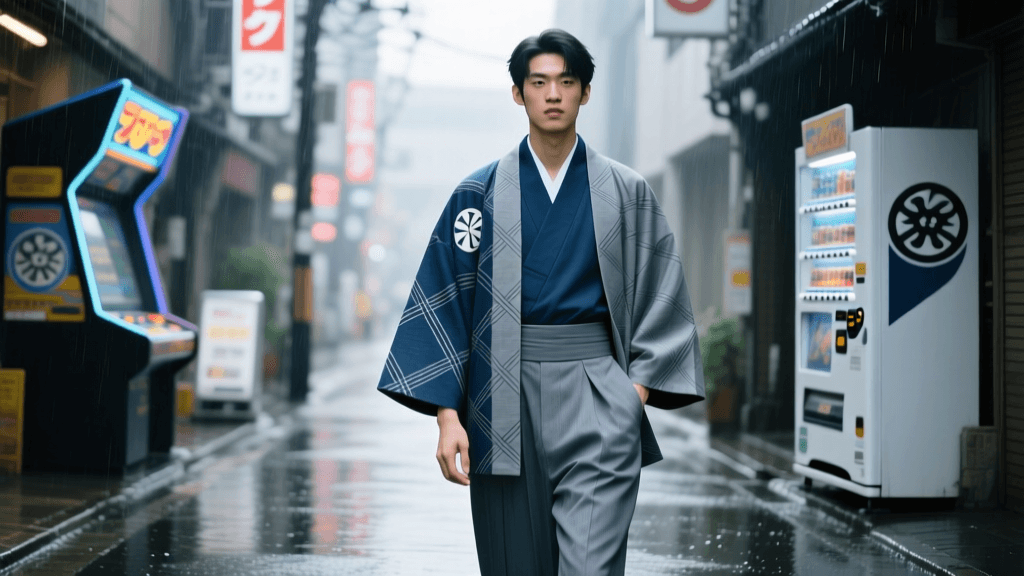
- The Haori as Outerwear: Online magazines are heavily promoting the haori (traditional jacket) as a versatile alternative to the modern blazer or trench coat. Bloggers frequently demonstrate how to pair vintage, mid-century haori with tailored denim or wide-leg wool trousers, emphasizing the garment's structural elegance.
- Obijime and Obidome Repurposing: Fashion journalists are highlighting the use of obijime (decorative cords) as modern hair accessories, bag charms, or even belt accents on western dresses, breathing new life into vintage accessories that might otherwise sit unused in a tansu (kimono chest).
- Hakama Trousers: The pleated, flowing silhouette of the hakama has been widely covered by street-style photographers. Digital magazines frequently feature styling guides on how to wear modern, cotton-blend hakama as statement trousers for both casual and semi-formal occasions.
- Yukata and Jinbei in Urban Summer: As summer temperatures rise, fashion blogs are dedicating extensive coverage to the breathability and aesthetic appeal of yukata and jinbei. Editorials often compare the two, positioning jinbei as the ultimate casual loungewear and yukata as the go-to for summer festivals and evening dining.
'The true preservation of wafuku does not lie in keeping it behind glass, but in weaving it into the daily rhythm of modern life. The blogs and digital magazines of 2026 are the loom upon which this new cultural fabric is being woven.'
— Editorial Excerpt, Tokyo Textile Review, 2026
Sustainability and the Secondhand Kimono Market
Sustainability is the defining theme of 2026 fashion journalism, and Japanese online magazines are at the forefront of highlighting the circular economy within traditional garments. The kimono is inherently sustainable; it is constructed from straight cuts of fabric, leaving almost zero textile waste, and is designed to be entirely disassembled, washed, and re-dyed. Digital fashion journalists are heavily focused on educating the public about these inherent eco-friendly properties.
Furthermore, fashion blogs are driving traffic and legitimacy to the secondhand kimono market. Online magazines regularly publish 'Recycle Shop' guides, reviewing vintage kimono stores in neighborhoods like Shimokitazawa and Nakameguro. They provide actionable advice on how to assess the condition of vintage silk, how to identify authentic Yuki-tsumugi silk, and how to negotiate prices at local flea markets. By framing secondhand wafuku not as 'used clothing' but as 'archival vintage,' fashion journalism has elevated the market, attracting a younger, eco-conscious demographic that values both sustainability and unique personal expression.
Natural Dyeing and Artisanal Textile Coverage
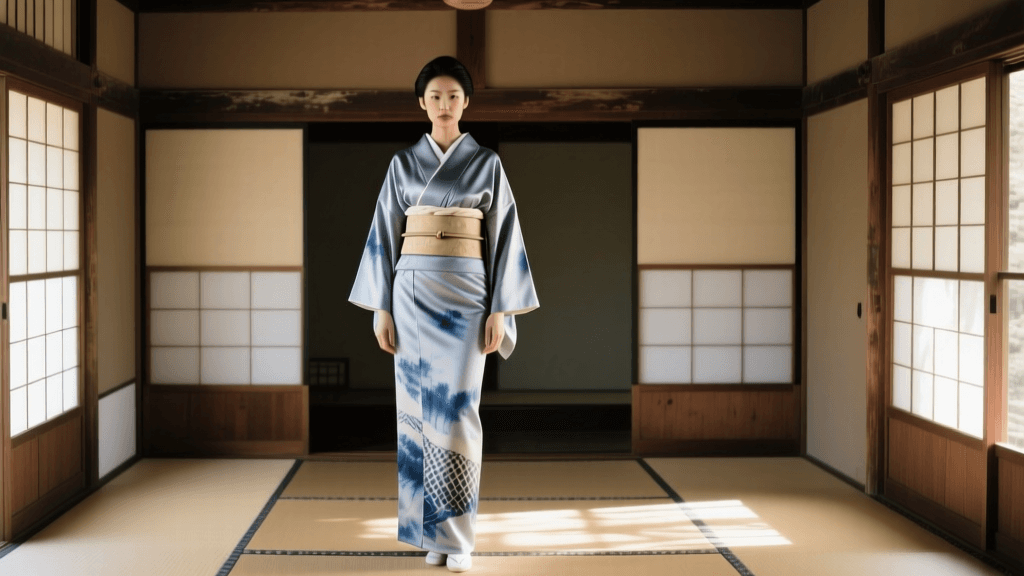
In 2026, there is a profound reader interest in the origins of their garments. Fashion blogs and niche online magazines are dedicating entire verticals to natural dyeing techniques such as aizome (indigo dyeing) and shibori (resist dyeing). Journalists are traveling to rural prefectures to document the cultivation of Japanese indigo and the meticulous, multi-generational processes required to achieve specific hues.
This coverage serves a dual purpose: it educates the consumer on the immense labor value of traditional textiles, justifying the premium pricing of authentic artisanal garments, and it provides a platform for rural artisans to reach international buyers. Articles often include direct links to artisan cooperatives, effectively turning fashion journalism into a vital economic bridge between remote craft villages and global fashion consumers.
Actionable Guide: Engaging with Wafuku Fashion Media
For designers, textile artisans, vintage curators, and PR professionals looking to gain coverage in Japanese fashion blogs and online magazines in 2026, a strategic approach is required. The editorial standards are high, and the focus is heavily skewed toward authenticity, cultural respect, and sustainability.
Best Practices for Pitching Traditional Garment Stories
- Highlight the Provenance: When pitching a vintage collection or a new textile line, digital magazines want the story behind the fabric. Detail the region, the specific weaving technique (e.g., Oshima-tsumugi, Kaga-yuzen), and the artisan's background.
- Emphasize Modern Utility: Editors are less interested in garments that can only be worn once a year. Pitch styling angles that demonstrate how your traditional garments can be integrated into a modern, functional wardrobe.
- Provide High-Quality Visuals: Japanese fashion journalism is highly visual. Ensure your press kits include high-resolution, editorial-style photography that captures the texture, drape, and intricate details of the textiles in natural lighting.
- Focus on the Circular Economy: If your brand or curation business utilizes upcycled kimono silk, deadstock fabrics, or zero-waste pattern cutting, make this the centerpiece of your pitch. Sustainability is the primary lens through which 2026 fashion media evaluates new brands.
Conclusion: The Future of Wafuku Journalism
The landscape of Japanese fashion journalism in 2026 is a testament to the enduring power and adaptability of traditional garments. Through the dedicated efforts of online magazines, independent blogs, and cultural commentators, wafuku has been successfully repositioned from a relic of the past to a vital, sustainable, and highly stylish component of the modern global wardrobe. By following these digital platforms, enthusiasts and industry professionals alike can stay at the cutting edge of Asian textile traditions, ensuring that the profound legacy of Japanese garment-making continues to thrive in the digital age.