Top Japanese Fashion Magazines Tracking Kimono Trends 2026
The Evolution of Japanese Fashion Journalism in 2026
As we navigate the dynamic fashion landscape of 2026, Japanese fashion journalism has undergone a remarkable transformation. The digital sphere is no longer just a mirror for Western trends; it has become a vibrant hub where heritage textiles, traditional theater costumes, and centuries-old craftsmanship intersect with modern street style and global runways. For enthusiasts of Asian traditions, following Japanese fashion blogs and online magazines is essential to understanding how garments like the kimono, yukata, and jinbei are being reimagined for contemporary life. From the bustling secondhand markets of Shimokitazawa to the high-fashion editorial spreads of Tokyo, digital publications are leading the charge in preserving and innovating traditional wear.
In 2026, the integration of AI-driven translation tools and augmented reality (AR) try-on features within these digital magazines has made Japanese fashion journalism more accessible to international readers than ever before. Whether you are researching natural dyeing techniques, looking for travel essentials for a Kyoto temple visit, or exploring the wellness connections tied to the meditative art of kitsuke (kimono dressing), the right online publications offer a treasure trove of actionable insights and cultural context.
Top Online Magazines Covering Traditional Japanese Garments
Fashionsnap: The Pulse of Street Style and Secondhand Markets
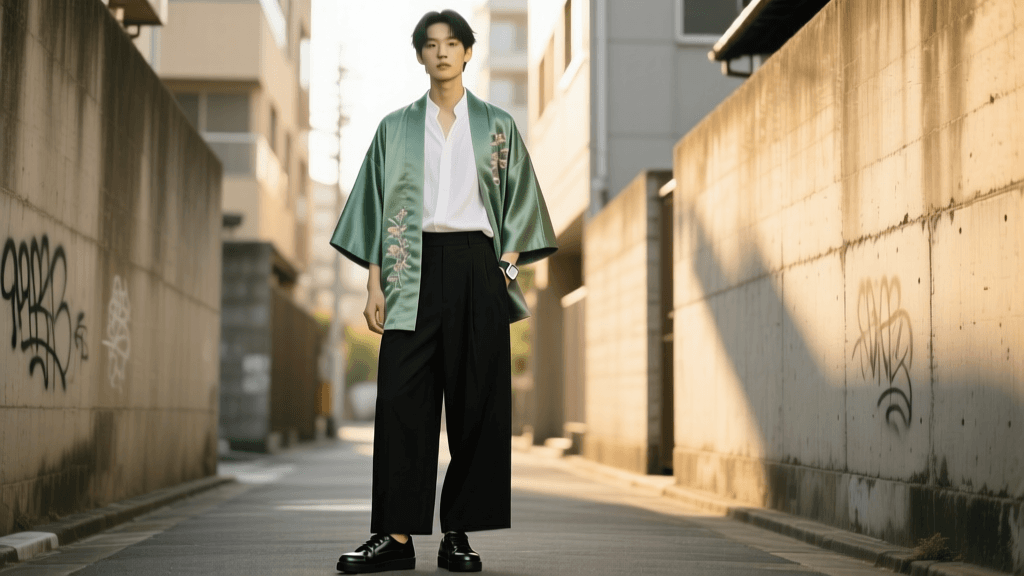
When it comes to documenting the real-world application of traditional garments, Fashionsnap remains the undisputed authority in 2026. Originally launched as a street style photography platform, it has evolved into a comprehensive digital magazine that heavily features the intersection of vintage fashion and traditional wear. Their 2026 editorial focus has heavily highlighted the booming secondhand kimono market. Reporters frequently document how Gen Z and Millennial stylists in neighborhoods like Koenji and Harajuku are upcycling vintage Oshima Tsumugi silk and repurposing haori jackets as modern outerwear.
Fashionsnap is particularly invaluable for its coverage of family ceremonies and coming-of-age events. During the January Seijin-shiki (Coming of Age Day), their photographers capture the most avant-garde furisode (long-sleeved kimono) styling, noting how young women are pairing traditional silk with combat boots and contemporary hair accessories. For international readers, their street snap archives serve as a visual lookbook for understanding how traditional silhouettes adapt to modern urban mobility.
Vogue Japan: High Fashion, Global Runways, and Wagara
For those interested in how traditional Asian motifs influence global runways, Vogue Japan provides unparalleled high-fashion journalism. In 2026, Vogue Japan has dedicated extensive digital coverage to the resurgence of Wagara (traditional Japanese patterns) in international couture. Their fashion journalists regularly interview heritage artisans, exploring how techniques like Shibori (tie-dyeing) and Aizome (natural indigo dyeing) are being adopted by luxury sustainable fashion houses.
Beyond the runway, Vogue Japan's culture section frequently explores the wellness connections inherent in traditional garment care. Recent 2026 feature articles have discussed the psychological benefits of Tansu (traditional chest) organization and the mindful, slow-fashion approach required to maintain silk garments. Their editorial spreads often serve as a bridge, showing readers how to incorporate subtle traditional elements—like an antique Obijime (decorative cord) or a modern interpretation of Zori sandals—into everyday luxury wardrobes.
Niche Digital Publications and Education Programs
While mainstream magazines cover the macro trends, niche digital platforms like Kimono Salone and various independent Substack blogs focus on deep-dive education. These platforms are vital for understanding the technical aspects of traditional theater costumes, such as the heavily layered Kariginu worn in Noh theater or the dramatic, padded uchikake seen in Kabuki. In 2026, many of these niche blogs have launched online education programs, offering virtual masterclasses on the history of textile weaving and the precise geometry of kimono pattern drafting.
Comparing Top Japanese Fashion Platforms for 2026
To help you navigate the digital landscape, we have compiled a comparison of the top platforms covering traditional Japanese fashion this year.
| Platform | Primary Focus | Language Options | Best For | 2026 Standout Feature |
|---|---|---|---|---|
| Fashionsnap | Street style, secondhand markets, youth culture | Japanese, English (Auto) | Visual inspiration, styling ideas, vintage hunting | AR street-style filter integration |
| Vogue Japan | High fashion, luxury, global runway intersections | Japanese, English | Wagara trends, artisan interviews, luxury styling | Sustainable natural dyeing documentaries |
| Kimono Salone (Digital) | Heritage crafts, traditional ceremonies, kitsuke | Japanese | Deep cultural context, technical dressing guides | Virtual Tansu organization workshops |
| JNTO Fashion Portal | Travel essentials, regional textiles, tourism | Multiple (15+) | Tourists, regional travel guides, rental tips | Interactive map of local dyeing studios |
Weather Adaptations: The 2026 Yukata vs. Jinbei Debate
One of the most practical and highly debated topics on Japanese fashion blogs every summer is the choice between yukata and jinbei, especially as climate shifts necessitate new weather adaptations. In 2026, fashion journalists are heavily focused on the material science of summer casual wear. The traditional cotton yukata remains a staple for festivals and family ceremonies, but bloggers are increasingly highlighting the jinbei—a two-piece garment consisting of a short-sleeved top and drawstring shorts—as the ultimate travel essential for navigating Japan's intense summer humidity.
According to recent coverage by the Japan National Tourism Organization (JNTO) and associated travel-fashion blogs, modern jinbei are now frequently crafted from breathable hemp-linen blends and feature moisture-wicking linings, a significant upgrade from the stiff cottons of the past. Fashion journalists note that while the yukata offers a more formal, elegant silhouette suitable for evening fireworks festivals (Hanabi), the jinbei is being championed for daytime temple hopping and casual streetwear. Blogs frequently provide actionable styling advice, such as pairing a high-end, muted-color jinbei with a structured rattan bag and leather sandals to elevate the look from sleepwear to chic resort wear.
Actionable Tips for International Readers and Researchers
Engaging with Japanese fashion journalism requires a bit of navigation, but the rewards for your personal style and cultural knowledge are immense. Here are practical steps to maximize your research in 2026:
- Leverage Browser Extensions: Use advanced AI translation extensions like DeepL or immersive translate tools that preserve the original HTML layout of sites like Fashionsnap, allowing you to read image captions and street-style details accurately.
- Follow Specific Hashtags: Japanese fashion bloggers heavily utilize X (formerly Twitter) and Instagram. Follow hyper-specific tags such as #WagaraModern, #AizomeStyle, and #VintageHaori to see real-time applications of the trends discussed in online magazines.
- Subscribe to Newsletter Digests: Many niche Substack blogs dedicated to Asian traditions offer weekly English digests of Japanese fashion news, summarizing complex articles about textile conservation and secondhand market pricing.
- Utilize Interactive Maps: When planning travel, use the interactive maps provided by JNTO and regional tourism boards to locate the specific artisan workshops and secondhand kimono markets featured in recent editorial spreads.
The Future of Heritage Textiles in Digital Media
The role of fashion journalism in preserving Asian traditions cannot be overstated. By treating the kimono not as a static museum artifact, but as a living, breathing garment that evolves with the times, Japanese online magazines are ensuring its survival. In 2026, the narrative has shifted from mere preservation to active innovation. Whether it is a detailed expose on the ethical sourcing of indigo for natural dyeing, a street-style gallery showcasing the gender-neutral styling of vintage haori, or a practical guide to packing travel essentials for a summer in Kyoto, these digital publications are the vital bridge between centuries of heritage and the future of global fashion.
As you curate your own wardrobe and deepen your understanding of Asian traditions, let these Japanese fashion blogs serve as your compass. They remind us that true style is not just about what we wear, but the history, craftsmanship, and cultural dialogue we carry with us every time we tie an obi or slip into a summer jinbei.