Vintage Silk Haori Minimalist Streetwear Guide 2026
The Renaissance of the Haori in 2026 Streetwear
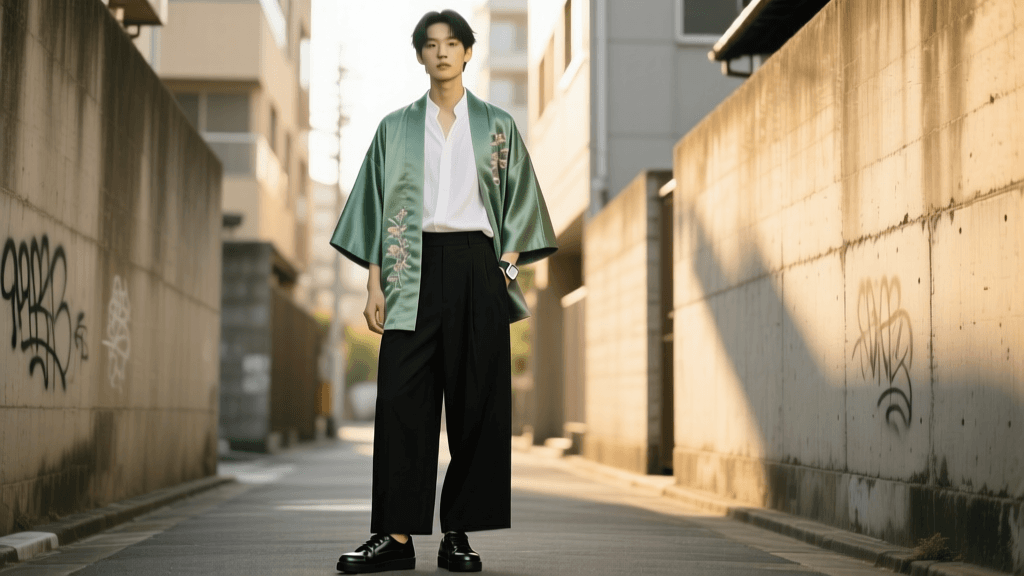
The global fashion landscape in 2026 has decisively moved away from fleeting micro-trends and loud logo-mania, embracing instead a philosophy of deliberate, heritage-infused eclecticism. At the forefront of this movement is the integration of traditional Asian garments into everyday modern wardrobes. Specifically, the Japanese haori—a traditional hip- or thigh-length jacket worn open over a kimono—has emerged as a cornerstone piece for minimalist streetwear enthusiasts and avant-garde professionals alike. Mixing a vintage silk haori with contemporary 2026 streetwear is not merely about visual juxtaposition; it is an exercise in mastering silhouette, textile contrast, and cultural appreciation.
Unlike Western tailoring, which relies on darts, seams, and structured shoulders to conform to the body, the haori is constructed from straight cuts of fabric. This results in a distinct T-shape silhouette that aligns perfectly with the oversized, relaxed fits dominating modern streetwear. When layered over contemporary basics, the garment drapes effortlessly, creating a fluid, architectural shape that moves with the wearer while honoring centuries of Japanese textile artistry.
Understanding the Silhouette: Drop Shoulders and Wide Stances
To successfully integrate a haori into a 2026 wardrobe, one must understand its unique geometry. The drop-shoulder construction and wide, tubular sleeves create a boxy profile that demands careful proportion balancing. The golden rule for modern styling is to anchor the voluminous top half with equally considered lower garments. Skinny jeans or tailored slim-fit trousers often clash with the haori's traditional drape, creating a top-heavy, disjointed look.
The Rule of Thirds in Layering
Instead of fighting the haori's natural shape, lean into it. Pair the jacket with wide-leg trousers, pleated wool pants, or relaxed-fit denim. Aim for a slight break at the hem of your trousers to maintain a continuous vertical line. Because the haori is worn open, the inner layer acts as a vertical column of color. A heavyweight, boxy cotton t-shirt in a muted earth tone—such as slate grey, olive, or charcoal—provides the perfect minimalist canvas, allowing the intricate silk patterns of the haori to take center stage without overwhelming the eye.
Core Outfit Formulas for the Modern Wardrobe
Transitioning a heritage piece into daily rotation requires actionable styling frameworks. Below are three distinct outfit formulas tailored for the 2026 urban environment, balancing traditional elegance with modern utility.
| Formula Name | Inner Layer (Base) | Bottoms | Footwear | Vibe & Context |
|---|---|---|---|---|
| The Techwear Commuter | Matte Black Gore-Tex Shell | Tapered Nylon Cargo Pants | Salomon XT-6 (Black) | Urban transit, rainy days, utilitarian edge |
| The Minimalist Creative | Heavyweight Boxy Cotton Tee | Wide-Leg Pleated Wool Trousers | New Balance 990v6 (Grey) | Studio work, gallery openings, casual Fridays |
| Elevated Evening | Silk Blend Turtleneck | Straight-Leg Raw Denim | Maison Margiela Tabi Boots | Dinner dates, evening events, sophisticated edge |
Textile Contrast: Rinzu, Chirimen, and Yuzen Dyeing
The magic of mixing traditional Asian pieces with modern streetwear lies in textile contrast. Modern streetwear heavily utilizes matte cottons, technical nylons, and synthetic blends. When you introduce the lustrous sheen of vintage silk, the visual depth of the outfit multiplies. According to the Kyoto Costume Institute, understanding historical Japanese textiles is key to appreciating their modern application.
- Rinzu (Damask Silk): Features woven, subtle geometric or floral patterns that catch the light. Perfect for monochromatic streetwear outfits where texture is preferred over loud colors.
- Chirimen (Crepe Silk): Has a distinct, pebbled texture that provides a matte, tactile finish. Ideal for pairing with rugged denim or heavy canvas.
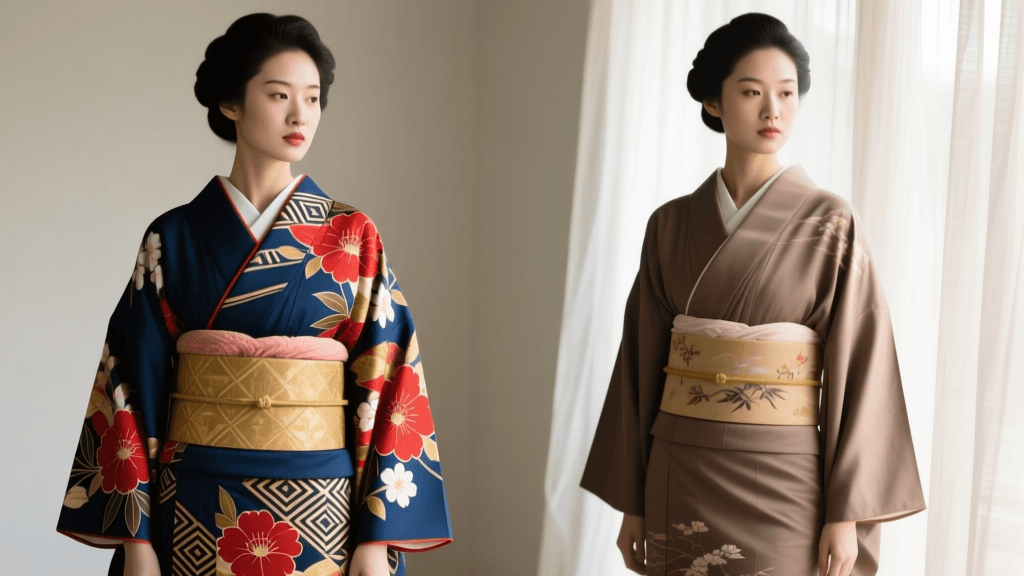
- Yuzen Dyeing: A resist-dyeing technique resulting in vibrant, painted motifs. A Yuzen haori acts as a statement piece; keep the rest of your wardrobe strictly neutral to let the artistry breathe.
Sourcing Authentic Pieces: 2026 Market Pricing
As the demand for heritage garments has surged, the market for authentic haori has matured. In 2026, buyers are increasingly looking past fast-fashion reproductions, seeking out genuine vintage pieces that carry historical weight and superior craftsmanship. Below is a guide to current market pricing and sourcing strategies.
| Category | Era / Style | Estimated 2026 Price (USD) | Best Sourcing Channels |
|---|---|---|---|
| Standard Vintage | Mid-20th Century, Chirimen silk, subtle patterns | $60 - $120 | Etsy, specialized Tokyo export sites, eBay |
| Premium Vintage | Pre-WWII, Rinzu silk, intricate Yuzen dye, Kamon (crests) | $150 - $350 | Curated vintage dealers, Kyoto antique markets |
| Modern Reproduction | Contemporary brands (e.g., Kapital, Visvim) | $400 - $900+ | High-end streetwear boutiques, brand flagships |
When buying vintage, always check the condition of the silk along the shoulder seams and the back of the neck, as these areas are most prone to friction wear and UV fading. A small, professional reweave is often worth the investment for a premium piece.
Footwear Pairings: Grounding the Silhouette
Footwear can make or break a traditional-meets-modern ensemble. The haori's wide hem and flowing sleeves require a shoe with enough visual weight to ground the outfit. Ultra-slim sneakers or delicate dress shoes often look lost beneath the drape of the jacket. In 2026, the preferred approach is to utilize chunky, technical runners or heritage work boots. The New Balance 990v6 offers a wide, supportive stance that mirrors the haori's relaxed geometry, while the Salomon XT-6 introduces a futuristic, technical element that contrasts beautifully with antique silk. For those leaning into high-fashion avant-garde, the split-toe Maison Margiela Tabi boot pays subtle homage to Japanese footwear history without resorting to costume.
Preserving Heritage: Silk Care in a Modern Context
Owning a vintage silk garment requires a commitment to proper preservation. The Metropolitan Museum of Art notes that historical silk garments are highly susceptible to environmental stressors, particularly prolonged exposure to ultraviolet light and improper storage. Modern streetwear enthusiasts must adapt their garment care routines to accommodate these delicate textiles.
'Silk fibers degrade when exposed to direct sunlight and high humidity. Proper storage in a cool, dark environment, using acid-free tissue paper to support the garment's shape, is essential for long-term preservation.' - Textile Conservation Guidelines
Actionable Care Steps for 2026:
- Avoid Machine Washing: Never put a vintage silk haori in a washing machine. The agitation will shatter the antique fibers.
- Spot Cleaning: Use a pH-neutral, eco-friendly silk detergent and a damp microfiber cloth to gently dab away surface stains.
- Professional Care: For deep cleaning, seek out a dry cleaner who specializes in vintage textiles and theatrical costumes, as standard commercial dry cleaning chemicals can strip the silk's natural luster.
- Storage: Store the haori flat in a breathable cotton garment bag. Avoid wire hangers, which will distort the shoulder seams over time; opt for wide, padded wooden hangers instead.
Cultural Appreciation vs. Appropriation
As traditional garments become more visible in global streetwear, the conversation around cultural appreciation remains vital. The Victoria and Albert Museum highlights the importance of understanding the historical and social contexts of the kimono and its associated outerwear. Wearing a haori should be an act of respect, not a caricature.
Understand the motifs on your garment. For instance, cranes symbolize longevity, while cherry blossoms represent the ephemeral nature of life. Avoid wearing the haori with traditional tabi socks and zori sandals unless you are participating in a specific cultural event or tea ceremony; in a streetwear context, mixing the haori with modern denim and sneakers clearly positions the garment as an integrated piece of contemporary fashion rather than a historical costume. Furthermore, if your vintage haori features a kamon (family crest) on the back, acknowledge that this was once a symbol of a specific Japanese lineage. Wearing it with mindfulness and care is the highest form of sartorial respect.
Final Thoughts on the 2026 Wardrobe
Mixing traditional Asian pieces with modern wardrobes is one of the most rewarding styling endeavors in contemporary fashion. The vintage silk haori transcends seasonal trends, offering a masterclass in silhouette, textile contrast, and historical storytelling. By applying the principles of proportion balancing, mindful sourcing, and meticulous garment care, you can seamlessly integrate this heritage masterpiece into your 2026 streetwear rotation, creating outfits that are as intellectually engaging as they are visually striking.