C-Drama Hanfu Trends: How To Recreate Iconic TV Costumes

The Screen-to-Street Pipeline: How C-Dramas Fuel the Hanfu Boom
The global explosion of Chinese television dramas—spanning gravity-defying Xianxia fantasies, gritty Wuxia martial arts epics, and opulent historical court romances—has done more than just entertain millions. It has single-handedly catalyzed a modern fashion revolution. The 'Hanfu movement,' which seeks to revive the traditional clothing of the Han Chinese, is inextricably linked to the costumes seen on screen. According to BBC News, the Hanfu revival has grown from a niche internet subculture into a multi-billion dollar industry, heavily driven by young consumers who want to emulate the elegance of their favorite on-screen protagonists.
As reported by CNN Style, the market value of Hanfu has skyrocketed, with e-commerce platforms seeing massive spikes in sales immediately following the airing of hit historical dramas. But translating a costume designed for dramatic wind machines and cinematic lighting into a wearable, everyday garment requires an understanding of fabric, tailoring, and historical adaptation. This guide breaks down the most popular C-Drama aesthetics and provides actionable advice on how to recreate these iconic looks for real-world wear, cosplay, and travel photography.
Decoding Three Major C-Drama Aesthetics
Costume designers for Chinese dramas typically draw from specific historical dynasties or mythological archetypes. Understanding these categories is the first step to building your wardrobe.
1. The Wuxia Wanderer (Martial Arts Realism)
Inspiration: Nirvana in Fire, The Untamed (early episodes)
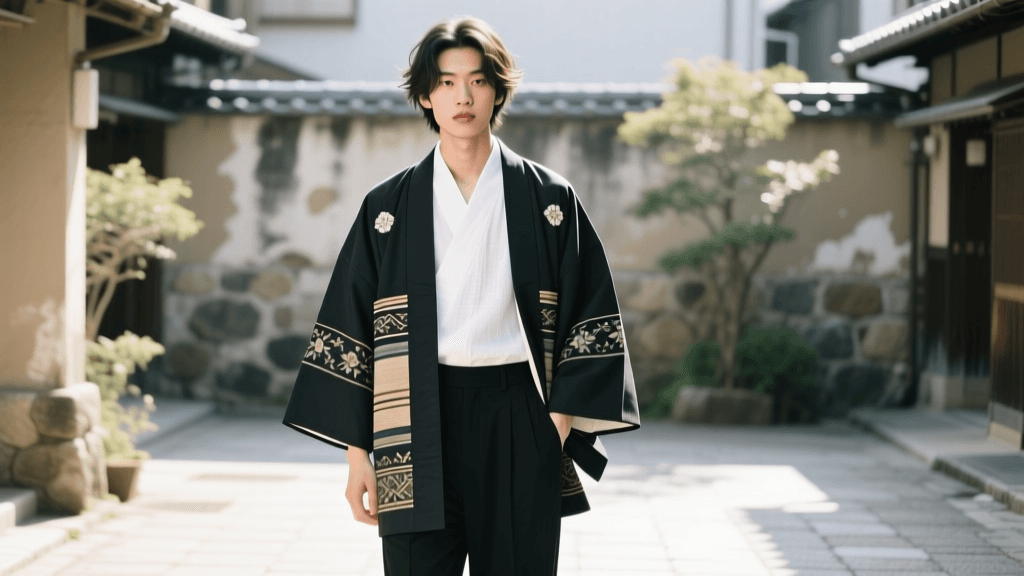
The Look: Wuxia (martial arts) costumes prioritize mobility, layered elegance, and understated nobility. The hallmark of this style is the Jiaoling Ruqun (cross-collar shirt and skirt) layered with a Danyi or Banbi (long or short outer robe). Colors are typically earthy, muted, or monochromatic—think bamboo greens, slate grays, and ink blues.
Practical Styling Advice: To achieve the Wuxia drape without looking like you are wearing a Halloween costume, opt for linen-cotton blends or raw silk. These fabrics provide the necessary weight to hang beautifully on the body while allowing for breathability. For everyday wear, choose a Danyi with narrowed sleeves (around 120cm to 140cm in total wingspan) rather than the massive bell sleeves seen on screen, which will drag on the ground and catch on door handles.
2. The Xianxia Immortal (Ethereal Fantasy)
Inspiration: Love Between Fairy and Devil, Ten Miles of Peach Blossoms
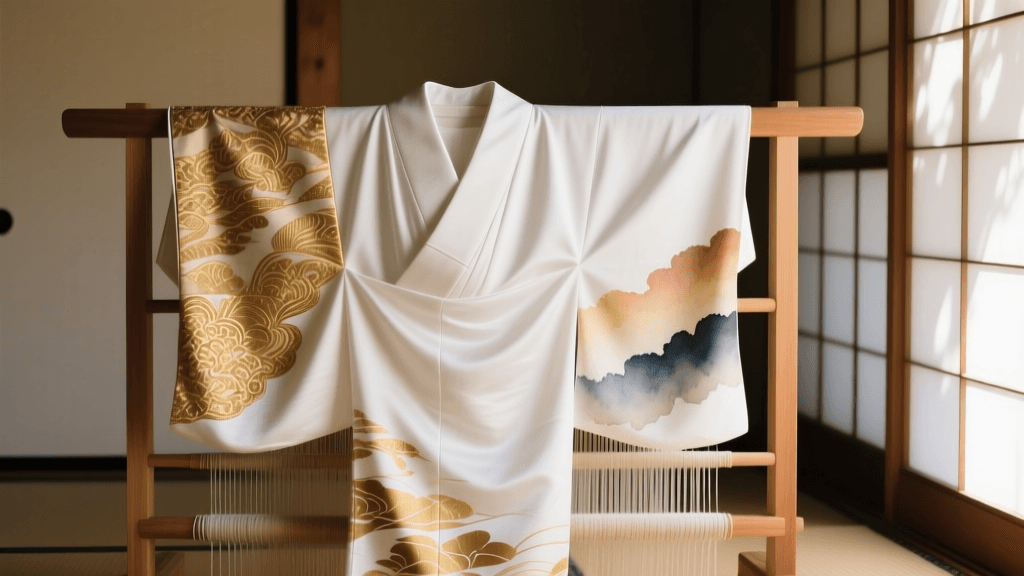
The Look: Xianxia (immortal hero) dramas lean heavily into fantasy, utilizing the Da Xiu Shan (large-sleeve shirt) and multi-layered, floor-sweeping skirts. The aesthetic is defined by sheer, flowing fabrics, pastel or stark white color palettes, and intricate metallic embroidery that catches the light.
Practical Styling Advice: The secret to the Xianxia 'floating' effect is fabric weight. Screen costumes often use heavy synthetic organza to hold their shape under studio lights. For real-world summer wear, substitute this with 100D chiffon or lightweight silk georgette. If you are attending a convention or doing a photoshoot and want the dramatic 200cm+ sleeve drop, ensure you wear a fitted Zhongyi (inner undershirt) with tight cuffs to anchor the layers and prevent the sleeves from slipping off your shoulders.
3. Ming Dynasty Court Opulence
Inspiration: The Longest Day in Chang'an (Tang Dynasty, but heavily influencing modern structured Hanfu), Ming Dynasty (Da Ming Feng Hua)
The Look: Historical court dramas favor structured, heavily embroidered garments. The undisputed star of the Ming Dynasty aesthetic is the Mamianqun (horse-face skirt), paired with an Ao (a lined, structured top with a stand-up or round collar).
Practical Styling Advice: The Mamianqun is incredibly versatile and has become a staple in modern 'New Chinese Style' (Xin Zhongshi) fashion. For a C-Drama court look, invest in a skirt made of jacquard brocade with metallic thread weaving. Ensure the pleats are heat-set. For daily wear, you can pair a traditional Ming Ao with a modern turtleneck and a solid-colored Mamianqun, blending historical drama opulence with contemporary office-appropriate fashion.
Buyer’s Guide: Screen-Accurate vs. Everyday Adapted
When shopping on platforms like Taobao, AliExpress, or specialized indie brand sites, you will encounter garments designed specifically for screen replication versus those adapted for daily life. Use this comparison chart to guide your purchasing decisions based on your needs.
| Feature | Screen-Accurate / Cosplay Hanfu | Everyday Adapted Hanfu |
|---|---|---|
| Cost | $150 - $400+ USD | $45 - $120 USD |
| Fabric | Heavy brocades, stiff organza, dense embroidery | Linen blends, cotton, lightweight chiffon, crepe |
| Sleeve Length | Exaggerated (180cm - 250cm wingspan) | Practical (120cm - 150cm wingspan) |
| Skirt Length | Floor-sweeping (requires 100cm+ height) | Ankle-grazing (3-5cm off the ground) |
| Maintenance | Dry clean only, delicate hand-wash | Machine washable (gentle cycle), easy ironing |
| Best Occasion | Conventions, professional photoshoots, stage | Travel, festivals, daily streetwear, tea ceremonies |
Sizing, Tailoring, and the 'Drape' Factor
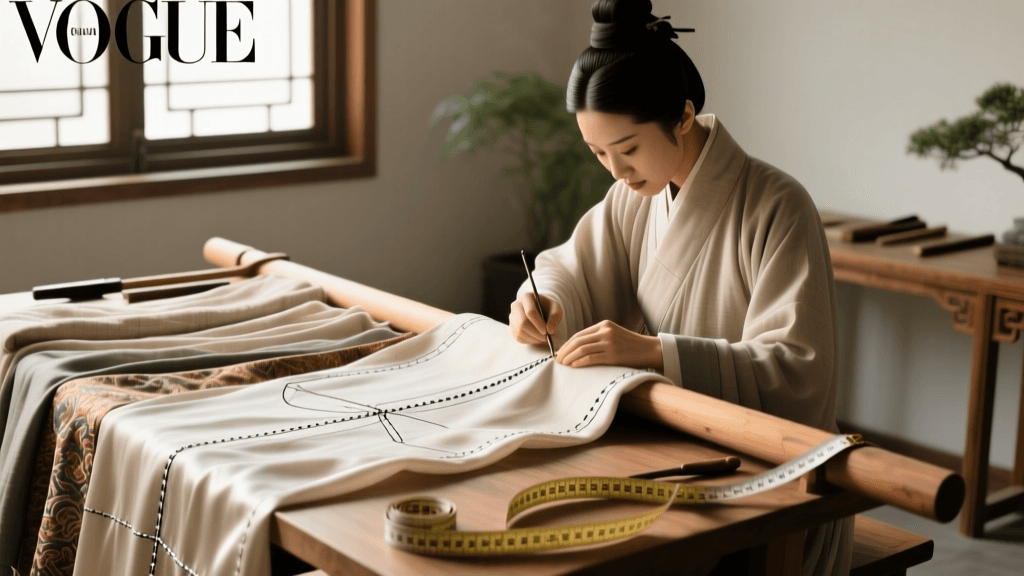
Unlike Western fashion, which relies heavily on bust, waist, and hip measurements to create a fitted silhouette, traditional Hanfu is cut from flat, rectangular panels of fabric. The fit is determined by how the fabric drapes over the body and is secured with ties. Industry insights from Reuters highlight that modern Hanfu brands are adapting these ancient cuts to fit contemporary body types while maintaining historical integrity.
Crucial Measurements to Know:
- Arm Span (Wingspan): This is the most critical measurement for C-Drama styling. Measure from fingertip to fingertip with arms outstretched. If your arm span is 160cm, a 'standard' Hanfu sleeve will end at your wrists. To achieve the dramatic Xianxia sleeve drape that covers the hands, you must seek out brands offering 'extended sleeve' options or custom tailoring.
- Shoulder Width: While the garments are flat-cut, the shoulder seam dictates where the collar sits. A dropped shoulder seam will cause the cross-collar to gape, ruining the elegant neckline seen in historical dramas.
- The Collar Rule (Zuojin Youren): Always ensure the left lapel crosses over the right lapel. In traditional Chinese culture, the reverse (right over left) is strictly reserved for dressing the deceased. Getting this wrong will immediately mark you as an amateur to seasoned Hanfu enthusiasts.
Top Brands for C-Drama Inspired Hanfu
To get the highest quality garments that mimic the luxurious textures seen in high-budget C-Dramas, consider these established brands:
- Minghuatang: Known as the 'Hermès of Hanfu,' this brand specializes in museum-grade Ming Dynasty reproductions. Their Mamianqun skirts feature heavy, intricate jacquard weaving that perfectly replicates the opulent court costumes seen in historical dramas. Expect to pay $200-$500 per piece, with shipping times of 30-45 days via Taobao agents.
- Shisanyu (Thirteen Yu): A highly accessible brand that frequently collaborates with TV shows and museums. They offer excellent 'everyday adapted' Xianxia and Tang dynasty-inspired sets ranging from $50 to $120. Their chiffon layers are perfect for travel photography in places like Hangzhou or Xi'an.
- Zhongling: If you are looking for the rugged, layered elegance of Wuxia dramas, Zhongling offers exceptional linen and cotton-blend outer robes with beautiful, subtle embroidery. Their color palettes are perfectly muted, avoiding the neon synthetic tones that plague cheaper cosplay shops.
Accessorizing the C-Drama Look
A garment is only half the battle; C-Drama styling relies heavily on accessories to complete the silhouette.
- Hair and Guan (Crowns): Male and gender-neutral styling often utilizes a Guan (hair crown) or a simple jade hairpin to secure a topknot. For female styling, Xianxia looks require delicate silver hairpins with dangling pearls, while Ming Dynasty looks favor elaborate velvet flowers or gold Dianzi (forehead bands).
- Belts and Pendants: Wuxia costumes are defined by the waist. Use a leather or woven fabric belt, and attach a Jinbu (jade pendant with tassels) to weigh down the skirt and add a swaying, cinematic motion to your walk.
- Footwear: While screen actors often wear hidden platform shoes to elongate their legs and improve the drape of floor-length skirts, for real-world wear, opt for traditional embroidered cloth shoes or modern leather loafers that match the skirt's hem color to create a seamless visual line.
Conclusion
The magic of Chinese television dramas lies in their ability to make history feel alive, romantic, and deeply personal. By understanding the distinction between cinematic illusion and wearable reality, you can curate a Hanfu wardrobe that honors traditional craftsmanship while fitting seamlessly into your modern life. Whether you are channeling the stoic elegance of a Wuxia swordsman or the ethereal grace of a Xianxia immortal, the key lies in fabric choice, precise measurements, and respecting the ancient rules of the drape.