Best Japanese Fashion Blogs for Traditional Wafuku 2026

The intersection of heritage craftsmanship and contemporary streetwear has never been more vibrant than it is in 2026. As global interest in sustainable, slow fashion continues to surge, Japanese traditional garments—collectively known as wafuku—are experiencing a massive renaissance. However, to truly understand the nuances of this movement, one must look beyond Western fashion capitals and dive directly into Japanese fashion journalism. The country's digital magazines and niche blogs are the ultimate authorities on how Edo-period techniques are being adapted for modern wardrobes, climate changes, and global runways.
For enthusiasts of Asian traditions, following Japanese online fashion media provides an unfiltered look into the meticulous world of kimono styling, vintage textile upcycling, and the booming secondhand market. This comprehensive guide explores the most influential Japanese fashion blogs and online magazines covering traditional wafuku in 2026, offering actionable insights on how to navigate, read, and draw inspiration from these premier digital publications.
The Digital Renaissance of Wafuku Journalism
Historically, Japanese fashion media was dominated by print-heavy, highly stylized magazines that focused almost exclusively on Western luxury brands or hyper-specific Harajuku streetwear subcultures. Traditional garments like the kimono, yukata, and haori were largely relegated to specialized, niche print publications aimed at older demographics or practitioners of traditional arts like tea ceremony and kabuki theater.
In 2026, the landscape has completely transformed. Digital-first platforms and independent fashion blogs have bridged the gap between heritage artisans and Gen Z and Millennial consumers. Publications like Fashionsnap regularly feature deep-dive editorials on the business of upcycled obis (kimono sashes) and the retail footprint of vintage wafuku shops in Tokyo's Shimokitazawa and Kyoto's Kawaramachi districts. This digital shift has democratized access to traditional garment knowledge, allowing global readers to witness the evolution of Japanese textiles in real-time.
Leading Online Magazines and Blogs Covering Wafuku
Fashionsnap: The Pulse of Street Style and Upcycling
As one of Japan's most authoritative digital fashion news platforms, Fashionsnap is essential reading for understanding the commercial and street-level integration of traditional garments. In 2026, their editorial team has placed a heavy emphasis on the circular economy. Their street style photographers meticulously document how Tokyo's youth are pairing vintage, hand-painted Kaga Yuzen haori jackets with modern denim and chunky sneakers. Furthermore, their business section frequently covers the rise of tech-enabled secondhand wafuku platforms, analyzing how AI-driven authentication is stabilizing the vintage silk market and protecting consumers from counterfeit heritage textiles.
Vogue Japan: Elevating Heritage Textiles to High Fashion
While Vogue Japan is globally recognized for high-end luxury, their digital editorial spreads in 2026 have dedicated unprecedented column inches to traditional Japanese artisans. Recent digital features have spotlighted the intersection of traditional weaving techniques, such as Oshima Tsumugi (a complex mud-dyed silk from Amami Oshima), with contemporary silhouette design. Vogue Japan's online video series frequently interviews master dyers and weavers, providing a visually stunning, high-fashion lens through which to view the preservation of Asian textile traditions. Their coverage is indispensable for those interested in how wafuku influences global luxury runways.
Nanaoh Digital and Specialized Kimono Portals
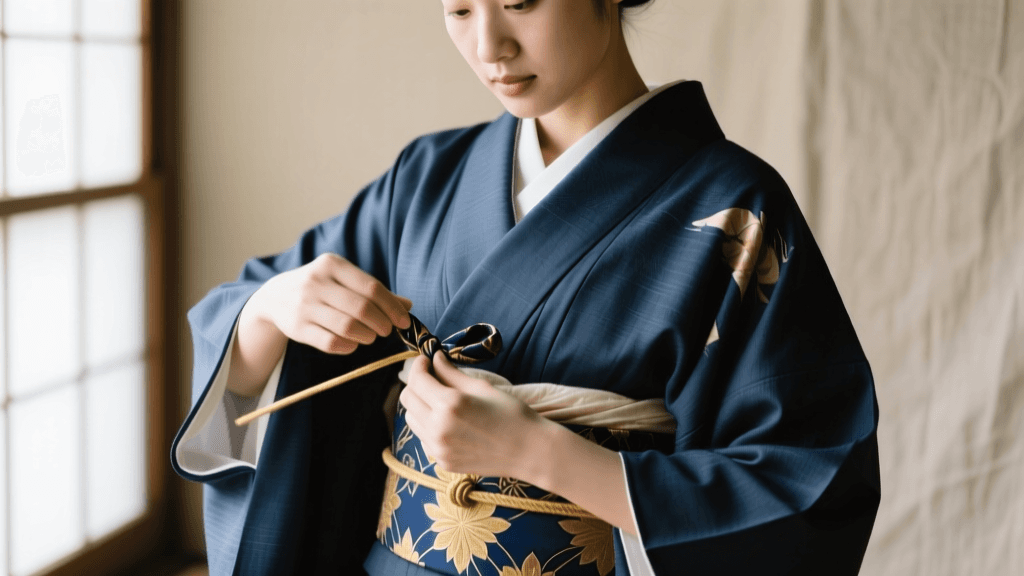
For purists and those seeking authentic kitsuke (the art of wearing a kimono) tutorials, specialized portals and the digital offshoots of legacy magazines like Nanaoh remain unparalleled. In 2026, these platforms have expanded their focus to include gender-neutral kimono styling and the adaptation of traditional theater costumes for modern ceremonial wear. They offer highly detailed, step-by-step visual guides on tying complex musubi (obi knots), selecting the appropriate zori sandals for different seasons, and understanding the strict seasonal motifs woven into the fabric—a crucial aspect of wafuku etiquette that mainstream fashion sites often overlook.
Major 2026 Trends Dominating Japanese Fashion Media
The Secondhand Boom and Vintage Styling
Japanese fashion blogs in 2026 are overwhelmingly focused on the sustainability of secondhand wafuku. With the cost of newly commissioned, artisanal silk kimonos remaining prohibitively high for most young adults, digital magazines are championing the 'Recycle Shop' culture. Bloggers provide exhaustive guides on how to inspect vintage silk for 'shimi' (age spots), how to properly air out and store antique garments, and how to repurpose damaged kimono fabrics into modern accessories like tote bags, scrunchies, and laptop sleeves. This upcycling movement is heavily documented on visual blogs and Instagram-integrated digital magazines.
Natural Dyeing and Eco-Conscious Textiles
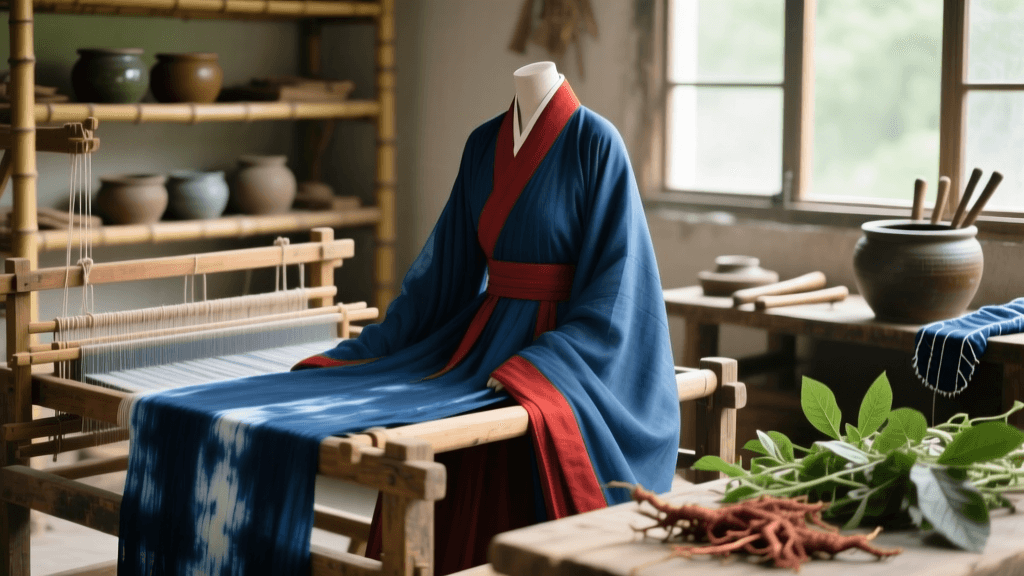
As the global fashion industry faces intense scrutiny regarding chemical pollution, Japanese online magazines are highlighting the ancient practices of natural dyeing. Articles detailing the meticulous processes of Aizome (traditional indigo dyeing) and Kakishibu (persimmon tannin dyeing) are trending heavily. According to cultural preservation data highlighted by institutions like the Kyoto Costume Institute, the revival of these natural dyes is not just an aesthetic choice but a vital effort to maintain regional agricultural and chemical heritage. Fashion bloggers frequently review modern brands that utilize these traditional, eco-friendly dyes on contemporary linen and hemp blends.
Weather Adaptations: Yukata vs. Jinbei
With summers in Japan growing increasingly hot and humid, digital fashion magazines are heavily covering the evolution of summer casual wear. The debate and styling guides surrounding yukata (lightweight cotton kimono) versus jinbei (two-piece cotton lounge/streetwear) are a staple of July and August editorial calendars. While the yukata remains the standard for summer festivals and fireworks viewing, fashion blogs in 2026 are pushing the jinbei as a viable, ultra-breathable streetwear alternative. Online magazines provide detailed comparisons of fabric weaves, noting how modern shijira-ori (seersucker-like cotton) is being utilized to maximize airflow while maintaining traditional geometric patterns.
Comparison of Leading Japanese Fashion Platforms
To help you curate your digital reading list, the table below breaks down the primary focus and wafuku coverage depth of Japan's top fashion platforms in 2026.
| Publication | Primary Focus | Wafuku Coverage Depth | Best For |
|---|---|---|---|
| Fashionsnap | Industry News & Street Style | High (Upcycling, Retail, Streetwear) | Fashion Business & Trend Forecasting |
| Vogue Japan | High Fashion & Luxury | Medium (Artisanal Textiles, Runway) | High-End Styling & Visual Editorials |
| Nanaoh Digital | Traditional Lifestyle | Expert (Authentic Kitsuke, Heritage) | Purists, Ceremony Prep, & Etiquette |
| Kimono Salone | Modern Wafuku & Pop Culture | Medium (Casual Styling, Jinbei) | Beginners & Summer Festival Goers |
How to Follow and Translate Japanese Fashion Journalism
For non-Japanese speakers, navigating these rich digital archives can seem daunting, but modern tools have made it entirely accessible. Most major online magazines like Vogue Japan offer native English toggles, though the localized Japanese site always features a higher volume of niche wafuku content. For sites like Fashionsnap and independent blogs, utilizing browser-integrated AI translation extensions provides highly accurate, context-aware translations of specialized textile terminology.
To stay updated with the latest 2026 trends, it is highly recommended to follow the specific hashtags curated by these magazines on platforms like X (formerly Twitter) and Instagram. Hashtags such as #WafukuCoordinate, #KimonoStreetStyle, and #VintageKimono are heavily monitored by digital editors looking for street style subjects. Engaging with these tags not only provides a daily feed of visual inspiration but also connects you directly with the independent bloggers and vintage shop owners who supply the content for Japan's top digital fashion publications.
Conclusion
The coverage of traditional Japanese garments in 2026's digital fashion journalism is a testament to the enduring power of Asian traditions. By treating wafuku not as a static museum relic, but as a living, breathing component of modern style, Japanese online magazines and blogs are ensuring the survival of ancient weaving, dyeing, and styling techniques. Whether you are a fashion business analyst tracking the secondhand silk market, a luxury enthusiast admiring high-fashion Yuzen editorials, or a beginner looking for the perfect summer jinbei, Japan's digital fashion media offers an unparalleled, authoritative window into the soul of traditional garment culture.