Eco-Friendly Chinese Plant Dyes for Hanfu: 2026 Guide
The 2026 Shift: Hanfu Meets Sustainable Slow Fashion
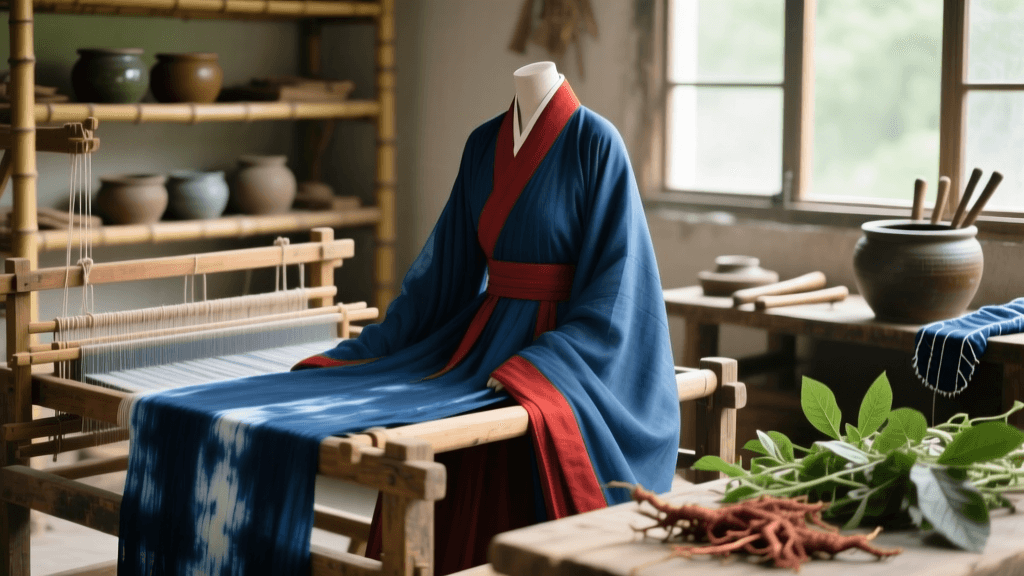
As the global fashion industry faces intense scrutiny over its environmental footprint, the Hanfu movement has experienced a profound evolution. In 2026, the demand for authentic, traditionally crafted garments is no longer just about historical accuracy; it is deeply intertwined with ecological responsibility. Modern enthusiasts and artisans are turning back to 'Cao Mu Ran'—the ancient Chinese art of grass and wood dyeing. This botanical dyeing tradition utilizes roots, bark, leaves, and berries to color natural fibers, offering a stark, eco-friendly contrast to the toxic synthetic azo dyes that have dominated the textile industry for over a century.
According to recent data highlighted by the UNEP Sustainable Fashion initiative, the textile industry remains one of the largest polluters of freshwater globally. However, the 2026 resurgence of natural dyeing in East Asian traditional garments is creating a closed-loop micro-economy. Small-batch Hanfu ateliers are now leading the charge, proving that luxury, heritage, and sustainability can coexist. By utilizing locally foraged or organically farmed Chinese dye plants, artisans are reducing water toxicity, eliminating microplastic shedding from synthetic threads, and reviving agricultural biodiversity.
Core Botanicals: The Four Pillars of Chinese Natural Dyeing
To master eco-friendly dyeing for traditional garments like the Ming Dynasty Aoqun or the Song Dynasty Beizi, one must understand the botanical sources that yield the most vibrant, colorfast results. Here are the four foundational plants used in modern sustainable Hanfu production.
1. Lan Cao (Indigo / Isatis tinctoria & Persicaria tinctoria)
While synthetic indigo is derived from petroleum, traditional Chinese 'Lan Cao' is harvested from the leaves of the woad or Japanese indigo plant. The extraction process involves fermenting the leaves in an alkaline vat, creating a leuco-indigo solution. When the silk or ramie Hanfu fabric is submerged and then exposed to oxygen, it oxidizes into a brilliant, deep blue. In 2026, advanced organic fermentation techniques allow home dyers to maintain a healthy, odorless indigo vat using natural fructose and calcium hydroxide, completely avoiding the harsh sodium dithionite used in industrial vats.
2. Qian Cao (Madder Root / Rubia cordifolia)
For the auspicious reds seen in wedding Hanfu and festive Qipaos, 'Qian Cao' (madder root) is the undisputed champion. The roots contain alizarin, a pigment that bonds beautifully with protein fibers like silk and wool. To achieve a deep crimson, the roots must be slowly heated to exactly 60°C. Exceeding this temperature extracts brown tannins, muddying the red. Modern eco-ateliers use solar-thermal water heaters to maintain this precise temperature, drastically reducing the carbon footprint of the dyeing process.
3. Huang Bo (Amur Cork Tree / Phellodendron amurense)
Historically reserved for imperial garments, the inner bark of the Amur Cork Tree yields a striking, luminescent yellow. Rich in berberine, 'Huang Bo' is unique because it acts as a substantive dye, meaning it can bond directly to silk fibers without the need for a metallic mordant. Furthermore, berberine possesses natural antibacterial and insect-repellent properties, making Huang Bo-dyed garments highly prized for summer Hanfu wardrobes and meditation robes in 2026.
4. Wu Bei Zi (Chinese Gallnut / Rhus chinensis)
To achieve the sophisticated greys, charcoal, and deep blacks favored in scholar-style Hanfu, artisans use 'Wu Bei Zi'. These are not berries, but rather tannin-rich galls formed on the sumac tree by aphids. When the high tannin content of the gallnut extract reacts with an iron mordant (often created by simply soaking rusty nails in water and vinegar), it creates a complex, colorfast black that will not fade or bleed like synthetic carbon blacks.
The Artisan's Process: A Step-by-Step Eco-Dyeing Guide
Achieving professional, colorfast results on silk and linen requires meticulous preparation. Here is the standard operating procedure for a 2026 eco-conscious Hanfu atelier.
Step 1: Scouring
Natural fibers contain natural waxes, pectins, and oils that repel water. For silk, wash the fabric in a pH-neutral, plant-based soap at 40°C for 45 minutes. For ramie or linen, simmer the fabric with 5 grams of soda ash per liter of water to strip the pectin. Thorough scouring ensures even dye penetration.
Step 2: Mordanting
Except for indigo and Huang Bo, most plant dyes require a mordant to act as a chemical bridge between the fiber and the pigment. The most eco-friendly and widely used mordant in 2026 is Potassium Aluminum Sulfate (alum). Use 15 grams of alum and 5 grams of cream of tartar per 100 grams of dry fiber weight. Simmer the fabric in this solution for one hour, then let it cool in the bath overnight to maximize fiber saturation.
Step 3: Extraction and Dyeing
Chop your botanical matter and simmer it in distilled water (tap water minerals can alter the color). For madder, use a 1:1 ratio of root to fabric weight. Strain the liquid through a fine mesh cloth, add the pre-mordanted, damp fabric, and maintain the appropriate heat for 60 to 90 minutes. Stir gently with a wooden dowel to prevent splotches.
Step 4: Washing and Finishing
Rinse the dyed garment in cool water until it runs clear. To lock in the color and add a luxurious drape to silk Hanfu, perform a final rinse with a tablespoon of white vinegar and a few drops of camellia oil. Hang to dry in the shade, as direct UV light can degrade natural pigments before they fully set.
Comparative Guide: Chinese Dye Plants & Mordants
The following table provides a quick reference for artisans planning their 2026 dye garden or sourcing schedule.
| Botanical Source | Traditional Name | Color Yield | Required Mordant | Lightfastness Rating |
|---|---|---|---|---|
| Isatis tinctoria | Lan Cao (Indigo) | Deep Blue | None (Vat process) | Excellent (5/5) |
| Rubia cordifolia | Qian Cao (Madder) | Crimson Red | Alum + Cream of Tartar | Very Good (4/5) |
| Phellodendron amurense | Huang Bo (Cork) | Imperial Yellow | None (Substantive) | Moderate (3/5) |
| Rhus chinensis | Wu Bei Zi (Gallnut) | Charcoal / Black | Iron (Ferrous Sulfate) | Excellent (5/5) |
| Sophora japonica | Huai Hua (Pagoda) | Bright Gold | Alum | Good (4/5) |
Sourcing, Costs, and Atelier Setup in 2026
Setting up a small-scale natural dyeing studio for Hanfu production is more accessible than ever. In 2026, the Textile Exchange Preferred Fiber and Materials Market Report notes a massive spike in the commercial availability of certified organic dye extracts, which eliminates the need for large vats of raw botanical matter and saves significant water and energy.
For a home artisan, a 250-gram pouch of organic, concentrated madder root extract costs approximately $45 USD and can dye up to 5 kilograms of silk. Raw indigo fructose kits, which include pre-measured natural reducing agents, retail for around $60 USD and yield enough vat for ten full Hanfu skirts. When sourcing raw materials, it is vital to partner with regenerative farms in provinces like Yunnan and Guizhou, where traditional ethnic minority communities have cultivated these plants for centuries without chemical fertilizers.
Water management is the final pillar of a sustainable 2026 atelier. Natural dye exhaust baths are entirely biodegradable. Once the pH is neutralized using household citric acid or baking soda, the spent dye water can be safely used to irrigate ornamental gardens. The residual plant matter from extraction baths is composted, returning vital nitrogen and carbon to the soil. This zero-waste methodology aligns perfectly with the circular economy models championed by the Ellen MacArthur Foundation, ensuring that the beauty of traditional Chinese garments does not come at the expense of the earth.
Conclusion
The integration of 'Cao Mu Ran' into the modern Hanfu wardrobe is more than a fleeting trend; it is a vital reclamation of sustainable heritage. By embracing Chinese natural dye plants like indigo, madder, and gallnut, today's artisans and wearers are making a profound statement about the future of fashion. As we navigate 2026, the vibrant, living colors of botanical dyes remind us that true elegance is rooted in harmony with nature, preserving both the cultural legacy of Asian traditions and the ecological balance of our planet.