Japanese Kimono Types Guide 2026: Furisode, Tomesode & Yukata
The Enduring Legacy of the Japanese Kimono in 2026
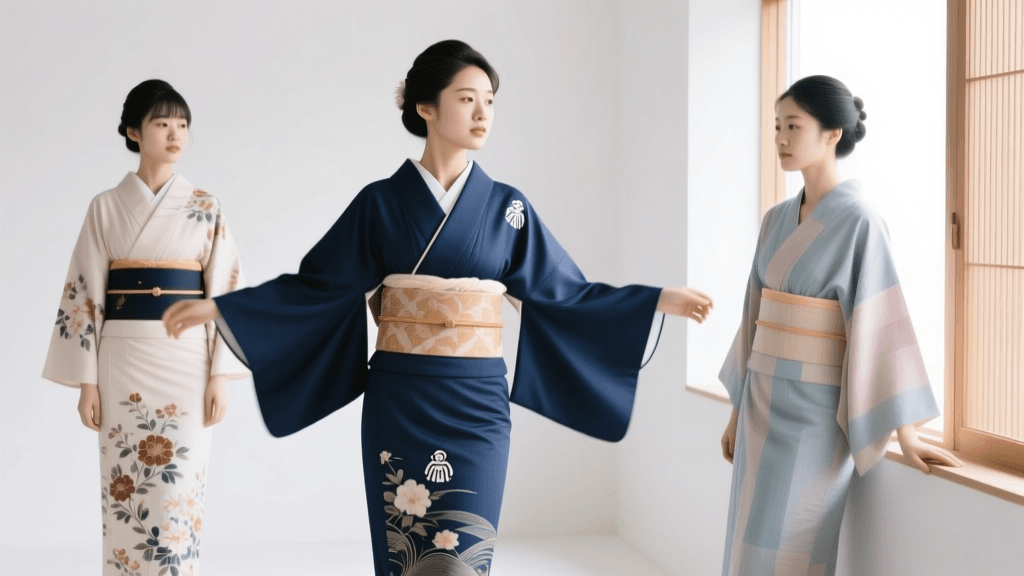
The Japanese kimono is far more than a mere garment; it is a meticulously crafted canvas of cultural history, seasonal awareness, and profound artistic expression. As we navigate through 2026, the landscape of traditional Japanese clothing has evolved to meet the demands of modern lifestyles while fiercely protecting its heritage. Today, international enthusiasts and local practitioners alike are embracing both the time-honored silk weaves of Kyoto and the innovative, sustainable textiles that have recently entered the market. Understanding the strict hierarchy and distinct types of kimono is essential for anyone looking to wear, collect, or appreciate these garments correctly.
According to The Metropolitan Museum of Art's Heilbrunn Timeline of Art History, the kimono's T-shaped, straight-lined silhouette has remained remarkably consistent for centuries, yet the surface design, fabric choices, and styling rules have continuously adapted to reflect societal shifts. In 2026, the integration of AI-assisted pattern matching for bespoke commissions and the rise of high-grade, washable poly-silk blends have made the kimono more accessible than ever without diluting its ceremonial importance.
The Hierarchy of Japanese Kimono Types
The classification of a kimono depends on several factors: the wearer's marital status, the formality of the occasion, the placement and number of family crests (kamon), and the complexity of the dyed or woven patterns.
Kurotomesode and Irotomesode (Married Women's Formal Wear)
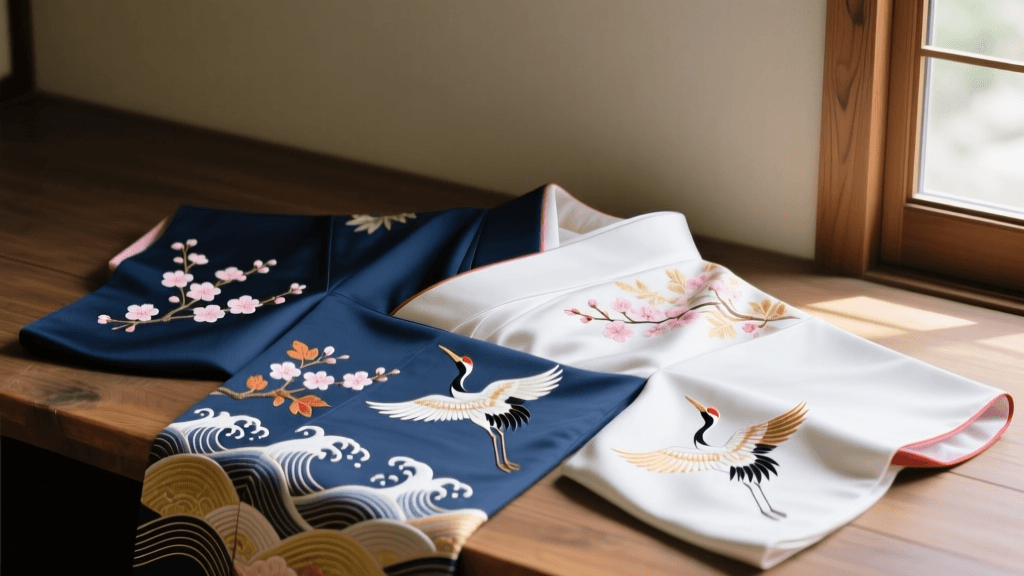
The Kurotomesode (black tomesode) is the most formal kimono for married women. It is characterized by a solid black background with elegant, continuous patterns (e-ba) that flow across the lower half of the garment. It always features five family crests and is typically worn by the mothers of the bride and groom at weddings. The Irotomesode follows the exact same structural rules but features a colored background instead of black, making it slightly less formal but equally breathtaking. In 2026, we are seeing a surge in deep jewel-toned Irotomesode, such as emerald and sapphire, moving away from the traditional pastels of previous decades.
Furisode (Unmarried Women's Formal Wear)
The Furisode is instantly recognizable by its dramatically long, swinging sleeves, which can measure anywhere from 85 to 114 centimeters in length. This is the most formal attire for unmarried women, commonly worn during Coming of Age Day (Seijin no Hi), university graduations, and as a guest at weddings. The vibrant, all-over patterns and luxurious silk brocades make the Furisode a highly coveted piece. Modern 2026 styling often pairs Furisode with contemporary, minimalist obi (sashes) to balance the visual weight of the elaborate sleeve motifs.
Houmongi and Tsukesage (Semi-Formal Occasions)
The Houmongi (visiting wear) bridges the gap between highly formal and everyday wear. Its defining feature is a continuous pattern that flows over the seams across the shoulders and down the skirt. It can be worn by both married and unmarried women for tea ceremonies, gallery openings, and formal parties. The Tsukesage is slightly more subdued; its patterns are confined to specific panels and do not cross the seams. Both types typically feature one to three crests, offering versatility for a wide array of semi-formal events.
Komon (Everyday Patterned Kimono)
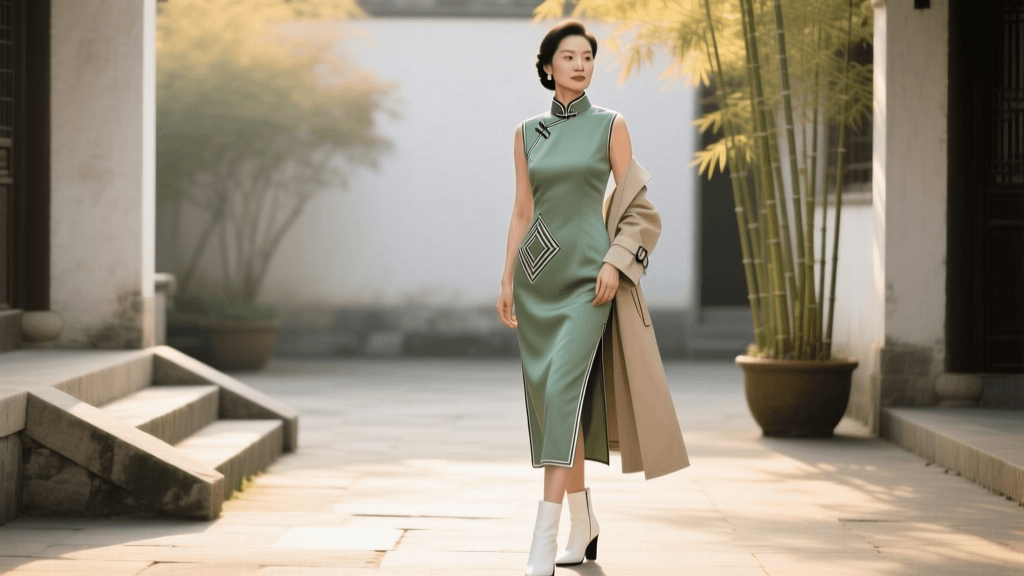
Komon translates to 'fine pattern.' These kimono feature small, repeating motifs across the entire garment. They are considered casual or everyday wear, perfect for strolling through the city, casual dining, or attending a relaxed cultural workshop. In 2026, vintage Komon from the mid-20th century are highly sought after by younger generations who upcycle them into modern streetwear or pair them with Western accessories like leather boots and structured handbags.
Yukata: The Casual Summer Staple
While technically a distinct category from the lined silk kimono, the Yukata is an indispensable part of the Japanese traditional wardrobe. Originally worn as a bathrobe by the nobility in the Heian period, it evolved into the quintessential summer festival garment. Made from unlined cotton, hemp, or modern breathable synthetic blends, the Yukata is lightweight, easy to wash, and relatively simple to tie. The 2026 summer festival season has seen a massive trend in 'retro-modern' Yukata, featuring geometric Taisho-era patterns rendered in high-contrast, monochromatic color palettes.
Kimono vs. Yukata: 2026 Comparison Chart
| Feature | Traditional Kimono | Yukata |
|---|---|---|
| Primary Fabric | Silk, Chirimen (crepe), Ro/Sho (summer gauze) | Cotton, Cotton-Hemp blends, Washable Poly-blends |
| Lining | Lined (Awase) or Unlined (Hitoe) depending on season | Always Unlined |
| Undergarments | Requires Nagajuban (under-kimono) and Koshimaki | Worn directly over modern innerwear or simple hadajuban |
| Collar Style | Two distinct collars (Kimono + Juban collar showing) | Single collar layer |
| Footwear | Zori sandals with white Tabi socks | Geta (wooden clogs) with bare feet or colored Tabi |
| Formality | Ranges from Casual (Komon) to Ultra-Formal (Kurotomesode) | Strictly Casual / Summer Festivals |
2026 Fabric Innovations: Beyond Traditional Silk
While authentic silk (shoken) remains the gold standard for formal kimono, the textile industry in 2026 has introduced remarkable alternatives that cater to eco-conscious consumers and those seeking low-maintenance options. The Victoria and Albert Museum notes in their comprehensive exploration of the Kimono that the garment has always been a site of textile innovation, and today is no exception.
This year, Lotus Silk and Piña-Silk blends have gained immense popularity in the luxury semi-formal market. These sustainable fibers offer the lustrous drape of traditional mulberry silk but require significantly less water and chemical processing. Furthermore, advanced 'washable chirimen' (crepe) technology has reached near-perfection. These high-density polyester micro-fibers mimic the textured, pebbled surface of silk crepe so accurately that even seasoned collectors struggle to tell the difference by touch alone. This allows wearers to enjoy the elegant drape of a Houmongi without the exorbitant dry-cleaning costs associated with traditional silk.
Sourcing, Pricing, and Buying Guide for 2026
Acquiring a kimono in 2026 requires navigating a diverse market ranging from historic Kyoto boutiques to global online vintage platforms. For those commissioning a brand-new, bespoke silk Furisode or Kurotomesode, prices reflect the intense labor of artisan dyers and weavers. Expect to pay anywhere from ¥450,000 to over ¥1,500,000 ($3,000 to $10,000+ USD) for a complete, custom-tailored formal set, which includes the kimono, a hand-woven Nishijin obi, and all necessary undergarments.
For the semi-formal and casual market, the 'recycled' or vintage kimono boom continues to thrive. In districts like Tokyo's Shibuya and Osaka's Tenjinbashisuji, curated vintage shops offer impeccably preserved mid-century Komon and Tsukesage for as little as ¥5,000 to ¥30,000 ($35 to $200 USD). When purchasing vintage, it is crucial to inspect the yamata (basting stitches) and check for any signs of moisture damage or fading along the shoulder seams. International buyers in 2026 are increasingly relying on specialized proxy services that provide detailed condition reports and professional cleaning before shipping overseas.
Essential Accessories to Complete the Silhouette
A kimono is never worn alone; the accessories are what secure the garment and elevate the overall aesthetic. The Obi is the most critical component, often costing more than the kimono itself. In 2026, 3D-woven obis featuring subtle, tonal metallic threads are highly favored for their ability to catch the light without appearing overly flashy.
To tie the obi, wearers use an Obijime (a decorative braided cord) and an Obiage (a silk scarf-like cloth that peeks out from the top of the sash). Modern styling often incorporates vintage glass Obidome (decorative clasps) to add a personalized touch. Finally, footwear must be carefully selected. While traditional Zori (flat sandals) are mandatory for formal events, the 2026 trend for casual kimono styling heavily features Setta (leather-soled sandals) and even modified Western block heels, proving that the Japanese traditional wardrobe is as dynamic and adaptable as ever.
Conclusion
Navigating the world of Japanese kimono types requires an appreciation for both rigid historical rules and contemporary stylistic freedom. Whether you are investing in a breathtaking Kurotomesode for a milestone celebration, or picking up a vibrant cotton Yukata for a summer matsuri, understanding the nuances of these garments enriches the wearing experience. As we move through 2026, the kimono stands not as a relic of the past, but as a living, breathing art form that continues to adapt, inspire, and captivate the global fashion landscape.